Reporting snapshot · 1 November 2026 (Asia/Karachi). The channel described here is still moving: no proposal has been published, no meeting has been scheduled, and Washington's own decision on whether to strike remains open. The main limitation is that each side is describing its own position rather than a shared one, and the mediators have not said what they are carrying between them.
What changed on 31 October
On Friday, KhabarWire reported that neither Washington nor Tehran had confirmed a new round of talks, and that Pakistan’s army was “cautiously optimistic” about its own mediation, as the army’s spokesman put it. That position changed on Saturday, 31 October, when Iran’s foreign minister, Abbas Araghchi, confirmed that a negotiation channel exists and named who is carrying it.
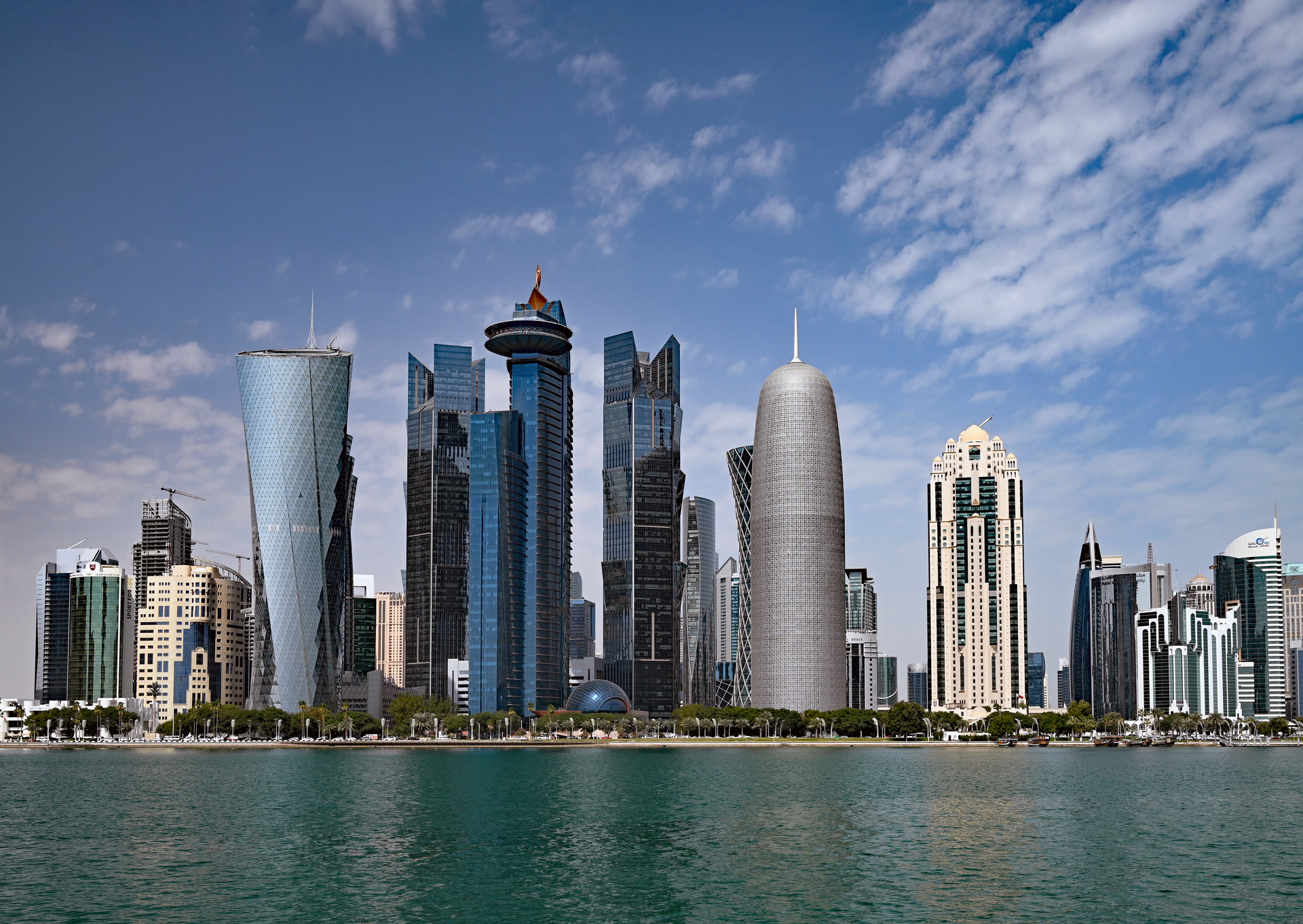
Araghchi told Al Jazeera that Tehran had studied a letter sent by US Vice President JD Vance in high-level meetings, and called Washington’s attempt to open dialogue “a positive step”. An Iranian delegation has travelled to Doha, he said, and one of his aides is in Qatar continuing consultations with mediators, Al Jazeera reported. Two limits came with it. “We see no need to meet with the Americans at this stage. Our conditions are clear, and mediators are continuing their consultations regarding them,” Araghchi said, and, speaking to Anadolu Agency, that “We do not rule out any possibility regarding the outbreak of war, and we are prepared for all scenarios”, The Express Tribune reported.
The names of the mediators came from Araghchi himself. “My aide is currently in Qatar to continue consultations. Qatari and Pakistani mediators are continuing consultations regarding our conditions,” The Express Tribune reported. That is the detail that matters most to a reader in Pakistan, because it places Islamabad inside the channel rather than beside it.
The letter itself remains contested. Reuters reported that the New York Times and Wall Street Journal had described it as an offer to restart peace talks, while President Trump said the proposal was only about allowing in medical supplies, as Geo News reported. Al Jazeera reported that the letter was reportedly addressed to Mohsen Rezaei, the Supreme National Security Council leader, in its reporting on the statement.
Tehran’s conditions and the order Khamenei gave
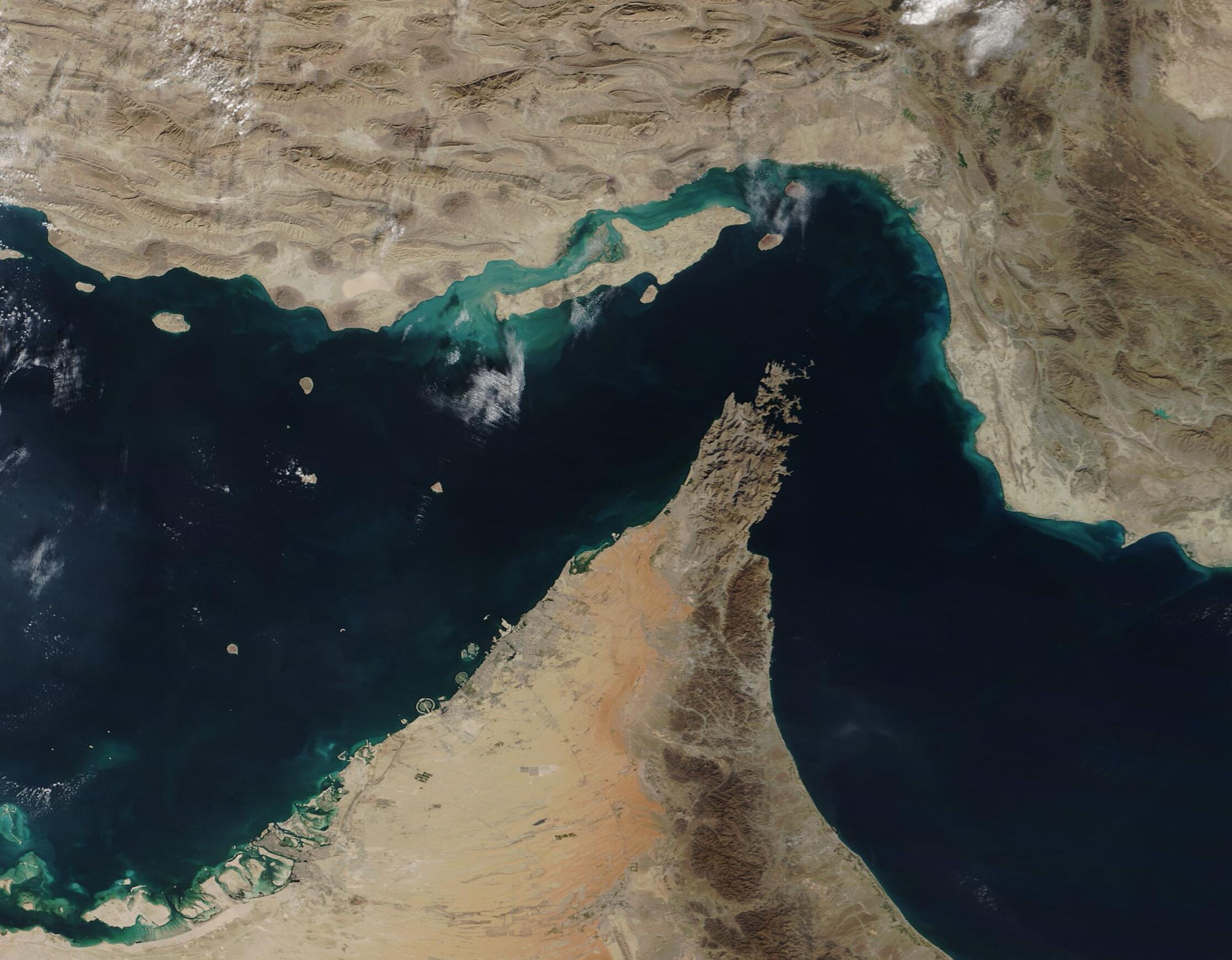
Araghchi tied direct or indirect talks to Tehran’s conditions, which he said concern reopening the Strait of Hormuz. Those are the same conditions Iran set out when it offered to reopen the waterway within seven days in September, as KhabarWire reported then, and they were still the central obstacle a month later, when Qatar and France demanded free navigation and Tehran tied reopening to US concessions, KhabarWire reported on 22 October.
On the same day, Iran’s Supreme Leader Mojtaba Khamenei gave the armed forces what his office called “important strategic directives”, requiring “maximum deterrence” through preparedness for “an immediate and effective response, without geographical restriction” if the country is attacked again, Al Jazeera reported. Geo News, carrying Agence France-Presse, reported that the statement told commanders that “any level or type of threat must be met with an immediate, impactful and geographically unrestricted response”, and that Khamenei ordered them to update Iran’s target list to include “all types of tangible and intangible assets belonging to the American-Zionist enemy”, according to the agency’s report.
AFP described the statement as following the first reported meeting between Khamenei and senior commanders, naming armed forces chief of staff Ali Abdollahi, army chief Amir Hatami and Revolutionary Guards commander Ahmad Vahidi. Khamenei has not been seen in public since he succeeded his father, Ayatollah Ali Khamenei, who was killed in the US-Israeli strikes that began the war on 28 February 2026, as KhabarWire recorded at the time.
The two developments ran in parallel: an opening for talks and, at the same moment, an order to be ready for the talks to fail.
Washington’s decision is still open
Secretary of State Marco Rubio said on Saturday that President Trump “has not yet made a decision about whether to resume military action against Iran”, and that he did not know whether there was a specific timeframe for the Qatar-led talks, Reuters reported in Geo News’s live coverage of the conflict, as the outlet reported. Al Jazeera’s live file on the war was still being updated in the early hours of 1 November, under a headline recording Araghchi’s description of the US attempt to open dialogue.
The arithmetic around timing is political. Axios reported, as carried by The Express Tribune, that Trump may order a major strike if Republicans suffer losses in the midterm election. Whether an American delegation joins the round in Doha is the question neither side has answered: Araghchi ruled out direct meetings for now, and Rubio said he knew of no timetable.
Shipping in the strait is the pressure point underneath both tracks. Iran’s navy said on Saturday that a tanker had caught fire after striking naval mines while sailing in what it described as a prohibited area east of the Strait of Hormuz, Reuters reported, as Geo News reported — a repetition of the mine attacks KhabarWire covered on 12 October.
What it means for Pakistan
Pakistan’s name inside Araghchi’s sentence is the concrete change of the day. The army described its own mediation as “cautiously optimistic” on Friday; on Saturday Iran’s foreign minister said Qatari and Pakistani mediators were consulting on Tehran’s conditions. That follows a month in which Pakistan has moved repeatedly: the Tehran security session with the three Makkah pact members on 26 October, which KhabarWire reported, and the army chief’s repeated trips to the Iranian capital.
The exposure is economic as much as diplomatic. QatarEnergy has extended force majeure on LNG supplies to Pakistan until 29 December, and the government is planning 10 cargoes for the two peak winter months against an estimated requirement of 20, Geo News reported. Senior officials of the Sui gas companies said household demand in Punjab and Khyber Pakhtunkhwa could rise from 500 million cubic feet a day to 1,500 during December and January, and double in Sindh and Balochistan, according to the same report. A second front in the Gulf would tighten an already short supply, and the Power Division has already warned of harder winter costs, as KhabarWire reported on 31 October.
What is still uncertain
Nothing has been signed and nothing has been scheduled. No text of the mediators’ proposals, no agreed agenda and no date for a meeting has been published, and Araghchi ruled out direct meetings “at this stage”. Iran’s conditions have not been set out in full, and no one has said whether the Pakistani role is a formal mandate or an informal contact.
Washington’s side is openly undecided, and the decision is tied to a domestic political timetable that could make it come abruptly rather than gradually.
Khamenei has not been seen in public, and the directive was issued by his office rather than by him, so what the order requires operationally is unknown.
Finally, the two halves of the day pull in opposite directions, and neither has settled. A mediator channel exists and is being worked. So is an order to respond without geographical restriction. The Pakistan, Iran and US mediation tracker follows both.