Reporting snapshot · 22 September 2026. A senior Iranian official told Reuters and, separately, Kyodo News on Tuesday that Iran could reopen the Strait of Hormuz within seven days if the United States eases military pressure and lifts its naval blockade on Iranian ports. The offer has not been confirmed by Washington, the US has not publicly accepted it, and no deal has been reached; the account below is a dated snapshot of the reported proposal and the diplomacy gathering around the UN General Assembly.
What happened
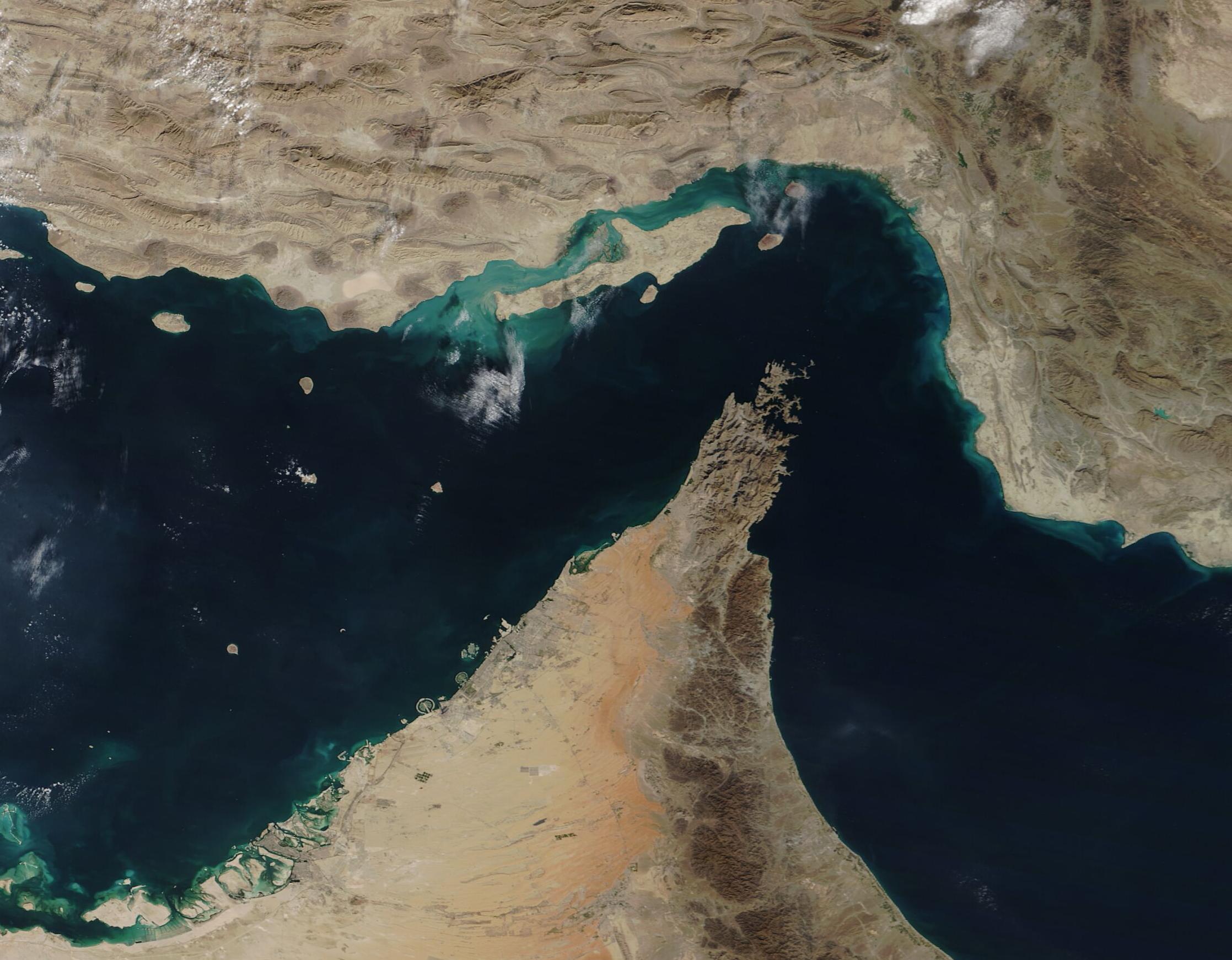
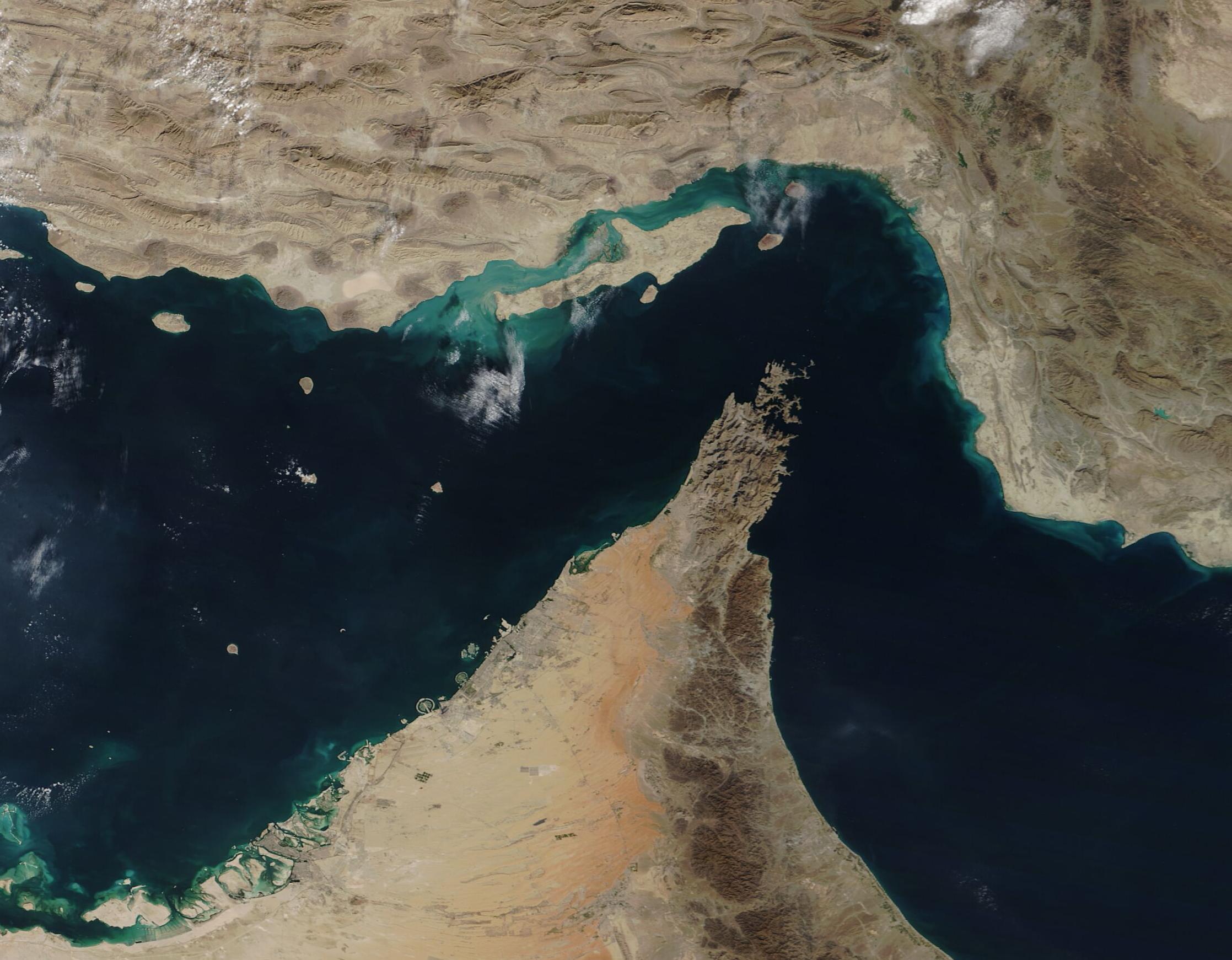
A senior Iranian official told Reuters and Kyodo News on Tuesday, 22 September, that Iran could reopen the Strait of Hormuz within seven days if the United States eases military pressure and lifts its naval blockade on Iranian ports. The official said the proposal had already been conveyed to Washington through mediators and called for renewed talks aimed at a permanent end to the hostilities that began with US and Israeli strikes on Iran in late February.
The official told Reuters that Iran’s delegation to the United Nations General Assembly in New York “has full authority to revive diplomacy with the United States”, and that Washington needed to “announce that it wants to resolve the issue diplomatically, make that official, and then agree on a timeline for how the process will move forward”. The proposal was delivered to the US via mediators on 16 September, the official said, describing the assembly as “a golden opportunity for the US to return to diplomacy”.
The same official told Kyodo News that the initiative had been approved by Supreme Leader Mojtaba Khamenei and the Supreme National Security Council. Iran is seeking signs that Washington is prepared to return to negotiations, end the US military blockade of Iranian ports and halt military operations related to the strait; if such steps are taken, Tehran is prepared to reopen the waterway within seven days and return to the negotiating table. The official ruled out a meeting between Pezeshkian and Trump, but said “there is a possibility of moving toward an agreement” if Washington demonstrates seriousness.
The state of the conflict
The war began in late February with US and Israeli strikes on Iran. A US-Iran memorandum of understanding reached in June broke down, and the two sides have since exchanged intermittent attacks. Iran has in effect closed the strait — which normally carried roughly a fifth of the world’s oil and gas trade — to most shipping, while the United States maintains a naval blockade of Iran’s southern ports. The closure has pushed oil prices toward $100 a barrel, feeding directly into Pakistan’s import bill and fuel prices.
Iran’s top security official, Mohsen Rezaei, told Al Jazeera over the weekend that Tehran had presented Washington with seven conditions to restart talks, including an end to the war on all fronts, the release of frozen Iranian assets and the lifting of the US naval blockade. Parliament Speaker Mohammad Bagher Ghalibaf has said the strait will remain closed until those conditions are met. The official who spoke to Kyodo News did not say whether the proposal amounted to a partial relaxation of those conditions.
Diplomacy at the UN General Assembly
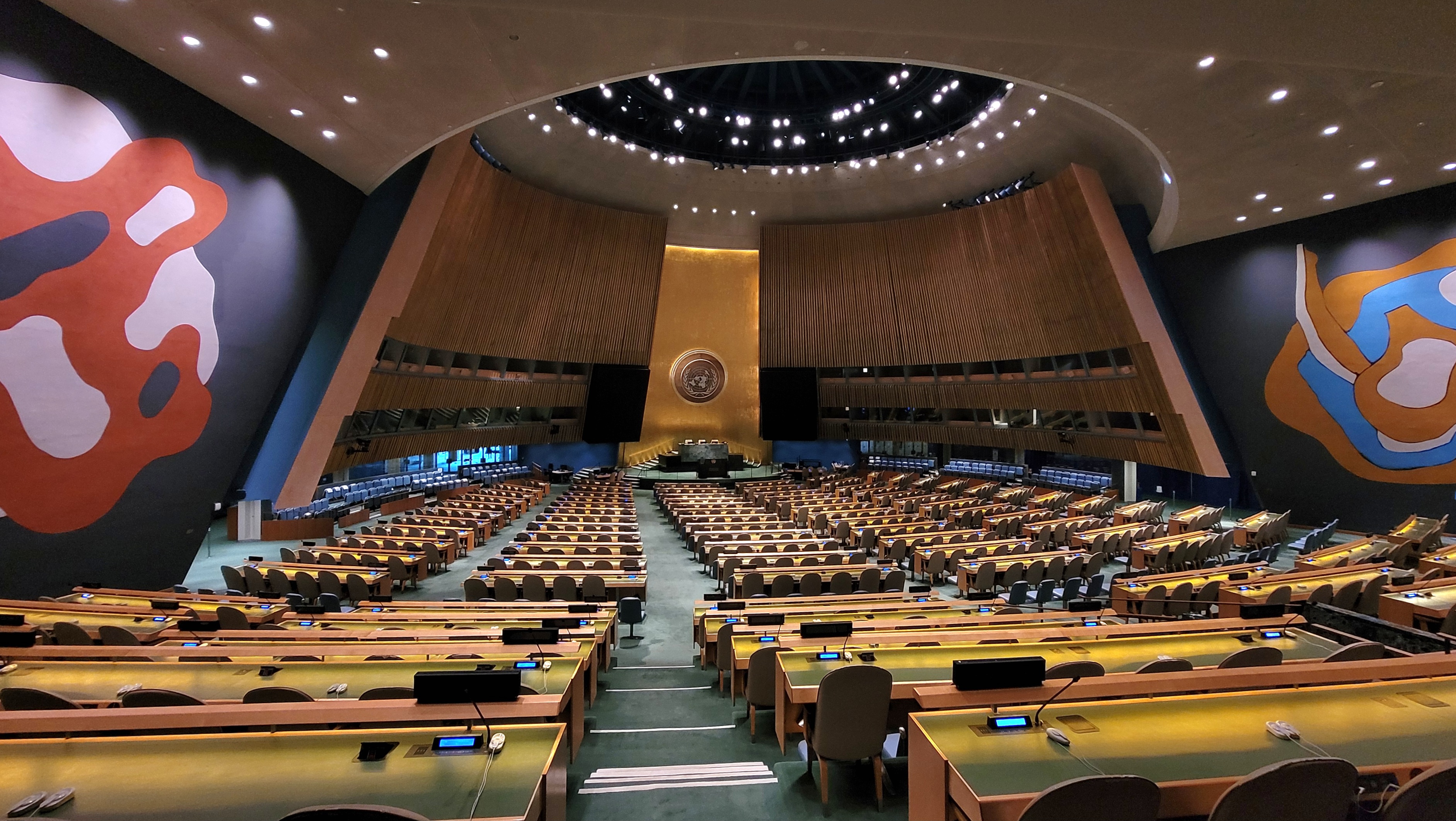
The reported offer comes as both presidents converge on New York for the high-level week, which began on Tuesday. Pezeshkian left Tehran on Tuesday morning and is scheduled to address the assembly on Wednesday; Trump was due to address the gathering on Tuesday and to meet leaders of the six Gulf Cooperation Council states, who are keen to restore shipping but wary of giving Iran too much power.
Qatar, which alongside Pakistan has acted as a channel between Washington and Tehran, said its mediators were exchanging proposals and trying to secure even a short-term agreement that could reopen negotiations. Spokesperson Majed al-Ansari said Doha had received assurances from US officials that Washington wanted an agreement. French President Emmanuel Macron, after meeting Trump on Monday, said the two leaders had discussed ways of reopening the strait, and a French source said Paris was working on a UN Security Council resolution guaranteeing freedom of navigation.
Washington showed no sign of easing economic pressure while those contacts continued. Treasury Secretary Scott Bessent said Iranian airlines would effectively be shut out of international operations from 23 September by threatening sanctions against airports and companies that provide fuel, landing services or ticket sales. The pressure has broad regional effects: Iraqi Prime Minister Ali al-Zaidi said Iraq had lost about $60 billion in revenue since the war began.
What it means for Pakistan
The Hormuz question is directly material to Pakistan’s economy. The strait’s closure has contributed to global fuel prices that Pakistan imports in full, and Pakistan has spent months mediating between Washington and Tehran. Interior Minister Mohsin Naqvi arrived in Tehran on Monday at the head of a delegation — his sixth visit since the war began — and was received by President Pezeshkian, who said US pressure had contributed to closer ties between Islamic countries. Al Jazeera reported that Qatar was working to facilitate an agreement between Tehran and Washington “in coordination with Pakistan”.
Pakistan’s mediation has a longer arc: Islamabad brokered the April ceasefire that led to the Islamabad Memorandum of Understanding signed in June, and has repeatedly shuttled between the two capitals, most recently with another planned high-level delegation to Tehran. Any easing of the Hormuz crisis would relieve the oil-price pressure that has shaped Pakistani fiscal policy this year, while a collapse of the offer would extend the energy shock — the KSE-100’s July plunge, when Washington reinstated the blockade, showed how directly the conflict reaches Pakistani markets, as KhabarWire reported.
What is still uncertain
The seven-day offer rests on a single senior Iranian official speaking to Reuters and, independently, to Kyodo News; it has not been confirmed in a formal Iranian government statement, and the US has not publicly responded. Washington has previously insisted on guarantees about Iran’s nuclear programme and freedom of navigation, and Treasury’s plan to ground Iranian airlines from 23 September points to continued maximum pressure rather than an immediate easing.
Several questions remain open: whether the US takes the “initial steps” Iran says it needs; whether the proposal is a genuine opening or a positioning move; how the Gulf states, which host US bases that have come under repeated Iranian attack, respond; and whether shipping — far below pre-war levels — can recover quickly even if a deal is reached. A tanker was struck by a projectile in the strait on Monday, and Iran’s Revolutionary Guards said they downed a US drone over the waterway, underscoring how fragile any reopening would be.
Why it matters
The reported offer is the first public signal since the June memorandum’s collapse that Tehran might attach a concrete timeline to reopening the strait, and it comes at the one moment both presidents are in the same city. If taken up, it could begin to reverse the oil-price shock and shipping disruption that have shaped the global economy and Pakistan’s import bill for seven months; if ignored, it leaves the region no closer to reopening the world’s most important oil chokepoint. For readers, the key question is whether Washington treats the proposal as a basis for negotiation — and what that means for the fuel prices Pakistan’s budget depends on.
Sources & reporting notes
This is a synthesis of published reporting, not eyewitness reporting. Sources were reviewed on 22 September 2026. The seven-day reopening offer rests on statements by a senior Iranian official reported by Reuters and Kyodo News and has not been independently confirmed by either government.
- Reuters — Iran ready to reopen Strait of Hormuz if US eases military pressure and lifts blockade22 September 2026 · Primary report of the senior Iranian official's statement and the 16 September delivery via mediators.
- Kyodo News — Iran offers to reopen Hormuz strait within 7 days in push for diplomacy22 September 2026 · Independent report of the same offer and the Khamenei and Supreme National Security Council approval.
- Al Jazeera English — Iran's Pezeshkian meets Pakistan's Naqvi in Tehran as tensions with US rise22 September 2026 · Naqvi's sixth visit, Qatar-Pakistan coordination, Rezaei's seven conditions and the tanker incident.
- Reuters (via ThePrint) — Iran, US hint at revival of talks as Trump, Pezeshkian due to attend UN22 September 2026 · Signals on reviving negotiations and the Gulf meeting with Trump.
- Associated Press (via WTOP) — Trump returns to UN at a moment of anxiety about Iran22 September 2026 · Hormuz shipping and oil-price data, the Gulf meeting and Qatar's mediation effort.
- RFI — Macron presses Trump on Hormuz and Ukraine as oil prices surge22 September 2026 · France's push on reopening the strait and the draft UN Security Council resolution.
.jpg)