Reporting snapshot · 31 October 2026 (Asia/Karachi). The spokesman described eligibility in principle, not an accession decision. No Iranian application, timetable or accession procedure has been published, the three signatory governments have not set out membership terms, and what Pakistan would do militarily under the pact — including in Yemen — remains undefined.
What the army spokesman said
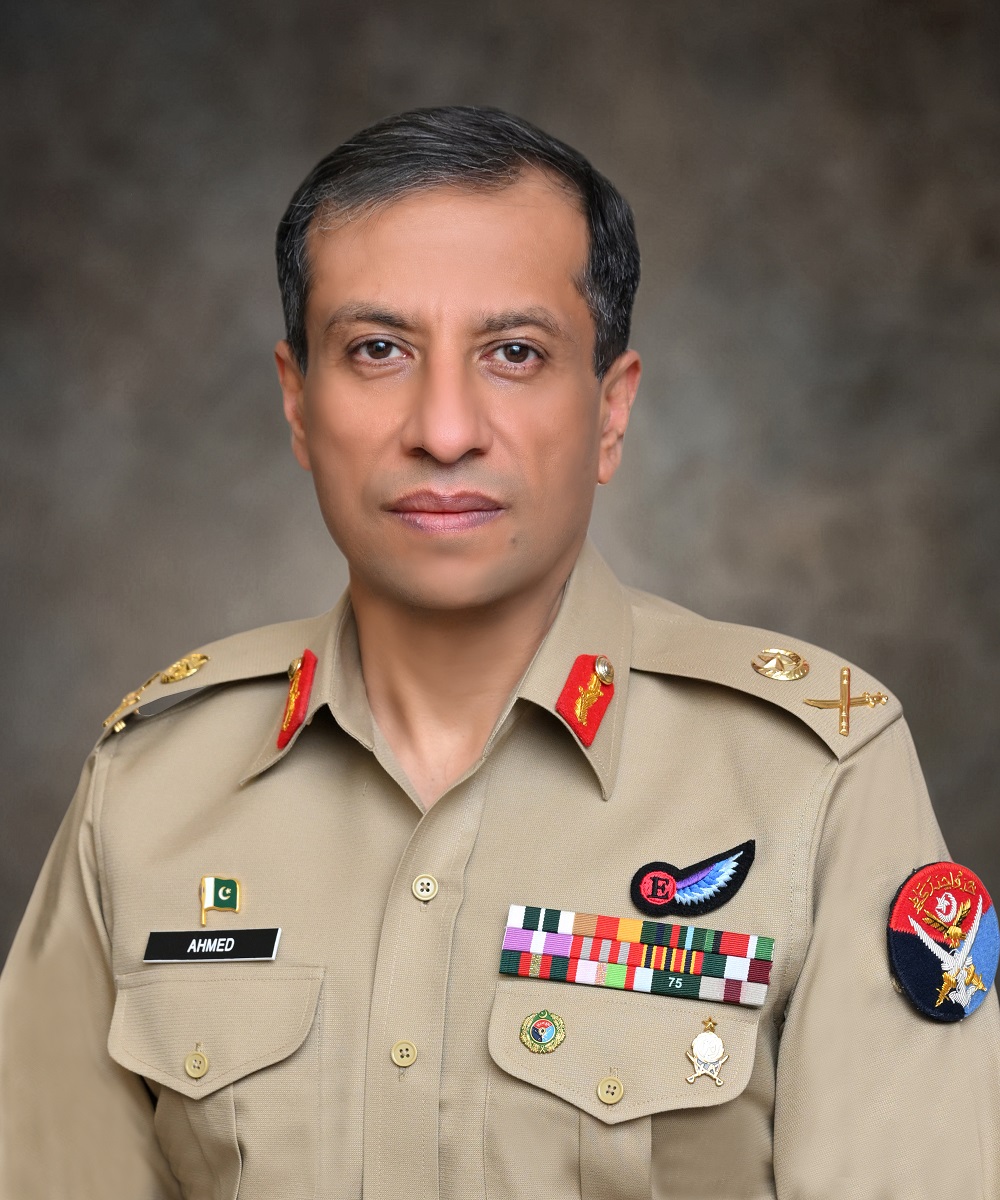
Pakistan’s military spokesman said on Friday, 30 October, that the Makkah Joint Defence Agreement does not bar new members and that Iran would be welcome to join, in his first interview since Pakistani, Saudi and Turkish officials met Iran’s security leadership in Tehran. Lieutenant General Ahmed Sharif Chaudhry, director general of Inter-Services Public Relations, spoke to Reuters in Rawalpindi, the garrison city where the army is headquartered, in an interview published by Dawn and carried by The Express Tribune.
Asked whether Iran could join the pact signed by Pakistan, Saudi Arabia and Türkiye on 7 August, the spokesman said its wording placed no bar on new members. “Anyone who has a shared vision of collective deterrence and regional peace, why not? Everyone is most welcome,” he said, adding that the decision rested with the political leadership of the three principal parties. Geo News reported the same remarks.
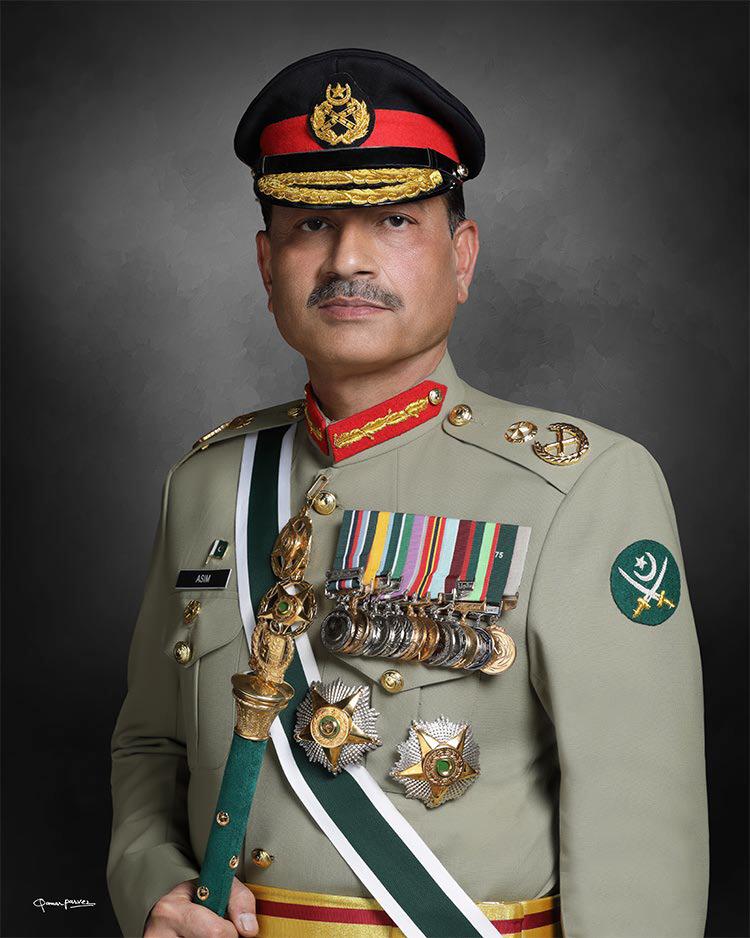
The interview was dominated by Pakistan’s mediation between Iran and the United States, now in its eighth month of war. Field Marshal Asim Munir, the chief of defence forces and chief of army staff, has travelled to Tehran twice this month, most recently on Monday, 26 October, alongside Saudi Defence Minister Prince Khalid bin Salman and Turkish intelligence chief Ibrahim Kalin. Asked whether those trips were a positive sign, Chaudhry replied: “Why would the Field Marshal be going twice if it is not for some positivity? So yes, of course.”
He described the army’s assessment as “cautiously optimistic” and said “powerful spoilers and detractors” still believed the conflict served their interests, without naming them. He declined to say what was discussed in Tehran or whether Washington had backed the trip.
Why Iran’s eligibility matters
The Makkah agreement is written as a collective-defence commitment: an armed attack on one signatory is treated as an attack on all three. Pakistan’s public position has moved in stages. On 10 September the Foreign Office described the pact as purely defensive and said expansion was not on the table, as KhabarWire reported at the time. Three weeks later, Deputy Prime Minister and Foreign Minister Ishaq Dar said more than six countries had expressed interest in joining and named the alliance’s first secretary general, retired Lieutenant General Nauman Mahmood, KhabarWire reported.
The Tehran session on 26 October was the first high-level contact between Iran and all three pact members since Saudi Arabia was drawn deeper into the war, as KhabarWire reported, and it is tracked in our Makkah Defence Pact hub. After the talks, Mohsen Rezaei, secretary of Iran’s Supreme National Security Council, said regional security should be guaranteed by regional countries without foreign intervention, and described the discussions as positive, according to Geo News.
Chaudhry’s remarks go further than the Foreign Office’s September formulation by naming no obstacle to Iranian membership and describing the pact’s text as open. They stop short of an invitation with terms. The spokesman framed accession as a political question for Islamabad, Riyadh and Ankara rather than a military one, which leaves the decision — and any Iranian request — outside the army’s remit.
For Pakistan the question is delicate. Iran is the neighbour Pakistan has been trying to bring into a regional security conversation, and it is also the state at the centre of the war Pakistan is mediating. Welcoming Iran into a pact whose members are committed to Saudi Arabia’s defence would change the alliance’s purpose from a Gulf security guarantee into a broader regional arrangement, if the three governments ever pursued it.
Saudi defence, Yemen and the home front
The spokesman restated Pakistan’s commitment to defending Saudi Arabia and the holy sites of Makkah and Madina. Asked whether more Pakistani troops would be sent to the kingdom under the agreement, he said any deployment would depend on the situation and on a decision by both countries’ political leadership. He did not give numbers or a timeline.
He also drew a line at Yemen. “We are not part of the Yemeni conflict, which is an intra-Yemen conflict,” he said, even as Houthi attacks on Saudi territory have continued and fighting between the kingdom and the Houthis has been reignited by the wider war, as Reuters reported. The distinction matters because Pakistan has promised to defend Saudi territory while refusing to join the campaign in Yemen, and the government has not said how it would reconcile the two if Houthi strikes continue.
On the domestic front, Chaudhry rejected the idea that the emergency imposed in Khyber Pakhtunkhwa on 11 October would lead to larger military-led campaigns. Counter-terrorism, he said, runs through intelligence-based operations, and “the tempo of the freedom of action of those IBOs will further increase.” The provincial government was suspended and Chief Minister Sohail Afridi detained after the federal cabinet accused his administration of failing to tackle militancy, a charge PTI rejects.
What is still uncertain
No Iranian request to join has been reported, and no accession procedure has been published. “Everyone is most welcome” is a statement of principle, not a membership decision, and the three governments have not said what obligations a new member would take on or whether the pact’s mutual-defence clause would apply to a state fighting the United States.
It is also unclear whether the Foreign Office shares the spokesman’s reading. It has not commented since the interview, and its September position that expansion was not under discussion has not been formally withdrawn.
The mediation track remains opaque. Chaudhry would not describe what was discussed in Tehran or whether Washington supported the delegation, and neither the US nor Iran has confirmed a new round of talks. His “cautiously optimistic” formulation is the army’s characterisation of its own diplomacy, not a reported breakthrough.
Finally, the membership question is entangled with the war itself. The Houthis are Iran-aligned, and they are the force Pakistan has pledged to help Saudi Arabia deter. Whether the three governments want a pact that includes both Saudi Arabia and Iran — and what that would mean for the mutual-defence clause — is the question Chaudhry’s remarks opened without answering.