What happened
Pakistan’s Foreign Office said on Saturday 28 February 2026 that it “regrets the breakdown of talks and outbreak of hostilities in the Middle East” and condemned “the unwarranted attacks against the Islamic Republic of Iran”, after the United States and Israel launched strikes on Iran that triggered Iranian retaliation against several Gulf states. In a statement, the ministry said the strikes came “at a time when diplomatic efforts were underway to reach a peaceful and negotiated solution” and would “undermine the peace and stability of the entire region, with far reaching consequences”.
Pakistan also “strongly condemned” Iranian attacks on Saudi Arabia, Bahrain, Jordan, Kuwait, Qatar and the United Arab Emirates, describing them as “blatant violations of the sovereignty of the brotherly Gulf states”, and confirmed that a Pakistani national was killed in the attack on the UAE. The Foreign Office issued a travel advisory urging nationals to avoid all non-mandatory travel to Iran, and telling those already there to “exercise caution, remain vigilant, minimise non-essential travel, and stay in regular contact with the Pakistani Missions”.
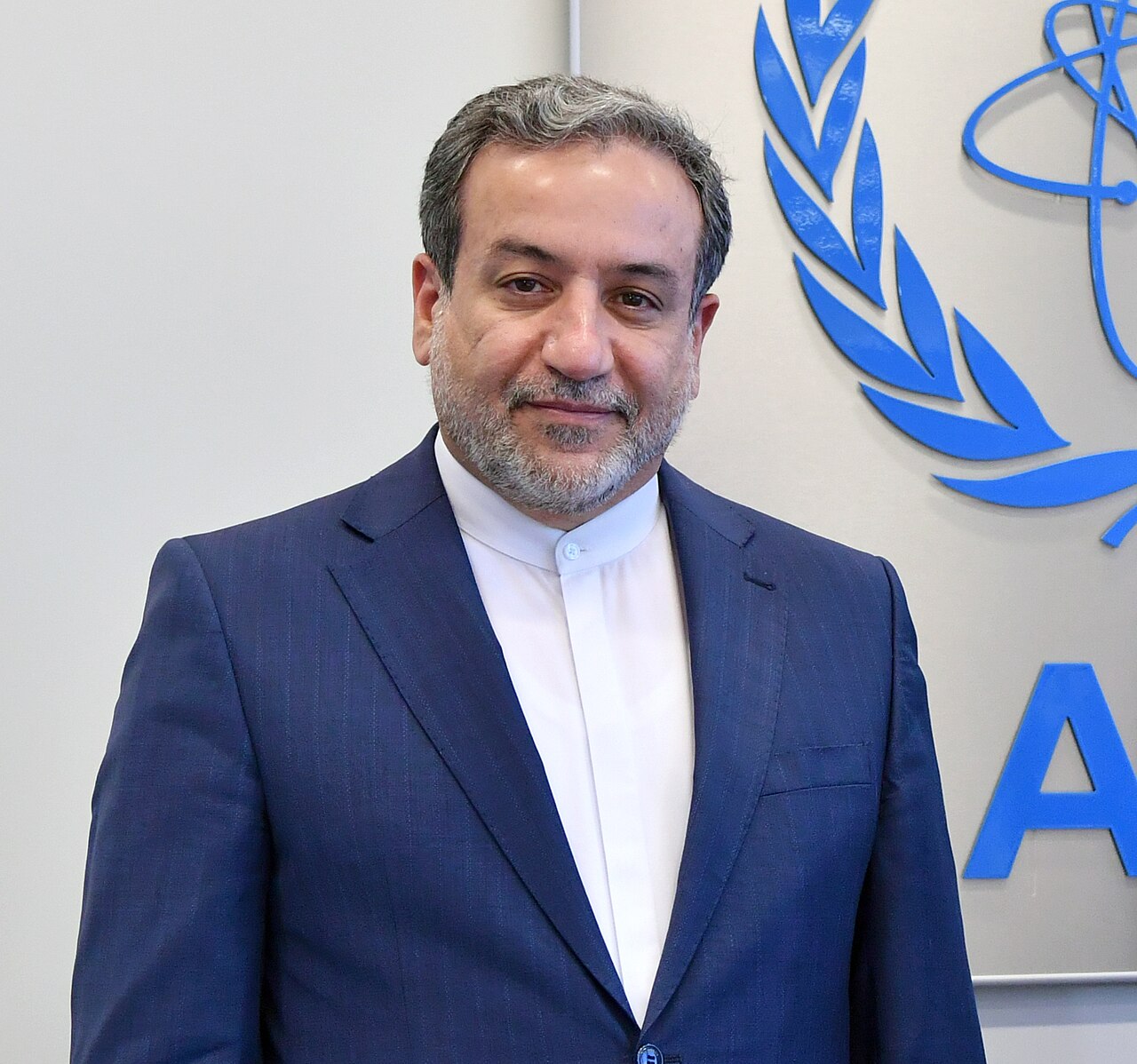
Prime Minister Shehbaz Sharif spoke by telephone with Saudi Crown Prince Mohammed bin Salman, UAE President Sheikh Mohamed bin Zayed Al Nahyan and Qatari Emir Sheikh Tamim bin Hamad Al Thani, expressing solidarity with the Gulf states and Pakistan’s readiness to “play a constructive role” for peace. Deputy Prime Minister and Foreign Minister Ishaq Dar, who received a call from Iranian Foreign Minister Abbas Araghchi, condemned the strikes on Iran and called for an “urgent resumption of diplomacy to achieve a peaceful, negotiated resolution”.
Why it matters
The escalation placed Pakistan between its ties to neighbouring Iran and its close Gulf partnerships during Ramadan, and came as Islamabad was managing its military confrontation with Afghanistan. Pakistan’s air force and integrated air-defence units were placed on high alert, surveillance over Pakistani airspace was heightened, and the Civil Aviation Authority and air traffic control were directed to exercise “extreme vigilance” along corridors bordering Iranian and Afghan territory. Earlier in February, Pakistan and Iran had reaffirmed their commitment to expand trade at talks in AlUla, and Prime Minister Shehbaz Sharif had made a two-day official visit to Doha.
PIA suspended flights to the UAE, Bahrain, Doha and Kuwait until the following evening “or until the restoration of airspace, whichever comes later”, while services to Saudi Arabia were rerouted along longer paths using Boeing 777 aircraft. The measures illustrated the immediate practical impact of the Middle East war on Pakistani travellers and on the country’s air links to the Gulf, home to a large Pakistani diaspora and a major source of remittances.
What is still uncertain
The scale and duration of the confrontation remained unclear, and the casualty and damage claims of the parties involved could not be independently verified. Pakistan’s appeal for “maximum restraint” and its offer of a constructive role left open whether it would join mediation efforts, while the safety of Pakistanis in Iran and the Gulf remained the government’s stated priority. The Foreign Office said it would “continue to support all efforts for peace and stability in the region”.