Reporting snapshot · 26 October 2026 (Asia/Karachi). The Tehran session was under way as this was written. No joint statement, agreed text or joint communiqué had been issued, and Pakistan's own account of the meeting's purpose remained deliberately narrow. The participants and the agenda set out by Tehran are confirmed; what the meeting produces is not.
What happened in Tehran on 26 October
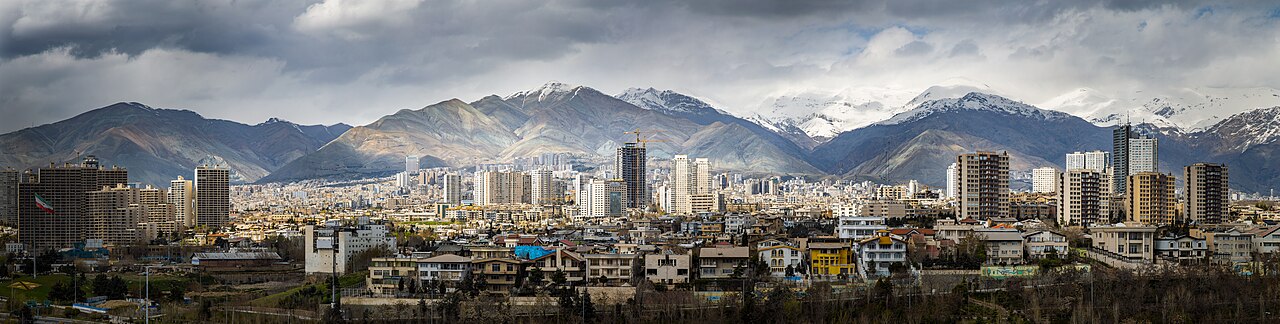
Delegations from Saudi Arabia, Pakistan and Türkiye arrived in Tehran on Monday, 26 October, for the first direct contact between Iran and the whole of the Makkah Joint Defence Agreement, the trilateral pact the three states signed on 7 August 2026 and which we follow in our Makkah Defence Pact hub.
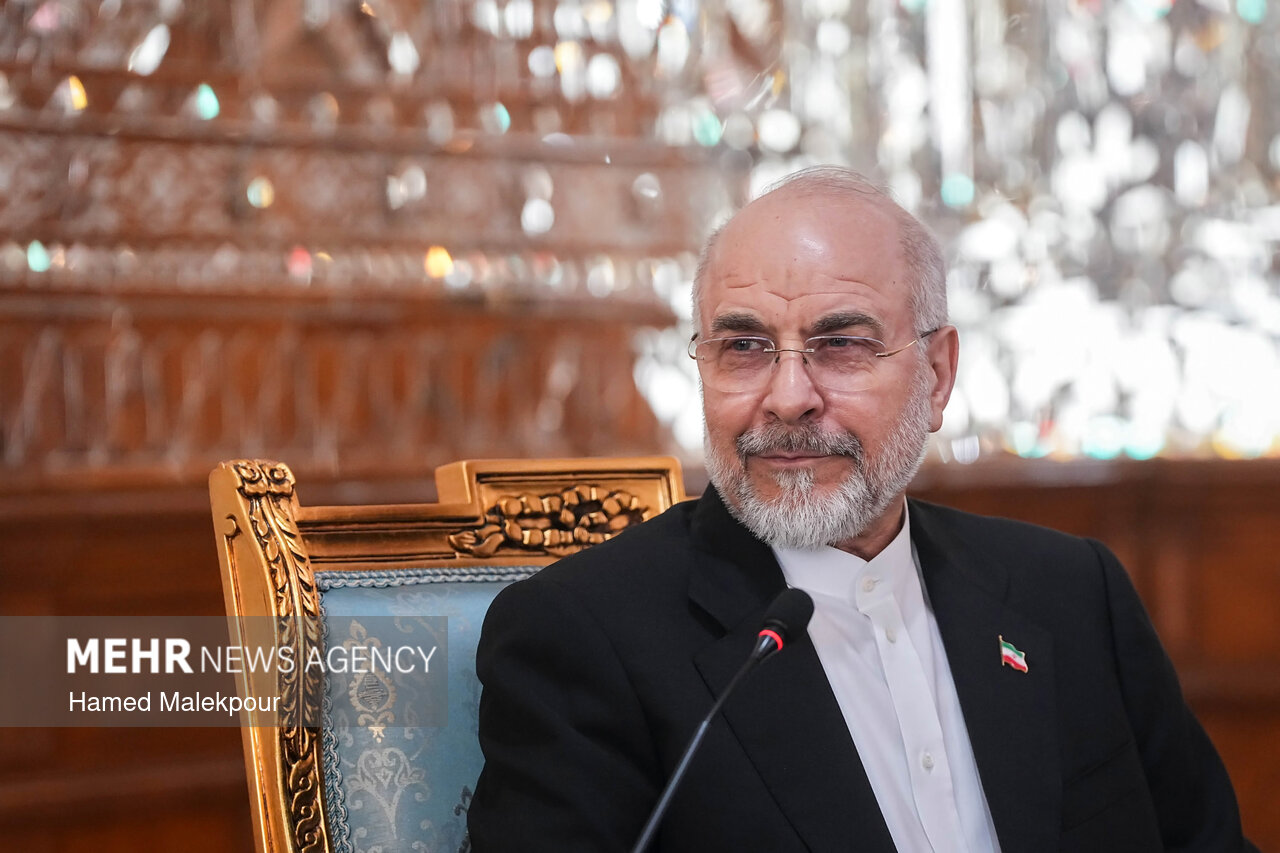
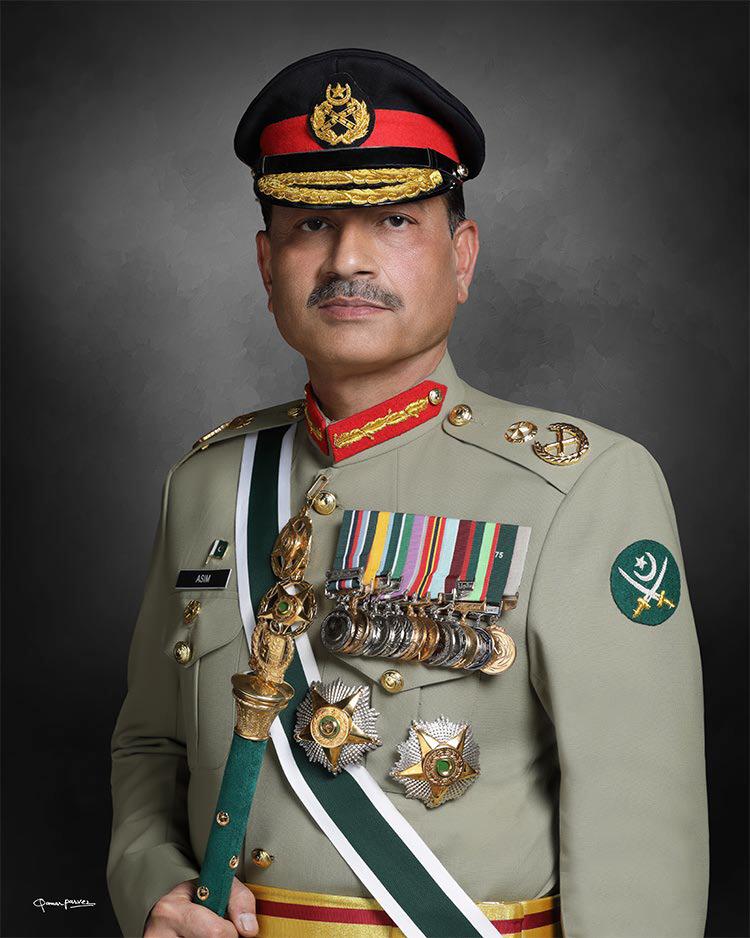
Saudi Arabia is represented by Defence Minister Prince Khalid bin Salman, Pakistan by Chief of Defence Forces and Chief of Army Staff Field Marshal Asim Munir, and Türkiye by intelligence chief Ibrahim Kalin, Reuters reported. The Iranian side is led by Mohsen Rezaei, secretary of the Supreme National Security Council, Al Jazeera reported.
Ali Bagheri Kani, deputy secretary of that council, told state television that the three officials would “attend a joint meeting during their trip to Tehran” for consultations with the council on regional security, AFP reported. Reuters described the session as the first high-level contact between Iran and every member of the three-nation bloc since Saudi Arabia was drawn deeper into the war.
For Pakistan this is the first time its army chief has sat with Iranian counterparts in a four-country session under the defence pact, rather than through the separate mediation channel that produced the Islamabad memorandum of understanding. Our 21 October report followed Munir’s previous Tehran visit, when he announced a border reopening and pressed Tehran to resume negotiations with Washington.
What Tehran said the meeting is for
Iran’s foreign ministry spokesman Esmaeil Baghaei said at a Monday press briefing that the four-country meeting was proposed by the army chief and that Tehran agreed after Field Marshal Munir raised it, Anadolu Agency reported.
Baghaei set out the agenda in unusually direct terms. It would cover “Israel’s expansionist policies, developments in the occupied Palestinian territories, and the areas surrounding Lebanon”, and could not take place without considering “the implications of the US military aggression against Iran for security across the region”. He said the meeting could pave the way for steps towards an “indigenous security framework” built on the interests and priorities of regional states.
That vocabulary belongs to Tehran. Pakistan’s own account has been deliberately thin: the Inter-Services Public Relations said on Monday only that Field Marshal Munir “is visiting Tehran, Iran for an official visit”, Reuters reported. On the Saudi side, Rayed Krimly, deputy minister for public diplomacy, said the visit is part of the pact states’ efforts “for de-escalation between parties involved in the ongoing crisis and promoting dialogue and diplomatic solutions in support of the mediation efforts carried out” by Qatar and Pakistan, Reuters reported.
Why the session is happening now
The talks land in the sharpest phase of the Houthi campaign against Saudi Arabia. AFP reported that fresh explosions rattled Riyadh overnight on Sunday and that the Houthis claimed a new attack on King Khalid International Airport, a facility largely closed since 13 people were killed and more than 300 wounded in an attack earlier this month. The Saudi-led coalition said on Sunday that it had struck missile launchers and storage facilities in Yemen. The Houthis separately claimed strikes on the East-West crude pumping stations, which we covered separately today.
Washington’s posture has hardened at the same time. President Donald Trump said on Friday that the United States “may do another little Epic Fury”, referring to the campaign against Iran that began on 28 February, AFP reported. Israeli Prime Minister Benjamin Netanyahu warned on Sunday that Iran may try to disrupt Tuesday’s parliamentary election and denied any dispute with Israel’s army chief over an undisclosed operation in the war on Iran, The Express Tribune reported.
Iran’s own warnings have been explicit. Iranian security officials told Reuters that Tehran has drawn up detailed plans to hit Gulf undersea cables if the United States and Israel attack again, and that a United States intelligence memo this week warned Iranian plots against American personnel had reached “advanced stages”. The war is now nearly eight months old and has already pulled Saudi Arabia into the middle of it.
Qatar is working the same file. Iran’s foreign ministry spokesman said a Qatari delegation visited Tehran on Sunday, and on Monday told reporters that “our region is in the grip of serious tensions, and neighbouring countries are striving to convey a message and put forward initiatives”, AFP reported.
What this means for Pakistan
The difficulty for Islamabad is that one man is now carrying two files at once. Pakistan is bound to Riyadh: the pact’s first article commits the three states to use “all necessary means” to eliminate threats to one another’s territorial integrity, sovereignty or internationally recognised borders. It is also the country that most needs Tehran not to attack. Andreas Krieg of the London-based consultancy MENA analytica told AFP that Prince Khalid’s presence in Tehran was “hugely significant” and a sign that “there’s a clear effort by the Mecca alliance to signal to Iran that they’re ready to work together to defend the kingdom”. Krieg has also argued that Pakistan’s credibility as a neutral actor is “increasingly compromised by its security commitments to Saudi Arabia”, Al Jazeera reported in October.
Pakistan has drawn a line at the Yemen border. At a briefing on 9 October a Foreign Office spokesman said Pakistani forces “would not cross the border into Yemen to launch attacks against the Houthis”, Al Jazeera reported. At the same time the military’s spokesman, Lt Gen Ahmed Sharif Chaudhry, said that if a negotiated outcome proved impossible the pact’s collective deterrence “will definitely come into play”, as we reported on 19 October.
And on Monday, as the delegations flew to Tehran, Pakistan’s Foreign Office separately condemned “reprehensible” Houthi ballistic missile attacks on 24 October that struck the Makkah and Madinah regions, calling them a “grave violation of Saudi Arabia’s sovereignty and territorial integrity” and a “blatant disregard for the sanctity of Islam’s holiest sites and the safety of civilians”. The statement reaffirmed Islamabad’s “firm commitment to the Makkah alliance” and its support for protecting the two holy mosques, The Express Tribune reported.
What is still uncertain
No joint statement had been published when this was written, so the shape of any agreement is unknown. Tehran’s “indigenous security framework” is an idea on the record rather than a mechanism with terms, and it is unclear whether Saudi Arabia or Türkiye have signed up to that language.
Three further questions are open. First, whether Türkiye’s parliament completes its ratification of the pact, which began last week and is still under way, while Pakistan approved it last week. Second, whether Pakistani forces ever move into Yemen, which the Foreign Office has ruled out but which the pact’s collective-deterrence language leaves open. Third, whether a meeting between the pact and Iran changes the calculation in Washington or Jerusalem at all, since neither is party to it.
Two dates frame the whole sequence. Israel’s parliamentary election is on Tuesday, 27 October, and the United States midterms on 3 November. Washington has tied any renewed strike to the November midterms and Israeli leaders to this week’s election, which is why the timing of this session matters even if its conclusions do not emerge today.