Reporting snapshot · 4 October 2026 (Asia/Karachi). Iran's parliament speaker said on Sunday that the Strait of Hormuz will remain closed until seven conditions in the June Islamabad Memorandum of Understanding are met, as indirect United States-Iran talks stayed stalled and both sides signalled readiness for renewed fighting. The statement was carried by Iranian state-linked media and relayed by international outlets. Washington has not published a response, and Iran has not issued a single numbered list of the seven conditions. This is a dated snapshot of a fast-moving standoff, not a live tracker.
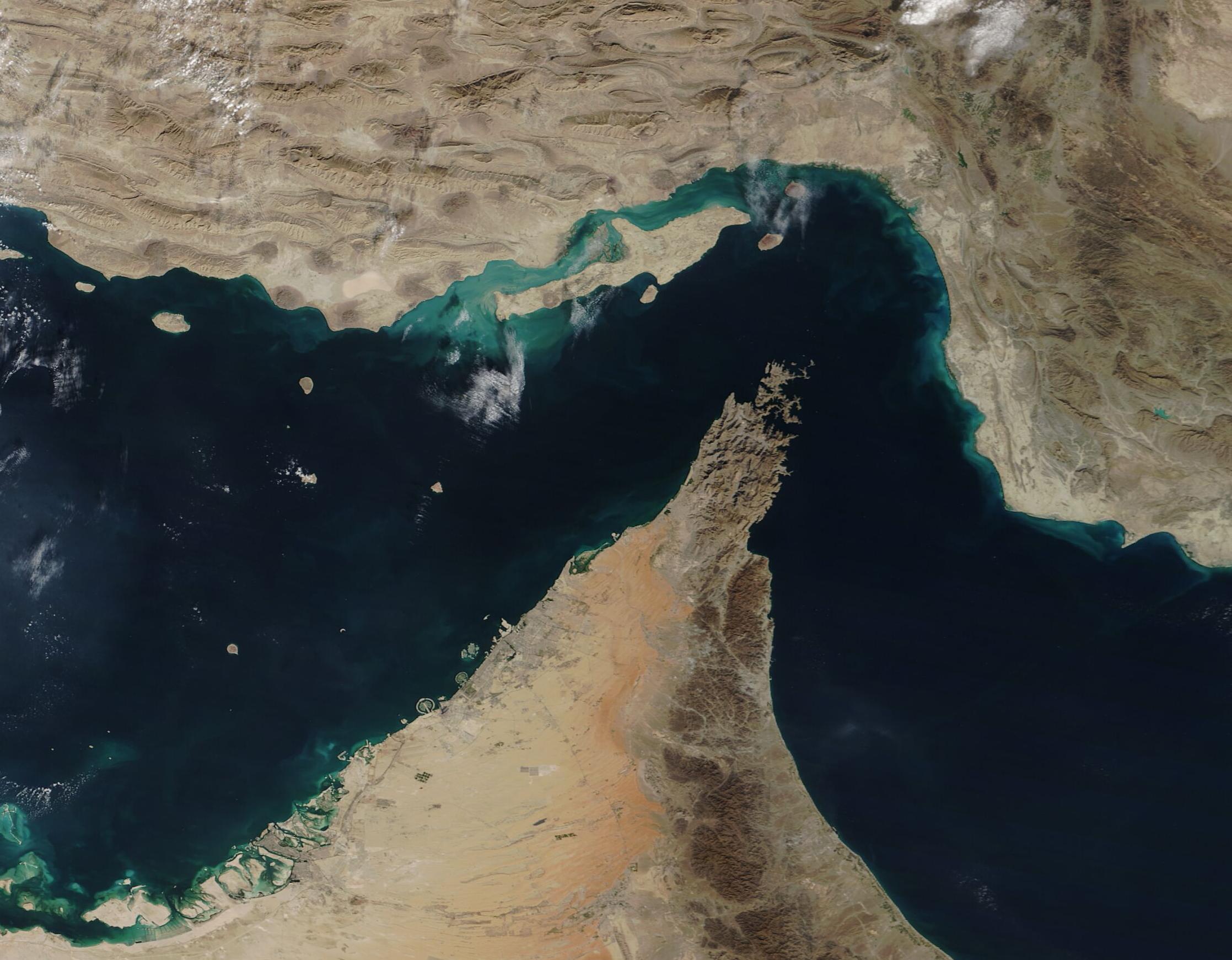
What Iran said on 4 October
Iran’s parliament speaker and lead negotiator, Mohammad Bagher Ghalibaf, said on Sunday that the Strait of Hormuz will not reopen until seven conditions linked to the June Islamabad Memorandum of Understanding (MoU) are met. “Until our seven conditions based on the Islamabad memorandum of understanding are realised, the Strait of Hormuz will not be opened,” Ghalibaf said, according to Al Jazeera’s live coverage of the war. The Express Tribune, citing the Iranian outlet Nournews, carried the same remarks.
Ghalibaf framed the message as an end to equivocation. “The Americans… have recently put forward proposals through a mediator. But they must understand that the period of dragging out the process and dictating one-sided demands is over,” he was quoted as saying. Iran’s position, he added, was “completely clear and firm”.
He also struck a dual-track tone. Iran is, he said, “neither excited nor intimidated” by US actions and is prepared to “both fight and negotiate”, telling parliament that “the person who is victorious at the negotiating table is the one who has prepared himself for war”, The National reported.
Iranian Foreign Minister Abbas Araghchi said separately that there is “no military solution” to the conflict and warned that any renewed confrontation would draw a stronger response. “There is no military solution, nor any solution based on new sanctions,” he said, in remarks reported by AFP and carried by The Express Tribune.
Iran has not published a definitive numbered list of the seven conditions. The demands Tehran has repeatedly stated are an end to the fighting, the lifting of the US naval blockade, the release of frozen Iranian assets and relief from sanctions, according to The National. When the Islamabad MoU was signed electronically on 18 June, the version circulated by Iran committed Washington to begin lifting its blockade on signing and complete the move within 30 days, to withdraw forces from around Iran within 30 days of a final agreement, to provide at least $300 billion for reconstruction and to end sanctions on a mutually agreed timetable. Iran committed to restoring commercial shipping through Hormuz and to keeping its nuclear programme at its current status while talks continue. KhabarWire set out those terms in its report on the signing.
Where the US-Iran talks stand
The public positions have hardened since late September, when US and Iranian negotiators were reported to be exploring a phased arrangement to reopen Hormuz in exchange for lifting the blockade while President Donald Trump was reported to have rejected a seven-day Iranian plan. KhabarWire’s 25 September report on the phased-deal proposal and its 26 September account of the reported rejection described a process that both governments declined to confirm.
Since then, Araghchi held Qatari-mediated talks with US envoys Steve Witkoff and Jared Kushner on the margins of the UN General Assembly without a breakthrough, The National reported. Tehran submitted a proposal under which it would reopen the strait and resume negotiations “if the necessary conditions are met”, and offered to dilute its stockpile of uranium enriched to 60 per cent and hand it to a third party under procedures recognised by the International Atomic Energy Agency.
On the US side, Defence Secretary Pete Hegseth said the blockade of Hormuz remained “ironclad” and that Trump has “options” if Iran continues to “play games” with the waterway, Al Jazeera reported. Trump told reporters that Iran had “virtually given up” any plans to develop a nuclear weapon and claimed oil prices were falling, according to The Express Tribune. Iran has long denied seeking nuclear weapons.
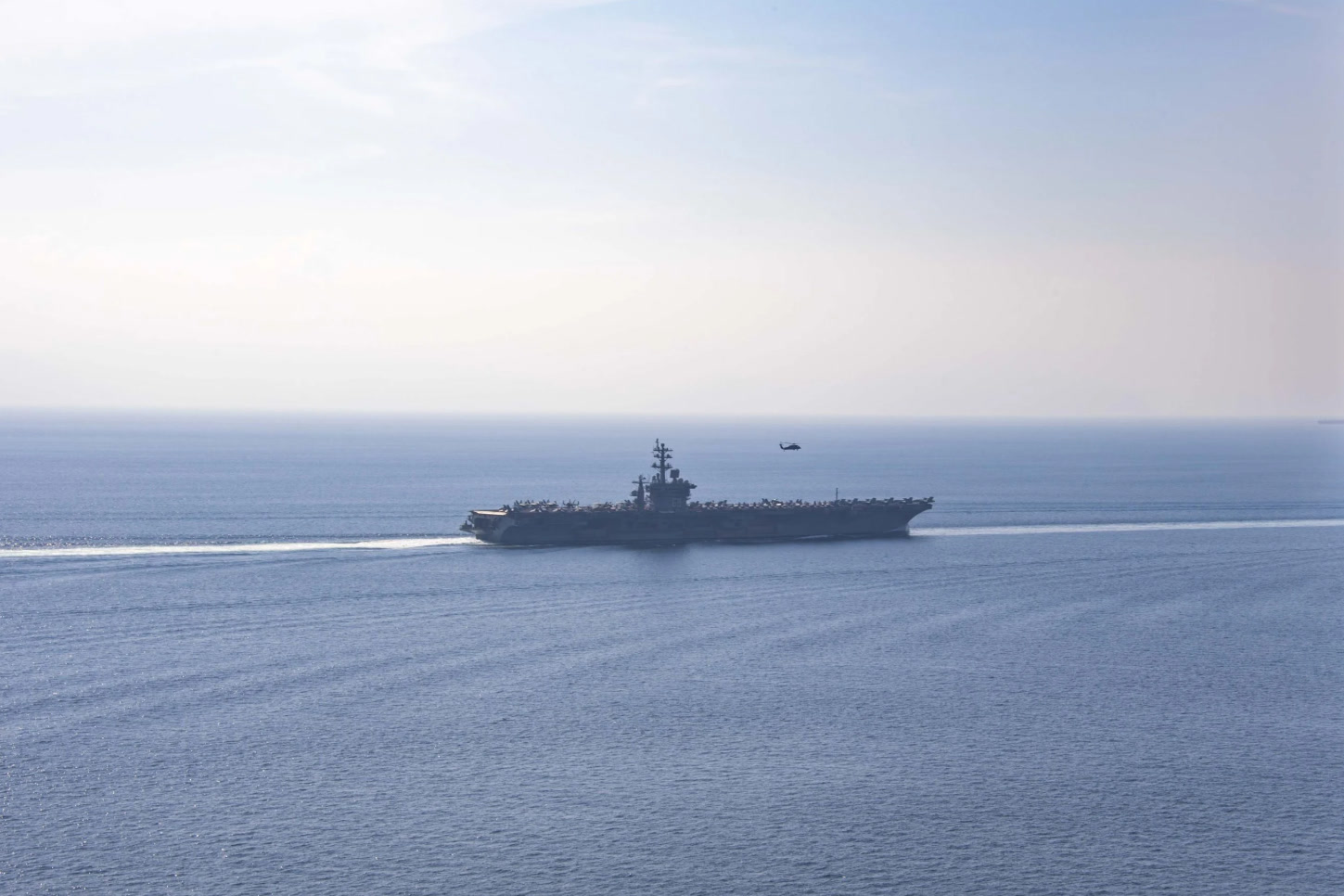
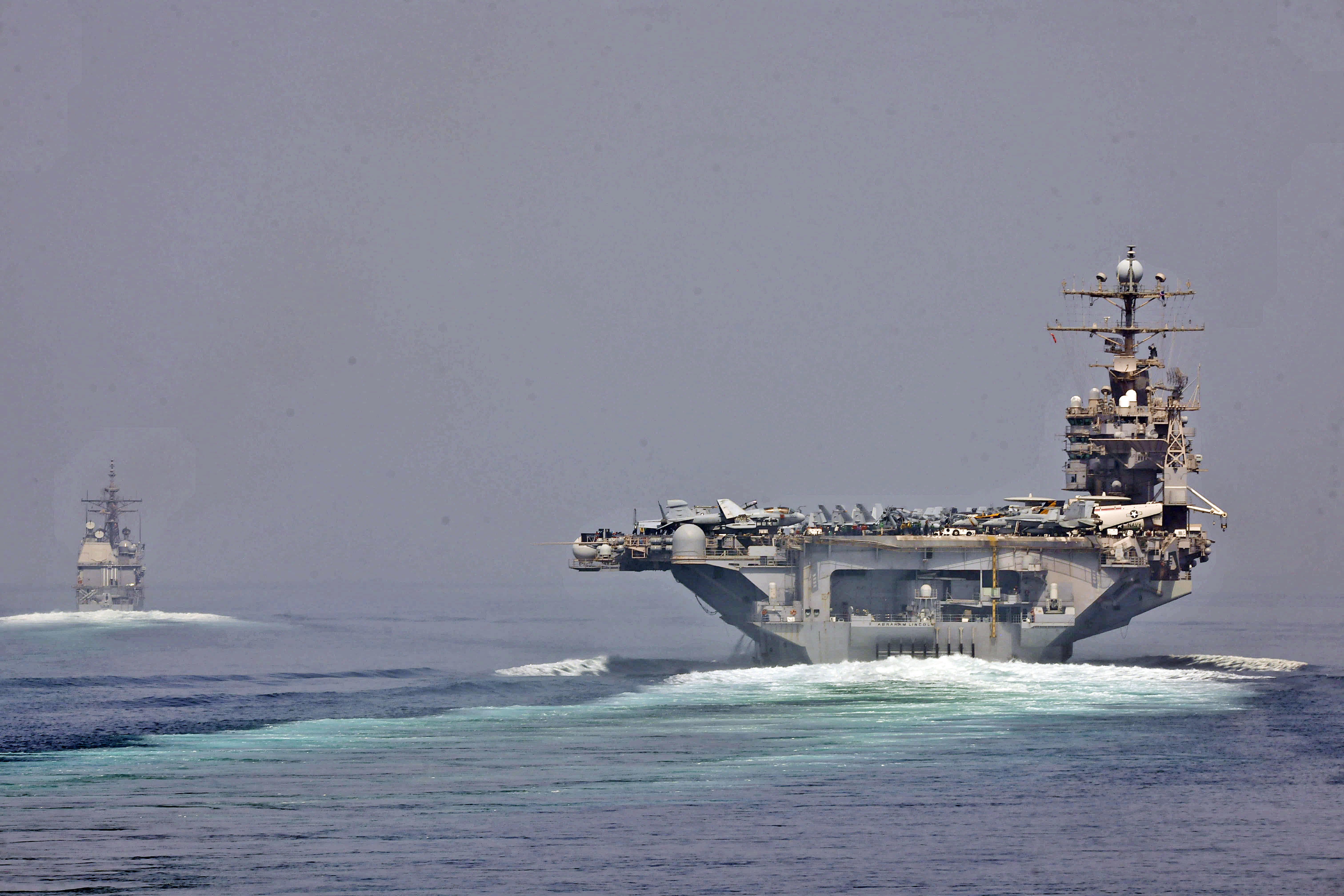
The military signals have continued alongside the diplomacy. Iran’s army plans to train volunteers for “national defence” and has opened a training centre in Tehran for civilians, Al Jazeera reported, citing Iranian media. A source in Tehran told The National that Iran was preparing for a “major round of fighting” and that “assessments in Iran are that the war is resuming”, even as the diplomatic channel stayed technically open. The US aircraft carrier George H. W. Bush arrived off Thailand for a rest stop after months of supporting operations in the Arabian Sea.
Why Hormuz matters for Pakistan
The Strait of Hormuz is the chokepoint through which a large share of the world’s seaborne oil and liquefied natural gas passes. For Pakistan, the stakes are direct: the country depends on the waterway for the overwhelming majority of its oil and LNG imports, and a prolonged closure raises freight, insurance and landed energy costs, feeding into fuel pricing and the electricity bill.
Pakistan also has a stake in the diplomacy itself. It brokered the June Islamabad MoU and has continued to present itself as a mediator between Washington and Tehran, giving Islamabad an unusual degree of influence over an issue that shapes its own energy security. A collapse of the MoU framework would leave Pakistan managing the economic fallout of a conflict it helped to pause, without the benefit of the agreement that paused it.
What is still uncertain
Three things remain unresolved. First, the precise content of the seven conditions: Iran has stated its demands repeatedly but has not published a single numbered list, and the June MoU text circulated publicly is a summary rather than a signed annex. Second, whether Washington will treat the conditions as a basis for negotiation or reject them; the US has not published a formal response, and Trump’s public comments have focused on Iran’s nuclear programme rather than the strait. Third, whether the talks resume at all. The Qatari backchannel remains open, but a Tehran source’s assessment that war is more likely than a deal is a warning that the diplomatic window may be narrowing.
Iran’s conditions and the US blockade are, in effect, mirror demands: each side wants the other to move first on the waterway. Until one does, the strait that carries much of the region’s energy exports, and much of Pakistan’s imports, is likely to stay shut.
Sources & reporting notes
This is a synthesis of published reporting, not eyewitness reporting. Sources were reviewed on 4 October 2026 (Asia/Karachi). Iran's statements were reported through Iranian state-linked media and relayed by international outlets; the full text of the seven conditions has not been published, and the US has not issued a formal response. This is a dated snapshot of a fast-moving situation.
- Al Jazeera — "Iran war live: Hormuz Strait closed until US meets seven agreed conditions"4 October 2026 · Ghalibaf's statement tying Hormuz to the seven conditions, the "wasting time" and "fight and negotiate" remarks, Hegseth's "ironclad" blockade comment and Iran's volunteer-training programme.
- The Express Tribune (Reuters, AFP, Anadolu Agency) — "Iran says Strait of Hormuz will not reopen until Islamabad MoU conditions are met: Nournews"4 October 2026 · Ghalibaf's quotes via Nournews, Araghchi's "no military solution" remarks and sanctions warning, Hegseth's warning, Trump's nuclear and oil comments, and the carrier's arrival off Thailand.
- The National — "Iran says Strait of Hormuz will not reopen until seven conditions are met"4 October 2026 · The seven-conditions framing, Iran's stated demands, the 60 per cent uranium dilution offer, the Qatari-mediated talks and the Tehran source's assessment of renewed fighting.
.jpg)