Reporting snapshot · 26 September 2026. The Wall Street Journal reported on the night of 25-26 September that US President Donald Trump had rejected Iran's seven-day proposal to reopen the Strait of Hormuz and had told aides he expects a renewed bombing campaign against Iran after the November midterm elections. Neither the White House nor any US official has publicly confirmed the report, Iran has not received a formal response, and indirect talks through Qatari mediators are continuing. This is a dated snapshot of a fast-moving negotiation, not a live tracker.
What happened
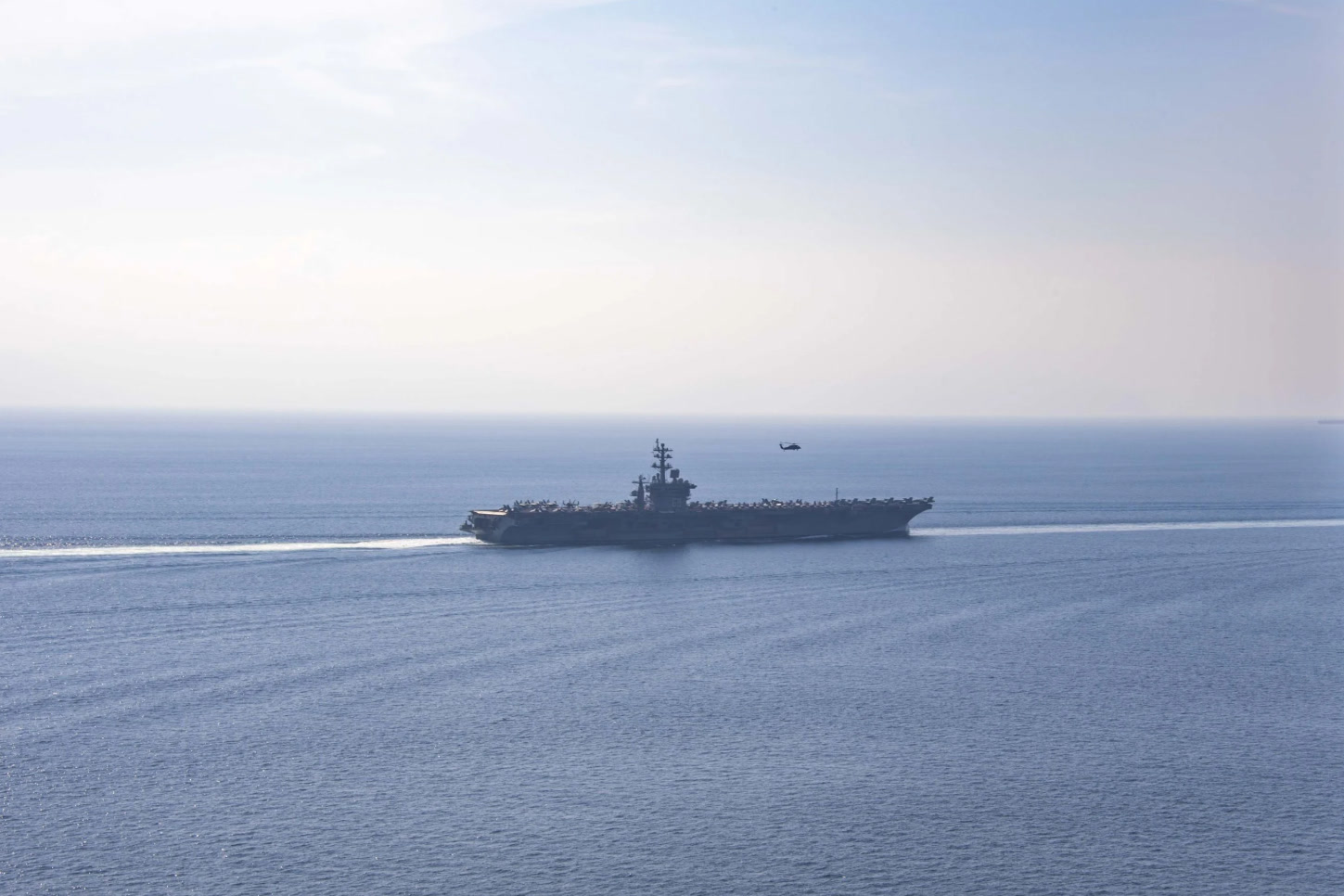
US President Donald Trump has reportedly rejected Iran’s proposal to reopen the Strait of Hormuz within seven days and told his aides he expects American bombing of Iran to resume after the November midterm elections, The Wall Street Journal reported, citing unnamed US officials familiar with his thinking. The account came within hours of Iran’s Foreign Minister, Abbas Araghchi, formally detailing the same proposal at the United Nations on Friday, after Tehran said it had transmitted the plan to Washington through Qatari mediators.
The Journal’s report is the clearest signal yet of the US side’s private posture as the two governments circled each other at the UN General Assembly in New York. It says Trump is privately sceptical that Iran will meet his demands — chiefly that Tehran never acquires a nuclear weapon and that it restores free passage through the waterway — and that he told staff he considers another bombing campaign likely. US officials cautioned that the president’s position could shift, and the White House had not publicly confirmed the account when this snapshot was prepared.
Iran, meanwhile, was waiting on Saturday for an official US response. “The choice now rests with the United States,” Araghchi told reporters outside the UN Security Council on Friday. “If there is seriousness on the US side to come to a deal and reopen the Strait of Hormuz, everything is now prepared.”
What Iran proposed
Iran’s proposal, which officials say closely mirrors the June memorandum that Washington and Tehran signed in Islamabad but condenses the timeline, works on a seven-day clock. Araghchi said the United States would need to lift its naval blockade on Iranian ports, waive sanctions on Iranian oil exports and release frozen Iranian assets — the latter put at roughly $12 billion in reporting from the UN this week — while observing a ceasefire on all fronts, including Lebanon. Once Washington accepted the plan, the initial measures would take four to five days, the strait would reopen on the sixth day, and talks on a final agreement, potentially including Iran’s nuclear programme, would begin on day seven.
The proposal is an accelerated revival of the arrangement Trump himself signed in June, which collapsed within weeks over shipping rules in the strait. Iran’s President, Masoud Pezeshkian, told CBS’s Face the Nation that Tehran was ready for talks on its nuclear programme but would not accept “bullying or coercion”, adding that Iran was “not seeking war, but will defend itself against pressure, threats and attacks”.
Why Washington is holding back
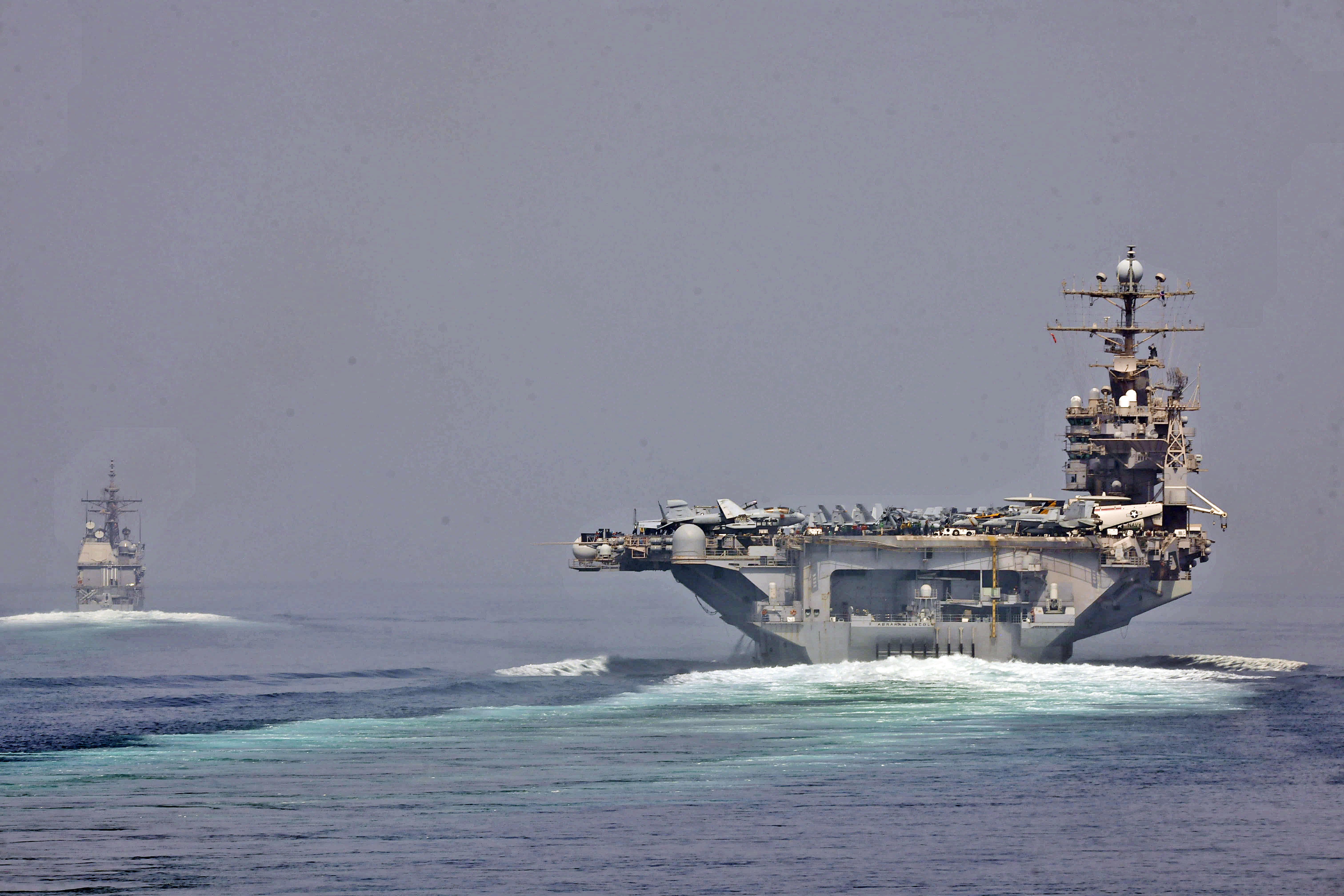
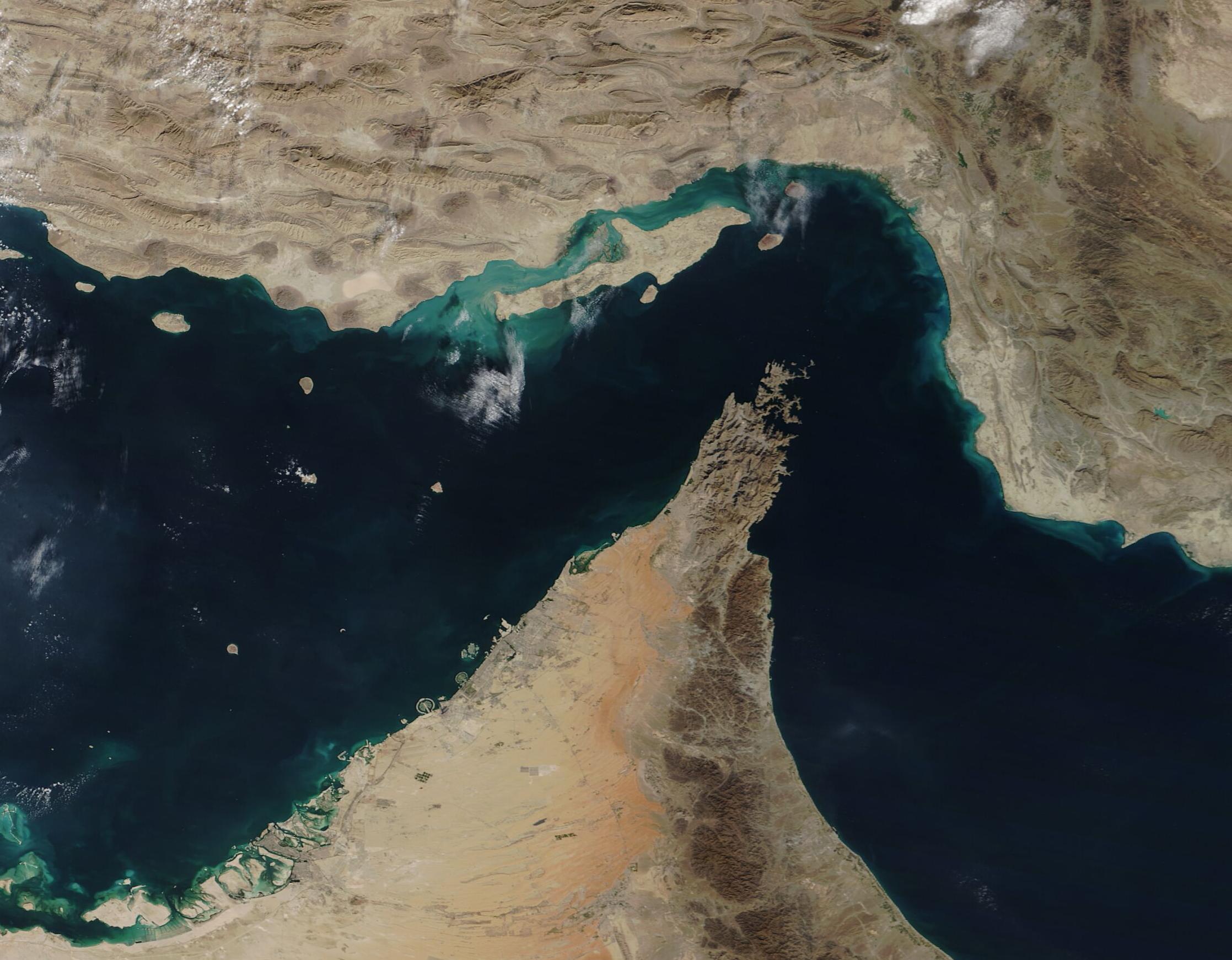
The reported rejection fits a pattern Trump has held since the June memorandum collapsed: that the United States is under no time pressure, that Iran’s economy is being squeezed by sanctions and the naval blockade, and that Tehran will eventually accept terms more favourable to Washington and the Gulf states. A US official told Al Jazeera that Washington was in no hurry to respond and saw itself in a strong position over the strait, which the United States says it has “in total control” of. Late on Friday night, Trump posted a map of the waterway on Truth Social, labelling it the “Trump Strait”.
Officials cited by the Journal also linked the timing to American politics. Trump has told world leaders that the midterms will not determine his Iran policy, saying “I gave absolutely no credence and will not give credence through the election when it comes to Iran.” But the report says he has told Republicans to act as though he is on the ballot, and that he sees a renewed bombing campaign as likely after the vote. Analysts told Al Jazeera that a deal before the elections could ease oil prices and help Republicans, but that Trump “doesn’t want to end the war on unfavourable terms”, leaving renewed hostilities as one plausible path if diplomacy stalls.
Still talking
Despite the reported rejection, neither side has closed the door. A US official said Washington and Tehran were continuing indirect discussions through mediators, including on the nuclear issue, and described the talks as “positive and constructive”. US special envoys Jared Kushner and Steve Witkoff held mediated discussions with Iranian counterparts in New York this week, a meeting Trump described as “very good”.
On the battlefield the conflict remains live. The war began on 28 February with US and Israeli strikes on Iran and has since alternated between pauses and renewed strikes, keeping oil prices elevated. Yemen’s Houthi movement, aligned with Iran, has continued to attack Saudi Arabia: the Saudi-led coalition said early on Saturday that it had intercepted two drones launched towards Riyadh.
What it means for Pakistan
The strait’s status is directly material to Pakistan’s economy. Before the war the waterway carried roughly a fifth of the world’s traded oil and gas, and its closure has helped keep Brent crude above $100 a barrel — around $104 by Friday’s close — feeding directly into Pakistan’s fuel prices, import bill and inflation. Islamabad has acted throughout the conflict as one of the principal mediators between Washington and Tehran, brokering the June memorandum that Iran now wants to revive in accelerated form, and the KSE-100’s July plunge, when Washington reinstated the blockade, showed how directly the conflict reaches Pakistani markets, as KhabarWire reported.
The reported rejection narrows, for now, the diplomatic path Islamabad has championed. Pakistan’s stake was underscored this week when its army chief joined the Saudi and Turkish military chiefs in Riyadh under the Makkah pact, an episode KhabarWire covered separately. If the reported US position holds, the immediate consequence for Pakistan and other energy importers is continued pressure on global prices and shipping insurance rather than the relief of a reopened strait.
What is still uncertain
The single most important unknown is whether the Journal’s account reflects a final US position or a snapshot of Trump’s mood. The report rests on unnamed US officials and has not been confirmed by the White House; Reuters said it could not immediately verify it. Trump has alternated between diplomacy, strikes and sanctions during the seven-month conflict, and has threatened far broader action than he has taken. The scale and timing of any renewed bombing campaign are also undetermined.
Equally open is whether Iran’s plan was ever a viable basis for talks. Tehran has insisted it will show no flexibility over its nuclear programme even if Washington accepts the reopening timetable, and both governments have publicly presented incompatible versions of why the June memorandum collapsed. Analysts are divided on whether the reported rejection pushes the conflict toward sustained hostilities or is itself a negotiating lever. A formal White House statement, a confirmed Iranian response, or renewed strikes could each change the picture within hours.
Sources & reporting notes
This is a synthesis of published reporting, not eyewitness reporting. Sources were reviewed on 26 September 2026. The account of the reported US rejection rests on The Wall Street Journal's report as carried by Reuters, The Guardian and Al Jazeera, all citing unnamed US officials; the White House has not confirmed it. Iran's seven-day proposal and Araghchi's and Pezeshkian's remarks were reported by Reuters, The Guardian, Al Jazeera, AFP and France 24. Oil-price figures are drawn from market reporting reviewed on the same date.
- Reuters — Iran awaits US move after WSJ report says Trump rejects peace plan26 September 2026 · Primary wire account of the reported rejection, Araghchi's remarks, the seven-day proposal, the US official's "positive and constructive" description of the talks, and the Houthi drone interception.
- The Guardian — Trump reportedly rejects Iran's seven-day peace deal to reopen strait of Hormuz26 September 2026 · Independent reporting of the WSJ account, the terms of Iran's plan, Pezeshkian's Face the Nation interview, and the war's context since 28 February.
- Al Jazeera — Trump 'rejects' Iran's seven-day ceasefire proposal. What's next?26 September 2026 · Independent explainer of the proposal's contents, the US response, the continuing mediated talks, and analyst views on renewed hostilities after the midterms.
- France 24 — Trump reportedly rejects Iran's 7-day plan to reopen Strait of Hormuz26 September 2026 · Independent AFP-sourced account of the rejection report and the terms Araghchi set out at the UN.

_in_the_Strait_of_Hormuz_26_November_2023.png)