Reporting snapshot · 31 October 2026 (Asia/Karachi). No December-to-February fuel charges adjustment figures exist and the regulator has not published its decision on the September adjustment argued on 29 October, so the size of any increase in bills is not yet a number. The winter warning reaches KhabarWire through Power Division sources rather than a published projection, and the RLNG rates OGRA notified on Friday apply from 1 October, so they feed into later adjustment cycles rather than this month's bills.
What changed in the last three days
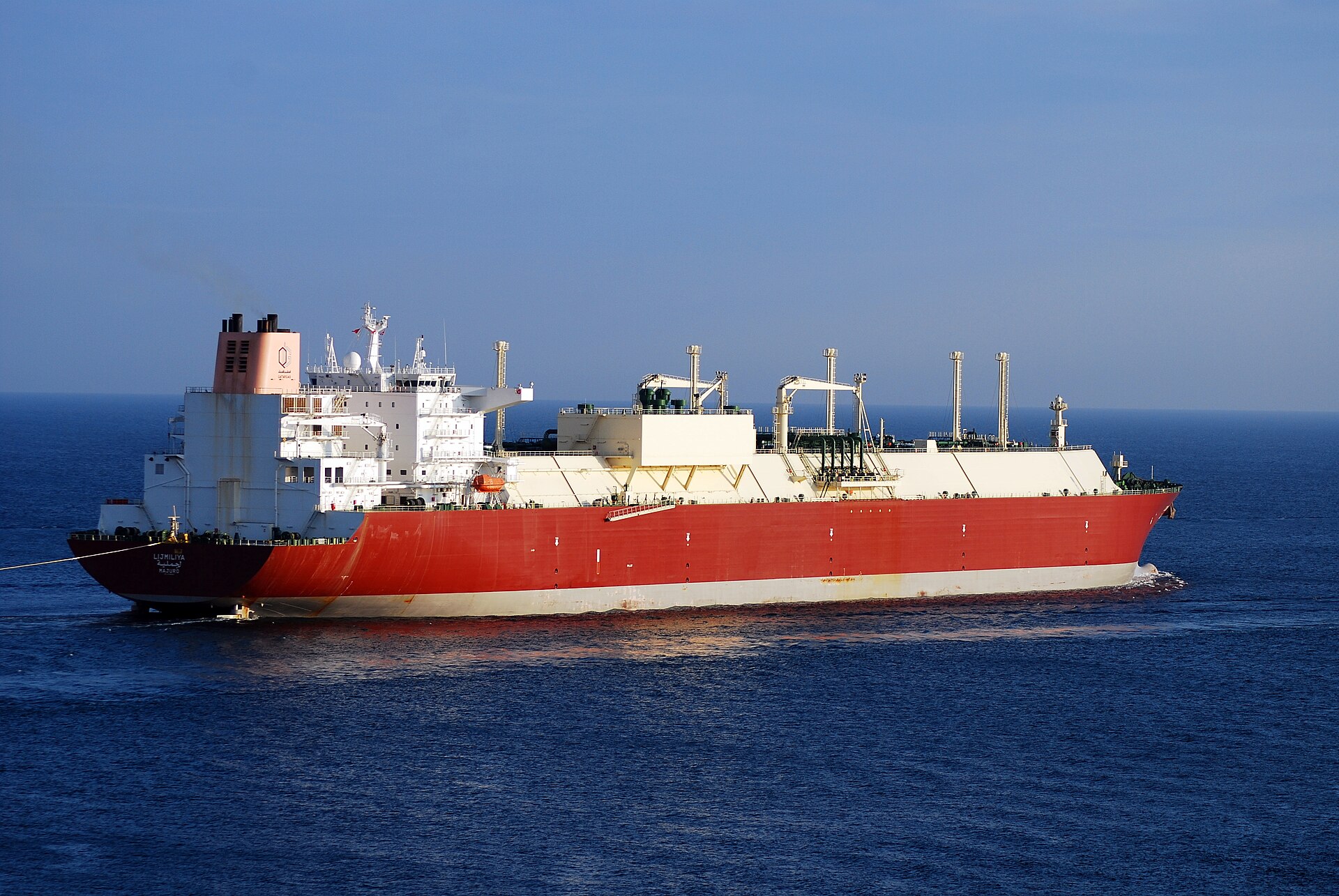
On Friday, the Oil and Gas Regulatory Authority raised the price of regasified liquefied natural gas for October by up to 15.27 per cent, reversing the 20 per cent reduction it had granted for September and pushing the cost of Pakistan’s most expensive power fuel back upward, Dawn reported. The revised rates apply from 1 October and were set on the basis of two LNG cargoes imported by Pakistan State Oil, The Express Tribune said, which added that the increase was attributed mainly to higher crude prices.
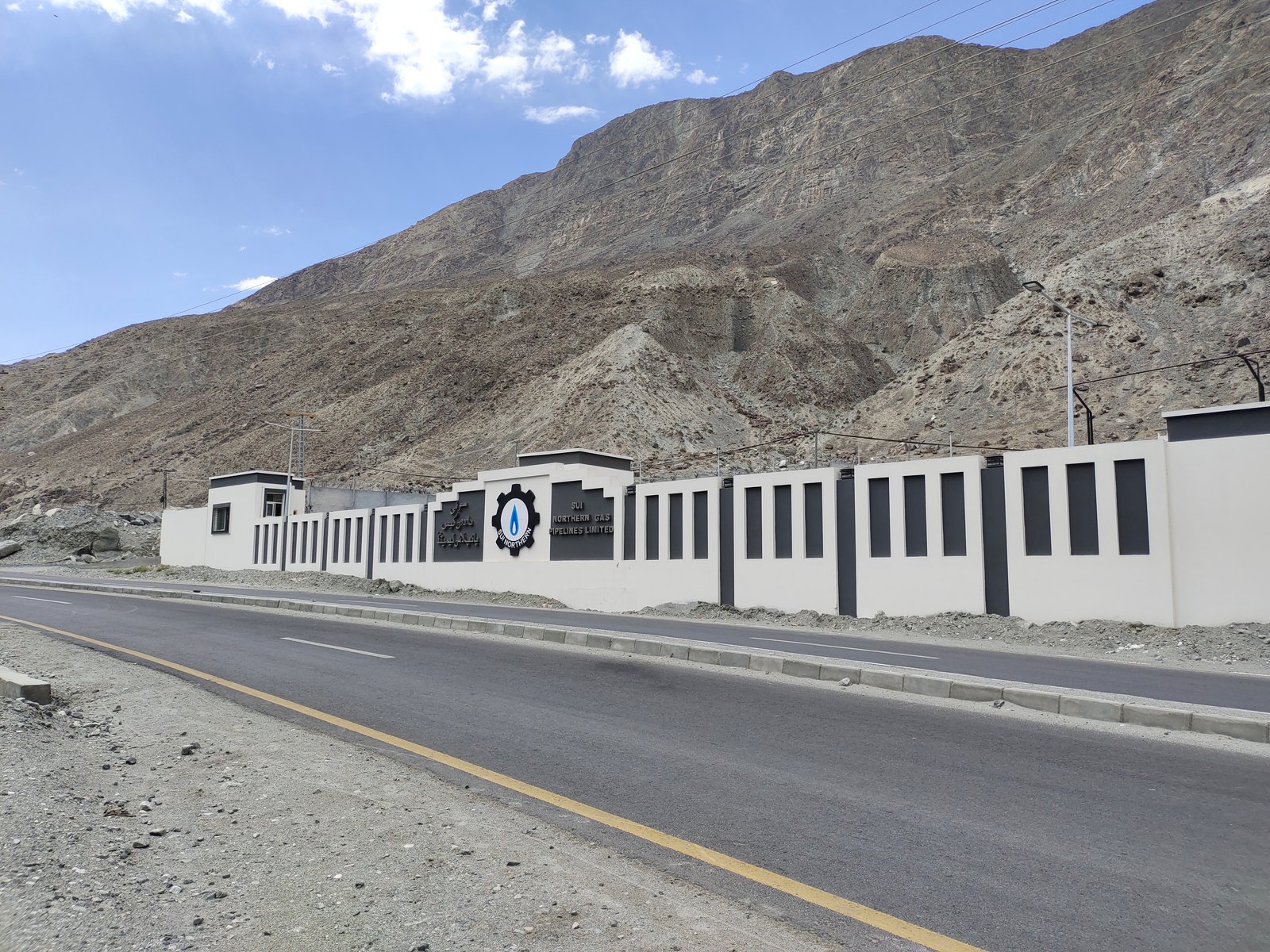
For Sui Northern Gas Pipelines, which supplies Punjab and Khyber Pakhtunkhwa, the transmission-stage price rose 13.89 per cent to $15.9357 per million British thermal units from $13.99, and the distribution-stage price rose 14.01 per cent to $17.3259 from $15.196. Sui Southern Gas Company, which supplies Sindh and Balochistan, saw its transmission price rise 15.25 per cent to $14.5339 and its distribution price rise 15.27 per cent to $16.3959. Both companies are carrying heavier distribution losses than a year ago — 12.55 per cent against about 10.6 per cent for Sui Southern and nearly 9 per cent against 7.47 per cent for Sui Northern — Dawn reported.
The cargo price explains the direction of travel. The average delivered ex-ship price of the two October cargoes was $10.75 per mmBtu, against $10.06 in September, $12.12 in August and $18.96 in July. The same squeeze shows up outside Pakistan: The Guardian reported on Friday that BP’s quarterly profits reached an 18-year high of $8.46bn as the war in the Middle East drove up oil and gas prices.
On Friday the Power Division also warned that December, January and February are likely to be the most difficult months of the year for electricity consumers, with fuel price adjustments potentially increasing two to threefold across the three months and load management also rising, The Express Tribune reported on Saturday. Power Division sources cited in that report said hydropower output is expected to fall in winter, leaving the system more dependent on costlier imported fuels, and that restricted domestic gas supplies could constrain generation further.
How a gas price rise reaches a bill
In Pakistan, the Central Power Purchasing Agency asks the regulator each month for a fuel charges adjustment that passes the cost of the fuel actually burned on to bills. Rehan Akhtar of the CPPA told a NEPRA hearing on 29 October that the actual fuel cost for September was Rs10.022 per unit against a reference rate of Rs7.46, which is why the power companies asked for an additional Rs2.56 per unit to recover about Rs32.76bn. Akhtar said the net increase would not exceed Rs1.45 per unit because the positive adjustment for October expires and is replaced by the proposed one for November, Dawn reported.
Gas is the expensive end of that mix. Dawn noted that RLNG-based generation cost Rs40 per unit in September at an import price of $10.06 per mmBtu, and that the higher October price is expected to have a significant impact on fuel costs for power generation in December.
Supply pressure on gas is not new. Delayed RLNG cargoes cut about 3,600MW of generation in late August and forced extra night-time load management, as KhabarWire reported at the time. The mechanics of the monthly adjustment, including the fuel mix behind the September filing that was heard on 29 October, are set out in KhabarWire’s earlier account of that case.
What the power division and industry want changed
At that same hearing, the power division and the manufacturing sector pressed for the petroleum levy on furnace oil and diesel to be removed or reduced, arguing that levies of about Rs76,000 per tonne on furnace oil and Rs80 per litre on diesel add roughly Rs10 per unit to generation costs. Industrial representatives said removing them could take generation costs from around Rs62 per unit to Rs44-50 per unit, Dawn reported. Officials under the power division said furnace oil and diesel generation accounted for only 3.6 per cent of output in September because LNG and cheaper sources were unavailable.
Industrial representatives also asked for the surplus incremental package to be suspended, saying it adds about Rs11 per unit for grid consumers. Naveed Qaiser, chief financial officer of the Power Planning and Monitoring Company, agreed that the levies have a substantial impact on generation costs, said the power division had been pressing for their removal or reduction at relevant forums, and said tariff reductions of about Rs10 per unit for consumers and up to Rs18 per unit for industry had already been achieved.
The hearing also turned to the quality of the data behind the adjustment. NEPRA and industry representatives questioned CPPA’s generation figures and a previous Rs16bn adjustment made on account of LNG prices, and questioned coal procurement practices at the Port Qasim power plant, demanding an investigation including by the National Accountability Bureau. NEPRA member Amina Ahmed said the regulator was aware of the discrepancies but did not want to turn the proceedings into a “circus”, Dawn reported. The levy itself is already on the negotiating table in a different forum: the government and Jamaat-e-Islami set up a committee on 27 October to prepare proposals for phasing it out, as KhabarWire reported.
What is still uncertain
No December-to-February fuel charges adjustment figures exist, and NEPRA has not published its decision on the Rs2.56 per unit September adjustment argued on 29 October. Until the November and December hearings are decided, the size of any winter increase is not a number.
The winter warning comes from Power Division sources rather than a published projection or a formal announcement, and no official document states what the December adjustment would be. The RLNG rates notified on Friday apply from 1 October, so they reach consumers through the adjustment cycles that follow rather than through October bills.
Hydro conditions, the allocation of domestic gas to power plants and the price of the next LNG cargoes will decide the December numbers, and the continued closure of the Strait of Hormuz since February’s war keeps that risk open. Nothing has been decided on the power division’s demand for a levy cut, on the surplus incremental package, or on the coal procurement questions raised at the hearing.
The file is tracked in KhabarWire’s Pakistan Fuel and Energy hub.