Reporting snapshot · 22 October 2026. The joint Qatar–France text is a public statement, but the terms Iran would accept in exchange for reopening the waterway remain unstated and contested between Tehran and Washington. Transit volumes and attack counts for the Strait are also disputed, so figures below are attributed to the parties reporting them.
What happened
Qatar and France issued a joint statement on Wednesday, 21 October, calling for freedom of navigation in the Strait of Hormuz “without constraints or fees”, according to Al Jazeera. The statement followed a meeting in Doha between Qatar’s emir, Sheikh Tamim bin Hamad Al Thani, and French president Emmanuel Macron during Macron’s Gulf tour.
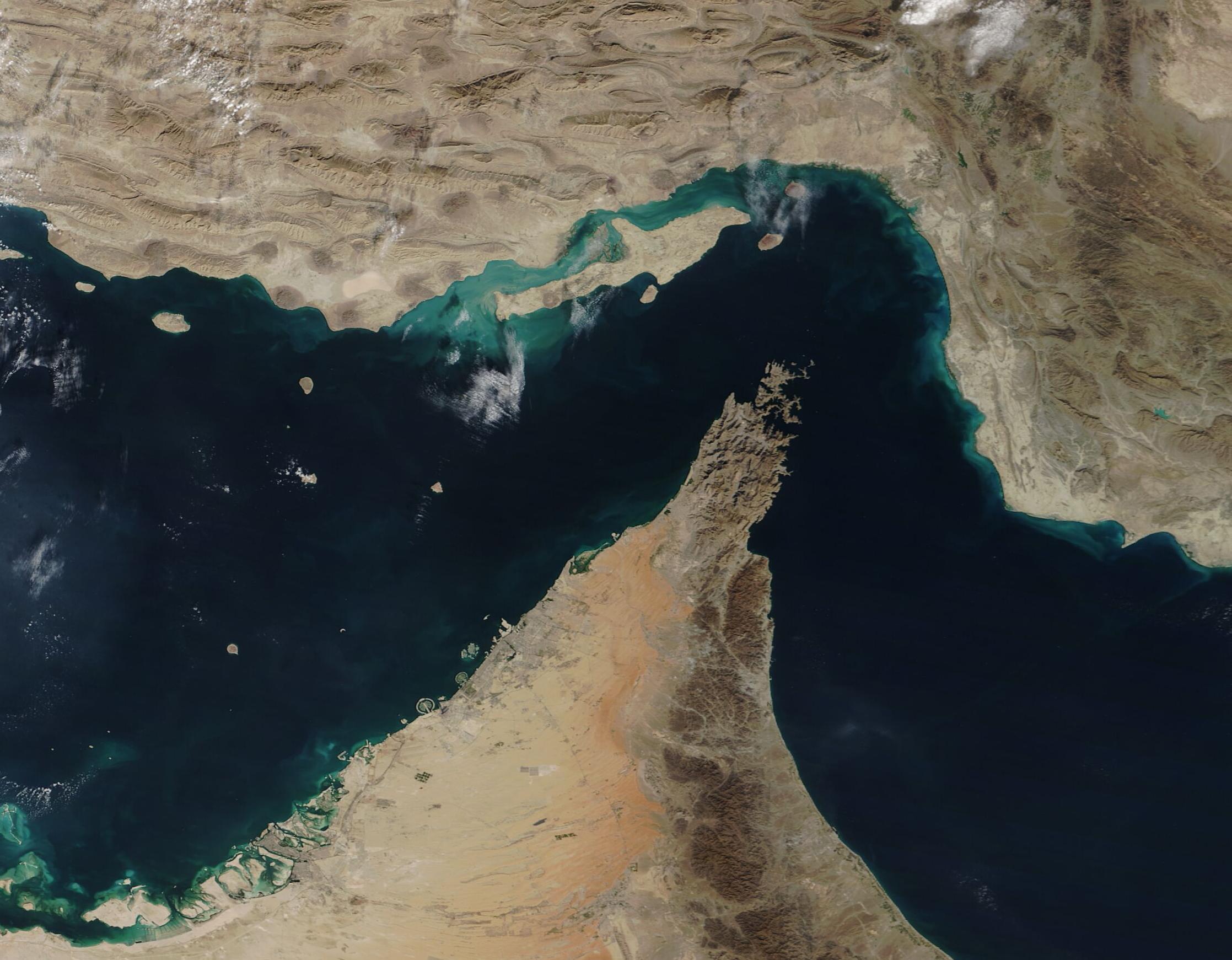
The same text went beyond shipping. The two leaders “condemned Iranian military attacks against countries in the region which constitute a serious breach of international law”, and they agreed to expand defence, security and economic cooperation. On the waterway specifically, the call for fee-free passage marks a direct challenge to the transit-fee regime Tehran has set up: the IRGC has said vessels may pass only by coordinating with its Persian Gulf Strait Authority, an entity created during the war to manage the strait.
The statement lands in the middle of a diplomatic push that has not produced a breakthrough. Qatari mediator Ibrahim bin Sultan Al Hashmi said on Tuesday that efforts to de-escalate and reopen the strait were ongoing, while Iranian foreign minister Abbas Araghchi said on Wednesday that “Iran is prepared to give diplomacy another chance”, Al Jazeera reported. That opening was qualified immediately afterwards: Iran’s position, reported the same day, is that the war will not end and the strait will not reopen until Washington accepts its conditions. Araghchi told an exporters’ conference in Tehran that “the reality is that the country is truly in war conditions and the war continues… all decisions must be made within war conditions”, Al Jazeera reported.
Why it matters for Pakistan
The gap between the two positions is narrow and specific. Qatar and France are asking for free navigation. Iran is offering conditional navigation tied to a political settlement. Nothing in the 21 October statement indicates Tehran has accepted the first or softened the second.
For Pakistan the question is not abstract. The country draws up to about 90 per cent of its oil and liquefied natural gas imports through the Strait of Hormuz, and it holds no strategic petroleum reserves to fall back on, as KhabarWire reported when the reserve plan was detailed. That exposure turns a maritime-access dispute into a fuel-price and power-generation question at home, and it is why Islamabad has pushed so hard to be a broker rather than a bystander.
Islamabad’s mediation effort has been unusually concrete. The seven conditions Tehran has attached to reopening were established through an Islamabad-channel framework, and Pakistan’s army chief, Field Marshal Asim Munir, was in Tehran on Wednesday, 21 October, pressing for movement — the trip that KhabarWire covered the same day. On the Iranian side of that meeting, Mohsen Rezaei, secretary of Iran’s Supreme National Security Council, said “not a single gram of enriched uranium will be removed from Iran”, though he did not rule out downblending under monitor supervision, Al Jazeera reported. Parliament speaker and chief negotiator Mohammad Bagher Ghalibaf told Munir that Iran had “nothing new” to offer Washington.
Shipping data published earlier this month showed volumes recovering above pre-war baselines on several days, and KhabarWire has tracked that recovery alongside the attack rate. The 21 October call does not change those flows directly; it changes what importers and insurers are waiting on.
That is the position a joint European–Gulf call has to contend with: an insistence on the nuclear file that the mediators have not been able to shift.
The traffic picture is contested
How much the strait is actually open is reported very differently by the parties involved, and the numbers should be read with that in mind.
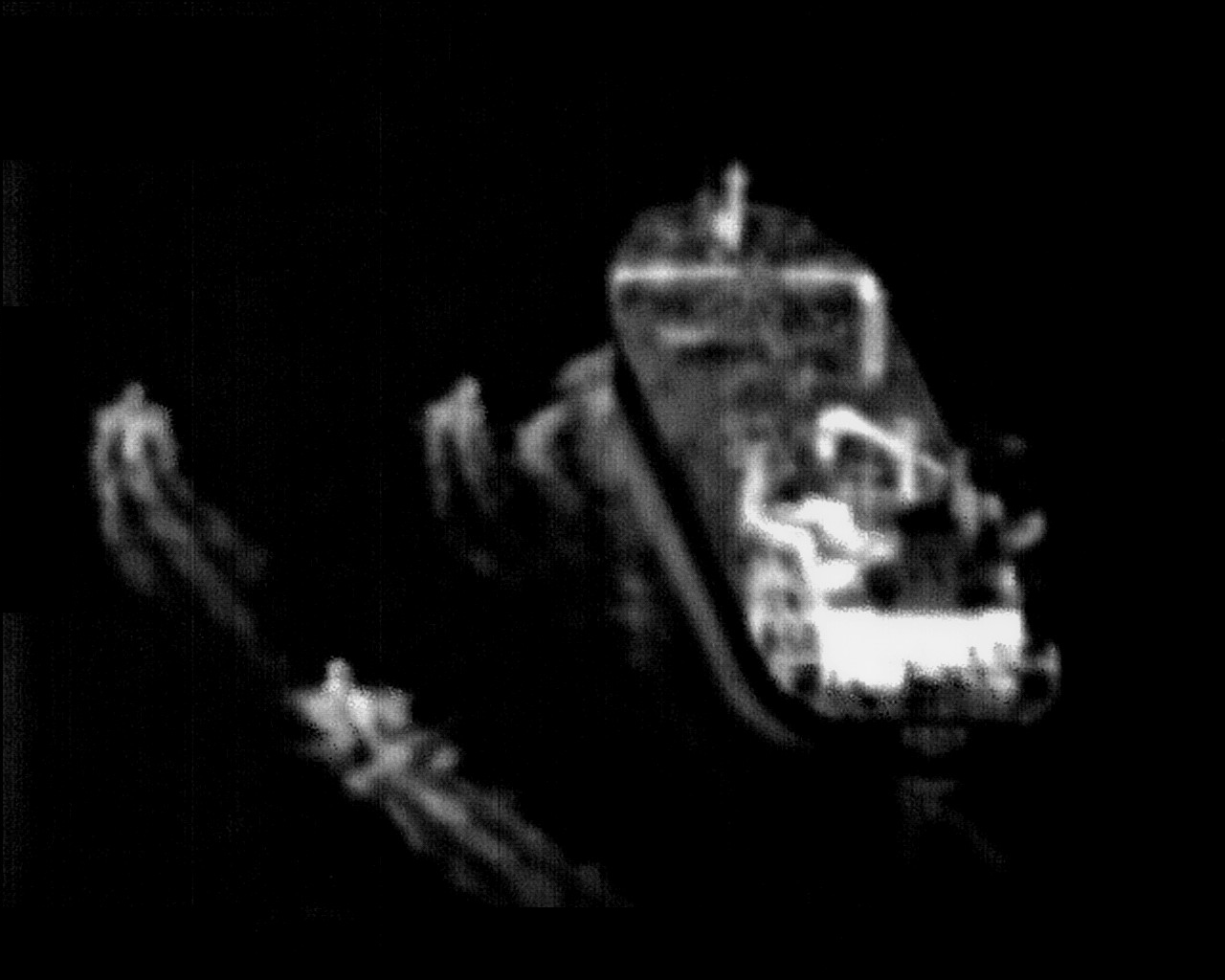
The United Kingdom Maritime Trade Operations agency reported at least 12 confirmed attacks on vessels in the week to 16 October, while cautioning that it was “struggling to accurately report true number of attacks” because most struck vessels do not report, Al Jazeera reported. Oil flows through the strait ran at about 11.6 million barrels per day over the seven days to 13 October, roughly 68 per cent of a pre-war baseline of 17.1 million barrels per day, according to Kpler figures cited in the same report.
The US Central Command chief, Brad Cooper, claimed a very different picture, saying 400 ships and 100 million barrels had moved through the strait in a week and that it is “controlled by the United States and our regional partners, not Iran”. Iran has published no comparable transit figures and says Washington is exaggerating to project success.
The strategic stakes of the disagreement are why the waterway commands this much attention. Before the war, the strait carried roughly a fifth of global oil and gas flows, which is why the G7, chaired this year by France, agreed in early October to release up to 100 million barrels from strategic reserves, France 24 reported. France’s own response to the disruption has been to secure direct supply commitments instead: Macron’s office said France now has commitments for 295,000 tonnes of diesel a month from Gulf partners, just over 10 per cent of French consumption, and that Kuwait had agreed to route some shipments via Oman, bypassing the strait entirely, France 24 reported.
What is still uncertain
The central unknown is whether Tehran will move on access at all before the security question is settled. Araghchi’s offer of “another chance” at diplomacy and the Qatar–France demand for free navigation are not necessarily incompatible, but no sequence linking them has been published.
Three things are unresolved. First, the terms of any reopening: whether it would be full, partial or conditional, and whether Iran’s transit-fee and vessel-coordination requirements would survive it. Second, whether the mediation channel is still open — Pakistan has carried messages between the parties, but Iran’s own foreign minister said Tehran had nothing new to tell Washington after the latest proposals. Third, what the traffic picture actually is. The Kpler estimate and the CENTCOM claim differ by an order of magnitude for the same week, and without verifiable independent transit data the practical question for importers — including Pakistan — is how much supply risk is actually being priced.
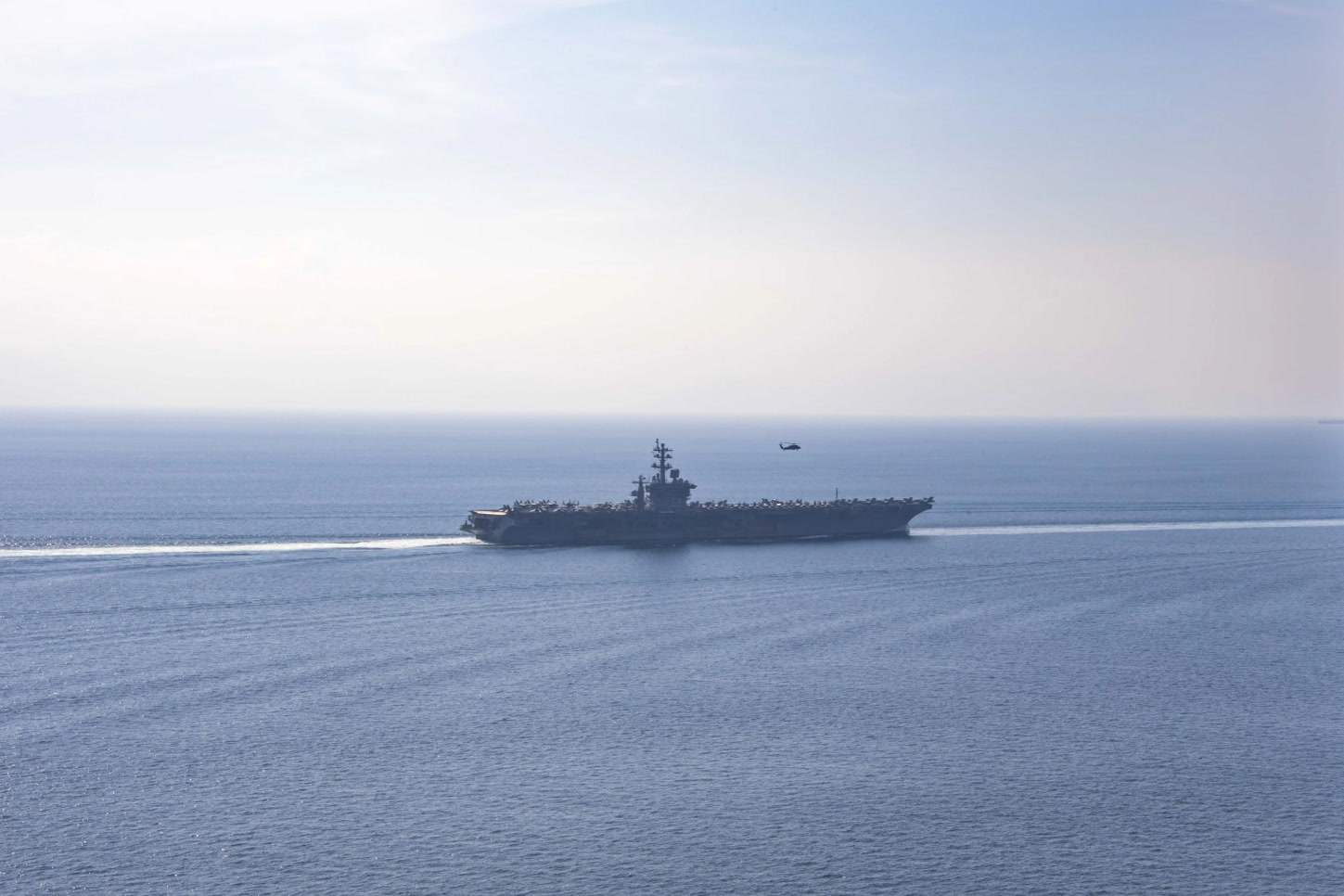
A further risk sits on a longer horizon. Al Jazeera reported that US media were citing unnamed officials saying the Pentagon was sending the USS Theodore Roosevelt carrier strike group and a Marine unit to the region, potentially before the 3 November US midterms. If that is accurate, the diplomatic window Qatar and France are pressing to use could close before it produces an opening.