Reporting snapshot · 1 November 2026 (Asia/Karachi). Nothing has been curtailed yet: the cargo count, the rationing order and the spot-price figures are plans and official estimates rather than published schedules or decisions. The main limitation is that most of the figures came from officials speaking on condition of anonymity, and no winter import plan or Cabinet decision on buying cargoes at spot prices has been published.
What changed on 31 October
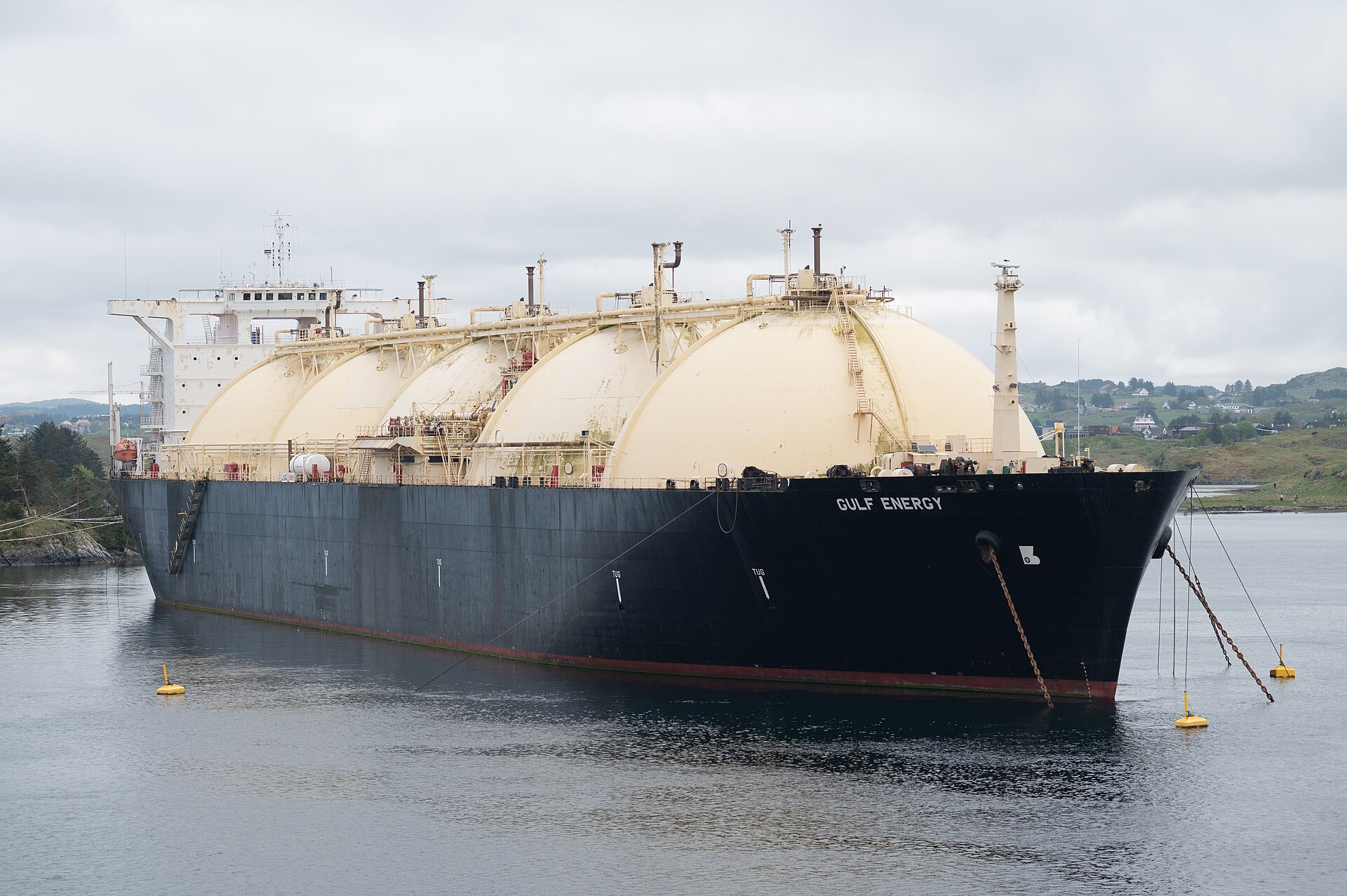
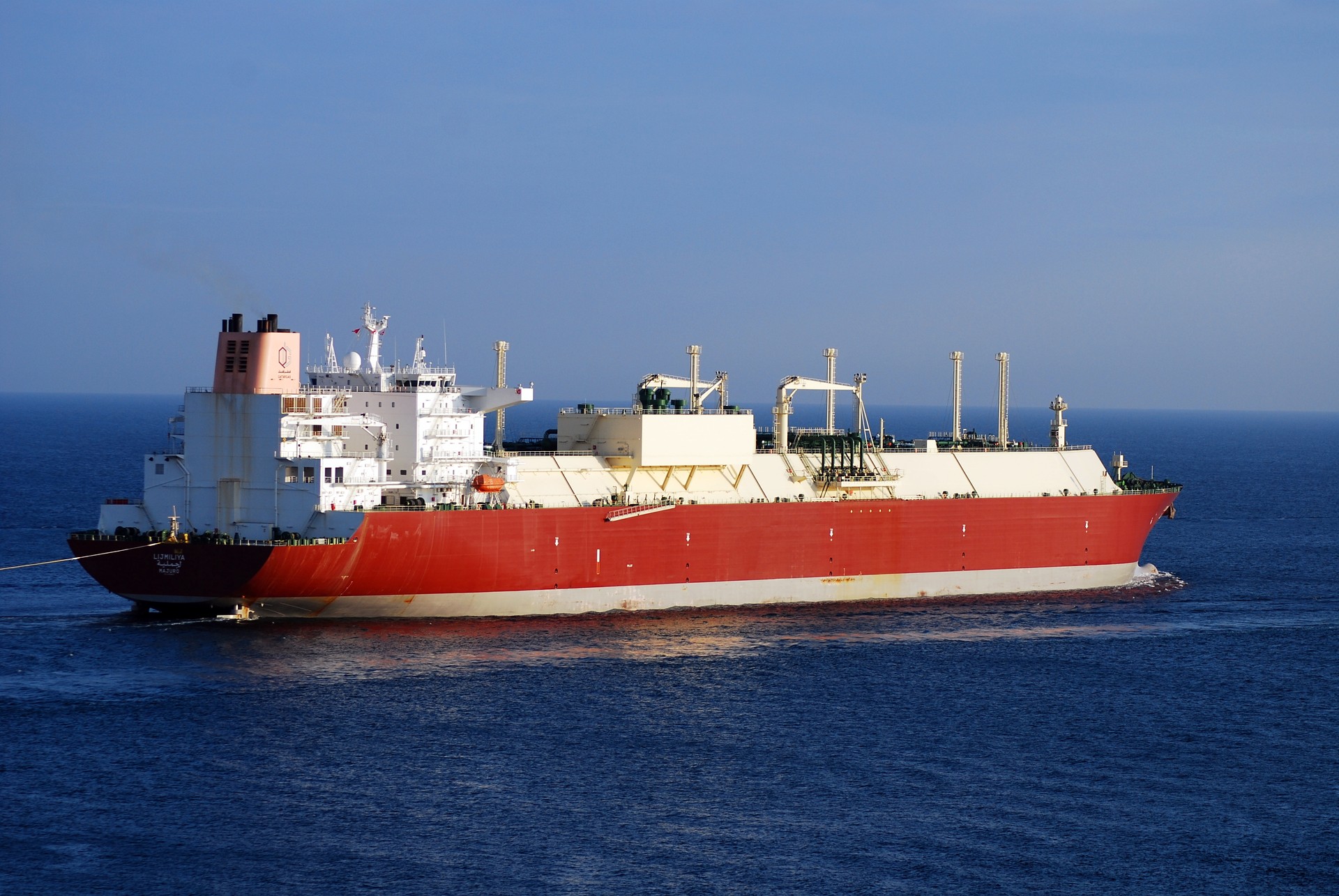
QatarEnergy has extended its force majeure on liquefied natural gas supplies to Pakistan until 29 December, Federal Minister for Petroleum and Natural Resources Ali Pervaiz Malik confirmed to The News, Geo News reported. The government is planning to arrange 10 LNG cargoes for the two peak winter months against an estimated requirement of 20, comprising nine in December and eleven in January, Geo News reported.
That is the decision, and it changes the picture set out in KhabarWire’s account of the October RLNG price rise and the Power Division’s winter warning. What is new is the date attached to the halt and the arithmetic that follows: Pakistan faces the peak of its heating season with half the cargoes officials say it needs, and with a stated order for how the available gas will be shared out.
The extension is not the first. QatarEnergy halted production and declared force majeure in March after attacks on its facilities during the US-Iran conflict, Pakistan Today reported, and the notices have been rolled forward since. Al Jazeera reported in April that Iranian drone strikes on Qatar’s Ras Laffan complex on 2 March had forced a production cut of about 17 per cent, with repairs expected to take as long as five years, and that Qatar and the UAE together supply 99 per cent of Pakistan’s imported LNG.
The arithmetic of the shortfall
Pakistan took 36 LNG cargoes last winter, 35 of them from Qatar, according to official data cited by Pakistan Today: six in November 2025, ten in December, twelve in January 2026 and eight in February. Imported LNG accounted for roughly one-fifth of the country’s total gas consumption between July 2025 and March 2026, the Economic Survey puts it, Pakistan Today reported.
Against that, senior officials of the Sui gas companies said household gas demand in Punjab and Khyber Pakhtunkhwa could jump from 500 million cubic feet per day to 1,500 million during December and January, while domestic demand in Sindh and Balochistan is projected to double from 300 million to 600 million cubic feet per day, Geo News reported. The requirement has also moved: KhabarWire reported in October that an estimate of 24 cargoes for the winter was a planning figure rather than a published government schedule, and the figure officials now use is 20.
The system has little buffer. Al Jazeera reported in April that domestic fields supply roughly 2,700 million cubic feet per day and are in long decline, that imports normally add about 600 million cubic feet per day, that Pakistan holds no emergency reserves, and that imported LNG powers roughly a quarter of the country’s electricity. The country received only two cargoes in March, when the war began, against a usual eight to twelve a month.
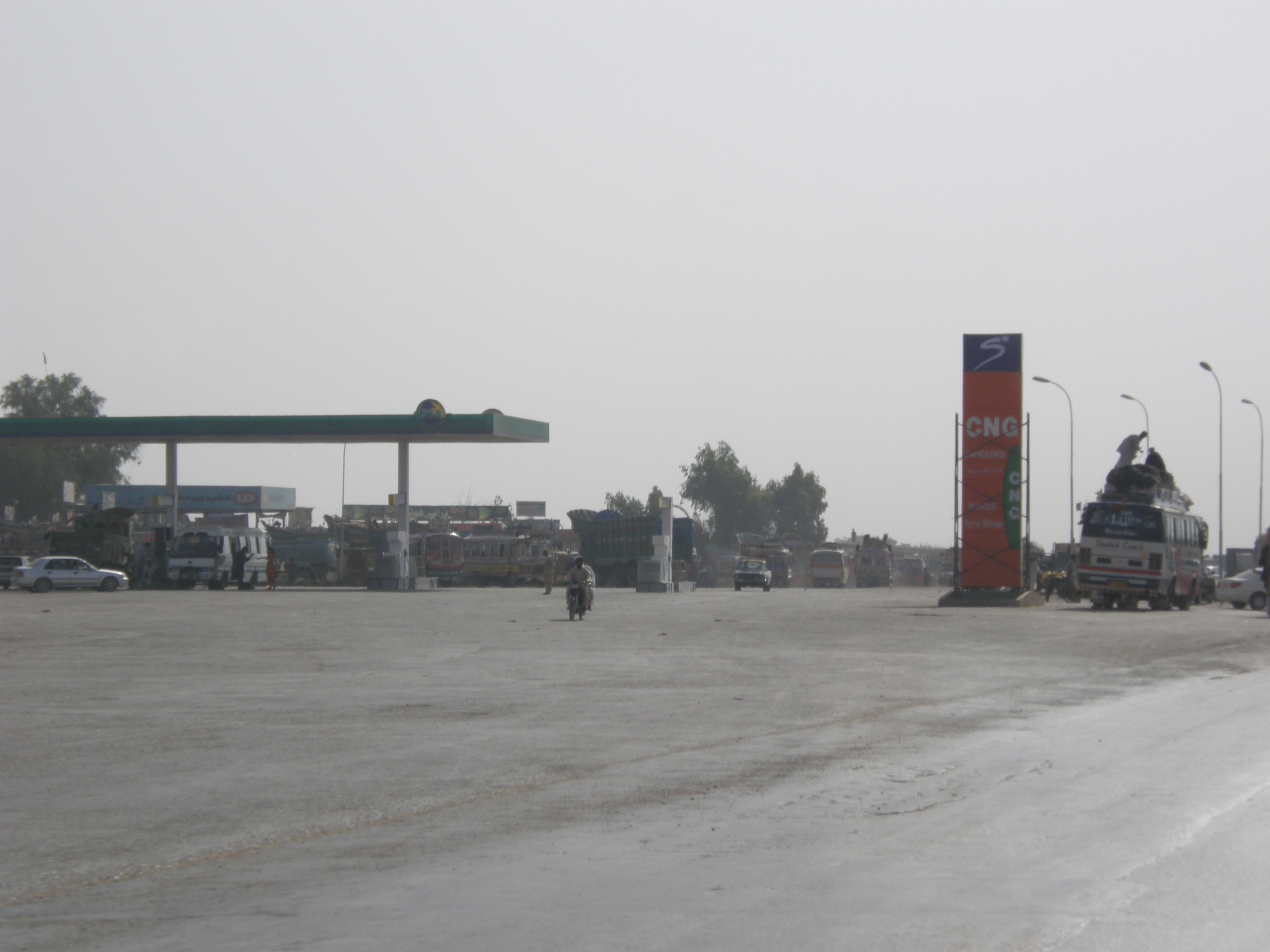
The cost of replacing contracted Qatari gas is the sharper problem. A cargo that normally costs around $30 million can cost $80 million to $90 million on the spot market, a senior official of the Petroleum Ministry told Arab News, as reported by Pakistan Today. The extra cost would not fall entirely on domestic consumers, and industrial, commercial and CNG users would bear a larger share.
Getting Qatari cargoes through the Strait of Hormuz again is the condition attached to every option now on the table. Iran’s Revolutionary Guard Navy said four tankers had caught fire and exploded in the strait, though Reuters could not independently verify that account, and Houthi forces claimed strikes on Saudi refineries at Ras Tanura and Rabigh and on an Aramco facility at Abqaiq, Reuters reported via Geo News. Iran’s foreign minister said on Saturday that Iran’s own plan, which includes approving an Iranian-backed route through the waterway, was the only proposal on the table to reopen it, Reuters reported via Geo News.
Who gets gas first
The order has already been settled, according to officials: “The top priority is the domestic consumer, then the power and fertilizer sectors, followed by cement and CNG,” Pakistan Today reported.
For households, that priority comes with a limit. “There could be complaints during peak winter, but gas will be available during cooking hours. It may not be available for space heating and water heating though,” the same senior Petroleum Ministry official told Arab News. Al Jazeera reported in May on how Karachi households already plan their days around gas windows, describing a home supplied between about 6am and 9:30am, for roughly two hours from noon, and again from 6pm to about 9:30pm, with the unpaid care work such timetables create falling mainly on women.
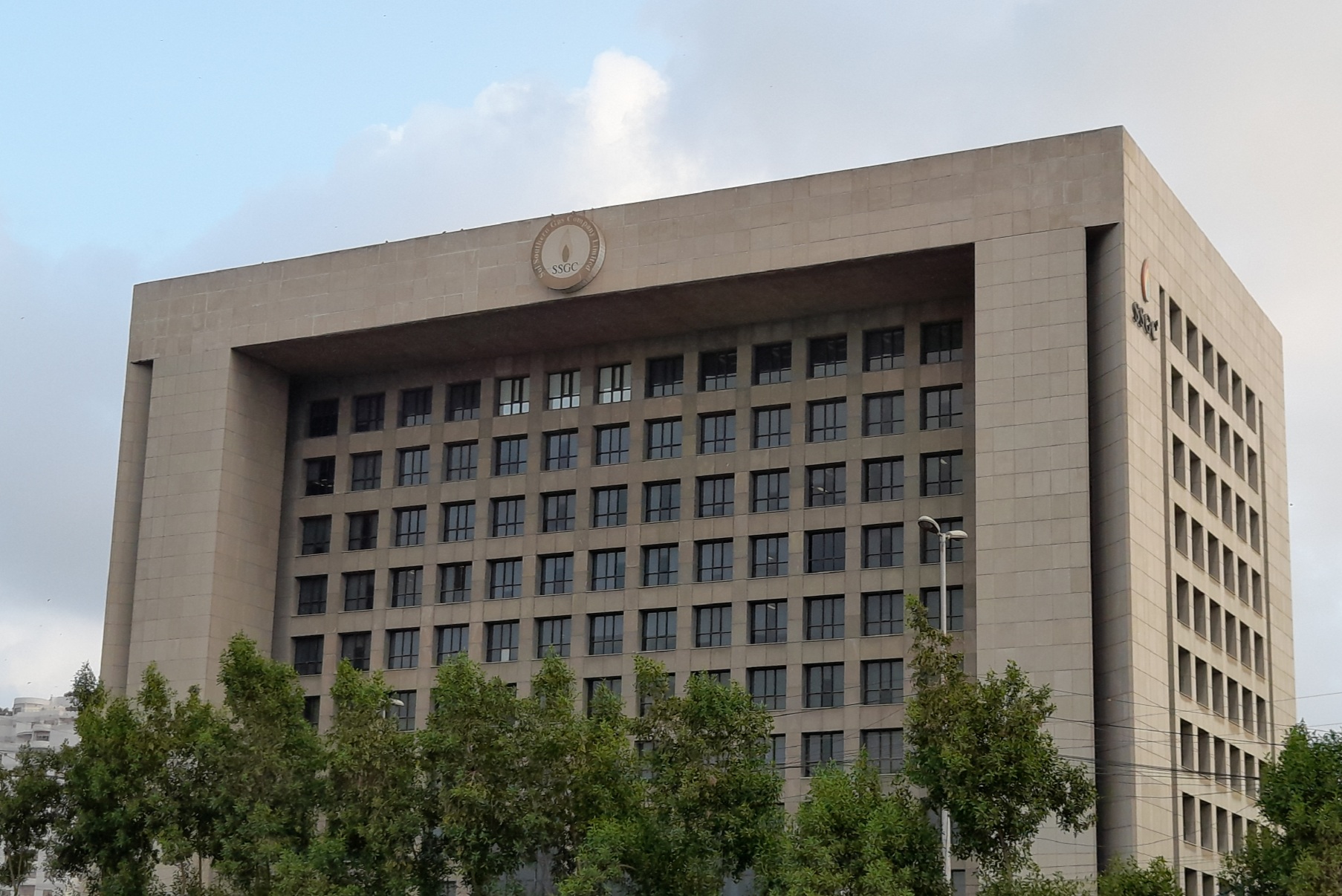
The southern utility sees a smaller problem than the national figures suggest. Asif Inam, chairman of the Sui Southern Gas Company board, said domestic consumers would continue to receive gas for eight to nine hours a day, and that a new southern gas field with a production capacity of 100 million cubic feet per day would cut dependence on imports: “So our need for LNG is reduced to just one cargo this year,” Pakistan Today reported. His company supplies Sindh and Balochistan, where demand is projected to double rather than triple, and his assessment holds only if power plants do not run on LNG.
Power generation is where the gap bites hardest. The Power Division has warned that December, January and February will be the hardest months of the year for consumers, with fuel price adjustments potentially rising two to threefold and load management increasing, The Express Tribune reported. Officials said power plants could switch to furnace oil, and that some form of load-shedding was possible.
The fertiliser gap that officials describe differently
On fertiliser, two official accounts do not agree, and the difference is large enough to matter to farmers.
In a question hour in the National Assembly, the government acknowledged a fertiliser shortfall of more than 200,000 tonnes against the country’s demand, The Express Tribune reported. Two urea plants remain temporarily closed because the Middle East situation has disrupted gas supply, Parliamentary Secretary Shaista Khan told the House, adding that about half of the country’s requirements were already met from imports and that fertiliser prices had risen because of the crisis.
A day later, a senior Petroleum Ministry official told Arab News the opposite in substance: seven of Pakistan’s ten fertiliser plants run on dedicated gas networks, two others had been told their supply depends on LNG availability, and a shortage had been ruled out because manufacturers were holding around 300,000 tonnes of extra inventory, Pakistan Today reported.
Both can be true of different things, manufacturer inventory on one side and national availability against demand on the other, but no published supply balance reconciles them, and the gap between a 200,000-tonne shortfall and 300,000 tonnes of buffer is the number farmers will work out this Rabi season. The same closures were the reason two plants stopped production in July.
What is still uncertain
No cargo has been bought at $80 million to $90 million, because no such purchase has been approved. The $2 billion plan for 22 winter cargoes put to the Cabinet Committee on Energy was still pending as of 22 October, Profit reported, and it assumed Qatari supplies at around $12 per million British thermal units, a price no longer available to Pakistan.
The 29 December date is the end of the current force majeure notices, not a promise that cargoes resume the next morning. Nothing published says whether it covers both of Pakistan’s government-to-government agreements with Qatar identically, and the reopening of the Strait of Hormuz remains the condition on which resumption depends.
There is also no published rationing schedule. The priority order is known; the daily allocation for each sector is not, and the household demand figures are utilities’ estimates rather than a forecast on record. The Power Division’s winter warning, the RLNG price notification and the second cargo of October all point the same way, but the size of the December shortfall is still an estimate. The file is tracked in KhabarWire’s Pakistan Fuel and Energy hub.