Reporting snapshot · 8 November 2026 (Asia/Karachi). The task force was announced on 7 November, but CENTCOM has not published its operating plan, the routes it will prioritise or any new enforcement measures. Its staff is small and its work is expected to run through existing agencies, so the practical effect on traffic through Pakistan is not yet clear.
What happened
On 7 November, Admiral Brad Cooper, the commander of US Central Command, directed the creation of Task Force Iron Gate, a staff of about 20 civilian and military personnel based in Tampa, Florida, to support US efforts to stop Iran using ground routes to move advanced weapons and other materials, CENTCOM announced.
The unit will coordinate with other US government agencies. A US military official, speaking on condition of anonymity, told Reuters that the coordination would include the Treasury, State and Justice departments and the intelligence community. Cooper said closer collaboration would “further constrain Iran’s ability to finance terrorism, rebuild weapons factories, and replenish their military,” Reuters reported through The Express Tribune.
Al Jazeera also reported the announcement, describing the task force as part of Washington’s effort to stop Iran moving advanced weapons and other material by land while the US maintains a naval blockade.
The decision came as Iran widened regional outreach with calls to Pakistan and Gulf states, KhabarWire reported, and as mediators tried to prevent a new round of fighting.
Why land routes are the new front
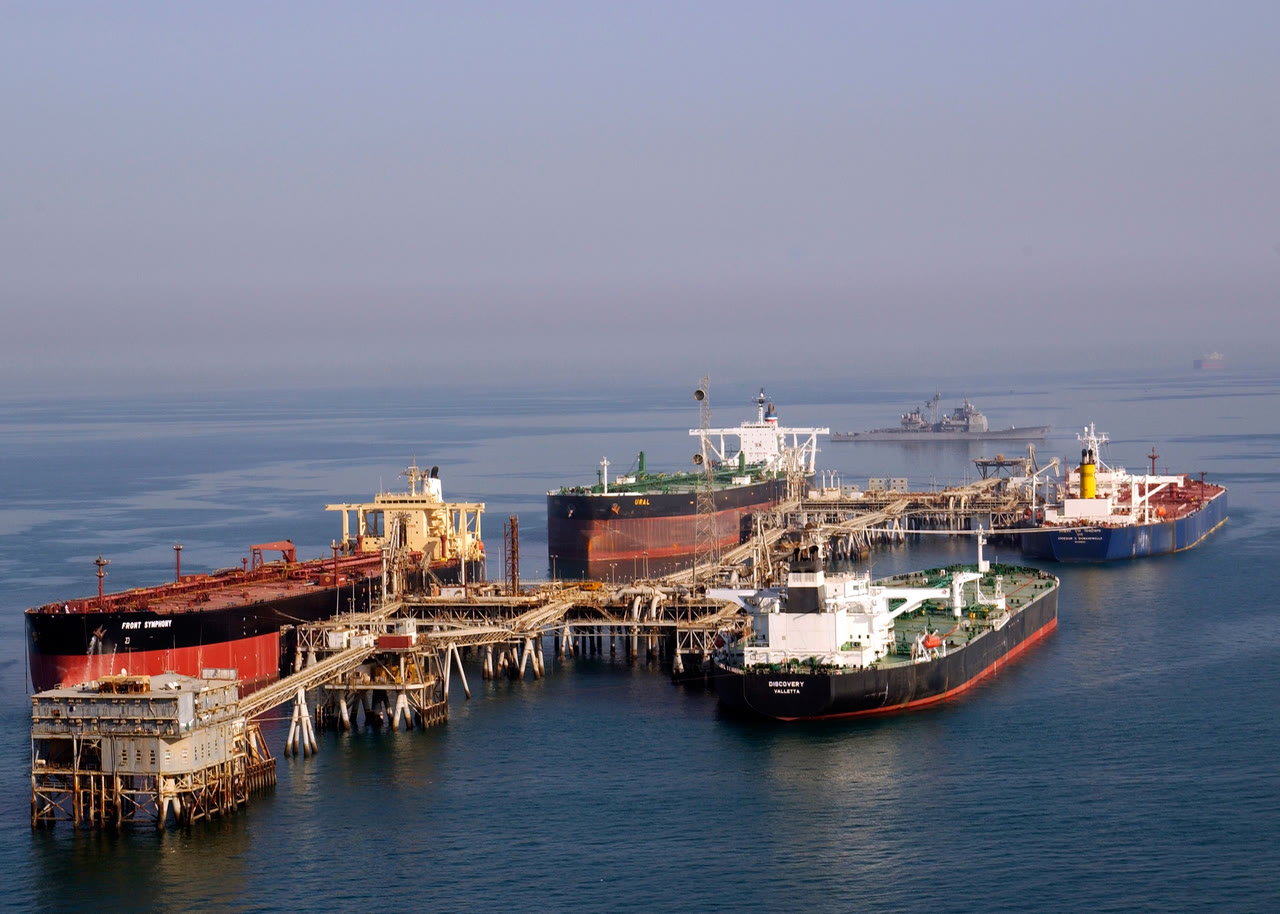
The naval blockade has concentrated on Iran’s seaborne crude exports. CENTCOM estimates it has prevented Iran from exporting more than $25 billion in crude oil, according to Reuters. But the blockade also pushed Iran to rely more on overland and Caspian routes, which are harder to monitor and cross several countries.
A Reuters investigation found that Iran created a secret network of military agencies to import at least $2 billion in hardware, explosives and heavy-duty trucks since January 2025, moving material by cargo ship across the Caspian Sea from Russia, by truck from Central Asia and by freight planes from China. The new task force is meant to address that gap by bringing the same interagency pressure to land and Caspian traffic that the Navy has applied at sea.
The announcement describes a coordinating staff, not a new combat command. It does not say where the unit will operate, what powers it will have or whether it will carry out inspections, interdictions or mainly intelligence-sharing and sanctions designations. Those details will determine whether it changes behaviour on the ground or mainly adds another layer of coordination.
Iran signalled on the same day that it expects pressure on its production and supply lines to continue. IRGC spokesperson Hossein Mohebbi said Iran had moved missile and drone production lines underground and would unveil an “underground missile city”, while warning that restrictions on missile range had been lifted, Al Jazeera reported. Supreme Leader Mojtaba Khamenei has said there would be no geographical limits to Iran’s response if it were attacked again. The task force and the IRGC announcements together point to a war increasingly fought over supply chains, not only launch sites.
What it means for Pakistan
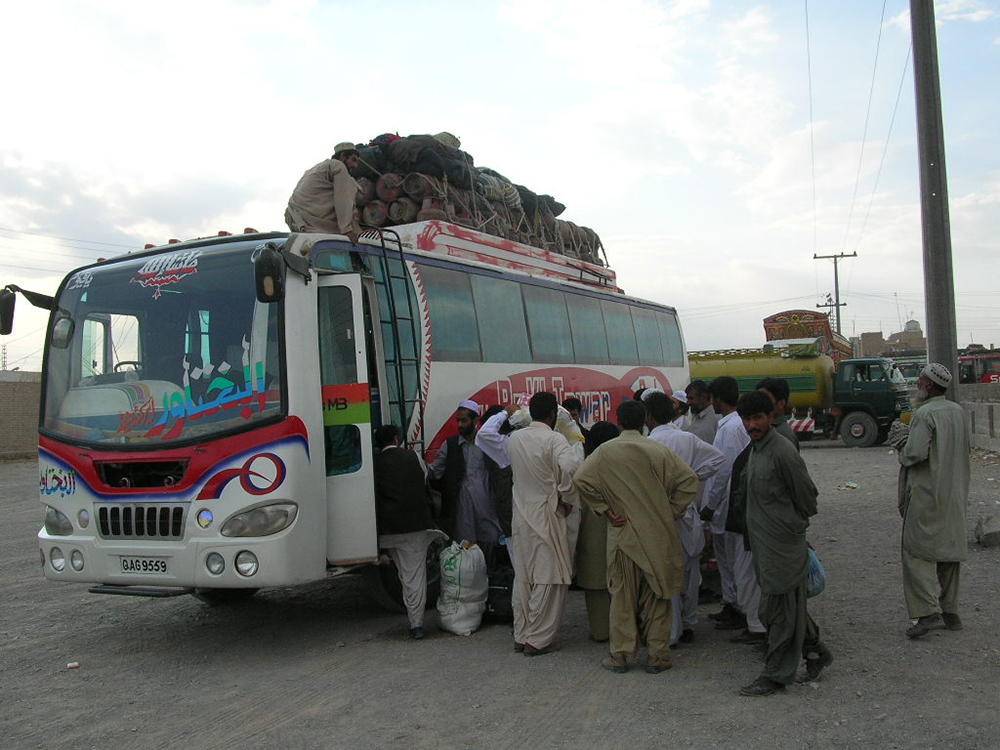
Pakistan’s most direct exposure is the Taftan crossing in Balochistan, the main official land route between the two countries. Taftan and Gabd-Rimdan carry much of the bilateral trade in liquefied petroleum gas, fresh produce and other goods, and Pakistan and Iran agreed in August 2026 to keep crossings open around the clock and work toward a $10 billion annual trade target, KhabarWire reported.
The crossing is also fragile. In October, Pakistan’s Federal Investigation Agency shut the Taftan immigration gate and the commerce ministry withdrew an import waiver, leaving about 2,000 trucks stranded, KhabarWire reported. Field Marshal Asim Munir later announced that the border had reopened after talks in Tehran, but Iranian reports said the crossings were still shut hours later and that only a partial arrangement was under discussion, KhabarWire reported.
The Iron Gate announcement does not name Pakistan, Taftan or any specific crossing. US officials have not said whether Pakistan-bound traffic will face new checks, and the task force’s mandate is focused on weapons, dual-use technologies and what Washington calls illegal revenue, not ordinary consumer trade. But putting land commerce under the same interagency framework as the naval blockade could raise compliance risks for trucking firms, banks and insurers involved in Pakistan-Iran trade, especially if the US begins designating companies or routes. Traders already face banking difficulties and limited freight capacity; uncertainty about enforcement can add delays even when no new rule has been published.
KhabarWire’s tracker of the Pakistan-Iran-US mediation track follows the diplomatic and border developments around the war.
What is still uncertain
The task force’s operating plan is the biggest unknown. CENTCOM has not said which border crossings or countries it will prioritise, whether it will work with local customs authorities, or how it will treat traffic that is legal under Pakistani and Iranian law but falls under US sanctions. Reuters reported that the unit will coordinate with Treasury, State, Justice and intelligence agencies, but not what each will do.
It is also unclear whether the task force represents a new escalation or a bureaucratic consolidation of work already under way. The US has not announced new sanctions alongside the unit, and the announcement does not say it will stop or board vehicles. Iran has not responded specifically to Iron Gate; its public statements have focused on production, missile range and retaliation.
For Pakistan, the immediate question is whether the new focus on land routes changes the cost and reliability of trade through Taftan. That will depend on enforcement, on how banks and insurers read the risk, and on whether Washington links the task force to the broader negotiations. For now, the announcement changes the organisational map of the US pressure campaign more clearly than it changes the rules on the ground.