What happened
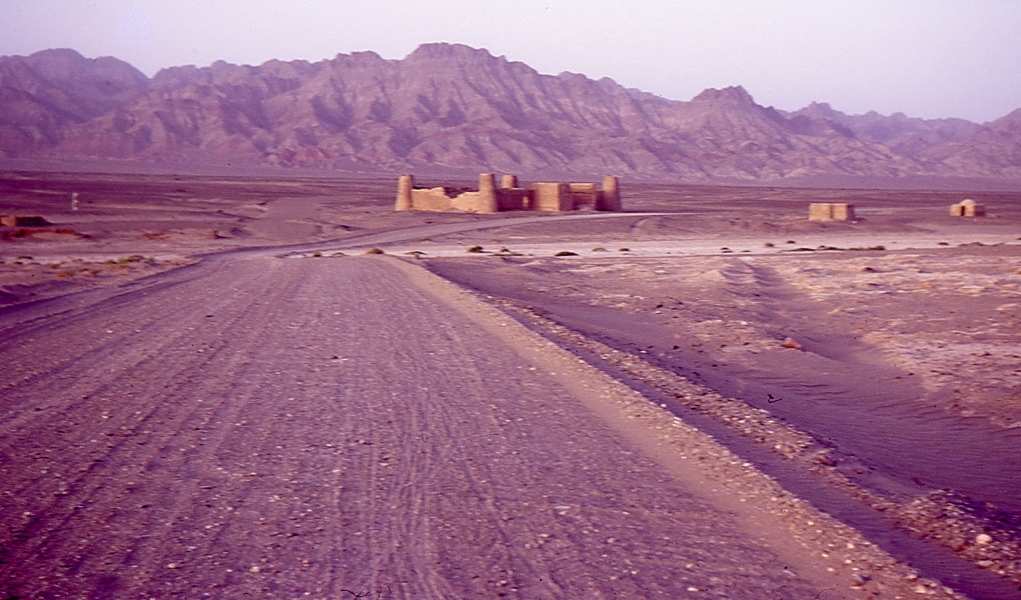
Pakistan and Iran agreed on Wednesday, 5 August 2026, to promote border trade by expanding facilities so that their shared border crossings can operate round the clock, improving logistics and harmonising customs procedures.
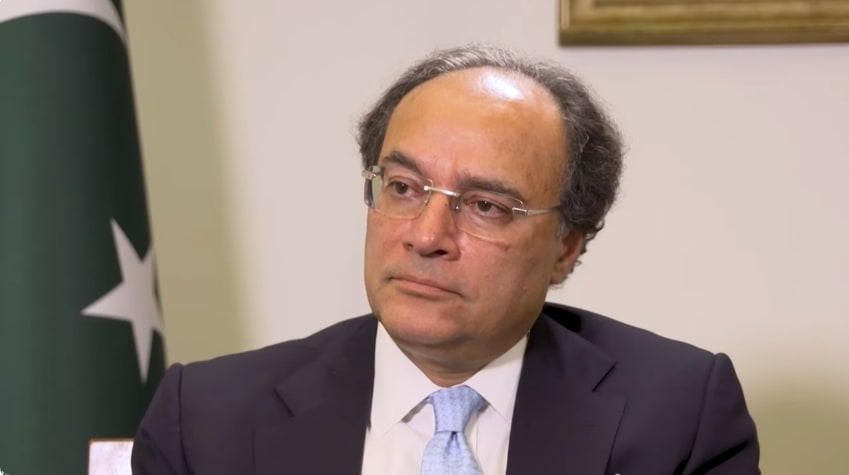
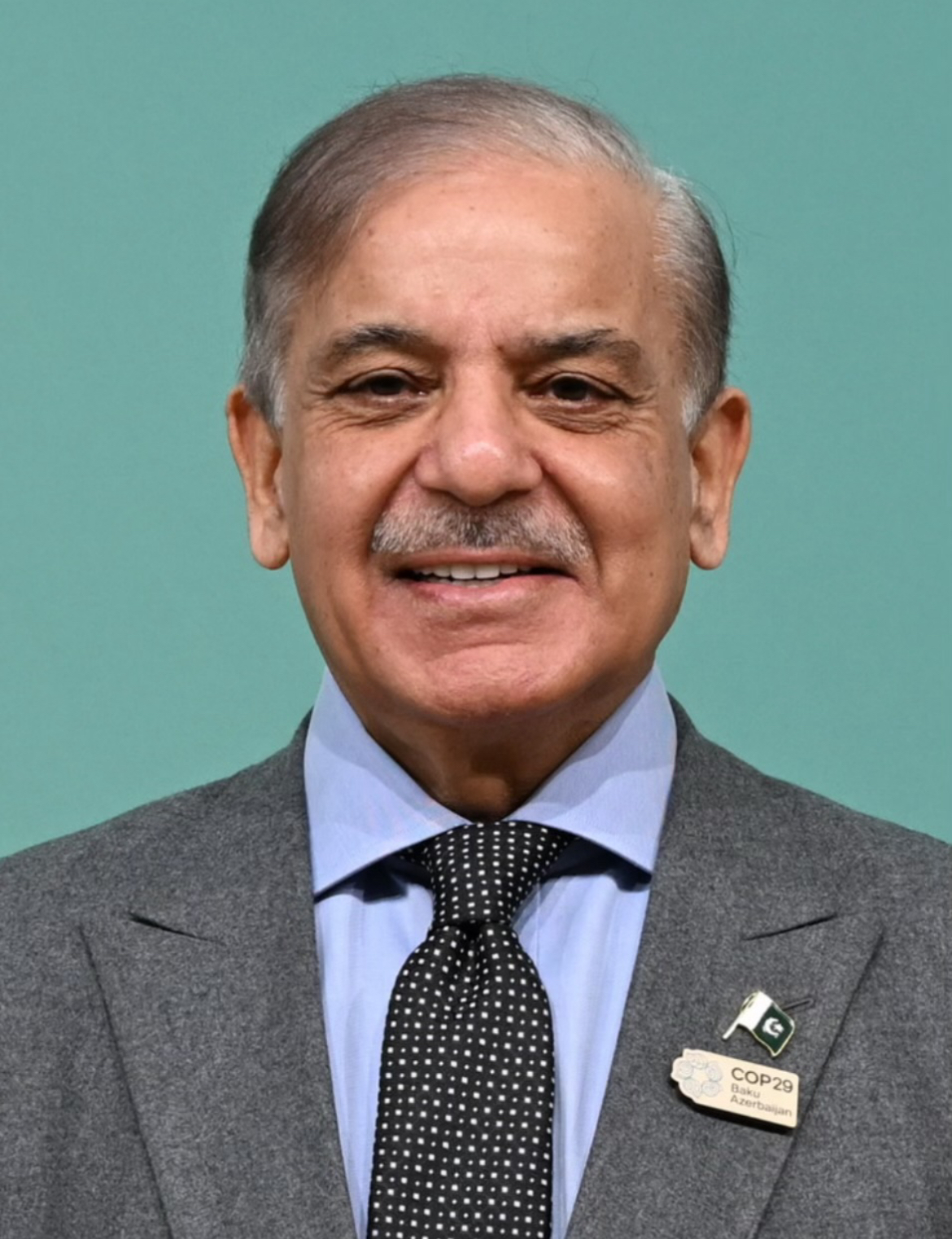
The understanding was reached during a meeting in Islamabad between Prime Minister Shehbaz Sharif and a six-member Iranian delegation led by Iran’s Minister of Industry, Mine and Trade Syed Mohammad Atabak, according to a statement from the Prime Minister’s Office.
Shehbaz expressed hope that the $10 billion bilateral trade target set by the two countries’ leadership could be achieved through sustained efforts, and said increased trade — particularly in food and agricultural commodities — would benefit both sides.
Atabak said Tehran was keen to expand economic and trade relations with Pakistan and that technical-level negotiations on a free trade agreement between the two countries were under way.
Border, customs and mining
The two sides agreed to improve logistics and customs coordination and to increase cooperation in the mining sector, especially in the processing and value addition of precious stones. The push toward 24-hour border operations is meant to move goods faster and cut delays along formal trade routes.
The meeting followed the 10th session of the Pakistan-Iran Joint Trade Committee, held in Islamabad from 3 to 5 August, at which the two countries reiterated their resolve to increase bilateral trade to $10 billion and to speed up work on the free trade agreement.
Why it matters
In April, Pakistan’s commerce ministry notified six transit routes for goods travelling to Iran through the sea ports of Gwadar and Karachi, amid reports that thousands of containers destined for Iran were waiting for clearance. Since March, the two countries have eased customs procedures, formalised Taftan as a customs station and notified new transit routes, against the backdrop of the US-Iran conflict that has strained regional economies.
Keeping the border open around the clock would be a further step toward formalising cross-border commerce and raising the volume of trade that currently moves through a handful of crossing points.
Sources & reporting notes
This is a summary of published reporting, not independent reporting. Details are as carried by the cited source, which was reviewed on 5 August 2026.
- Mashriq Vibe — "Pakistan, Iran agree on round-the-clock border operations to spur trade"5 August 2026 · The Islamabad meeting, the round-the-clock border agreement, customs coordination and the $10 billion trade target.