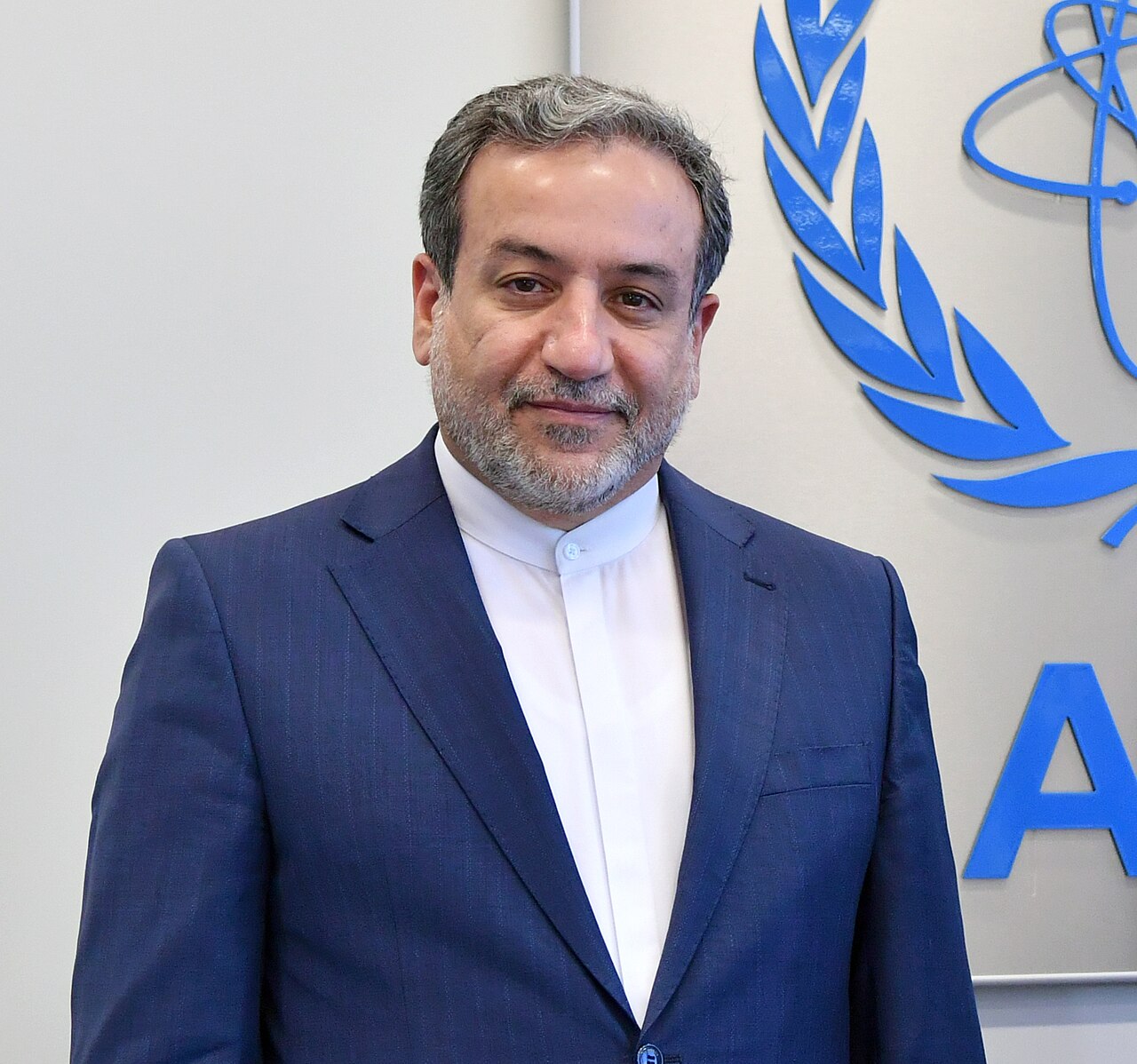
Reporting snapshot · 6 November 2026 (Asia/Karachi). The telephone calls are confirmed by Pakistan's Foreign Office readout and by two Pakistani newspapers, but no joint statement, follow-up meeting or new negotiating round has been announced. The central unknown is whether Washington will resume military action or accept another round of talks.
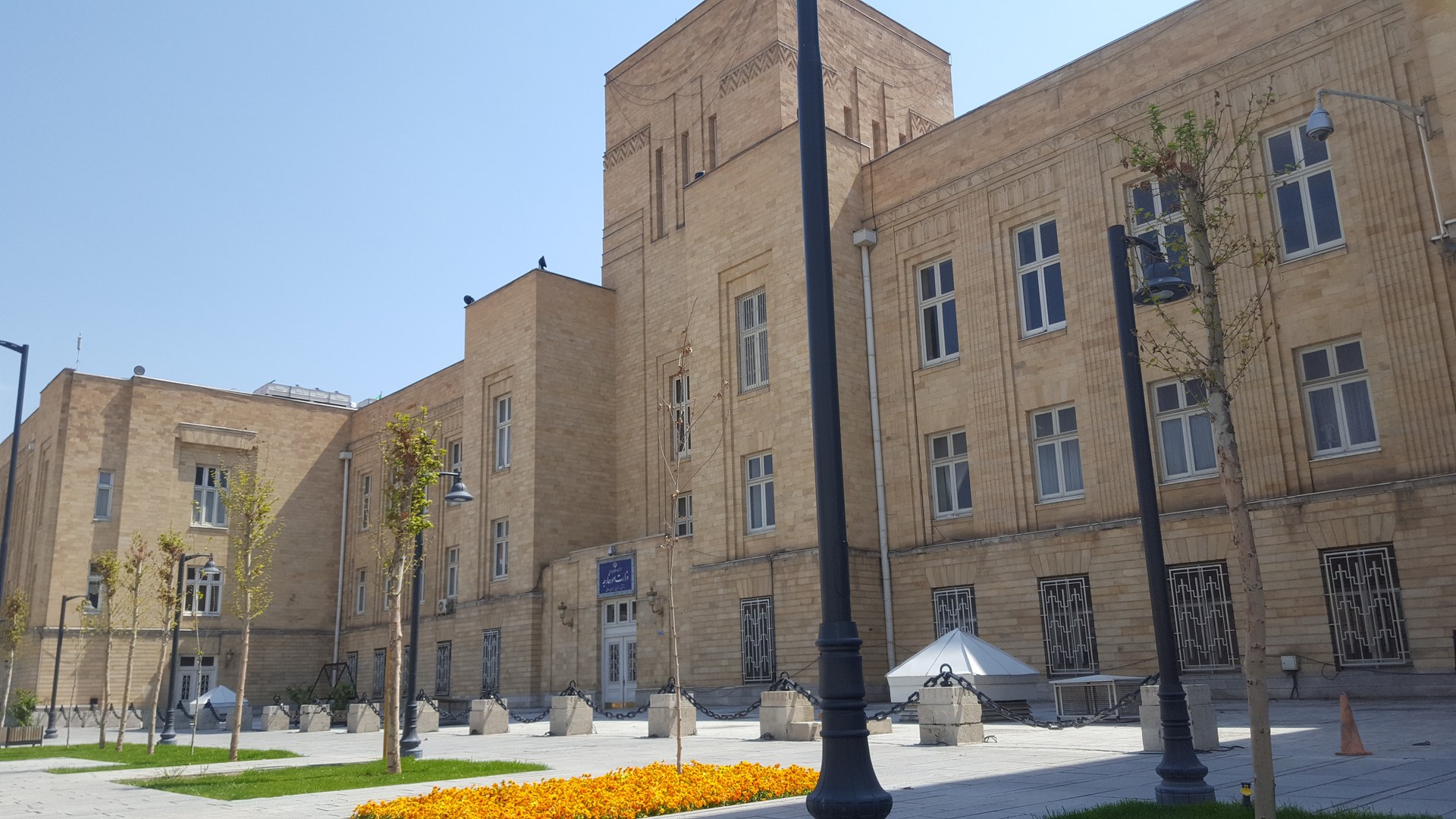
What happened
Iran’s Foreign Minister Abbas Araghchi telephoned his counterparts in Pakistan and several Gulf states on Thursday, 5 November, in a coordinated round of diplomacy two days after US midterm elections that handed Congress to the Democratic Party. Pakistan’s Foreign Office said Deputy Prime Minister and Foreign Minister Ishaq Dar spoke with Araghchi about “recent regional developments” and stressed that “active and sustained diplomatic efforts remain essential” to lasting peace and stability, The Express Tribune reported.
Araghchi also called Qatar’s Prime Minister and Foreign Minister Sheikh Mohammed bin Abdulrahman bin Jassim Al Thani and Oman’s Foreign Minister Sayyid Badr bin Hamad bin Hamood Al Busaidi, according to both The Express Tribune and Pakistan Today. The two accounts differ on the other calls: The Express Tribune reported that Araghchi also spoke with Kuwait’s Foreign Minister Sheikh Jarrah Jaber Al-Ahmad Al-Sabah, while Pakistan Today reported a conversation with Saudi Arabia’s foreign minister. Neither account included a full Iranian readout of every call.
The Qatari premier reaffirmed Doha’s support for diplomatic initiatives aimed at ensuring freedom of maritime navigation and paving the way for a comprehensive agreement, The Express Tribune reported. Dar, for his part, urged all parties to remain “constructively engaged” and to prevent further escalation, according to Pakistan Today. The Pakistani readout did not describe a specific proposal, timetable or mediation mechanism.
The calls came amid a wider burst of regional activity. Pakistan Today reported that Araghchi had also spoken with Egypt’s foreign minister a day earlier, and that Iran’s Supreme National Security Council secretary, Mohsen Rezaei, met Russian President Vladimir Putin in Moscow. In Islamabad, UK Minister of State for Security Dan Jarvis met Dar on Thursday to discuss security, law enforcement, migration and trade, The Express Tribune reported. Pakistan and Oman also reaffirmed their commitment to closer ties during Dar’s call with his Omani counterpart.
Why the calls matter
The immediate context is the risk of another round of US-Iran fighting. President Donald Trump has defended his decision to launch the war, while the midterm result has intensified debate in Washington over whether Congress can constrain further military action. Pakistan Today reported that Iranian officials interpreted the Democratic victory as a rejection of the conflict, and that Vice President JD Vance attributed the Republican setback to the war. Senate Democratic leader Chuck Schumer called for an end to the fighting, arguing that Congress could use its control over spending to limit military action, according to the same report.
That does not mean US policy has changed. The American presidency retains broad authority over the use of force, and the midterm result has not produced a new Iran policy. What the calls show is that Tehran is trying to keep several regional channels open while it waits to see whether Washington will resume strikes or return to negotiations. Qatar and Oman have both served as intermediaries in previous rounds, and Pakistan has been the most visible outside mediator in the US-Iran file.
For Pakistan, the diplomacy is both an opportunity and an exposure. Islamabad’s mediation gave it unusual diplomatic visibility during the war, including the April talks in Islamabad and the June agreement that became known as the Islamabad Memorandum of Understanding, as KhabarWire reported. A new round of calls keeps that channel alive. But a wider war would still reach Pakistan through energy prices, shipping through the Strait of Hormuz, remittances and the security situation along its western border. Pakistan imports much of its fuel and remains sensitive to any disruption in Gulf supply routes, as KhabarWire reported. KhabarWire follows the wider file in its Pakistan, Iran and the US mediation hub.
The calls also fit a pattern in which regional states are trying to shape the terms of any settlement before Washington decides its next move. Iran’s outreach to Pakistan, Qatar, Oman and Kuwait is an attempt to ensure that its neighbours are invested in de-escalation and that any future talks have regional cover. For the Gulf states, the priority is avoiding a conflict that could disrupt shipping and energy infrastructure. For Pakistan, the priority is preserving its role as a channel while avoiding commitments it cannot enforce.
Pakistan’s mediation role
Pakistan has positioned itself as a bridge between Iran and the United States since the war began. It hosted direct talks in April, and its officials have repeatedly called for dialogue rather than military escalation. The Foreign Office’s readout on Thursday followed that script: Dar emphasised sustained engagement and did not announce a new initiative.
That restraint is notable. Pakistan’s influence depends on its access to both sides, and public claims of a breakthrough could undermine that position. The 5 November calls were described by both outlets as consultations, not negotiations. No joint statement was issued, and no date for a further meeting was announced. The calls are therefore best read as an effort to keep the diplomatic track warm, not as evidence that a deal is near.
The domestic political backdrop in Washington complicates that effort. The new Congress will have a Democratic majority, but foreign policy remains largely in the president’s hands. Congress can hold hearings, request documents and use appropriations to shape the debate, but it cannot easily force a ceasefire. Iran’s calculations will depend less on the composition of Congress than on whether Trump decides that another round of strikes serves his interests.
What is still uncertain
The first unknown is whether the calls produce anything concrete. Pakistan’s Foreign Office described the discussion in general terms, and neither Iran nor Qatar published a detailed account of what was proposed. There is no sign of a new negotiating round, a ceasefire mechanism or a monitoring arrangement.
The second is the state of US decision-making. Trump has not ruled out further strikes, and the midterm result has not settled the debate inside his administration. Iran’s regional outreach may be a precaution against a new attack rather than a response to a specific proposal.
The third is the scope of Pakistan’s role. Islamabad has access to Tehran and Washington, but it cannot guarantee that either side will compromise. The calls show that Pakistan remains part of the diplomatic conversation; they do not show that it can deliver a settlement.
A fourth uncertainty concerns the factual record. The two Pakistani accounts agree on the Pakistan, Qatar and Oman calls but differ on whether Araghchi also spoke with Kuwait or Saudi Arabia. Without a full Iranian readout, the exact list of calls and the substance of each conversation remain incomplete.
What is clear is that Iran chose to make its regional contacts visible immediately after the US midterms. That is a signal of concern about Washington’s next move, and of Tehran’s desire to keep several channels open. Whether the signal leads to de-escalation will depend on decisions in Washington that Pakistan’s diplomacy can influence but not control.