Reporting snapshot · 18 October 2026 (Asia/Karachi). Cross-border commercial traffic at the Taftan crossing between Pakistan and Iran stopped suddenly on Saturday after the Federal Investigation Agency (FIA) closed the immigration gate on instructions from senior officials in Islamabad and the commerce ministry withdrew the Electronic Import Form (EIF) waiver for imports from Iran, the same day the Quetta Chamber of Commerce issued an urgent advisory to traders. The article synthesises Express Tribune and Pakistan Today coverage from 18 October, the Iranian foreign ministry's separate attribution of the closure to "technical issues", and the earlier commerce ministry memorandum; it does not include independent reporting from the crossing itself. The status of the closure, the size of the disrupted truck fleet, and the timeline for reopening may move quickly; readers should treat the figures and timelines below as the public record as of late Saturday 18 October.
What happened
Cross-border commercial activity between Pakistan and Iran halted suddenly at the Taftan border on Saturday after the Federal Investigation Agency (FIA) closed the immigration gate on instructions from senior officials in Islamabad and the commerce ministry withdrew its Electronic Import Form (EIF) waiver for imports from Iran, Express Tribune reported from Quetta on 18 October.
Sources told Express Tribune that the immigration gate at Taftan — “a vital commercial artery connecting the two neighbouring nations” — was closed on the orders of senior officials in the federal capital, without an official notification explaining the suspension or providing a timeline for reopening, Express Tribune reported. The same reporting linked the closure to a Friday office memorandum from the Ministry of Commerce, numbered 9(3)/2017-IRAN, that withdrew the ministry’s earlier order dated 3 October which had extended the EIF waiver for imports from Iran.
The closure is being carried out alongside other regulatory tightening on the Pakistan-Iran corridor. The Balochistan government, through adviser to the chief minister Shahid Rind, said the decision was “temporary” and aimed at “addressing security concerns, curb smuggling and improve border management”, Pakistan Today reported on 18 October. Rind said senior Pakistani and Iranian officials were in contact and “progress was being made”, and that the border was likely to reopen once those discussions concluded positively, the same Pakistan Today report said.
The size of the disruption is concrete. Around 2,000 trucks carrying goods between Pakistan and Iran were stranded on both sides of the Taftan border as a result of the suspension, Pakistan Today reported, citing the Quetta Chamber of Commerce and Industry.
Tehran’s parallel statement
Iran’s foreign ministry spokesperson Esmaeil Baghaei confirmed a halt on the Iranian side and tied it to “technical issues and the need to take precautionary measures”, Express Tribune reported on 18 October, citing a translated statement from Tehran.
“Due to certain technical issues and the need to take precautionary measures, border crossings and exchanges have been temporarily suspended,” Baghaei was quoted as saying. “However, the relevant authorities of the two countries are in close contact and are holding consultations to resolve the issue as soon as possible and restore normal operations at the border crossings,” Express Tribune reported.
The Iranian framing differs from the Pakistani one. Islamabad is presenting the suspension as a unilateral move to tighten border management and counter smuggling; Tehran is framing it as a joint technical and precautionary step. The two readings are not necessarily in conflict — the closing of a customs and immigration lane can be a single decision enforced on both sides — but they reflect the diplomatic line each side has chosen to defend publicly.
What the Quetta Chamber told traders
The Quetta Chamber of Commerce and Industry moved within hours of the closure. The chamber issued an urgent advisory to its members and the wider business community recommending a “temporary suspension of all new purchases, product bookings, and trade commitments from Iran”, Express Tribune reported on Saturday.
Chamber officials said the ministry of commerce had separately directed traders to temporarily stop making new bookings for goods imported from Iran, Pakistan Today reported on the same day.
By Sunday the chamber’s president was more conciliatory, urging traders not to believe “negative propaganda” about the closure and expressing hope that the situation would improve soon, the Tribune’s follow-up report from Sunday said. The statement said the Ministry of Commerce had assured the chamber that the closure was on “technical and temporary” grounds, “with the sole purpose of addressing incidents involving vehicles on the Pakistan-Iran highway in recent days and issues faced at customs”, Express Tribune reported.
Why it matters
Taftan is the largest formal crossing on Pakistan’s 909-kilometre border with Iran, and Saturday’s shutdown reverses the diplomatic direction set by the 5 August Pakistan-Iran agreement to keep border crossings open around the clock and pursue $10 billion in bilateral trade.
Traders in Quetta and across Balochistan depend on Taftan for fuel, food and consumer goods, with informal activity complementing formal trade. The chamber’s estimate of 2,000 stranded trucks points to multi-million-rupee working-capital exposure for importers on both sides in the first 24 hours, Pakistan Today reported.
The closure also intersects with Pakistan’s broader Middle East exposure. Saturday’s FIA action came the same day Finance Minister Muhammad Aurangzeb told AFP in Bangkok that Pakistan had withstood the first-order Iran war energy shock. Diplomatic crisis management, energy procurement and the Taftan trade ledger together show how the US–Israel war on Iran is reshaping Pakistan’s economic perimeter even where the line of fire is hundreds of kilometres away.
The reference to “incidents involving vehicles on the Pakistan-Iran highway” in the Sunday Tribune report hints that the immediate trigger may be a security incident inside Balochistan, but no official has named one publicly.
What is still uncertain
Several pieces of the picture remain unspecified:
- The legal authority for the FIA’s action. Sources told the Express Tribune that senior officials in Islamabad ordered the gate closed, but no ministry or division has issued a public notification clarifying the legal basis. Until an official note is published, the duration and legal mechanics are a matter of attribution rather than documentation.
- The duration. Pakistan Today reported the border was likely to reopen “soon” if discussions continued positively, but offered no specific timeframe; both sides said officials were in contact without naming a date.
- The relationship between the FIA closure and the EIF waiver withdrawal. It is not clear whether the EIF memo is the legal instrument the FIA is enforcing, or whether they are two separate moves on the same corridor.
- The treatment of cargo already in transit. Around 2,000 trucks are stranded on both sides. Neither side has said what will happen to perishable goods already in the queue, or whether a phased reopening for existing cargo will precede a full return to normal trade.
- Whether the closure is connected to recent security incidents. The Sunday Tribune read-out cites “incidents involving vehicles on the Pakistan-Iran highway” as one trigger, but does not name an incident; the Balochistan adviser cited security and smuggling concerns without details.
For now, the closure is temporary on both governments’ account, disruptive on the traders’ account, and unresolved on the policy mechanics the official record has so far left unclear.
Sources & reporting notes
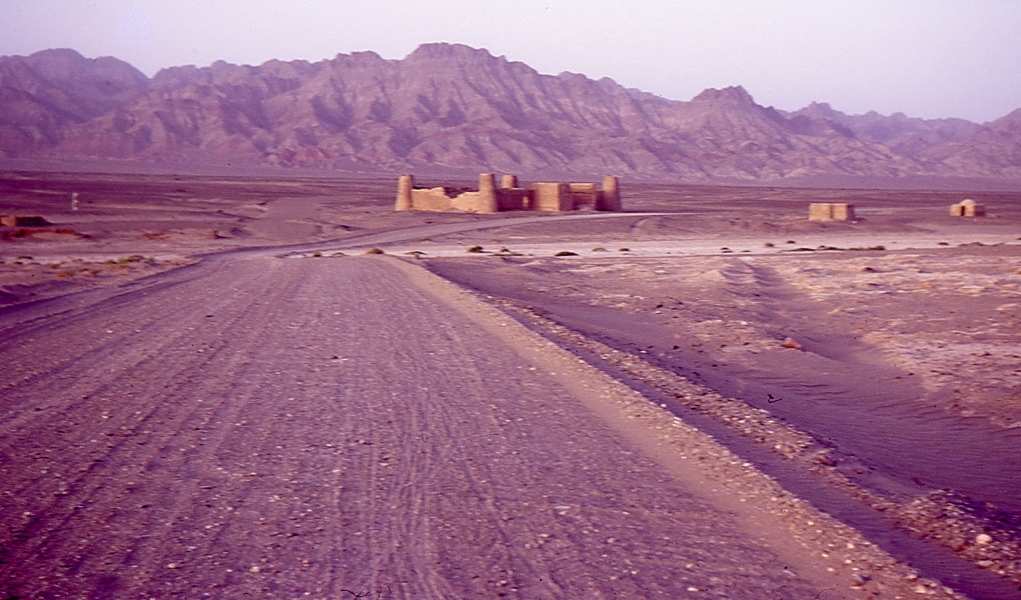
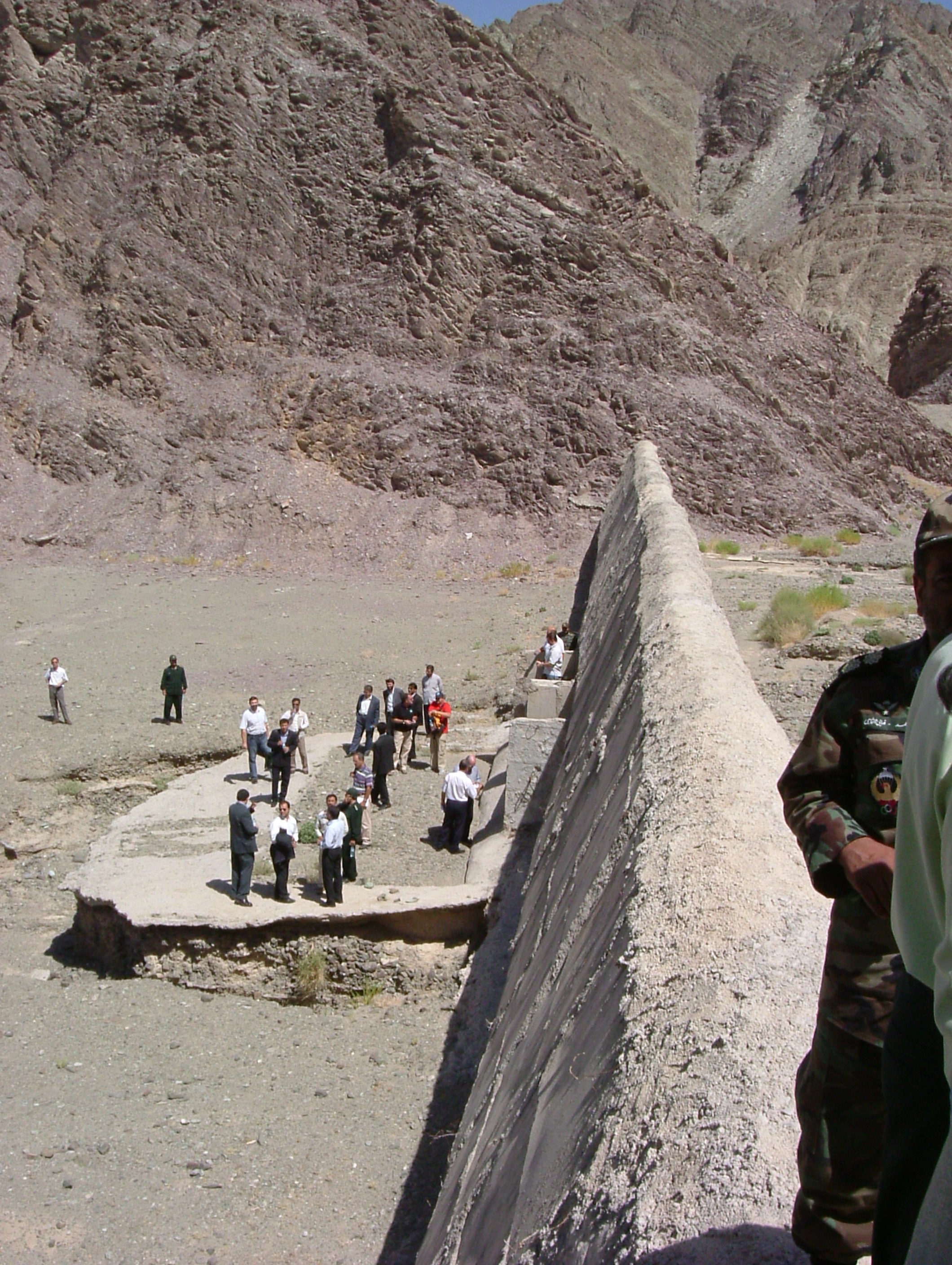
This is a same-day synthesis of published reporting, not independent on-the-ground reporting from Taftan. Sources were reviewed on 18 October 2026 (Asia/Karachi). The Express Tribune report from Quetta provides the Pakistani regulatory account, the Iran-side statement and the EIF memorandum reference. The Pakistan Today report provides the Balochistan government's public line and the figure of 2,000 stranded trucks attributed to the Quetta Chamber. Quotations from the Iranian foreign ministry are drawn from the Express Tribune's translated rendering. KhabarWire did not attend the crossing; the photograph used is a historical file image and does not depict the 18 October events.
- Express Tribune — "Trade at Taftan comes to a grinding halt"Published 18 October 2026 · The sudden Saturday halt at Taftan, the FIA closure, the commerce ministry's withdrawal of the EIF import waiver, the Iranian foreign ministry's statement, and the Quetta Chamber's advisory to traders.
- Pakistan Today — "Pakistan-Iran border temporarily closed over security, smuggling concerns"Published 18 October 2026 · The Balochistan government adviser Shahid Rind's account of the temporary closure, the in-progress discussions between Pakistan and Iran, and the chamber's estimate of 2,000 trucks stranded on both sides.
- Express Tribune — "Quetta chamber urges traders to reject 'negative propaganda' amid Iran border closure"Published 18 October 2026 (Sunday) · The Quetta Chamber of Commerce's conciliatory statement, the commerce ministry's "technical and temporary" assurance, and the reference to incidents on the Pakistan-Iran highway.