Reporting snapshot · 3 November 2026 (Asia/Karachi). The draft deal has not been published, Iran has not released the precise powers granted to its negotiators, and Trump has reversed course on military action before. Several claims here rest on officials briefed on the talks and on Iranian state media.
What changed
President Donald Trump said on Monday, US time, that he was not considering new military strikes on Iran after the US midterm elections, a shift from weeks of threats that had left the region braced for another round of fighting. Asked by reporters whether he was considering striking Iran after Tuesday’s vote, Trump replied “no”, Reuters reported through Geo News. In a post on his Truth Social platform, he said Iran wanted a settlement “as soon as possible” and that an agreement “could happen”, Geo News reported.
Late on Monday, Qatari mediators travelled to Tehran carrying a version of a draft US-Iran agreement that had been under negotiation for eight days, an official briefed on the talks told Reuters. Vice-President JD Vance said Washington had made “some progress” but had not set a deadline for a deal, Reuters reported. The movement came as Iran’s state IRNA news agency reported that Supreme Leader Mojtaba Khamenei had granted the government powers for the talks, according to The Guardian.
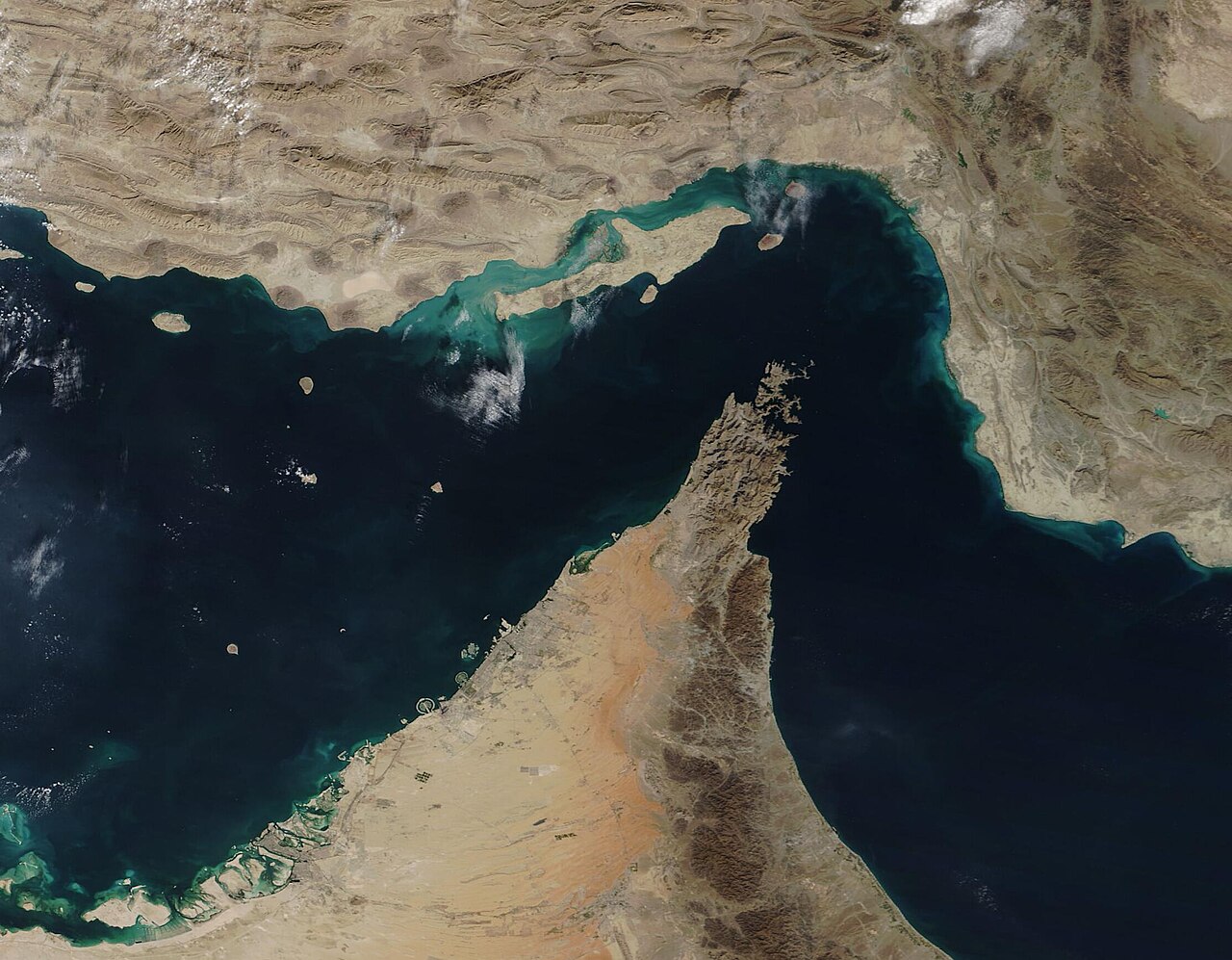
The turn follows Iran’s public offer on 2 November to restore security to the Strait of Hormuz within two days of Washington meeting its conditions. What is new is the American response: a president who had suggested he would strike after the midterms now says an attack is not under consideration, while mediators say a draft is moving between capitals. The wider file is tracked in the Pakistan, Iran and the US mediation hub.
From “the hammer” to a draft
The shift is sharp in tone. At a rally in Iowa on Sunday, Trump said the United States would eventually have to “give them the hammer” unless there was progress, The Guardian reported. He had repeatedly linked a possible resumption of strikes to the outcome of Tuesday’s midterm elections. On Saturday, he told reporters he was not “in much of a hurry” to resume strikes, The Express Tribune reported. By Monday, he was describing the war as something that could end through an agreement.
That does not amount to a settled American position. Trump has threatened escalation and then pulled back before, and his remarks have moved quickly during the eight-month conflict. Vance’s formulation was deliberately conditional: progress had been made, but it remained to be seen whether more could be achieved. No American official has published the terms Washington would accept, and the White House has not set a deadline.
The draft itself is also opaque. Iran’s foreign ministry spokesman, Esmaeil Baghaei, said Tehran’s seven-step proposal remained the basis of the talks but had been condensed so that it could be implemented within two days, Al Jazeera reported. He gave no indication that Iran had dropped any of its demands or that Washington had accepted them.
What the draft would have to settle
Iran’s public conditions, set out by Al Jazeera, go well beyond the waterway. They include ending the US naval blockade of Iranian ports, lifting sanctions on Iranian oil sales, releasing frozen assets and guaranteeing that strikes will not resume. Tehran also wants a regional ceasefire, with Lebanon specifically named in earlier formulations. The Guardian reported that Qatari officials have been trying to negotiate the release of more than $6bn in Iranian assets, a step that could allow the strait to reopen.
The sequencing is the difficult part. Iran says the two-day clock would start only after the United States acts; Washington has not said what it would do first, or how it would verify that Tehran had met its side. The draft has not been published, and the official who described it to Reuters gave no details of its terms. That leaves open whether it is a framework for a ceasefire, a short-term shipping arrangement or a broader settlement that would eventually bring the nuclear file back into play.
Iran’s public position on the nuclear programme remains separate. Tehran has said it will not negotiate on that file under pressure, even as it discusses a return to wider talks, as KhabarWire reported on 2 November. Any wider settlement would still have to address the programme later, which is one reason the current diplomacy is described as a first step rather than a final agreement.
Why Pakistan is watching
Pakistan is not a party to the talks, but it is one of the mediators Iran has named. Foreign Minister Abbas Araghchi said Tehran was engaged in “intensive shuttle diplomacy” through Qatari and Pakistani mediators, involving dozens of telephone calls, The Express Tribune reported. Islamabad has not published the proposals it is carrying or described its channel in detail, leaving its exact influence unclear.
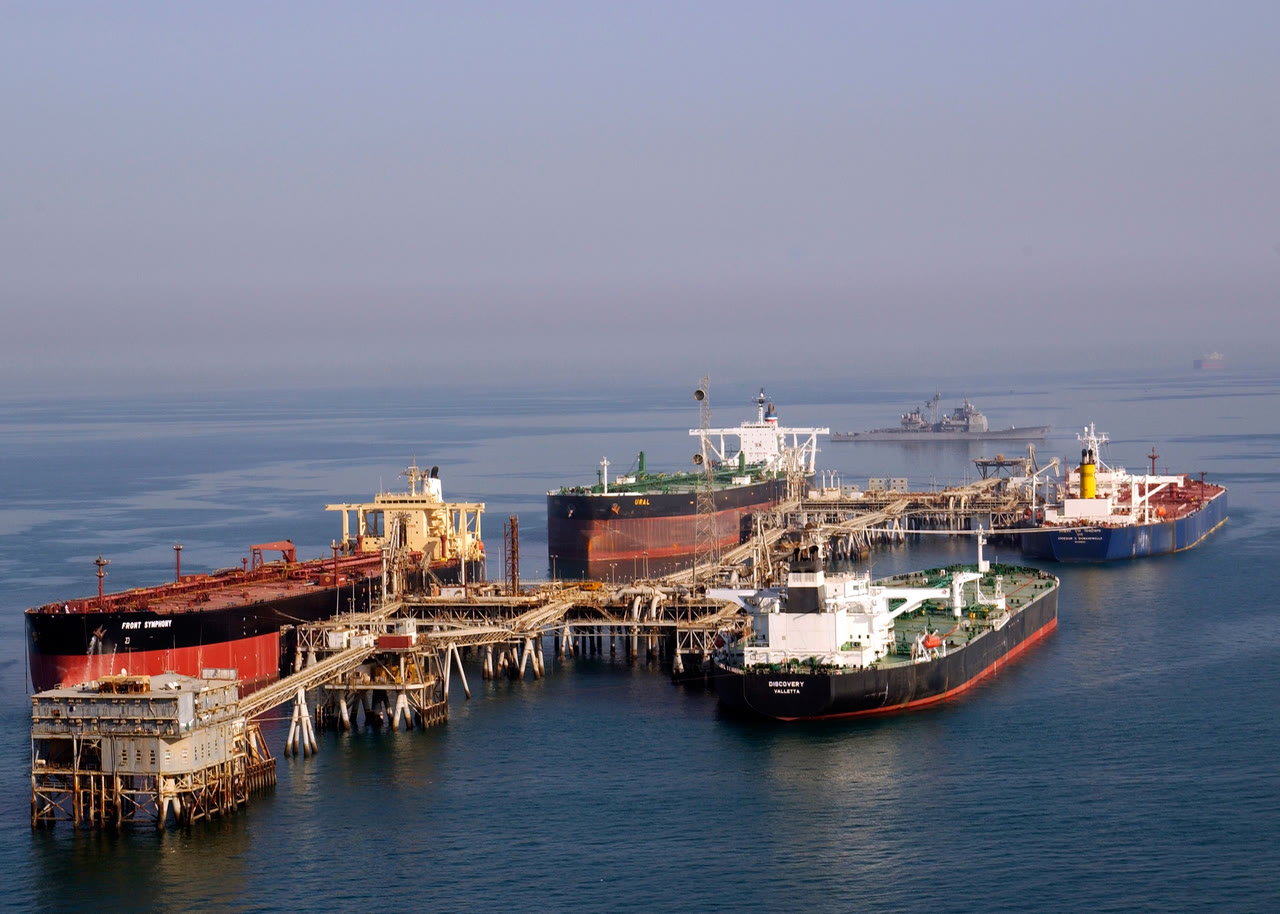
The economic exposure is more visible. Pakistan buys most of its petrol on international markets, and the government cut pump prices for 3 November after crude slid, as KhabarWire reported. A sustained reopening of Hormuz would ease import costs and reduce the risk to liquefied natural gas supplies; QatarEnergy has extended force majeure on LNG deliveries to Pakistan until 29 December, as KhabarWire recorded. Even a deal would not immediately restore shipping confidence, because insurers and tanker operators would need to judge the route safe.
The market reaction
Oil markets treated the diplomacy as a breakthrough. Brent crude fell more than 6.5 per cent to as low as $105.55 a barrel on Monday, its lowest level since 16 October, The Guardian reported. Shares in British Airways’ parent company, IAG, rose 4.2 per cent in London, United Airlines jumped 7 per cent in New York, and the yield on ten-year UK government bonds fell 10 basis points.
The move is a measure of how much war risk had been priced into crude, not evidence that the risk has gone. Brent remains above $100 a barrel, and the strait is still disrupted. Chris Beauchamp, chief market analyst at the trading platform IG, said the news was “manna from heaven” for stock markets but warned that Trump could still “try one last throw of the iron dice after the midterms”, The Guardian reported.
What is still uncertain
The first unknown is whether Trump’s statement survives the midterms. He has repeatedly used the promise of military action as leverage, and a change in the political weather in Washington could revive the threat. Trump also repeated on Monday that preventing Iran from acquiring a nuclear weapon is his bottom line, he said, a demand Tehran has so far refused to discuss under pressure.
The second is the scope of Khamenei’s reported authorization. Iran’s state media says the government has been granted powers for the talks, but the text of that instruction has not been published and it is not clear whether it covers the nuclear file, the sanctions relief Iran wants or only the immediate reopening of the strait. Neither The Guardian nor Al Jazeera published the text, and the scope of the authorization remains unconfirmed.
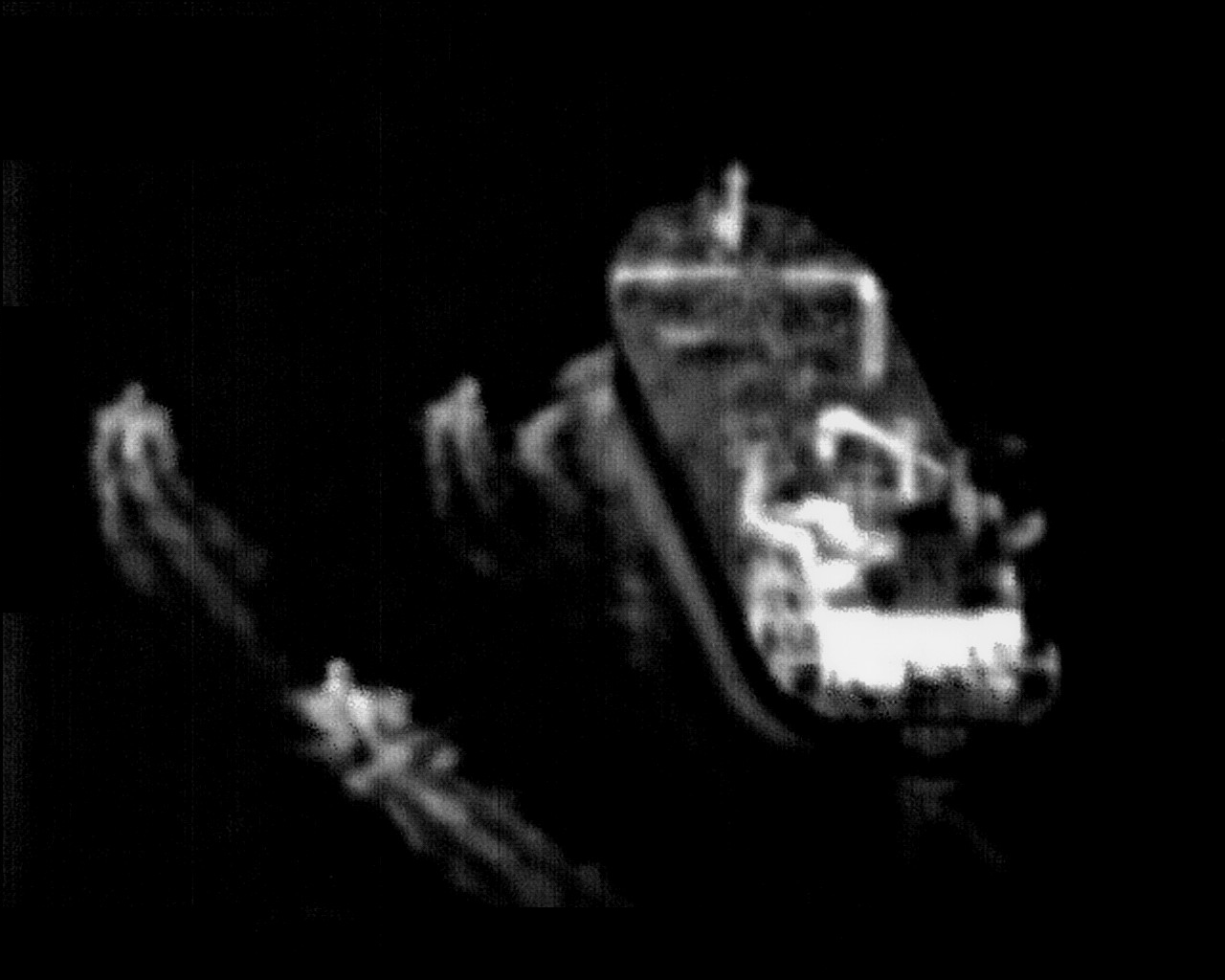
The third is whether the draft can survive the week. Several explosions were heard on Iran’s Qeshm Island on Monday, the official IRNA news agency reported, without giving a cause, Reuters reported through Geo News. Shipping in the strait has been attacked repeatedly during the war, and a single incident could undo the diplomatic momentum. No follow-up meeting has been scheduled, no text has been released and no deadline has been set, which leaves the ceasefire closer than it was on Sunday but still short of an agreement.