Reporting snapshot · 3 November 2026 (Asia/Karachi). The account rests on anonymous US officials and Iranian state media. Washington has issued no formal statement, Tehran has not confirmed the cause of the explosions, and no damage or casualty figures have been released.
What happened
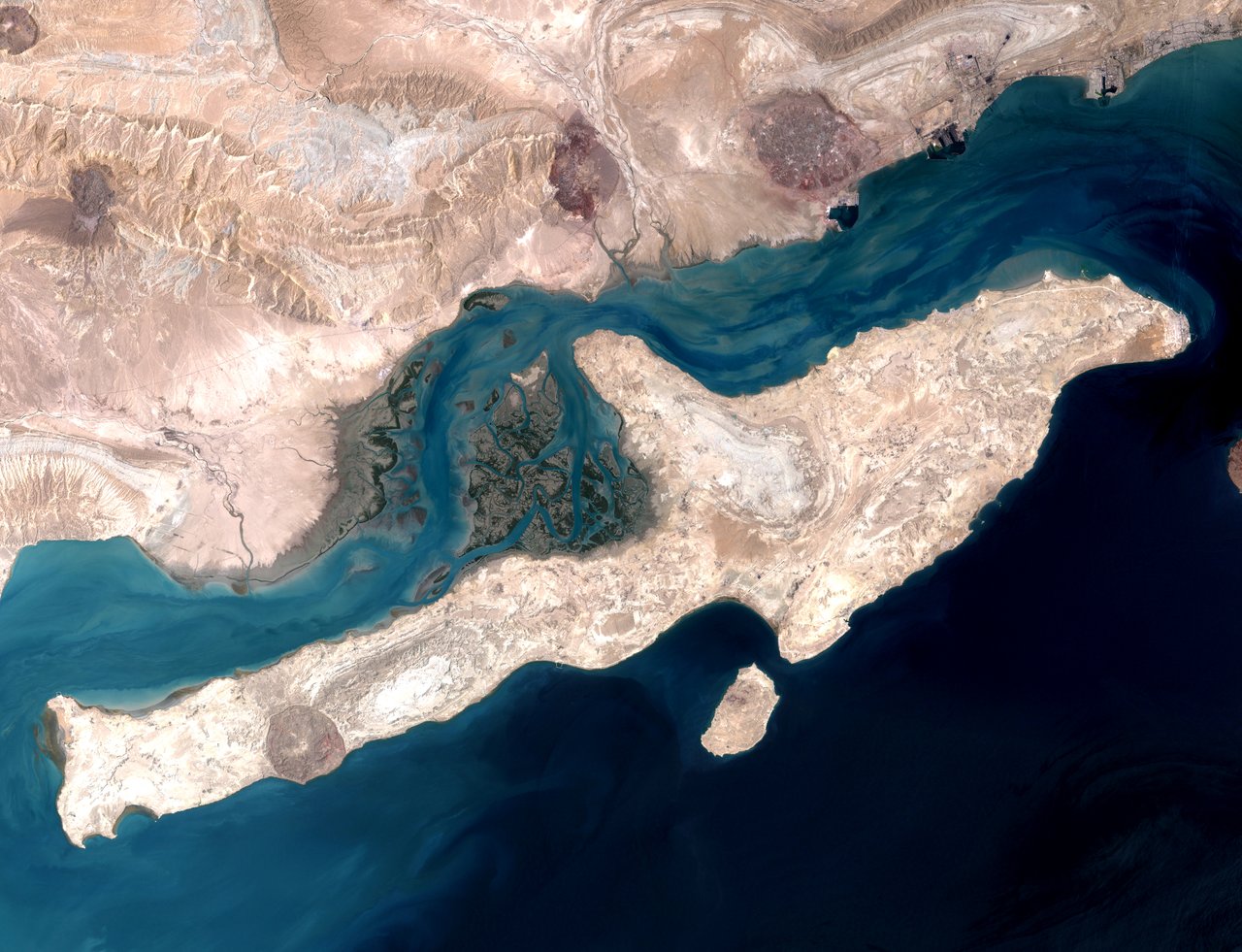
US officials confirmed early on Tuesday, Pakistan time, that American forces had carried out limited “defensive” strikes on Iran’s Qeshm Island, hours after President Donald Trump said new strikes were not under consideration, a turn KhabarWire reported earlier. Explosions struck the island late on Monday, US time, and the targets were described as Iranian positions in the Strait of Hormuz. The Wall Street Journal first reported the operation, citing US officials, and Al Jazeera reported that several blasts were heard in quick succession on Qeshm, according to Iran’s state-owned IRNA news agency, while the semi-official Fars agency reported explosions in the port city of Bandar Lengeh.
Three US officials told CNN that the military carried out limited strikes on Qeshm and described them as defensive, intended to protect American assets in the region. One official said the attack came in response to Iran firing at a US aircraft. Another said: “This was a defensive measure for Iranians using surface to air missiles against US assets.”
The Associated Press, in a report published by NBC News, quoted a US official, who was not authorised to speak publicly, as saying the targets were Iranians using surface-to-air missiles against US assets. The official said the strikes appeared limited rather than a return to full hostilities. The AP reported that the administration’s last known attacks were in early September.
Neither Washington nor Tehran issued an immediate formal statement. Al Jazeera reported that there was no immediate comment from authorities in either country, while Iranian state media reported the explosions without giving a cause. The accounts differ in emphasis: US officials describe a narrow, defensive action, while Iranian media have so far reported only blasts and overflights.
Why Washington called the strikes defensive
The US officials’ language is central to how the operation is being understood. They did not describe a new bombing campaign, and CNN reported that the action did not appear to be the kind of major combat operation officials had been contemplating. The Wall Street Journal reported that other such strikes had been carried out previously in secret, suggesting a pattern of limited attacks that Washington has not publicly advertised.
According to Al Jazeera, Fox News and Axios reporters said the strikes followed an attempt by Iran’s Islamic Revolutionary Guard Corps to fire at a US aircraft in the Strait of Hormuz on Monday. Fox News reporter Jennifer Griffin, cited by Al Jazeera, said the incident did not mark “the start of expanded strikes by the US”. The IRGC had earlier claimed it had captured two US reconnaissance drones south of Qeshm and destroyed an MQ-9 drone east of the strait. Those claims have not been independently verified.
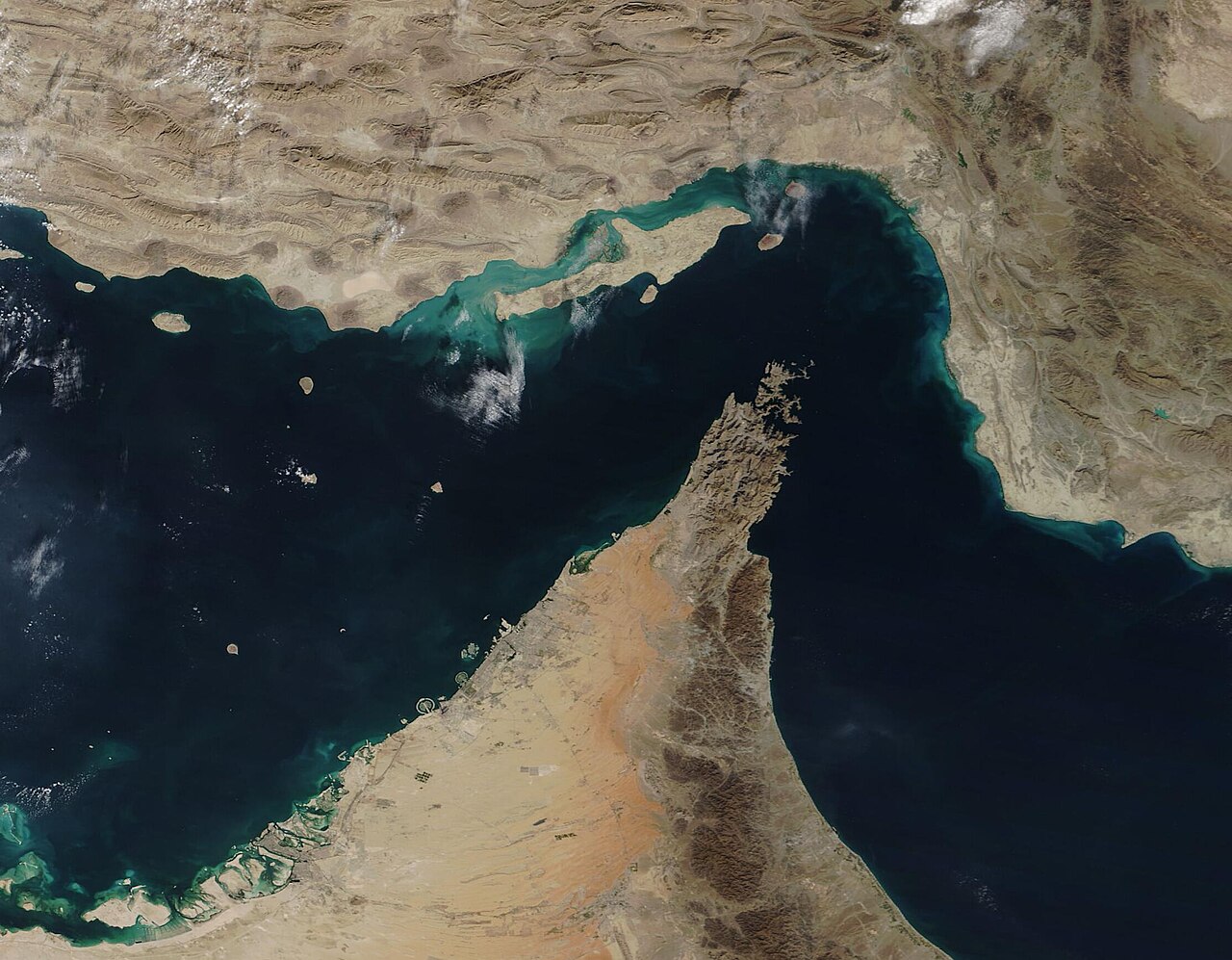
Qeshm is strategically important out of proportion to its size. The island lies about 14 miles from the Iranian port city of Bandar Abbas and is central to Iran’s ability to control traffic through the Strait of Hormuz, through which about 20 million barrels of oil passed every day before the war, CNN reported. The US has targeted the island earlier in the conflict, according to CNN, which makes the latest strikes a return to a familiar pressure point rather than a new front.
What it means for the draft deal
The timing is awkward for the diplomacy. On Monday, President Donald Trump told reporters he was not considering new strikes on Iran after Tuesday’s midterm elections, and wrote on his Truth Social platform that a deal “could happen”, the Associated Press reported. Vice-President JD Vance said Washington had made “some progress” in indirect talks and that Trump retained both “kinetic” and non-kinetic options, CNN reported. Yet US officials also confirmed that American aircraft had struck Iranian territory.
That does not mean the talks have collapsed. The operation was described as limited and defensive, and Iran has not publicly announced a response. But it exposes the gap between the conciliatory signals from Washington and the military pressure still being applied. It also gives Tehran a fresh grievance at a moment when Iranian officials say the United States must lift its naval blockade and end hostilities before any agreement can take effect.
Iran’s foreign ministry spokesman, Esmaeil Baghaei, said Tehran’s proposed plan to reopen the Strait of Hormuz had been condensed and could be implemented within two days if Washington met its conditions, Al Jazeera reported. He said the “ball is in the US court”. Qatari mediators have been carrying a draft between Washington and Tehran, and Pakistan is one of the channels Iran has named. The strikes do not necessarily end that process, but they raise the cost of the next round and make it easier for hardliners on both sides to argue that the other is negotiating in bad faith.
The American political calendar adds another variable. The strikes came on the eve of US midterm elections, and the Associated Press reported that Israeli Prime Minister Benjamin Netanyahu has been pressing Trump for a wider wave of strikes after the vote. Trump has alternated between threatening major action and promising a deal, and the latest operation shows that limited military action can continue even while diplomats talk.
Why Pakistan is watching
Pakistan is not a party to the talks, but it has been one of the mediators Iran has publicly named. Foreign Minister Abbas Araghchi has described “intensive shuttle diplomacy” through Qatari and Pakistani mediators. Islamabad has not published the proposals it is carrying, so its influence remains difficult to judge.
The economic exposure is clearer. Pakistan imports most of its petrol, and the government cut pump prices for 3 November after crude slid on hopes of a breakthrough, as KhabarWire recorded. A wider escalation would reverse that relief and add pressure to the rupee and the import bill. QatarEnergy has already extended force majeure on liquefied natural gas deliveries to Pakistan until 29 December, as KhabarWire reported, and any renewed fighting around Hormuz would delay a return to normal shipping.
The immediate market reaction will depend on whether the strikes are seen as a one-off. Oil prices had fallen sharply on Monday on peace hopes; a sustained Iranian response or an evident US campaign would quickly change that calculation. The wider file is tracked in the Pakistan, Iran and the US mediation hub.
What is still uncertain
The first unknown is the exact scope of the operation. US officials spoke anonymously and gave differing accounts of the targets. CNN’s sources described limited strikes on Qeshm; the AP’s source described strikes on Iranian targets in the Strait of Hormuz. No official list of targets, damage assessment or casualty figure has been published, and Iran has not confirmed what was hit.
The second is whether Iran will respond. The IRGC’s earlier claim to have downed US drones suggests it is active in the same airspace. A measured response could keep the diplomatic track alive; a strike on US assets or Gulf shipping would put the draft deal in serious jeopardy. Fox’s reporting that the strikes were not the start of an expanded campaign rests on an anonymous official’s account, not a guarantee.
The third is what the operation means for the talks. No negotiating round has been cancelled publicly, and both sides continue to signal interest in a deal. But the gap between Trump’s public denial of new strikes and the confirmed operation will make Iranian officials more cautious about accepting American assurances, particularly on a ceasefire that is meant to hold while talks proceed.
For now, the confirmed facts are narrow: explosions on Qeshm, US officials acknowledging limited strikes, and a diplomatic process that is still formally alive. Whether this becomes a footnote in the negotiations or the moment they unravel will depend on what happens in the next few days, not on the conflicting descriptions offered overnight.