Reporting snapshot · 21 October 2026 (Asia/Karachi). This article draws on Pakistani, Iranian and international reporting reviewed on 21 October. Accounts of whether the crossings are physically open conflict, and the practical terms of the reopening remained unsettled at the time of writing. Treat the border status below as a dated snapshot, not a live tracker.
What changed
Field Marshal Syed Asim Munir said on Tuesday, 20 October, that the Pakistan-Iran border had reopened, closing a shutdown that had stranded cargo at two crossings in Balochistan since Saturday, 18 October. He made the announcement in Tehran during meetings with Iran’s leadership, and Iran’s state news agency IRNA published the remarks.
“We explicitly state that the issues concerning the Iran-Pakistan border have been resolved, and the border has been reopened as of this morning,” Munir was quoted as saying, The Express Tribune reported. In a separate meeting he described the recent disruption as “temporary and technical” and said crossings between the two countries had reopened, the Tribune said.
This reversed the closure covered in our 18 October report, when Pakistan’s Federal Investigation Agency shut the Taftan immigration gate and the commerce ministry withdrew the export-import form waiver for Iran, stranding roughly 2,000 trucks. The affected crossings were Taftan and Gabd-Rimdan, and the shutdown cut off liquefied petroleum gas and fresh food shipments.
Munir’s trip was the outcome of the visit previewed on 20 October. He travelled with Interior Minister Mohsin Naqvi and met President Masoud Pezeshkian, parliament speaker Mohammad Bagher Ghalibaf, foreign minister Abbas Araghchi and Mohsen Rezaei, secretary of the Supreme National Security Council. It was his fifth visit to Iran since the April ceasefire.
Reports on whether the crossings actually opened
The announcement and the physical situation do not fully match. The IRGC-affiliated Fars news agency reported that checks showed the crossings were still closed as of 9 p.m. on 20 October, and that Pakistani customs authorities had declined to reopen them despite the talks, Iran International reported.
The same report said the Pakistani side had proposed a limited arrangement starting on Wednesday, 21 October, covering imports from Pakistan into Iran, the unloading of gas tankers stranded at border customs facilities, and Iranian fruit and vegetable exports. Fars cited local sources saying the proposal would mainly meet Pakistan’s needs while leaving Iran’s own border trade problems unresolved.
Iran International separately reported that commercial traffic through Taftan and Gabd-Rimdan remained suspended on 20 October, with passenger movement continuing at Gabd-Rimdan. It attributed the differing explanations to each side: Pakistan described the suspension as a temporary security and anti-smuggling measure, while Iran cited technical difficulties. Iran’s foreign ministry spokesman Esmaeil Baqaei said the two countries remained in contact.
The same outlet put the backlog at around 3,000 trucks at Rimdan, with some drivers waiting 20 to 30 days, and said no timetable for resuming full commercial traffic had been announced by 20 October.
In short: a reopening was announced by Pakistan’s army chief and reported by Iranian state media, while an IRGC-linked outlet said the gates were still shut hours later and only a partial, one-directional arrangement was under discussion. Both accounts are recorded here rather than reconciled into a single claim, because the difference is material to traders and importers.
What Tehran told Pakistan about US talks
The mediation track produced no breakthrough. Tehran restated the position that had stalled the Pakistan-hosted process.
Rezaei told Munir that no enriched nuclear material would leave Iran, Pakistan Today reported, quoting IRNA. “Not even a single particle of enriched nuclear material will leave the country; these materials constitute a major asset and national wealth for the Iranian people, intended for domestic use,” he said, adding that Iranian officials and the public were united in opposing negotiations until Washington took concrete steps to build trust.
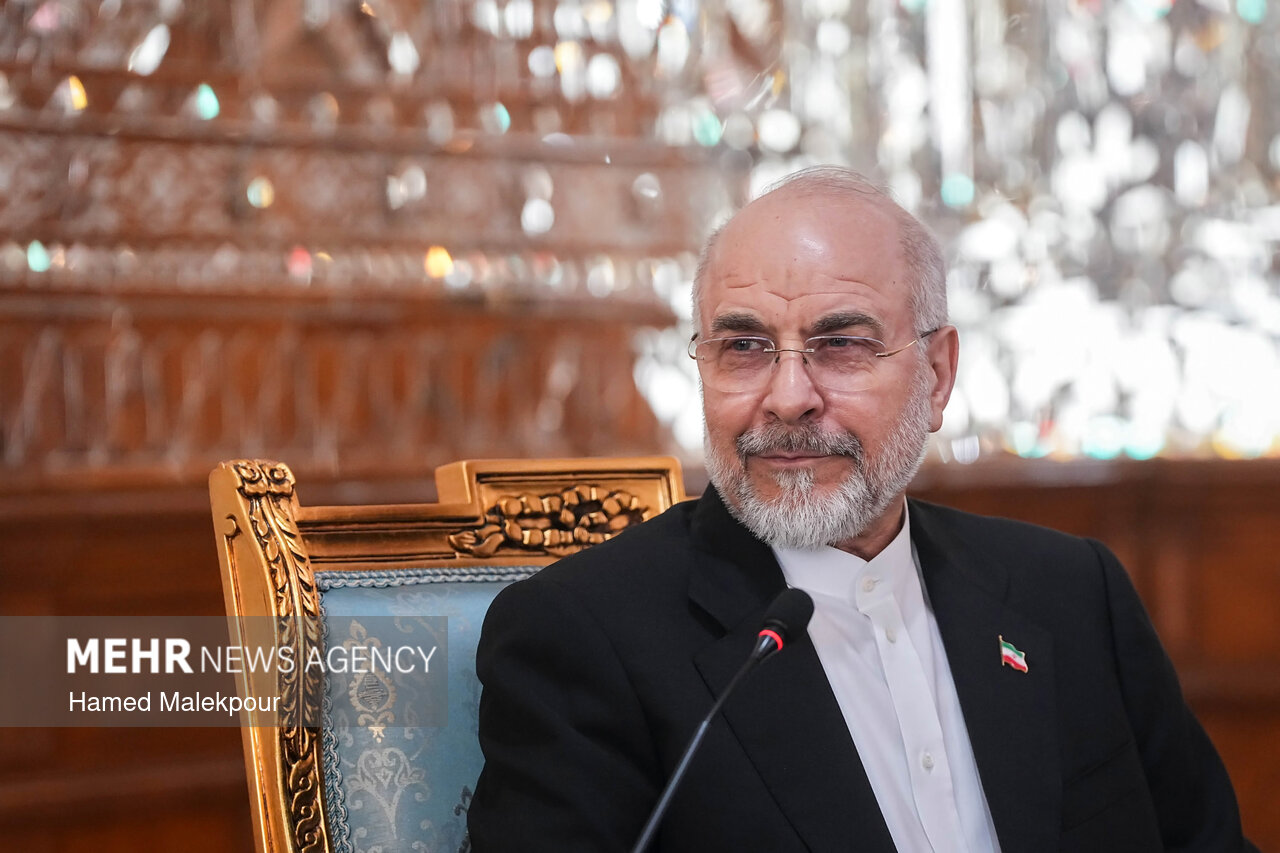
Ghalibaf told the army chief that Tehran had “nothing new to say” to Washington, which must first fulfil the seven conditions Iran presented in New York. He accused the Trump administration of violating what he called the Islamabad understanding, and said threats and military manoeuvres could not change Iran’s strategic decisions, the Tribune reported.
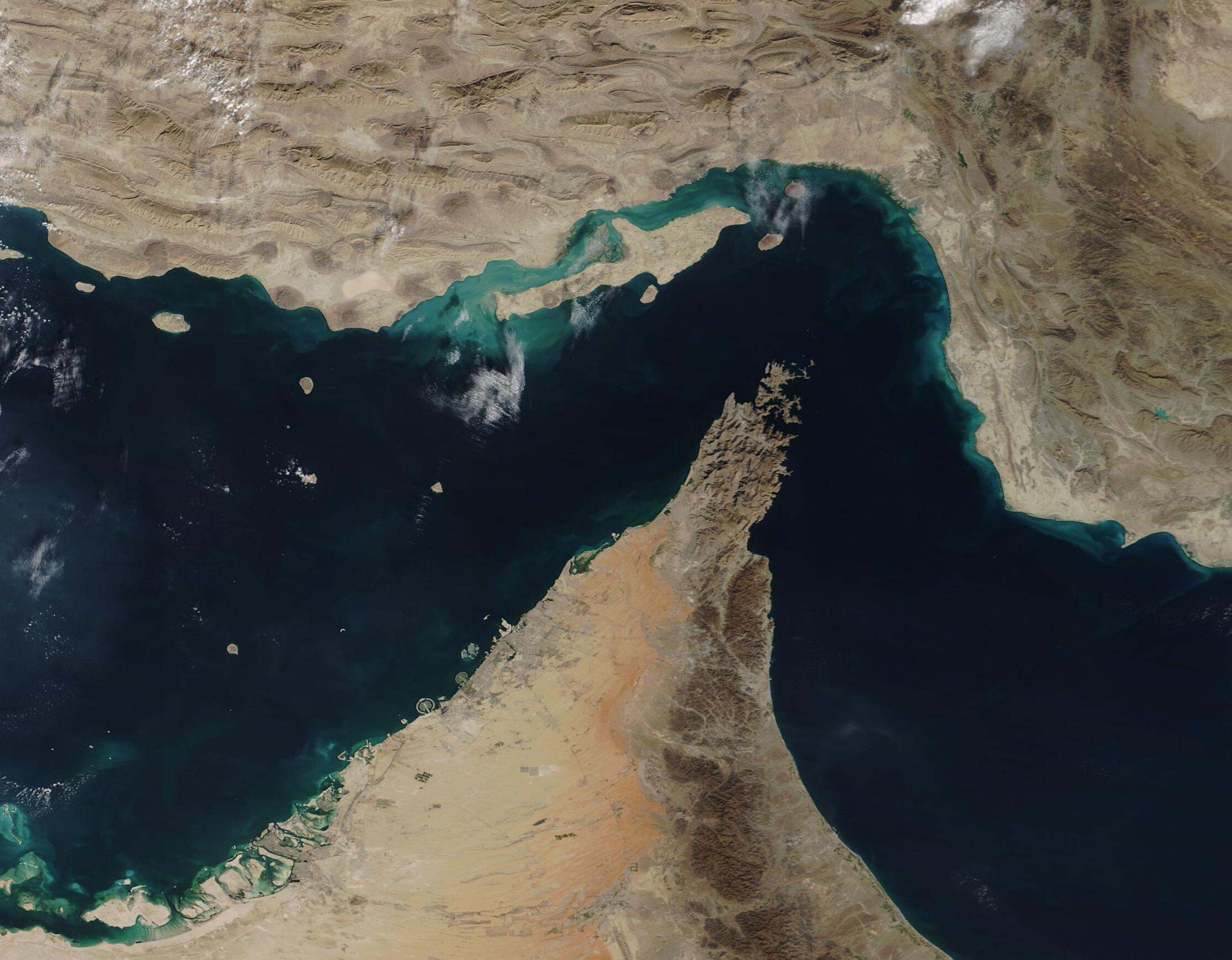
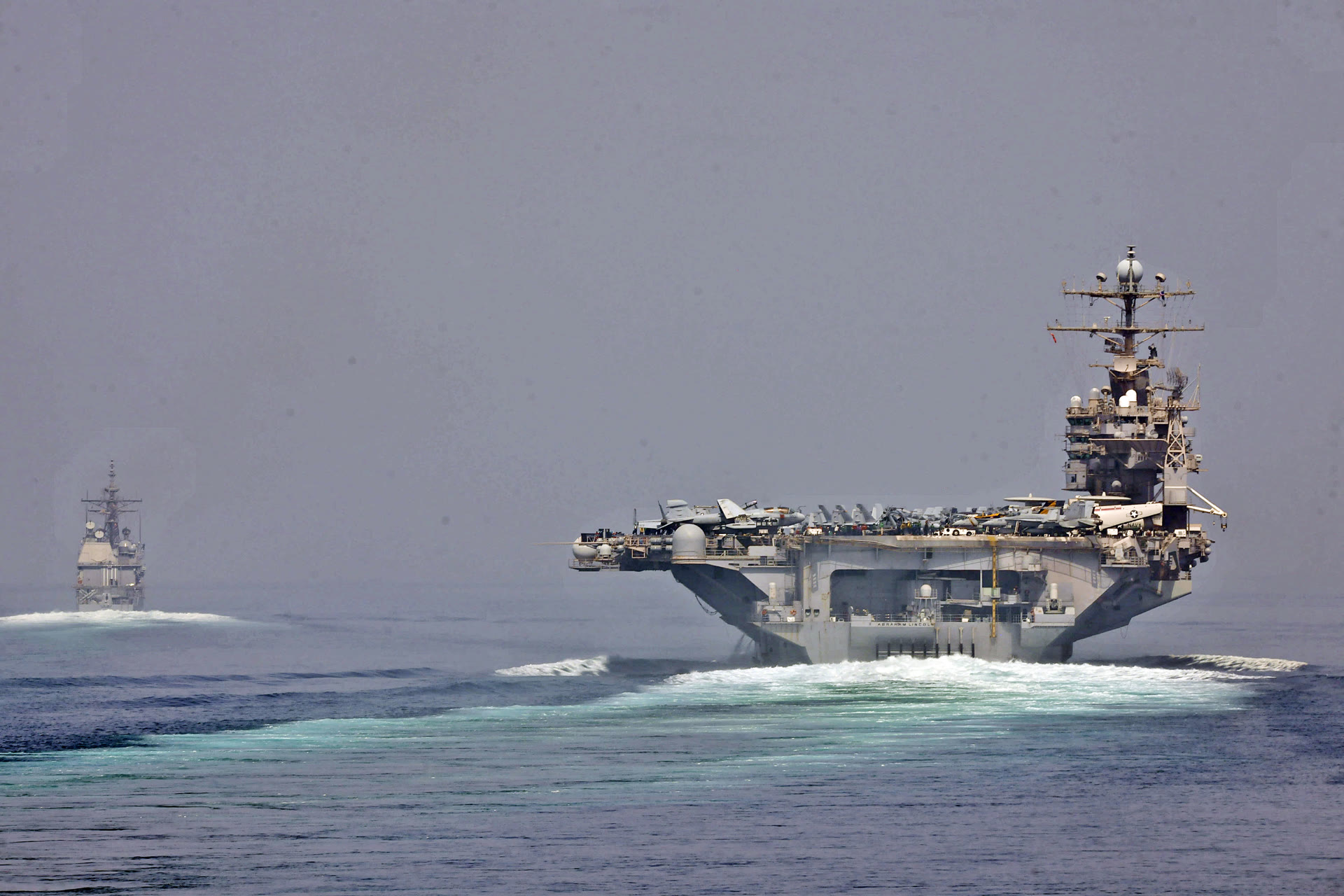
Pezeshkian thanked Pakistan for its diplomatic efforts but said pressure, threats and sanctions had to be removed before negotiations could proceed, blaming Washington for regional tensions including disruption around the Strait of Hormuz.
Iranian readouts said Munir carried a message between the sides and received what was described as a “clear, serious and explicit” Iranian response to a message from the Americans. Neither was disclosed. Baqaei said the talks covered the negotiations but were “mainly focused on bilateral relations and strengthening interactions and cooperation.”
Why the border matters commercially
Iran’s dependence on land routes has grown during the conflict. Before the war and the blockade of its southern ports, more than 80 percent of Iran’s foreign trade passed through the ports of Rajaei and Khomeini, Iran International reported. The crossings lack capacity to replace maritime trade.
Iran and Pakistan had set a target of raising annual bilateral trade to $10 billion, a goal complicated by border disruptions, banking difficulties and limited freight capacity. Pakistan’s interest is direct: Iran remains a supplier of liquefied petroleum gas, and fresh produce moves the other way. Any reopening under the reported partial terms would run largely one way, relieving pressure on Pakistani exporters and stranded gas tankers without resolving Iran’s own backlog.
The tension this visit exposes
Munir’s trip came with Houthi missile and drone strikes on Saudi Arabia’s King Khalid International Airport, Abha, Yanbu and Shaybah, and with Pakistan bound to defend Saudi Arabia under the Makkah Joint Defence Agreement. Al Jazeera’s analysis noted that Pakistan is trying to hold three relationships at once: its pledge to Riyadh, its channel to Tehran, and its leverage in Washington.
Andreas Krieg, an associate professor at King’s College London, told Al Jazeera that Pakistan offers political access, particularly through Munir, while Qatar does much of the detailed negotiating. He said the Islamabad MoU was “politically alive” but “operationally dead”. Umer Karim of the King Faisal Centre in Riyadh disagreed, saying the MoU remained usable as the minimum agreed benchmark between Washington and Tehran.
On the US side, President Donald Trump wrote on 8 October that he would not attack Iran before the November midterms.
What is still uncertain
The border’s status is the largest open question. Munir’s announcement, IRNA’s publication of it, and Fars’ report of closed crossings hours later cannot both describe the same moment at every gate. Pakistani and Iranian accounts of the cause also diverge, with each side citing security and anti-smuggling measures on one hand and technical problems on the other. Whether the reported partial arrangement from Wednesday took effect was not established in the reporting reviewed for this article.
The scale of the backlog is also uncertain, with roughly 2,000 trucks reported stranded at the start of the closure and about 3,000 at Rimdan in later reporting, and the figures may describe different points in time or different crossings.
On diplomacy, the content of the American message that Munir reportedly carried, and of Tehran’s response, was not disclosed. No date has been set for resumed direct US-Iran talks, and no extension of the Islamabad MoU has been announced. Al Jazeera reported that an Iranian parliamentary spokesman described the trip as focused on bilateral relations and border cooperation rather than a new mediation initiative, which sits uneasily with Iran’s foreign ministry spokesman’s statement that the US negotiations were discussed.
Sources & reporting notes
This is a synthesis of published material, not eyewitness reporting. Sources were reviewed on 21 October 2026.
- The Express Tribune — Pak-Iran border reopens as CDF visits Tehran21 October 2026 · Named quotations from Munir, Ghalibaf, Rezaei and Pezeshkian via Iranian readouts; details of the border announcement and the meeting sequence.
- Pakistan Today — Iran rules out sending enriched nuclear material abroad as CDF Munir pushes to revive US talks21 October 2026 · Independent confirmation of the reopening announcement, Iran's enriched-uranium position, and the Taftan and Gabd-Rimdan suspensions.
- Iran International — IRGC outlet says Iran-Pakistan border remains closed despite Munir announcement20 October 2026 · The conflicting Fars report on crossings still closed at 9 p.m., the reported partial arrangement, truck backlog figures, and both governments' stated reasons.
- Al Jazeera English — Pakistan army chief in Tehran: Can diplomacy prevent new US-Iran fighting?20 October 2026 · Independent analysis of the mediation track, the status of the Islamabad MoU, and Pakistan's competing Saudi and Iranian commitments.