Reporting snapshot · 8 November 2026 (Asia/Karachi). Saudi Arabia has confirmed the damage to its own building, but the account of the attack comes from the Saudi-led coalition, which has an interest in showing that its air defences worked. The Saudi strike near Sana'a that killed 33 people is described by the Houthi-run health ministry and has not been confirmed by Riyadh. Both sides' accounts of Sunday's fighting may still change.

What was fired at Riyadh
On Sunday, 8 November, Houthi ballistic missiles were fired at Riyadh again, two days after the interceptions over Najran and the Makkah region that KhabarWire reported on 6 November, and this time falling debris damaged a building in the capital’s financial district.
The Saudi-led coalition said its air defences had destroyed several ballistic missiles launched by Yemen’s Houthis towards the kingdom, including two aimed at Riyadh and another towards the Eastern Province, with two further missiles intercepted in the southern region and a drone shot down, Al Jazeera reported. Major-General Turki al-Maliki, the coalition’s spokesman, put it that way in statements on Sunday.
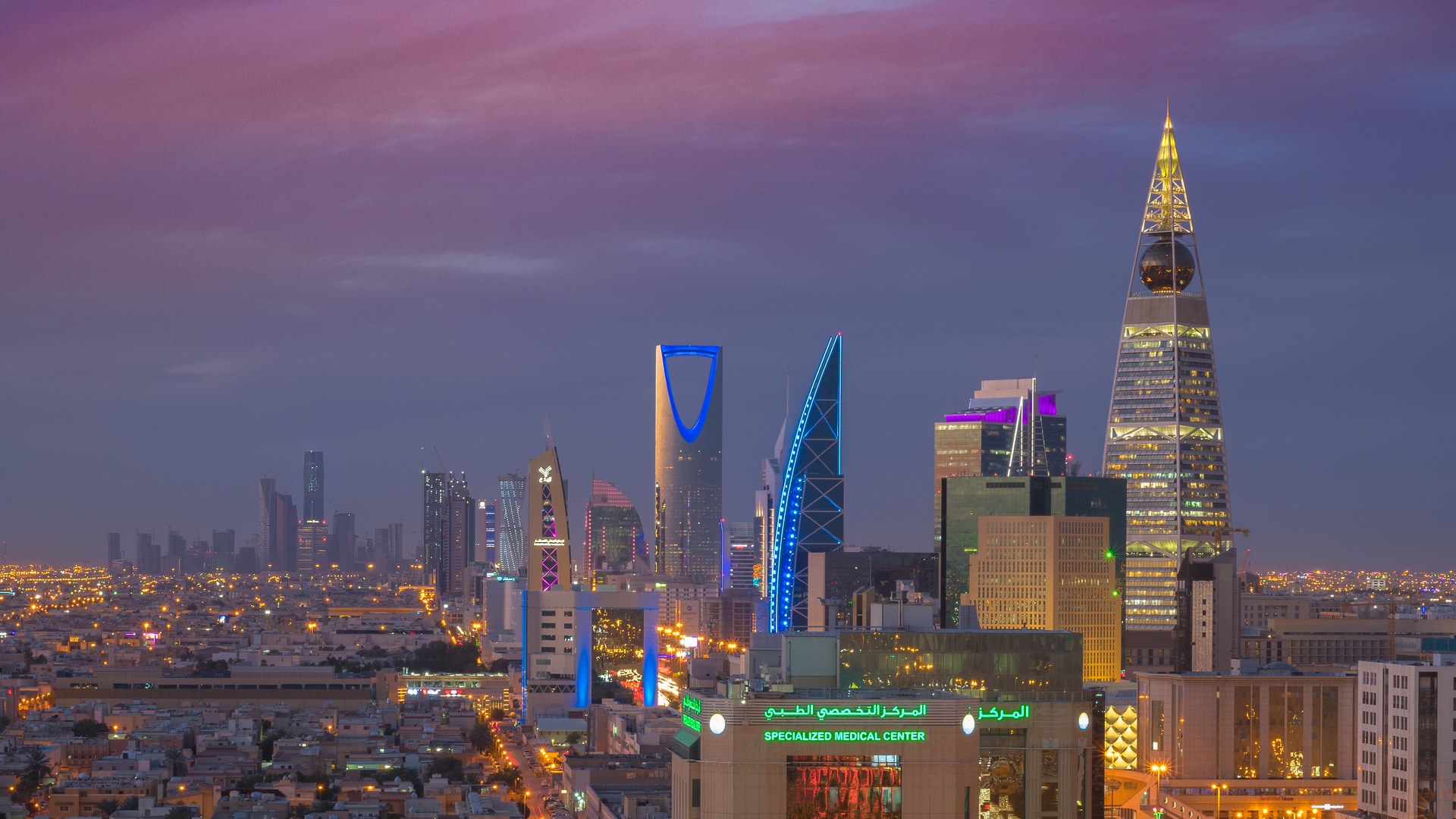
Saudi Arabia’s Energy Ministry then confirmed that an administrative building belonging to Saudi Aramco in the capital had been damaged. Saudi state media, citing a senior source at the ministry, said the building was hit by falling shrapnel with no casualties; France 24 carried the ministry’s description of an “attempted” attack that caused limited damage. A Reuters witness saw blown-out windows across several floors of the Aramco Tower, one of the tallest buildings in the King Abdullah Financial District, and heard multiple loud booms in Riyadh shortly after Saudi Civil Defence issued an early-warning alert of a potential threat in the region, Reuters reported through The Express Tribune. Authorities later said the danger had passed. Saudi Civil Defence also issued and then lifted warnings in several areas of the Eastern Province, including Dhahran, where state oil giant Saudi Aramco is based, Reuters reported.
The group’s attacks since July have reached the kingdom’s airports, refineries and pipeline pumping stations; the damage reported on Sunday falls instead in the capital’s financial core. Aramco’s headquarters had already suffered extensive damage in an attack in October, and a strike on King Khalid International Airport on 10 October killed 13 people and wounded more than 300, according to Saudi authorities, Reuters reported. The Houthis made no claim on the 8 November salvo, and Aramco did not respond to Reuters. Al Jazeera reported that a Houthi leader, Mahdi al-Mashat, has vowed the group will take revenge for the latest attacks in Yemen.
The strike on Bani Hushaysh
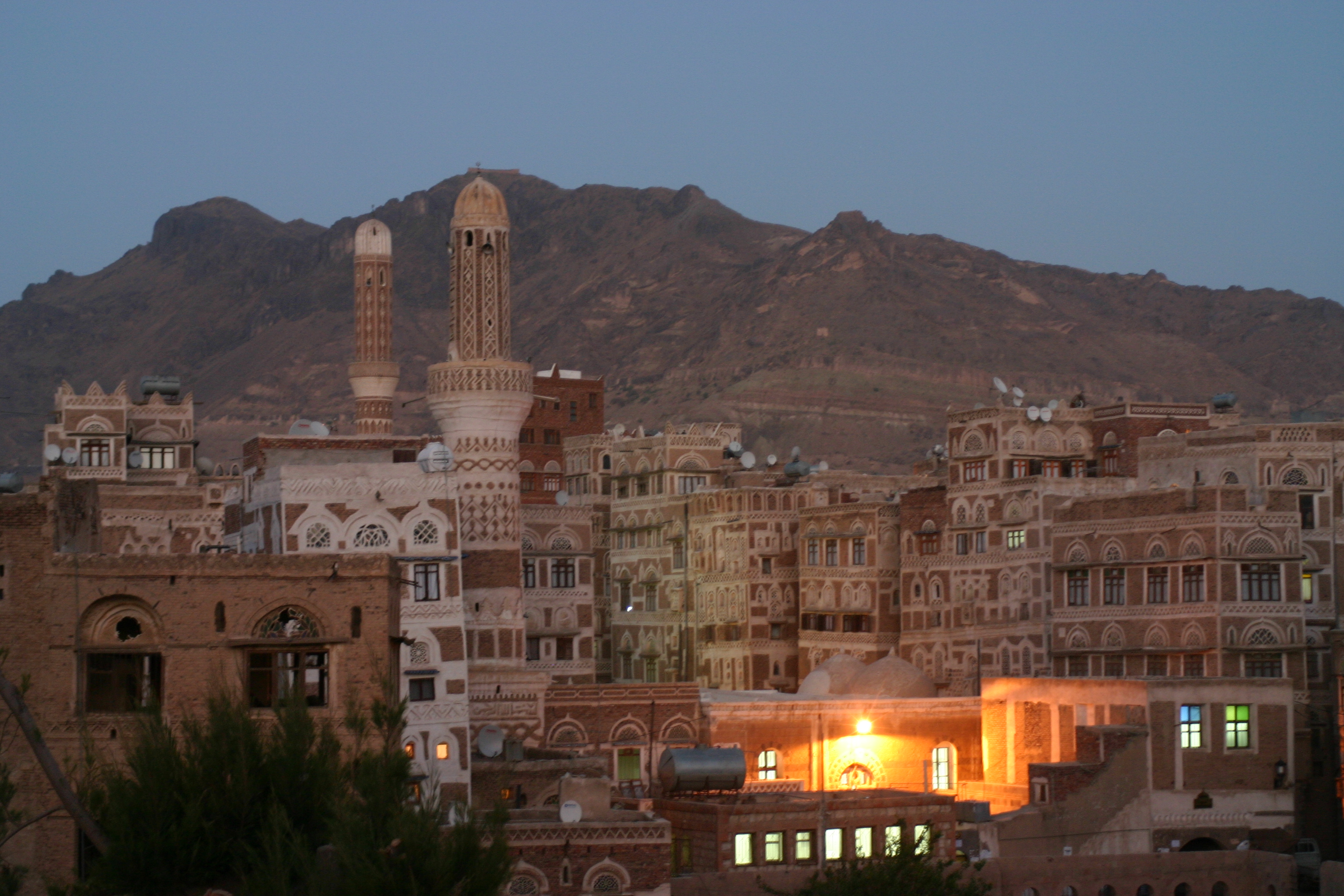
The salvo came a day after what Reuters described as one of the deadliest reported attacks since the fighting between Saudi Arabia and the Houthis resumed in July. Spokesman Anees al-Asbahi said on Sunday that at least 33 people were killed and 39 wounded when coalition aircraft struck al-Shariiyah village in the Bani Hushaysh district east of Sana’a, DW reported. Eight of the dead were women and 13 were children, al-Asbahi said, and the strikes hit homes, roads, paramedics and civil defence teams. Reuters said it could not independently verify the account, and Saudi Arabia’s Center for International Communication said it was investigating, The Express Tribune reported.
A day earlier, an attack on a market in Taiz province killed 30 people, and the two sides blamed each other, BBC News reported. Yemeni government forces said on Saturday they had carried out 875 operations against the Houthis, claiming 130 fighters and commanders killed or incapacitated, Reuters reported. The Houthi military spokesman Yahya Saree said the coalition had carried out 105 air strikes and missile attacks over 24 hours across Sanaa and seven other governorates, taking the total since the escalation began to 4,369, Al Jazeera reported. The United Nations says more than 1,600 people have been killed and almost 300,000 displaced since the 2022 truce collapsed in July, Al Jazeera reported.
What it means for Pakistan
Pakistan’s exposure runs through the Makkah Alliance for Defence, which it signed with Saudi Arabia and Türkiye on 7 August and which treats an armed attack on one signatory as an attack on all three. Islamabad has framed the pact as defensive: Pakistani forces would defend Saudi soil but would not cross into Yemen, KhabarWire reported. The alliance has widened around that core, with Saudi Arabia signing a defence-ministries agreement with Syria in Riyadh on 4 November as Damascus weighed joining the pact. The file is tracked in KhabarWire’s Makkah Defence Pact hub.
Energy is the sharper exposure. The lanes that carry Pakistan’s crude and LNG have been hit repeatedly: the Islamic Revolutionary Guards said on Sunday that three oil tankers had caught fire in the Strait of Hormuz while sailing an unauthorised channel, and the British maritime agency UKMTO reported a tanker on fire off Khasab in Oman with its crew evacuated, France 24 reported. Pakistan is already short of cargoes for the winter, with ten planned against the twenty it needs, KhabarWire reported. A widening war on this front raises the price and the risk of that supply rather than lowering it, at the same time as Islamabad is pressing Tehran, through its own mediation track, to reopen the strait.
What is still uncertain
The damage is confirmed; the cause rests on one side’s account. Riyadh’s Energy Ministry has said the building was damaged by falling shrapnel, and a Reuters witness saw the broken windows, but whether the fragments came from a missile the coalition says it destroyed cannot be independently checked. The interception claims are the coalition’s own, and no third party has verified them.
The 33 deaths near Sana’a come from the Houthi-run health ministry, and Riyadh has not confirmed the strike. The hospital director in Sanaa, Abdul-Aziz al-Dailami, said many victims remained trapped under the rubble, including first responders. How many of the dead were children, and whether rescue work under a continuing barrage can reach the rest of the village, is not known.
The Houthis have not said whether they fired the missiles that reached Riyadh, and the coalition’s account does not specify what the targets were. Islamabad’s weekly Foreign Office briefing falls on Fridays, so the clearest official Pakistani response to Sunday’s salvo is still ahead.