Reporting snapshot · 21 September 2026. US President Donald Trump told Fox News over the weekend that Iran's leaders should make a deal, "rot economically" or be "wiped out", and Iran's military command responded by saying it had information that the United States was preparing to resume strikes and would retaliate "without limitations" against US interests in the region. Both Trump and Iranian President Masoud Pezeshkian are due in New York this week for the UN General Assembly. The account below reflects Reuters, Al Jazeera and AFP reporting; it is a snapshot, not a live tracker.
What happened
United States President Donald Trump threatened to “wipe out Iran” or leave it to “rot economically” unless Tehran reaches a deal, and Iran’s military command warned it would retaliate harshly against any fresh US attack — an exchange Reuters reported on Monday in a conflict now nearly seven months old.
In a phone call with a Fox News reporter, Trump said Iran’s leaders should “make a deal, rot economically or be wiped out”. Asked whether he would meet Iranian President Masoud Pezeshkian at the United Nations General Assembly in New York this week, Trump said he would be open to it, the reporter said. Iran’s central military command, the Khatam al-Anbiya Central Headquarters overseeing the regular armed forces and the Revolutionary Guards, said separately that it had received information that an attack was being prepared, and that any new assault would trigger sustained retaliation against US bases and interests, with Washington’s regional allies “considered complicit”.
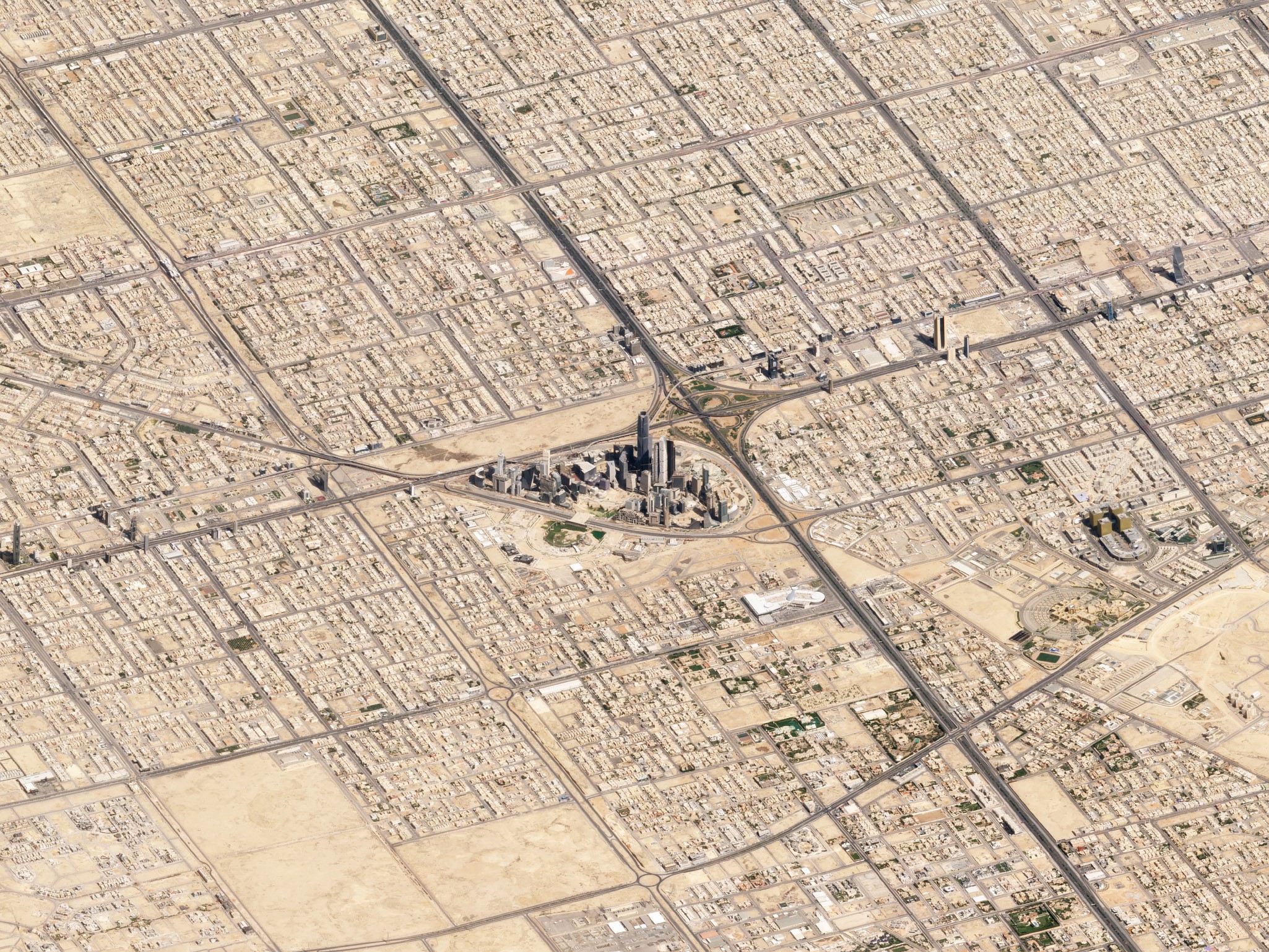
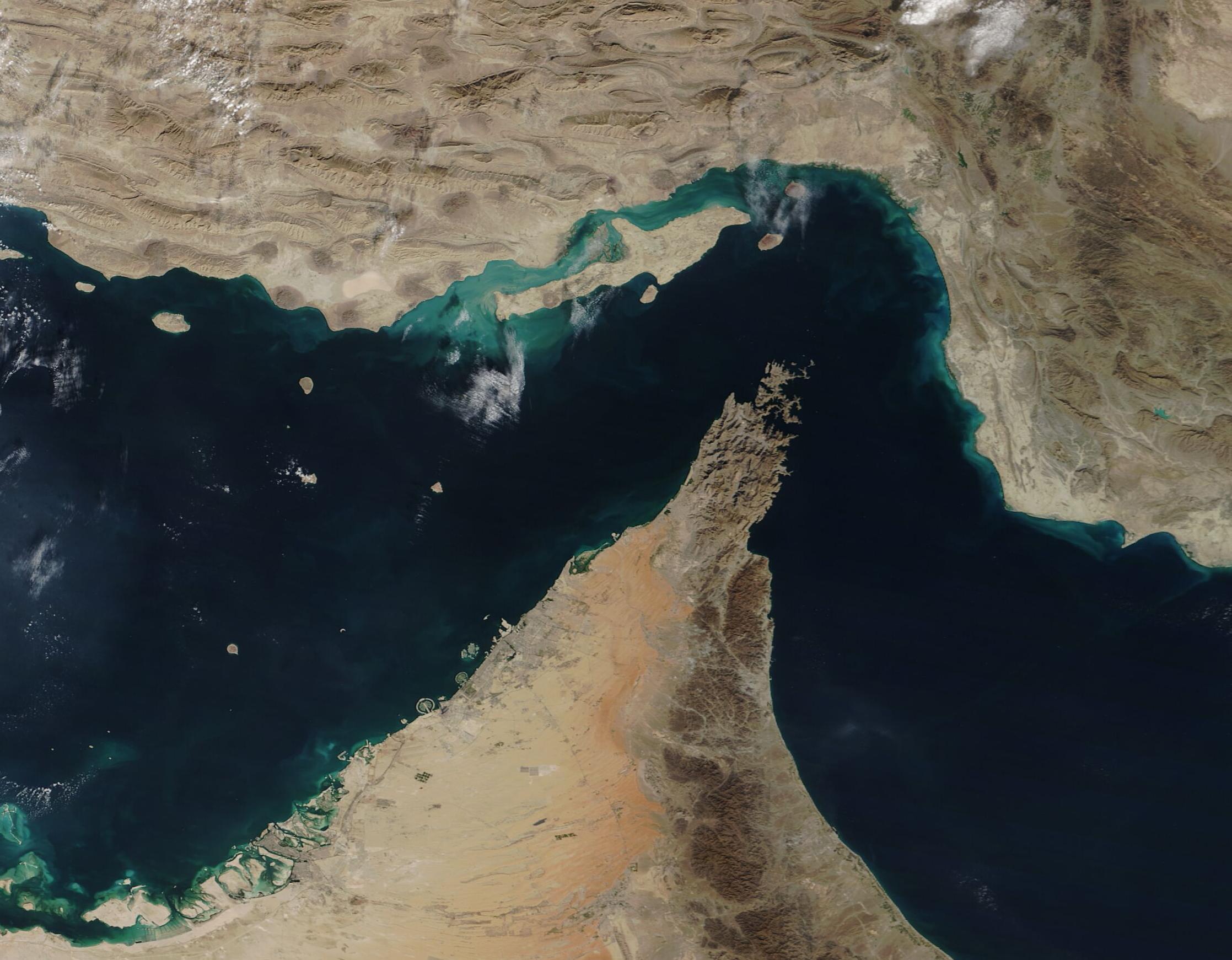
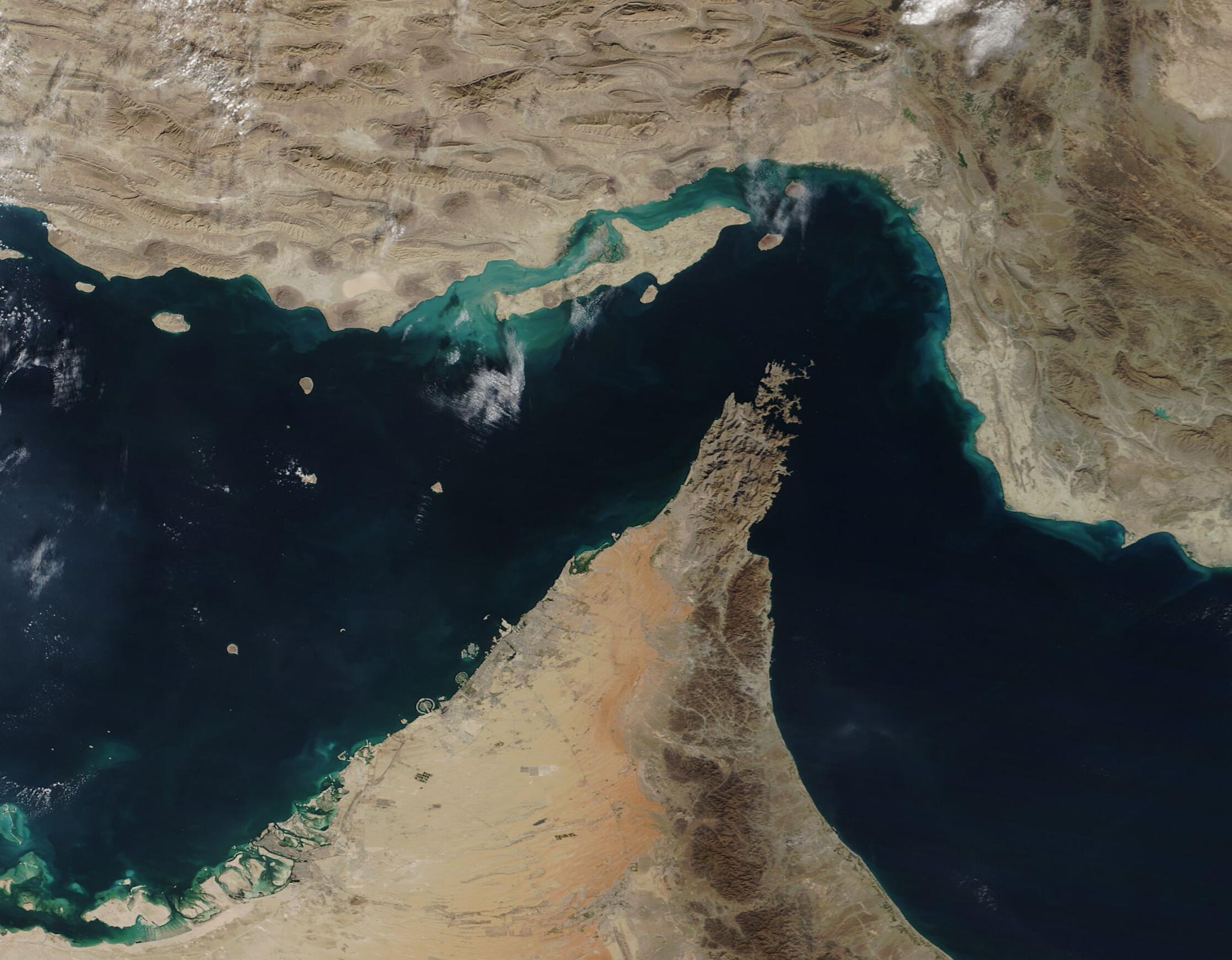
The warning followed missile and drone strikes by Yemen’s Iran-aligned Houthis on Saudi Arabia’s capital and oil infrastructure on Saturday, part of a regional escalation in which the Houthis have advanced along the Red Sea coast while Tehran keeps the Strait of Hormuz closed to most shipping.
Trump’s ultimatum and Tehran’s response
Trump’s remarks, reported on Sunday and Monday, sharpened a public ultimatum he has repeated during the war that began with US and Israeli strikes on Iran in late February. He told the Fox reporter he was in “deciding mode” and that “very big things are going to be happening in the not-so-distant future” if the Iranian regime did not “behave”. He laid out three options — “wiping Iran out, letting them rot economically, or making a deal” — while signalling he would “probably” be open to meeting Pezeshkian at the UN gathering.
Iran’s military command responded on Monday with a statement carried by state and semi-official media. The Khatam al-Anbiya headquarters said it had received information that “the criminal America has once again decided to resume measures against Iran, with the green light of some regional countries, at a joint meeting in a European country”. It warned that any US attack would bring retaliation “without any limitations or considerations” against American bases and interests across the region, and that regional countries supporting such an attack would be “considered complicit”.
Revolutionary Guards spokesman Hossein Mohebbi added that if a new aggression occurred, “we will certainly change the weaponry and the geography of the war”, and said Tehran was prepared for a prolonged conflict. Parliament Speaker Mohammad Bagher Ghalibaf told lawmakers that Tehran’s “messages and conditions have been conveyed explicitly” to Washington through intermediaries, reiterating that the Strait of Hormuz would remain closed until the United States met what Iran says were its commitments under the June memorandum, which expired last month.
Why the UN General Assembly convergence matters
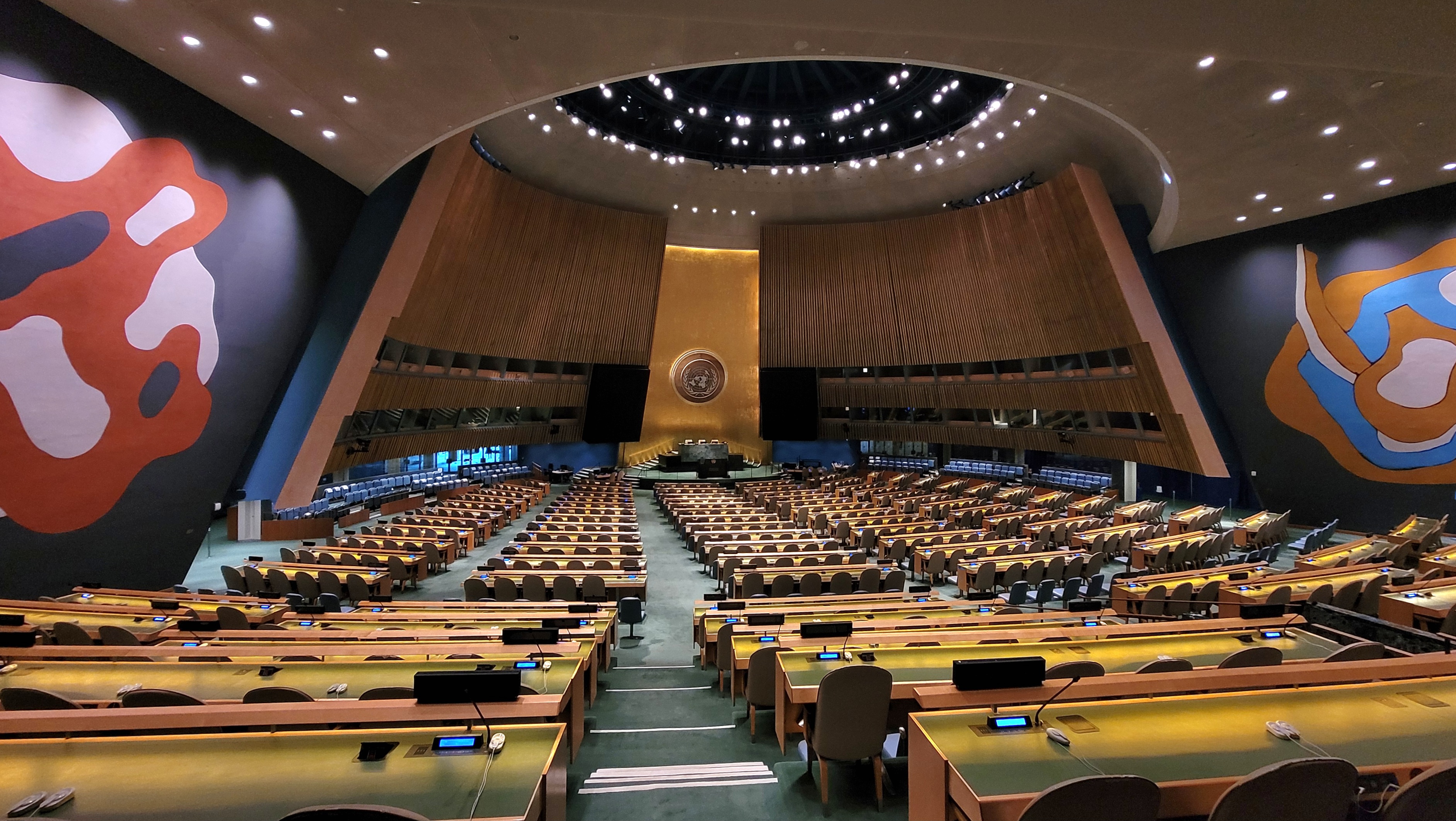
The two leaders are set to converge on New York this week, with the high-level general debate beginning on Tuesday. Pezeshkian is scheduled to address the assembly on Wednesday, Reuters and Iran’s Mehr news agency reported, while Trump is due at the rostrum on Tuesday and is expected to hold side meetings with Gulf Cooperation Council leaders on the Strait of Hormuz.
The diplomatic calendar has revived hopes of contact between the two sides after months of indirect communication through intermediaries. US Ambassador to the UN Mike Waltz said on Sunday that the “door is open” for Iran to return to negotiations, while insisting the administration remained determined that Iran never acquire a nuclear weapon. Foreign Minister Abbas Araghchi left Tehran on Sunday evening for New York, stopping in Doha.
Qatar, which alongside Pakistan has acted as a channel between Washington and Tehran, said its mediation team had been exchanging proposals for nearly two weeks. Spokesperson Majed al-Ansari said Doha had heard assurances from US officials that Washington wanted an agreement, and called for “a regional solution that achieves stability” protecting “waterways such as the Strait of Hormuz”.
What it means for Pakistan
The escalation comes as Pakistan deepens its parallel diplomatic role. Interior Minister Mohsin Naqvi arrived in Tehran on Monday at the head of a delegation, his sixth visit to the Iranian capital since the war began in February, and was received by his Iranian counterpart Eskandar Momeni. Iranian Foreign Ministry spokesperson Esmaeil Baghaei said the visit was within the framework of bilateral relations, with no plan to exchange specific mediation messages; Pakistani sources told Anadolu that Naqvi was expected to discuss the Houthi attacks on Saudi oil infrastructure and reviving stalled peace talks with Washington.
Al Jazeera reported that Tehran has told Qatari and Pakistani mediators that conditions for renewed talks include an end to the war and US attacks, the release of frozen Iranian funds and the lifting of the US naval blockade on Iranian ports. The diplomacy follows Pakistan’s reported plan to send another delegation to Tehran and Islamabad’s reaffirmation, under the Makkah Joint Defence Agreement, of its defence commitments to Saudi Arabia.
For Pakistan’s economy, the stakes remain the Strait of Hormuz and global oil prices. The strait, which before the war carried roughly a fifth of the world’s oil and LNG, saw only a dozen commodity vessels cross over the weekend, down from 35 the previous weekend, shipping data cited by Al Jazeera and Reuters showed. A tanker was struck by a projectile on Monday, injuring two crew members, the UK Maritime Trade Operations reported, while Iran’s Revolutionary Guards said they had downed a US MQ-1 drone over the waterway. Oil prices pulled back on Monday — Brent fell about 1.7 per cent to near $102 a barrel — but analysts at Eurasia Group forecast Brent in a higher band of $90–110 for the rest of the year. Such moves feed directly into Pakistan’s fuel prices and import bill, as KhabarWire previously reported on Hormuz-linked market swings.
What is still uncertain
Whether Trump’s ultimatum translates into new US strikes is unverified: Iran’s assertion that an attack is being prepared rests on information Tehran says it received, which has not been disclosed, and Washington has not confirmed any such plan. Trump’s openness to meeting Pezeshkian has not produced a confirmed summit, and the US State Department has placed strict limits on the Iranian delegation’s movements in New York while denying visas to the president’s media team, which Iran’s presidential office called a “hostile act”.
The conditions for a return to talks also remain contested: Tehran says it will not reopen the Strait of Hormuz or resume negotiations until the US lifts its naval blockade, unfreezes Iranian assets and ends its attacks, while Washington insists on guarantees about Iran’s nuclear programme and freedom of navigation. Whether the Houthi–Saudi front draws in Washington, whether Hormuz traffic continues to dwindle, and how far oil prices climb all remain open as the assembly convenes.
Sources & reporting notes
This is a synthesis of published material, not eyewitness reporting. Sources were reviewed on 21 September 2026. Iran's military statement, the Revolutionary Guards' claims and Houthi assertions are attributed to the officials who made them and have not been independently verified.
- The Express Tribune (Reuters) — Iran, US trade threats as Houthi attacks escalate21 September 2026 · Trump's three options, his openness to meeting Pezeshkian, the Iranian military command's retaliation warning, the State Department alert, and the Houthi strikes on Riyadh.
- Al Jazeera English — Iran's military says US preparing to resume strikes21 September 2026 · The Khatam al-Anbiya statement, the "considered complicit" warning, Iran's conditions delivered through Qatari and Pakistani mediators, Ghalibaf's remarks, Araghchi's Doha stopover, and Hormuz shipping data.
- The Express Tribune (Reuters/Anadolu) — Mohsin Naqvi received by interior minister on arrival in Tehran21 September 2026 · Naqvi's arrival, his sixth visit, the IRGC statement on the MQ-1 drone, the UKMTO report of a tanker struck in the Strait of Hormuz, Waltz's "door is open" remarks, and the visa restrictions.
- AFP — US fears rapid escalation in Mideast after Houthis attack Riyadh20 September 2026 · The State Department warning that the conflict "has the potential to escalate rapidly", the Houthi strikes on Riyadh and Yanbu, Trump's early return from Camp David, and the F-35 sale.