Reporting snapshot · 5 October 2026 (Asia/Karachi). Crude oil exports from the Middle East recovered above pre-war baselines on four of the seven days in the final week of September, even as attacks on commercial shipping in the Strait of Hormuz continued at a pace of more than one incident a day. The data offers a near-term reprieve for Pakistan's fuel import bill, but does not resolve the structural uncertainty over how Iran will reopen the waterway to normal traffic.
What happened
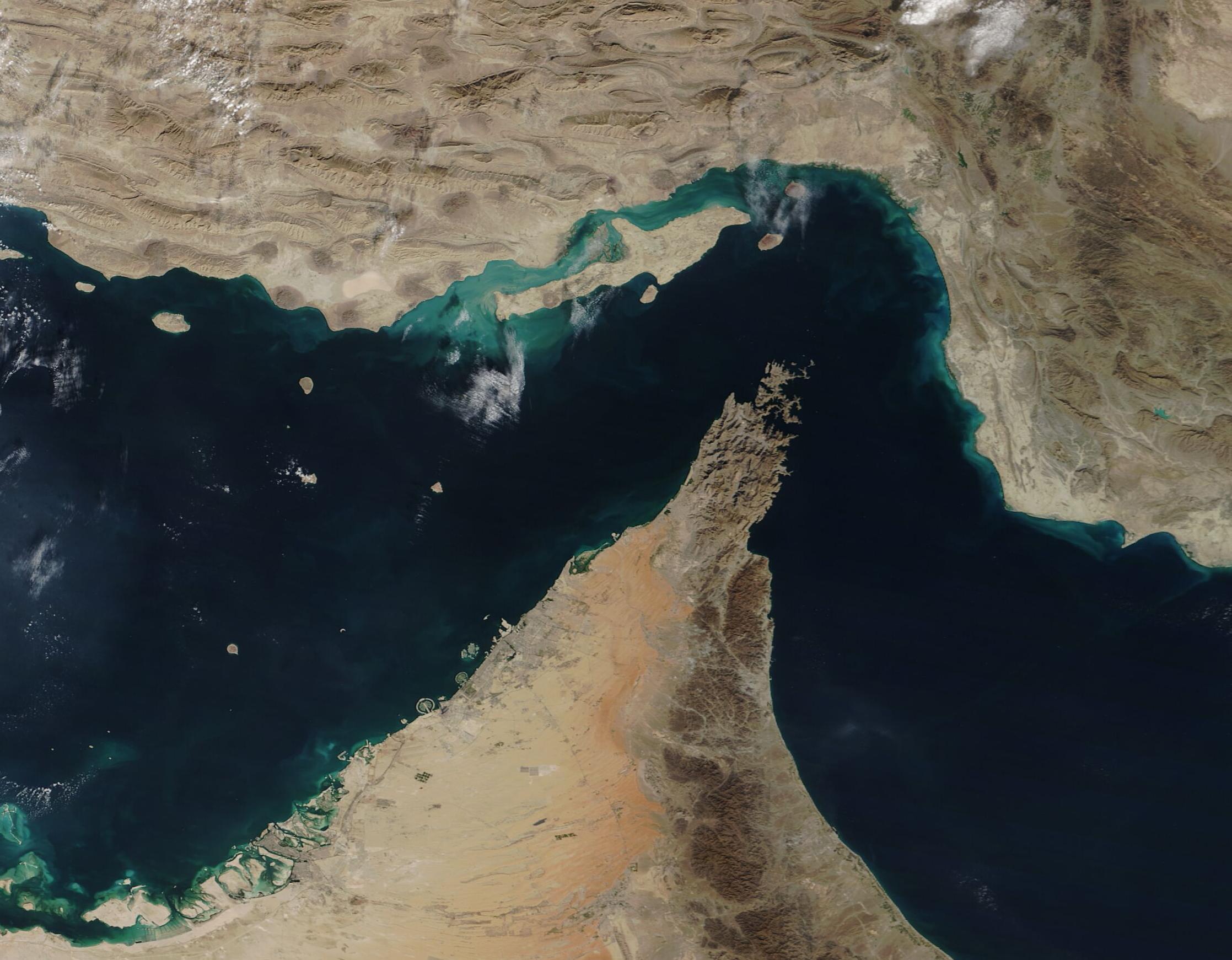
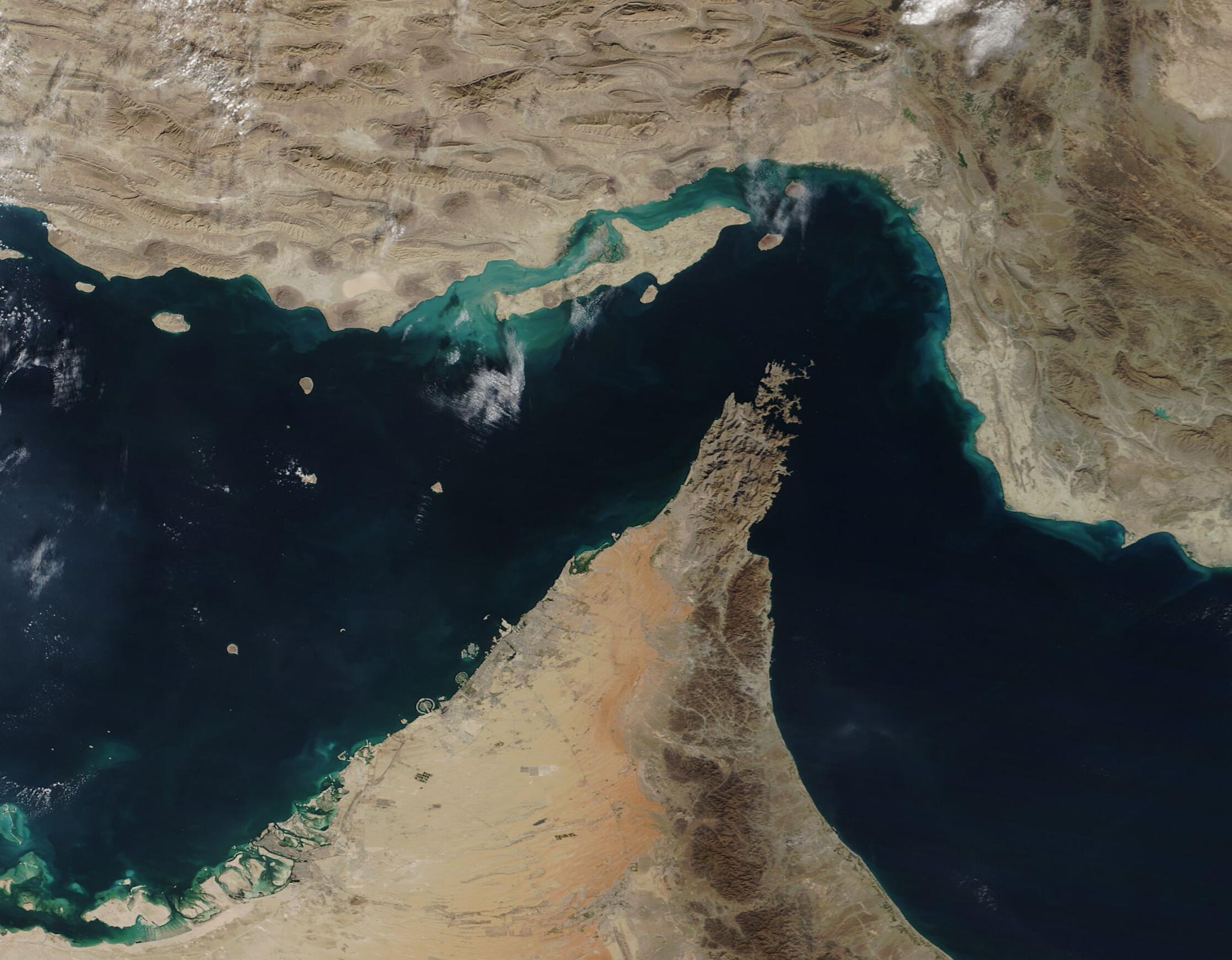
Crude oil exports from the Middle East rose above pre-war levels on four of the seven days in the final week of September, despite continued strikes against vessels in the Strait of Hormuz, according to shipping data published on Monday, 5 October, by Reuters citing the ship-tracking firm Kpler. The figures cover shipments through the Strait of Hormuz and the Red Sea, exports from regional terminals and ship-to-ship transfers in the Gulf of Oman.
Reuters reported that exports exceeded pre-war levels on 24 September and again from 27 to 29 September, reaching between 19.5 million and 22.5 million barrels per day during that window. The seven-day moving average for crude exports stood at 18.5 million barrels per day on 1 October. Between March 2025 and February 2026, before the US–Israeli war with Iran began, regional crude exports had averaged 18 million barrels per day.
The broader tally for crude, oil products, chemicals and non-gas liquids averaged 22.4 million barrels per day in the seven days to 30 September, according to Kpler data cited by Reuters. Liquefied natural gas cargoes exiting the Strait of Hormuz rose in September to their highest monthly level since February 2026. The figures exclude vessels that may have crossed the strait with their Automatic Identification System transponders switched off.
Geo News, citing Reuters, separately reported the Kpler data on the same day, noting that the seven-day moving average rose on 1 October even as the United Kingdom Maritime Trade Operations agency had logged at least one attack a day in the Strait of Hormuz or the Gulf of Aden since 2 October.
The tanker incidents behind the numbers
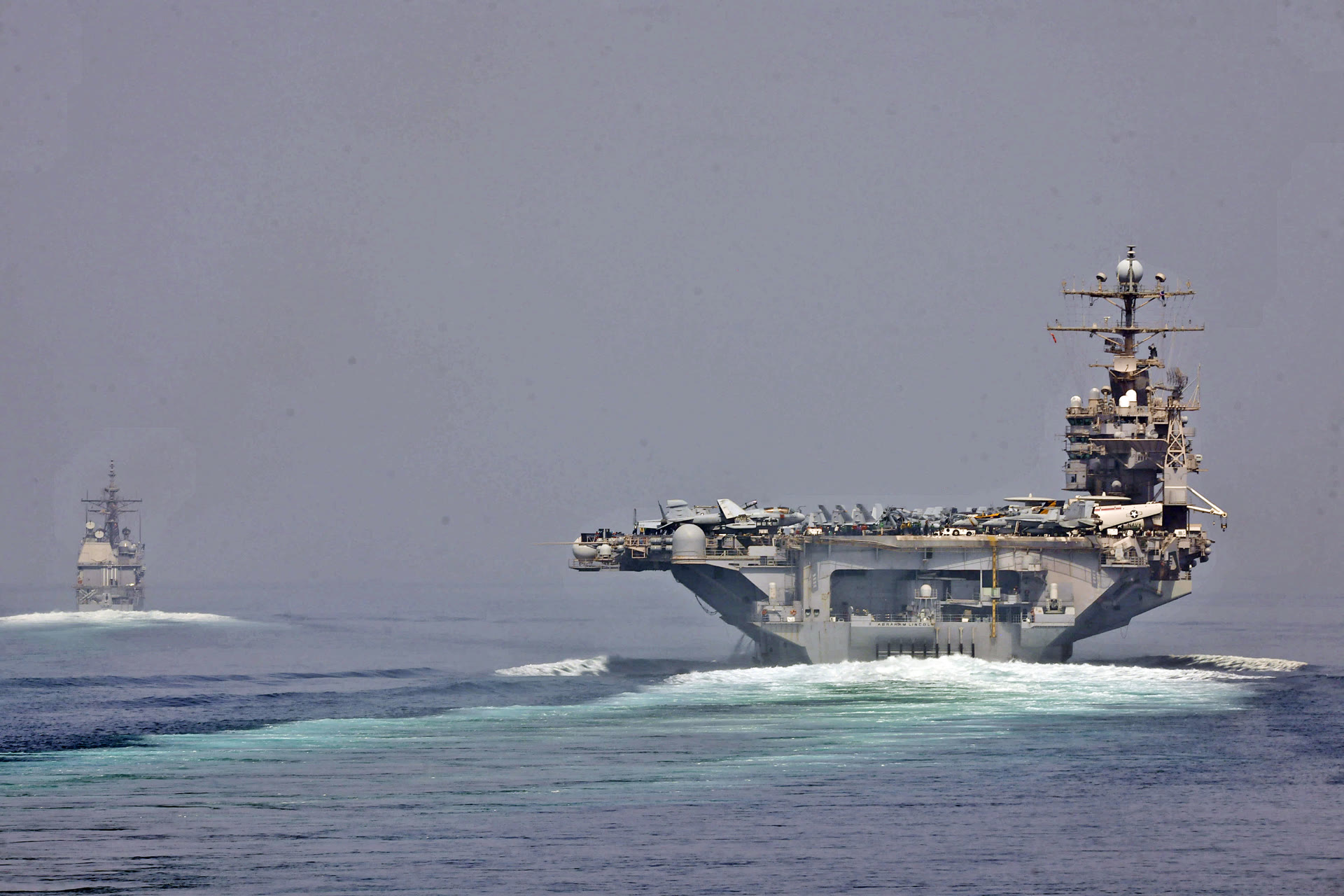
The export rebound sits alongside a sharp rise in attacks on commercial shipping. The intelligence firm Marisks, in a report issued on Saturday, said at least seven incidents had been reported in and around the Strait of Hormuz in the run-up to the new data, according to Geo News. The very large crude carrier Kazimah III was struck by an unknown projectile on 1 October while operating in the strait, causing an onboard blaze; all crew members were evacuated safely. The Kazimah III had last been seen discharging 2 million barrels of Kuwaiti crude at the Omani port of Ras Markaz on 17 September, according to Kpler.
The Kuwait Oil Tanker Company, owner of the Kazimah III, did not immediately respond to a request for comment outside office hours. Geo News also reported Marisks’s analysis that merchant vessels face “heightened and increasingly unpredictable kinetic threat” because of the increase in traffic, and that the recent pattern may reflect Iranian forces firing missiles into a predetermined engagement area, or “kill box”, with weapons acquiring radar signatures available within that area. Physical presence in the zone at the relevant time may itself constitute the primary exposure, Marisks said.
The picture is one of restored volumes but persistent risk. Before the war began on 28 February, the Strait of Hormuz typically handled about 125 large commercial vessels a day — tankers, gas carriers, bulk carriers and container vessels — accounting for about a fifth of the world’s daily crude oil and liquefied natural gas supply. The 22.4-million-bodbl total reported by Kpler is consistent with that order of magnitude even as traffic shifts around the attacks.
What the rebound means for Pakistan
Pakistan imports the bulk of its crude oil and a significant share of its LNG through the Strait of Hormuz, and Islamabad has emerged as a leading mediator between the United States and Iran over the seven conditions Tehran set for reopening the waterway under the Islamabad MoU framework. The fresh data therefore cuts two ways.
On the upside, the fact that flows through the strait have recovered above the March 2025–February 2026 baseline suggests that — for now — the physical infrastructure for shipping, insurance cover and buyers’ willingness to lift regional barrels are holding up. That helps explain why Pakistan’s finance ministry has been able to keep the daily fuel pricing formula moving despite the security environment. The September data also reinforces the message that energy markets have priced in a degree of normality around Hormuz even as the underlying conflict continues.
On the downside, the Marisks account shows that the rebound is being delivered against a backdrop of regular strikes on commercial vessels. With the United Kingdom Maritime Trade Operations agency logging at least one attack a day since 2 October, war-risk insurance premiums for tankers transiting the strait — and the LNG carriers Pakistan relies on for power generation — remain elevated. The same risks are visible in the Iran–Pakistan negotiations that link any Hormuz reopening to the seven conditions of the Islamabad Memorandum of Understanding. Until those conditions are resolved, the market is operating on a contested ceasefire rather than a stable peace, and the war-risk premium stays in the price.
The interaction matters for Pakistan’s macro outlook. Higher insurance and freight costs feed directly into the import bill, the rupey’s external position and the fuel-relief scheme the government has been running since September. They also affect Pakistan’s diplomatic exposure: Foreign Minister Ishaq Dar has positioned Islamabad as the convener of the Makkah defence pact committee meeting in Riyadh on the same day, and any Hormuz setback would complicate that mediation track.
What is still uncertain
The export rebound reported by Kpler is provisional and excludes vessels sailing with their AIS transponders switched off. The United Kingdom Maritime Trade Operations agency has continued to log incidents since 2 October, but the identity of the attackers and the chain of command behind individual strikes have not been publicly established. Iran has not commented on the Marisks analysis, and the operator of the Kazimah III has not commented on the 1 October strike.
Three open questions follow from the data. How sustainable is the recovery: will the seven-day average stay above 18 million barrels per day, or do the recent strikes point to a renewed downturn? How long will war-risk insurance and freight rates stay elevated, and how quickly will they normalise if the mediation track progresses? Whether any reopening of Hormuz under the Islamabad Memorandum of Understanding will be partial, full or conditional — and what that would mean for Pakistan’s import bill and the fuel-relief programme.
Sources & reporting notes
This is a synthesis of published material, not eyewitness reporting. Sources were reviewed on 5 October 2026 (Asia/Karachi). The Kpler export figures and the Marisks incident summary are common to the two primary sources; the details of the Kazimah III strike and the "kill box" analysis come from Marisks via Geo News.
- Reuters — Middle East crude exports rise above pre-war levels despite Hormuz attacksPublished 5 October 2026 · The Kpler export figures for 24 September and 27–29 September, the 18.5 million bpd seven-day moving average on 1 October, the 18 million bpd pre-war baseline for March 2025–February 2026, the 22.4 million bpd seven-day crude-products-chemicals total, the LNG cargo figure for September, and the exclusion of dark-vessel flows.
- Geo News / Reuters — Middle East crude exports rise above pre-war levels as attacks threaten Hormuz shippingPublished 5 October 2026 · The seven-day moving average on 1 October, the United Kingdom Maritime Trade Operations agency reporting at least one attack a day since 2 October, the Marisks seven-incident tally, the 1 October strike on the Kazimah III, the Kuwait Oil Tanker Company's lack of comment, and the Marisks "kill box" analysis.