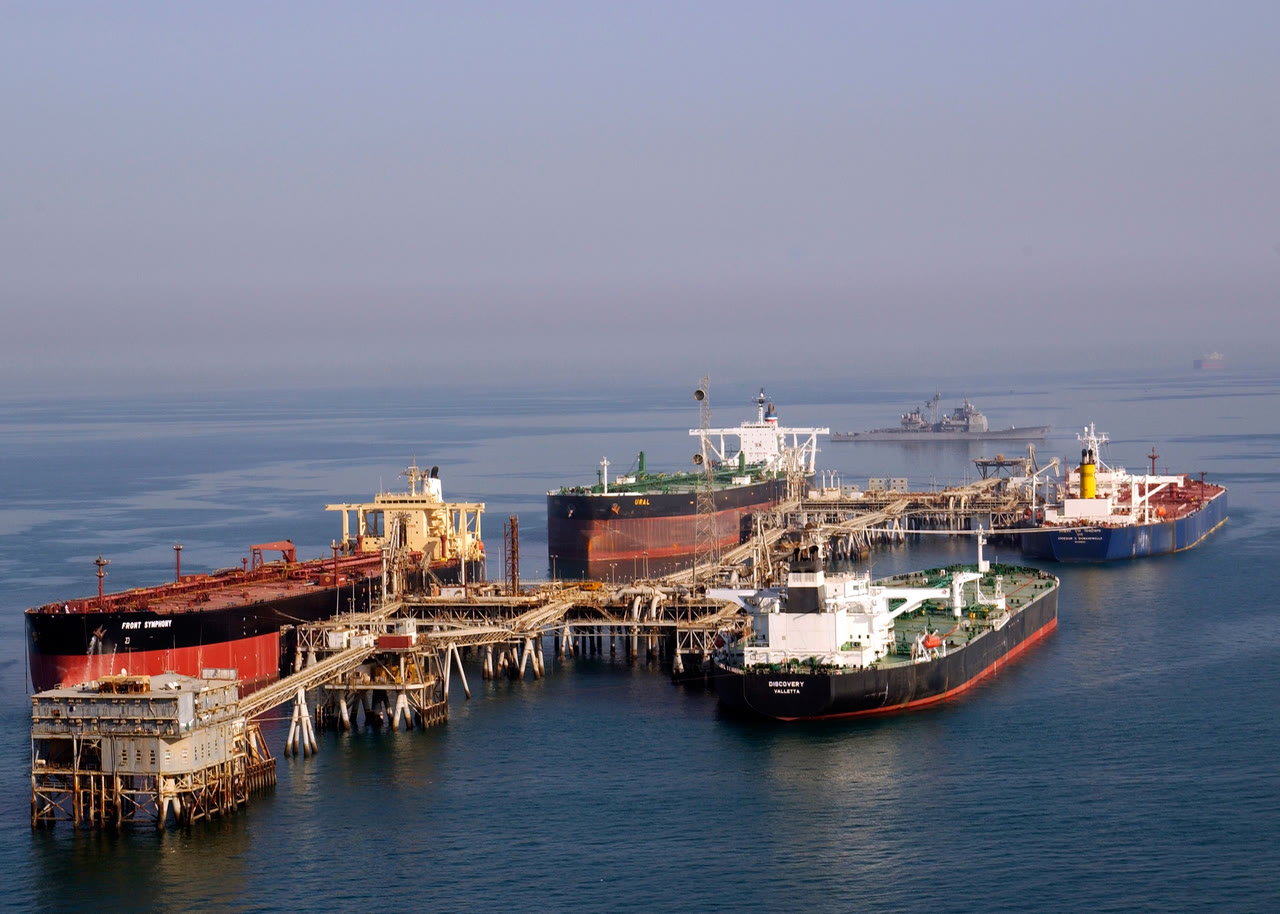
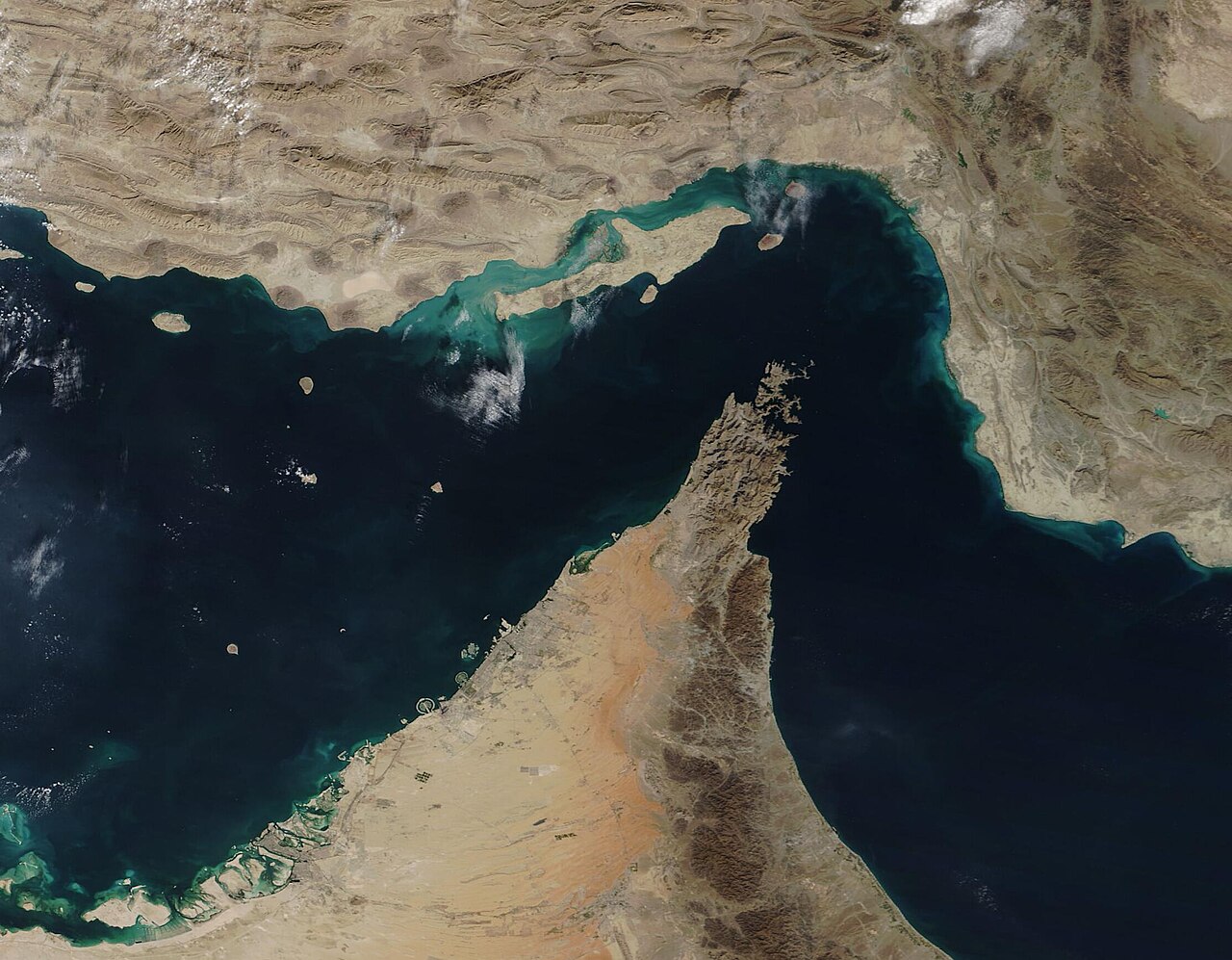
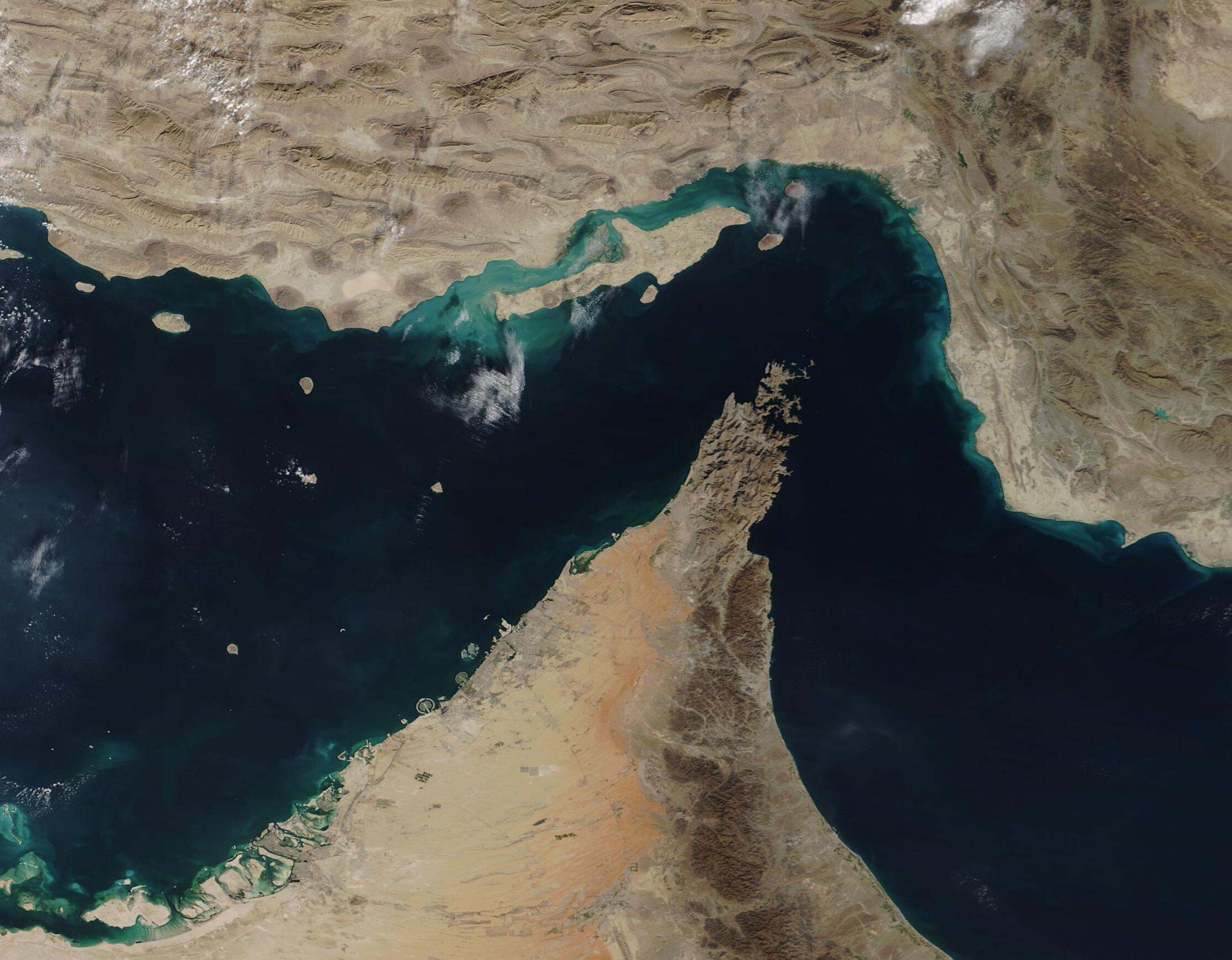
Reporting snapshot · 14 November 2026 (Asia/Karachi). The figures below come from the International Energy Agency's monthly oil market report, which was not publicly readable when this was checked, so they are carried here as reported by The Guardian, AFP and Reuters. The reserve release is a plan agreed by member governments rather than a shipping schedule, and the main limitation for readers in Pakistan is that a global surplus does not set a pump price on its own.
The world oil market has swung back to a surplus for the first time since the United States and Israel went to war with Iran in February, and the International Energy Agency is now drawing on emergency stocks to hold it there. The agency said on Friday that oil supplies outstripped demand by almost 2 million barrels a day in October as Gulf exports recovered faster than global consumption, The Guardian reported, and Reuters reported in the early hours of Saturday that member countries will accelerate the release of emergency reserves, putting roughly 71 million barrels of crude and petroleum products on the market by the end of February 2027, in Geo News’s live coverage of the war.
Geo News carried AFP’s account of the same monthly report, which put Gulf shipments at 18.4 million barrels a day, still 26 per cent below pre-war levels, and showed supply rising by 3 million barrels a day in September and a further 2.3 million in October. Demand is expected to fall by 2.7 million barrels a day this year as high prices accelerate electrification and fuel efficiency across the car fleet. Brent crude traded near $72 a barrel in February before the conflict, the Guardian noted, against $95.77 late on Friday.
The agency was careful about what this means. The market was showing tentative signs of rebalancing, the International Energy Agency said, and supplies had surpassed demand for the first time since the war began. That describes a market with more barrels than buyers, not a forecast of cheap oil, and the same report warns that the tighter problem sits in refined products rather than crude.
Diesel is the part the surplus has not fixed
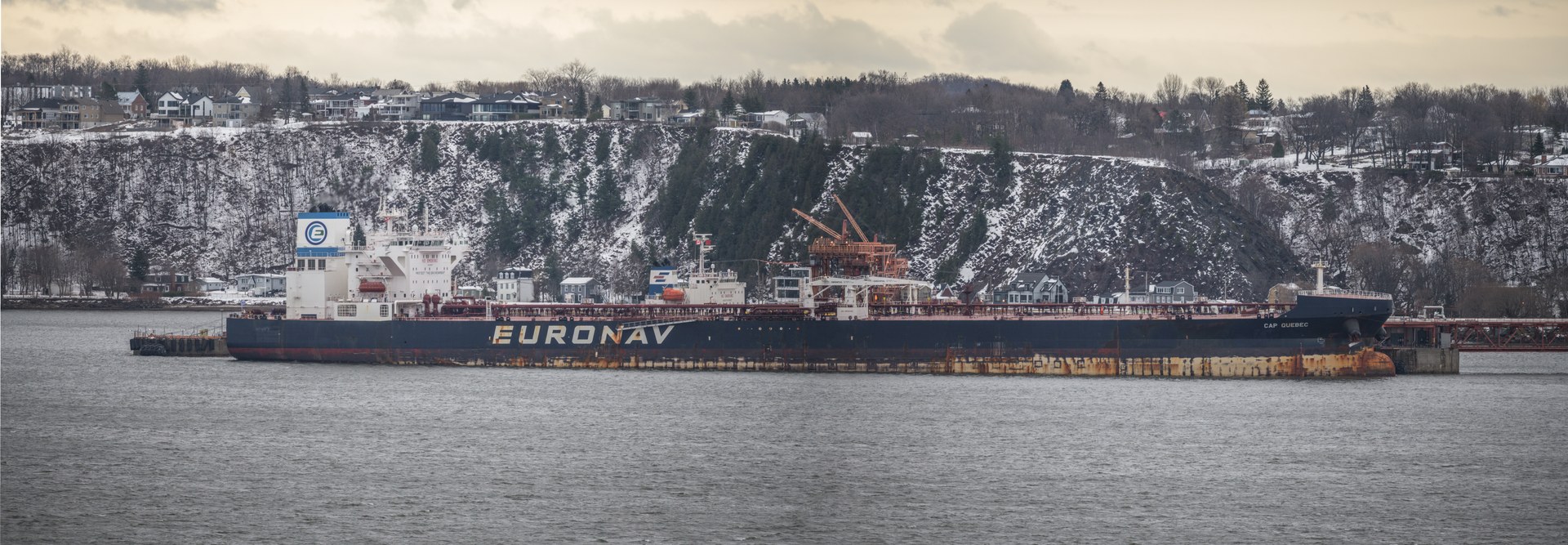
Diesel prices stood at $180 a barrel in October, around 77 per cent higher than before the war, and the agency said tight product supply, especially for diesel, remains the overriding concern for the market and consumers. Ukrainian strikes on Russian refineries and other energy installations are adding to the disruption, and the tanker explosions in the Strait of Hormuz that KhabarWire reported on 13 November are what put a floor under the price.
That is why the reserve release matters as much as the surplus. Roughly 71 million barrels are expected to reach the market by the end of February, about twice the pace of September and October, and the plan includes approximately 15 million barrels of diesel, almost entirely from government reserves held by France and Germany, to be released at four to five million barrels a month in January before slowing in February. It is part of a record emergency stock release first announced in March.
Prices have already moved on the news. The Express Tribune reported that Brent was heading for a second consecutive weekly decline, on course for a 2.4 per cent fall after dropping 16 per cent the week before, and that Trump had said on social media that a deal with Iran was not necessary to end the war, which keeps the US blockade of Iranian shipments and the sanctions in place. US crude and fuel inventories also rose last week, the Energy Information Administration said.
When the pump price follows the day, not the fortnight
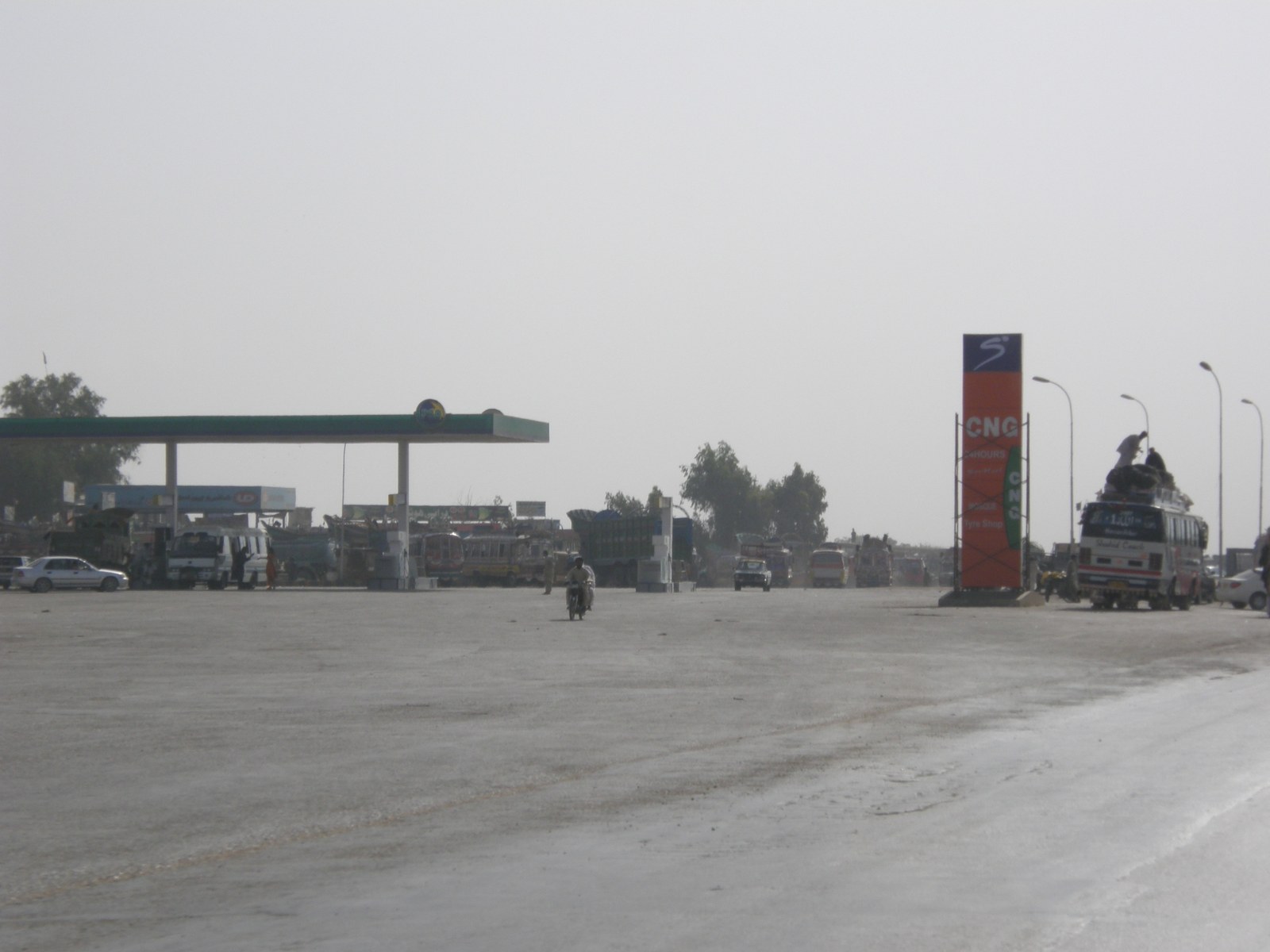
For Pakistan the question is not when the surplus reaches the Gulf but how quickly it reaches a filling station, and the answer has changed. Petroleum prices were revised fortnightly before the war, weekly after it began, and have been notified every day since 17 July, the Express Tribune reported on Friday alongside the prices for 14 to 16 November: Rs330 a litre for petrol and Rs360 for high-speed diesel, a cut of Rs2 on petrol after the Rs3 and Rs4 reductions of the day before. KhabarWire described that earlier revision as the second straight daily cut, with the petroleum levy Jamaat-e-Islami wants scrapped untouched.
Geo News reported the Oil and Gas Regulatory Authority notification, which added two things that matter for what follows. The authority has begun publishing daily petroleum prices on its website, and under the formula the cabinet approved on 30 October, the import price of petrol is determined from the actual import cost of the relevant Pakistan State Oil cargo, falling back on the premium, incidentals and customs duty of the last available cargo when that cost is unavailable. Refineries have been absorbing Rs15 billion a month since 2 November so that petrol can be sold Rs15 below the global market.
The consequence is that a falling world price now reaches the pump in days rather than a fortnight, and the regulator publishes the daily arithmetic instead of leaving it to appear overnight. What a surplus cannot do is remove the parts of the price that are set in Islamabad. The government is charging an Rs80 petroleum levy on both petrol and diesel, and Geo News reported that this raised Rs220 billion in the first two months of the fiscal year against a target of Rs1.676 trillion, with the budgetary framework agreed with the IMF under the $7 billion Extended Fund Facility leaving little fiscal space to cut it. That is the dispute Jamaat-e-Islami is pressing, and KhabarWire reported on 10 November that the government and the party had agreed broad outlines of a petroleum levy deal.
The household bill the surplus has not touched yet
The prices Pakistani families pay are still rising, and the Pakistan Bureau of Statistics put its weekly Sensitive Price Indicator at 372.90 on a 2015-16 base of 100 for the week ended 12 November, 0.46 per cent lower than the week before. On a yearly basis the essentials basket was 11.21 per cent more expensive than a year earlier, easing from 12.31 per cent, the Express Tribune reported after the bureau’s release. Liquefied petroleum gas was the sharpest riser at 111.35 per cent, followed by tomatoes at 78.94 per cent, and electricity charges for the lowest consumption band at 52.38 per cent. Petrol was 26.23 per cent higher than a year ago and diesel 30.77 per cent higher, even though both fell over the week, by 7.42 and 6.10 per cent.
The relief that exists is targeted. The prime minister’s fuel relief programme, which offers Rs100 a litre off petrol to motorcycles, rickshaws and cars of up to 800cc, had registered 15.5 million beneficiaries by early November, Geo News reported, with Rs28.6 billion disbursed by 4 November.
What to watch from here is narrow. Emergency barrels reach the market only if governments release them on schedule; diesel, not crude, is where the shortage sits; and Trump has said he does not need a deal with Iran, which leaves the blockade in place and the risk of a fresh escalation on the Gulf’s shipping lanes. KhabarWire’s file on the Gulf escalation tracks the strikes and tanker explosions that put a floor under prices, while the fuel and energy hub follows how each decision reaches households. The 14 November prices of Rs330 for petrol and Rs360 for diesel are the first set to be judged against a market with more barrels than buyers, and the regulator’s daily publication will show how fast any change passes through.