Reporting snapshot · 13 November 2026 (Asia/Karachi). The account of the Bahrain strike rests on the Revolutionary Guard's own statement, and neither Washington nor Manama confirmed it on the day. Iran's account of the tankers hit in the Strait of Hormuz could not be independently verified either, and the oil price was still moving when this was written.
On Friday 13 November, Iran’s Islamic Revolutionary Guard Corps said it had targeted a US early-warning radar in Bahrain, the first claim of an attack on US assets in a Gulf country since early September, Reuters reported. The claim came a day after Tehran turned down a US proposal to move its enriched stockpile abroad, the standoff KhabarWire described on 12 November.
Reuters said the statement was carried by the semi-official Tasnim news agency, and the IRGC-affiliated Fars agency said the Aerospace Force had “targeted and destroyed” the installation. The IRGC called it a “serious warning” and said its Aerospace Force stands “in full readiness to engage without limits”. There was no immediate comment from Washington or Manama.
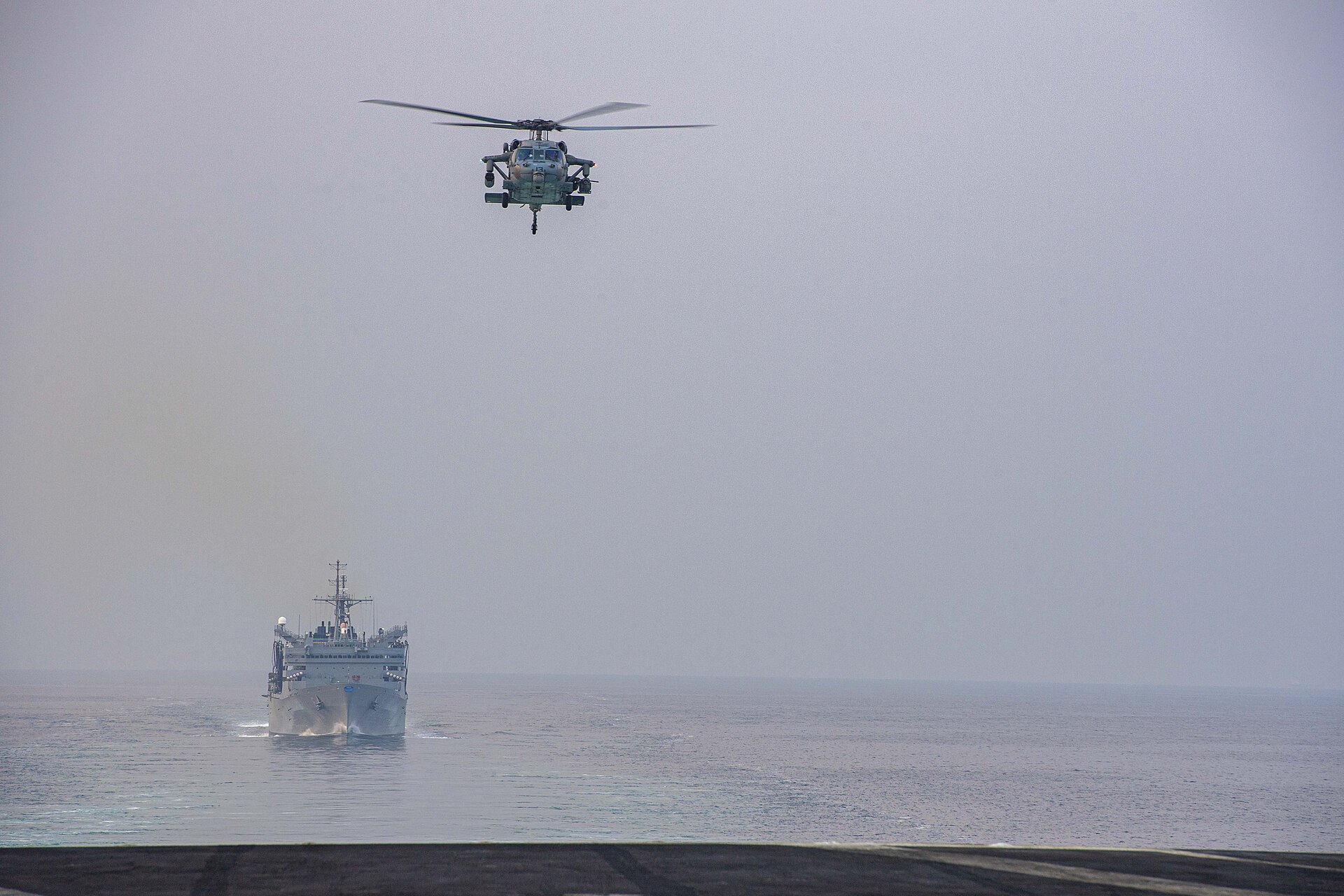
Bahrain is where the US Navy’s Fifth Fleet is headquartered, at the Naval Support Activity base in Manama, the main command centre for US naval operations in the Middle East. The base was hit in the opening hours of the war on 28 February, and satellite imagery analysed by Al Jazeera showed direct hits on several radar domes. A Pentagon inspector general’s report released in September found that Iranian attacks damaged or destroyed hundreds of buildings at US installations in eight countries, including Bahrain, in the first four months of the war.
A claim with no confirmation from Washington or Manama
Hours before the Revolutionary Guard spoke, Iran’s state news agency IRNA, citing official sources, reported that the port city of Sirik in Hormozgan province had been hit by “enemy fire” on Thursday. The Revolutionary Guard’s account makes that strike on a telecommunications tower the trigger for the Bahrain attack, and gives no detail of the weapon or the damage.
Iran’s security chief Mohsen Rezaei has warned separately that if the US launches another war, “every military base involved in the aggression, from West Asia to Europe, will be a legitimate target for Iran’s lethal strikes”, adding that there is “no safe haven”. Israel’s security cabinet ordered the military to step up preparations for a possible attack on Iran, Al Jazeera reported, with the public broadcaster KAN cautioning that the directives could trigger a war.
US Central Command said it “regularly” moves personnel and assets to optimise mission readiness, and continues to enforce the naval blockade on Iranian ports while working to keep the Strait of Hormuz open for commercial shipping. On Friday, Al Jazeera’s live coverage recorded that Trump had said he held off on more strikes on Iran at Gulf allies’ request, hours after saying he would not hesitate to launch new military strikes.
The 48 hours behind the claim
Thursday’s attacks widened the escalation. Iran’s military said four oil tankers had been hit by explosions in the Strait of Hormuz after ignoring Iranian warnings, and Reuters could not immediately verify the Iranian accounts. The Houthis said they had attacked a pumping station on the Saudi East-West oil pipeline, an oil facility in Yanbu on the Red Sea and an Aramco building in Riyadh, and the Saudi-led coalition said it had intercepted two of the group’s drones, one in the Riyadh region and one in the Eastern Province.
Oil responded. Brent settled at $95.82 a barrel on Thursday, up $3.06 or 3.3%, and US West Texas Intermediate closed at $88.74, up $2.21 or 2.6%, Reuters reported. Both benchmarks were still down about 2.5% over the week, and OPEC+ data showed crude production rose in October on higher Saudi output despite the disruption. The strait carried nearly one-fifth of the world’s crude before the conflict began.
At the Security Council in New York on the same day, the Council adopted resolution 2837 (2026) by consensus, renewing for 12 months the travel ban and asset freeze on designated individuals in Yemen and extending the Panel of Experts mandate for 13 months. The UN’s own record of the meeting says the Council “strongly condemned the military escalation in Yemen by the Houthis”, demanded that the group immediately and unconditionally cease its attacks, and asked the Secretary-General to enlarge the Panel to six members with dedicated maritime security expertise. Bahrain’s delegate cited the Gulf Cooperation Council’s statement that “Houthis are terrorists and must be treated as such”, and the United States said the group’s attacks on airports and oil fields in Saudi Arabia “jeopardize global energy markets”.
Pakistan spoke in that debate. According to the UN record, Pakistan’s representative said holding accountable “individuals and entities that threaten Yemen’s peace, security and stability remains essential to creating conditions for a durable peace”, and welcomed the strengthened measures. Al Jazeera’s report of the session noted that China’s delegate said council sanctions “are merely a means, not an end to themselves”.
Washington turns away from the deal
The reversal in Washington came on Thursday. Trump wrote on social media that the US “doesn’t need a deal with Iran”, that “those days have long since passed”, and that Washington has “their money, Hundreds of Billions of Dollars, and we’ve got our Strait”. In the same post he directed Vice President JD Vance to give his “complete and total attention” to alleged crime and corruption in Democratic-run cities and states, and said he had not directed Vance to make the outreach. Reuters reported that the Wall Street Journal had reported Vance was considering face-to-face talks with a hard-line Iranian security official, a move Reuters had not confirmed.
Vance had led the American diplomacy that produced the pause in the fighting. Reuters noted that he led talks with Iranian officials in Pakistan in April that produced a June memorandum of understanding, which paused the war but broke down within weeks. Secretary of State Marco Rubio said on Tuesday, after talks with US allies in Paris, that Iran’s demands, including reparations for the war, were “absurd”, and that Trump would not sign a bad deal.
Trump also said he expects to meet Xi Jinping and Vladimir Putin at the APEC summit in Shenzhen on 18 and 19 November, with “derenuclearisation” and ending the war in Iran on the agenda, AFP reported via Pakistan Today.
What it reaches in Pakistan
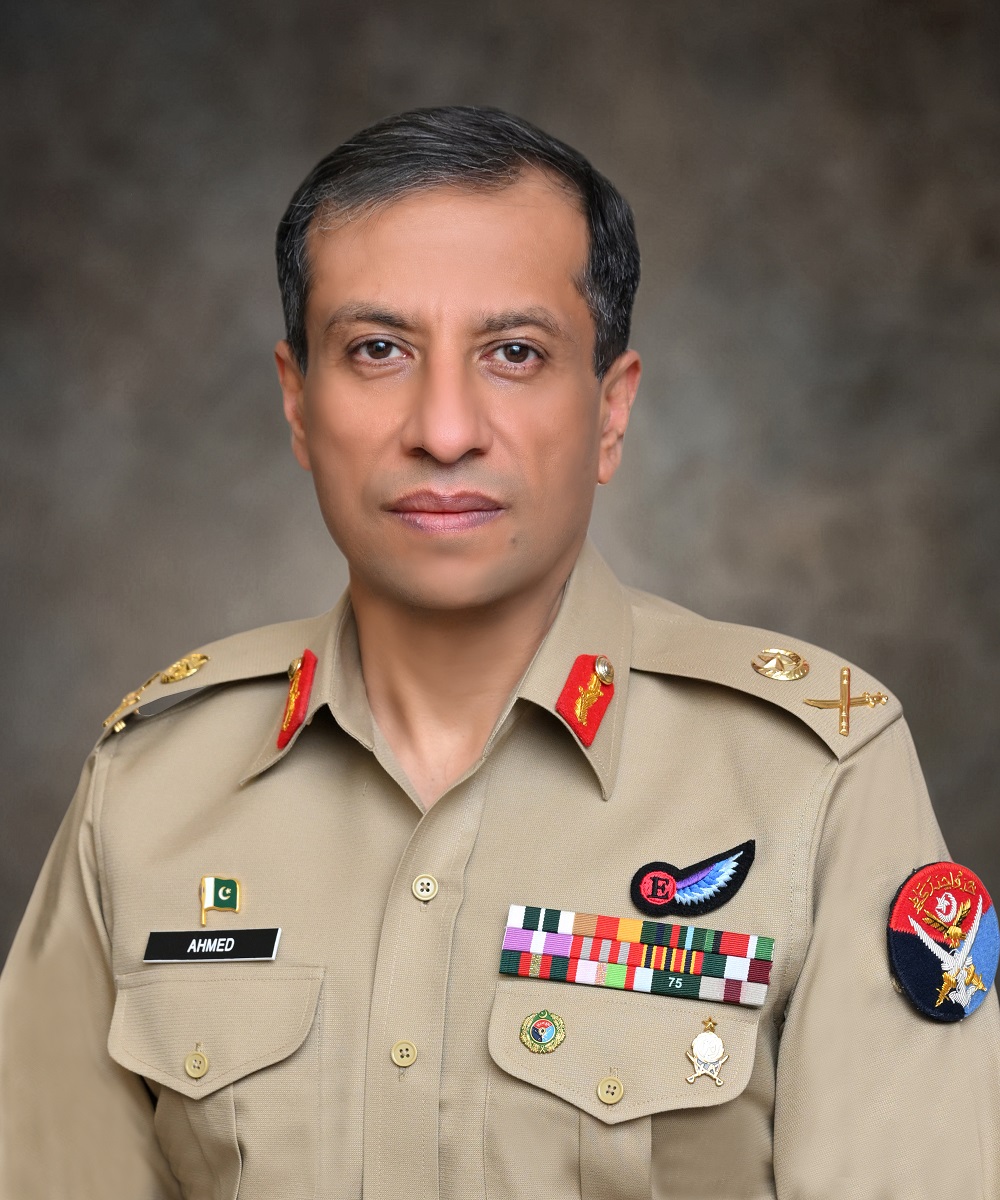
The exposure for Pakistan is diplomatic as much as economic. The Gulf states whose energy infrastructure has been attacked are the states Islamabad has committed to defend under the Makkah Joint Defence Agreement; on 12 November the military chief set out what that commitment involves, KhabarWire reported. The change on Friday is that those same governments, having been hit at home, are pressing Washington not to widen the war — a position that sits uneasily beside a defence pact Islamabad has signed.
The strait carries Pakistan’s oil and gas supply. A Pakistani LNG carrier was struck near Hormuz on 1 November, KhabarWire reported, and Pakistan State Oil’s delegation in Kuwait agreed on Thursday to maintain diesel and jet fuel supplies to Pakistan, Profit reported.
The mediation channel Islamabad built is being retired by the party that created it. The April talks held in Pakistan, and the June memorandum that followed, are the process now being set aside, which leaves the KhabarWire mediation file following a war whose negotiating track Washington has disowned, while the Gulf’s appeals for restraint buy pause, not peace.
What is not established on Friday is the most important thing: whether the radar site in Bahrain was destroyed, whether the Sirik tower strike happened as Iran describes, and how many tankers were struck. Reuters could not verify Iran’s tanker account, and no independent assessment of the Bahrain site was published. The decisions now sit with three parties: Washington, which says it no longer needs a deal but has held off on new strikes for Gulf allies; Tehran, which names US bases from West Asia to Europe as targets; and the Gulf governments, whose appeal bought a pause and not a settlement. The Council’s answer was procedural — more sanctions and more maritime expertise — while Pakistan’s representative argued the same votes were a route to durable peace.