Reporting snapshot · 12 November 2026 (Asia/Karachi). These are notified ex-depot prices for a single day under a mechanism that can reprice fuel every morning, so the figures may change with the next publication. Neither the Petroleum Division nor OGRA has published the refinery contribution that is holding pump prices below import parity.
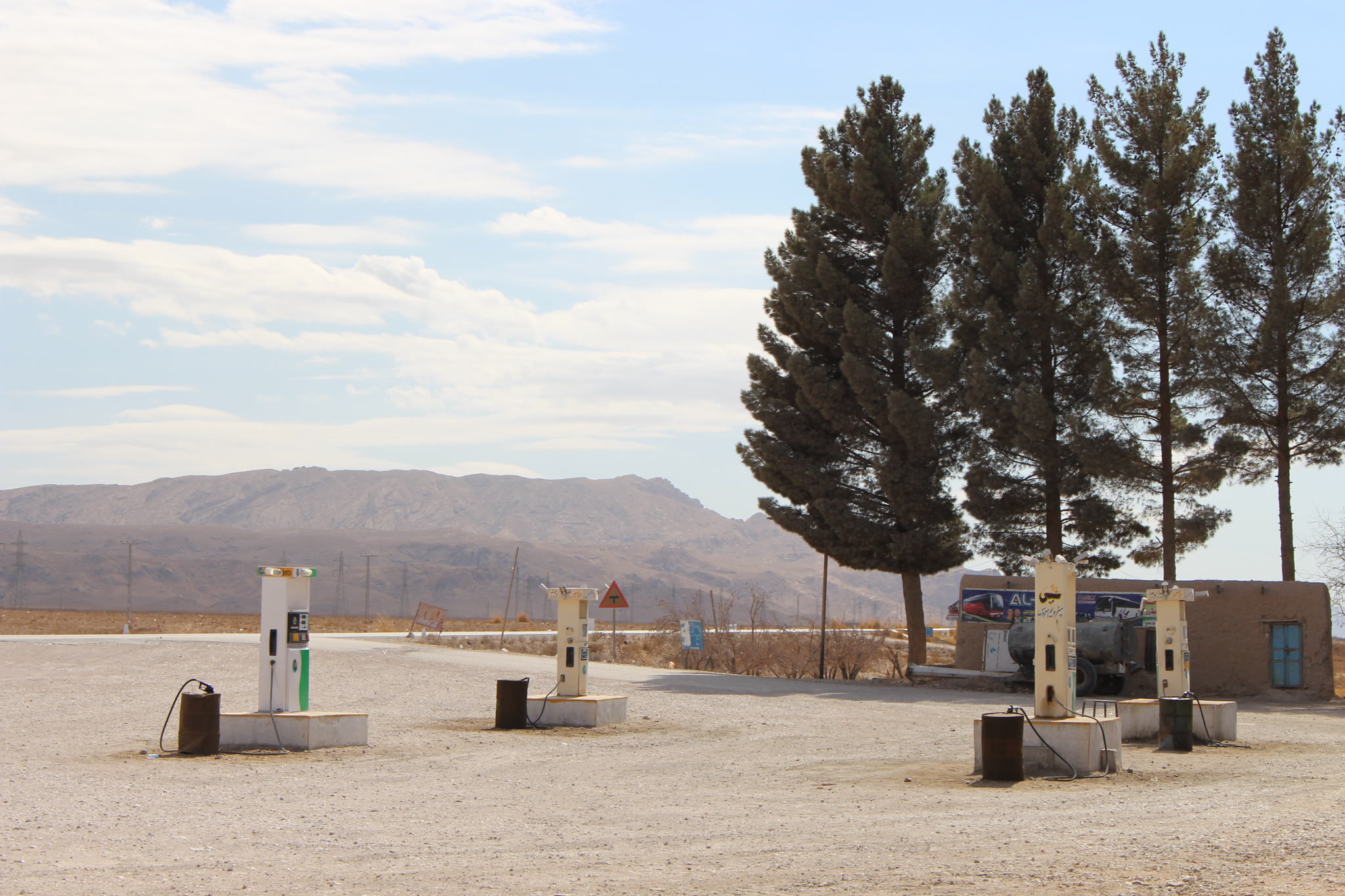
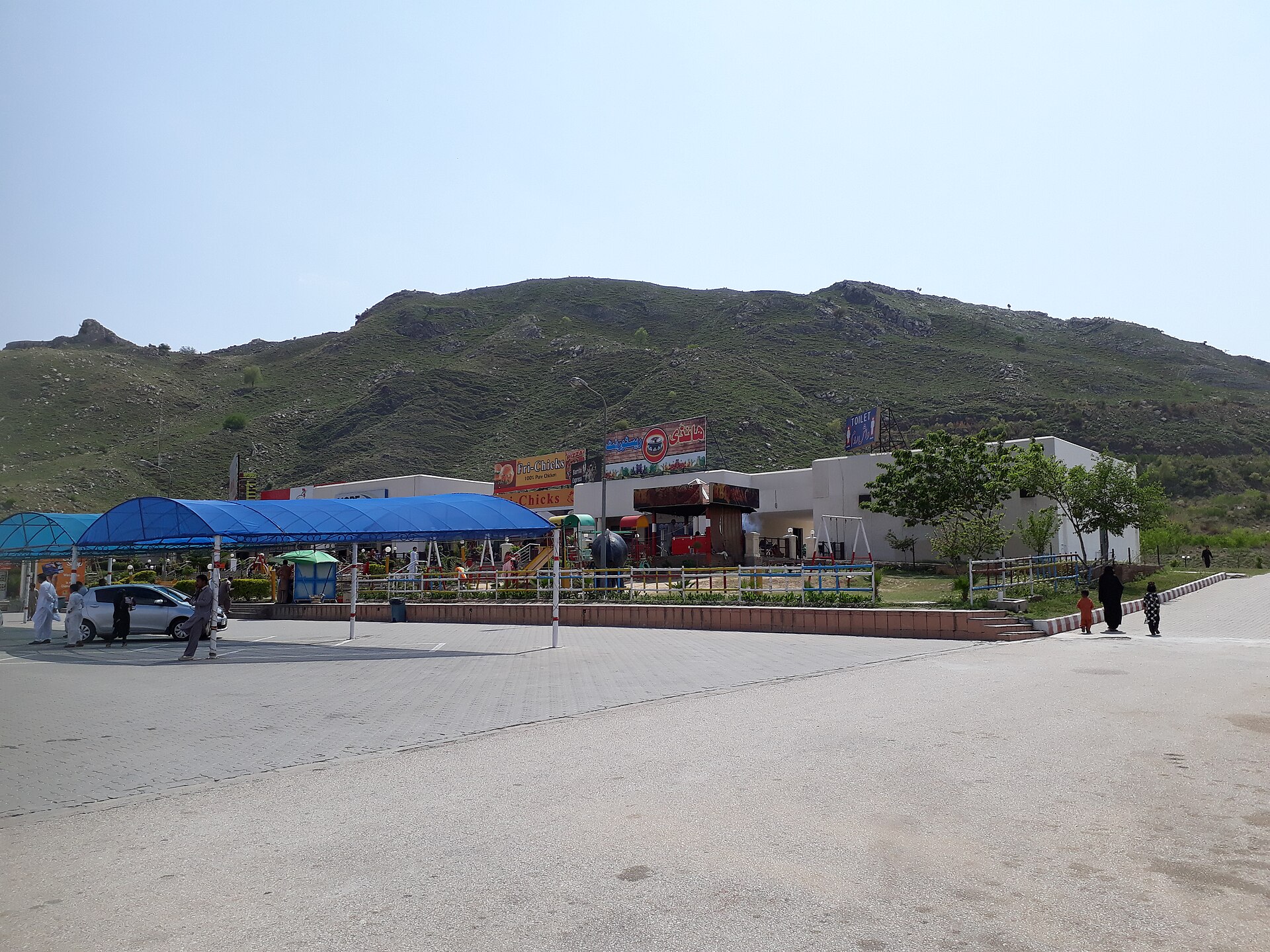
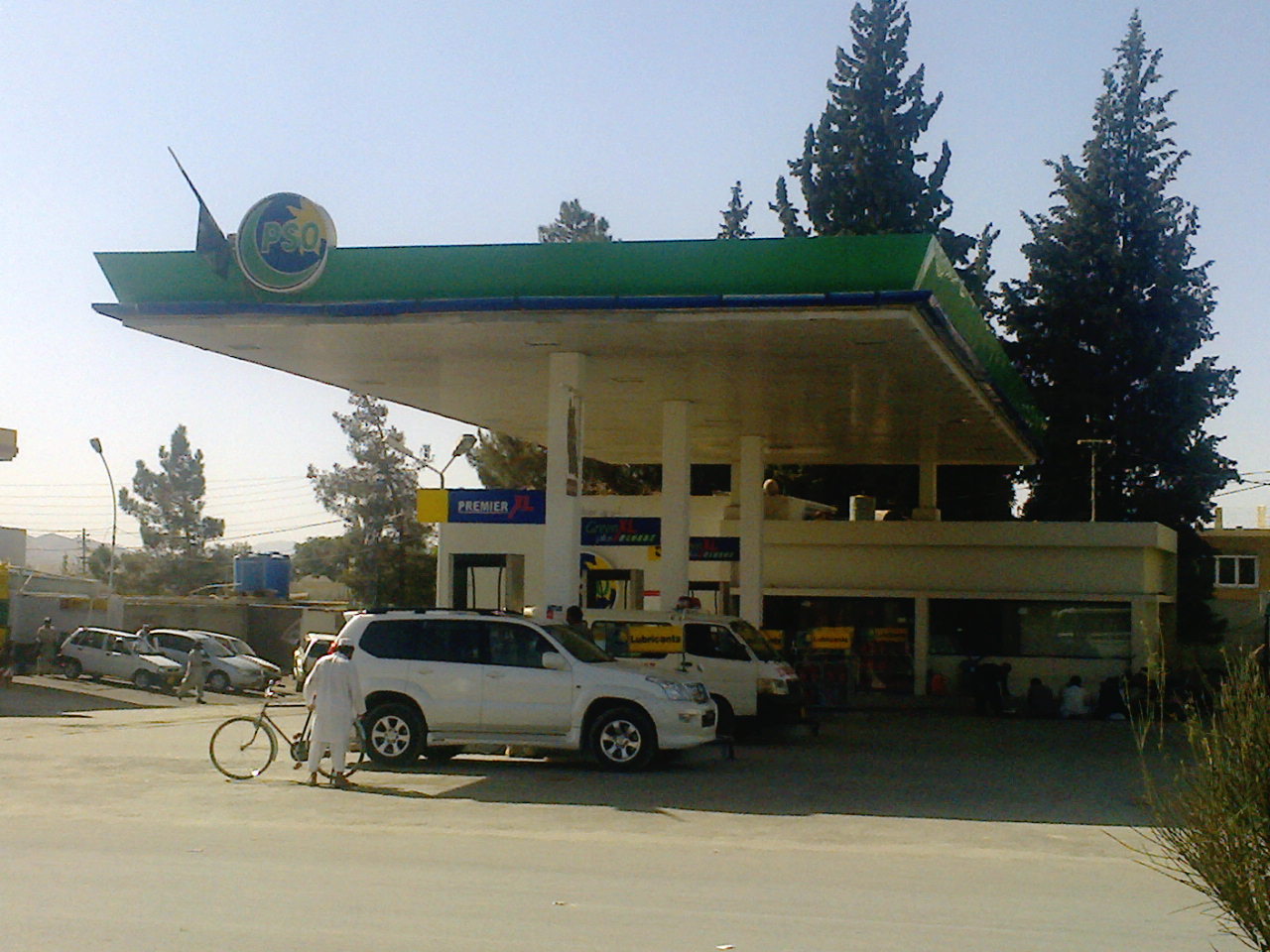
Petrol will sell for Rs335 a litre and high-speed diesel for Rs364 from Thursday, 12 November, after the Petroleum Division notified a cut of Rs3 and Rs7 late on Wednesday night. The Oil and Gas Regulatory Authority’s price publication list carries a notification effective 12 November, and The Express Tribune, Geo News and Pakistan Today all reported the same rates from the same notification.
It is the second cut in two days. The government had already reduced petrol by Rs8 and diesel by Rs7 for 11 November, The Express Tribune reported, and Pakistan Today put the two revisions together at Rs11 a litre for petrol and Rs14 for diesel. By subtraction from the published rates, petrol stood at Rs346 and diesel at Rs378 between the notification of 7 November and the 11 November revision.
For a driver filling a 50-litre tank, Thursday’s cut is worth Rs150 against Wednesday’s price and Rs550 against the level that prevailed earlier in the week. The equivalent figures for diesel are Rs350 and Rs700. Measured against the Rs352.59 notified for 6 November, petrol is now Rs17.59 a litre lower and diesel Rs18.25 lower, as KhabarWire reported on the fourth straight cut. These are ex-depot rates; the amount paid at a particular pump also carries district freight.
A cut notified on a day the oil market rose
The cut did not come with crude falling. Brent futures rose $1.28, or 1.4 per cent, to $92.77 a barrel on Wednesday, Reuters reported via The Express Tribune, after Iran’s security chief said Tehran would not allow enriched nuclear material to leave the country.
What moves the pump price is the import cost of cargo already on its way to Pakistan. Under the daily mechanism introduced on 17 July, Geo News reported, the import price is set on the actual import cost of the relevant PSO cargo, falling back on the premium, incidentals and customs duty of the last available cargo. For local refineries, those components are temporarily fixed at their 7 March 2026, pre-war, levels for 30 days, and the difference between the import price and the resulting ex-refinery price is surrendered by refiners into the petroleum levy account, with the benefit passed on as a lower pump price.
The inference that follows is that a notified price can fall while the benchmark rises, because it is built from fixed cargo costs and from refinery parameters that do not move with the day’s crude. That reading fits the public record but cannot be checked in full, because OGRA publishes the notified price and the levy, not the arithmetic behind them.
Part of the gap between world prices and Pakistani pumps is being carried by refiners. On 2 November the government announced that oil refineries would bear a burden of Rs15 billion a month, allowing petrol to be sold about Rs15 a litre below the global market amid the US-Israeli war on Iran, The Express Tribune reported. The daily notifications now sit on top of that arrangement rather than replacing it.
The levy the cut does not touch
Jamaat-e-Islami’s answer to Wednesday’s notification was that nothing had changed. At a press conference at the party’s headquarters in Mansoora, Lahore, its chief Hafiz Naeemur Rehman said the party would continue its nationwide campaign against the petroleum levy while holding talks with the government, and announced a rally in Quetta on 22 November and a gathering at Minar-e-Pakistan in Lahore on 29 November, with further demonstrations planned in Khyber Pakhtunkhwa and Karachi, The Express Tribune and Pakistan Today reported.
The party has completed nine rounds of negotiations with the government, both outlets reported, and the government’s position in those talks has been that the levy is tied to commitments under the International Monetary Fund programme. Rehman said the demand for the complete abolition of the levy had not been withdrawn, and that falling pump prices were not a reason to stop protesting.
His specific demands go beyond the levy itself: relief extended from vehicles with engines up to 800cc to those up to 1,300cc, tractors and public transport included in the relief package, and import duties raised on vehicles above 1,800cc with the levy shifted onto those owners. He said officials told the party that about 15 million people were covered by the relief scheme, and claimed the government collects roughly Rs150 billion a month through the levy while providing Rs26 billion to Rs30 billion in relief, with more than 25 million motorcyclists left out.
That is the distance between the price and the politics. The pump price fell Rs3 on Wednesday night; the levy did not move at all. Relief is reaching consumers through the daily pricing formula and the refinery arrangement, not through the tax that Jamaat-e-Islami is contesting, and the government and the party had only agreed broad outlines of a draft relief agreement days before, with the detail still to be negotiated. KhabarWire’s Pakistan Fuel & Energy file follows the daily notifications and the supply decisions behind them.
What the targeted relief still buys
The Rs100 a litre discount for motorcycles, three-wheelers and cars with engines up to 800cc continues alongside the notified rates, and it is the part of the package most households actually feel. It was announced by Prime Minister Shehbaz Sharif on 13 September and covers an estimated 11.8 million people, The Express Tribune reported: about 10 million two-wheeler users and 800,000 three-wheeler users on up to 20 litres a month, worth up to Rs2,000 a month, and one million owners of small cars on up to 30 litres, worth up to Rs3,000.
Because the relief is capped by monthly litres, a rider who fills more than the cap gets no extra benefit. The government also introduced fuel conservation measures on 17 September, requiring shops, markets and shopping centres to close by 9pm, with restaurants and cafes allowed to run to 11pm and takeaway and home delivery exempt. An Ipsos survey published on 11 November found retail transactions down 42 per cent after that closure, the cost side of the same fuel-price arithmetic.
What Friday’s notification may do
The first thing to watch is simple: prices are set daily, and a mechanism that has produced two cuts in two days can reverse them. OGRA’s publication list for November carries notifications effective 11 and 12 November, with the previous entry dated 7 November, so the present run of reductions is two days old and follows a week in which the notified price stood still.
The second is the refinery arrangement. The cabinet approved the pricing changes on 30 October with the pre-war refinery parameters applied for 30 days, and that window runs out later in November. Neither the Petroleum Division nor OGRA has published what happens when it expires, and refiners and the government disagree about how large the contribution is.
The third is the political timetable the party has set: rallies in Quetta and Lahore before the end of the month, further talks, and a long march suspended in September only until the negotiations produced a result. Wednesday’s notification bought time for the negotiation without answering the demand that started it, which is why the next round of talks, and not the pump price, is the part of this story most likely to produce a decision.