Reporting snapshot · 2 November 2026 (Asia/Karachi). Iran has not published the text of its plan, and Washington has not given a formal response. The two-day period would begin only after the United States meets conditions Tehran has listed, so this is a conditional timetable rather than a scheduled reopening.
What Iran said
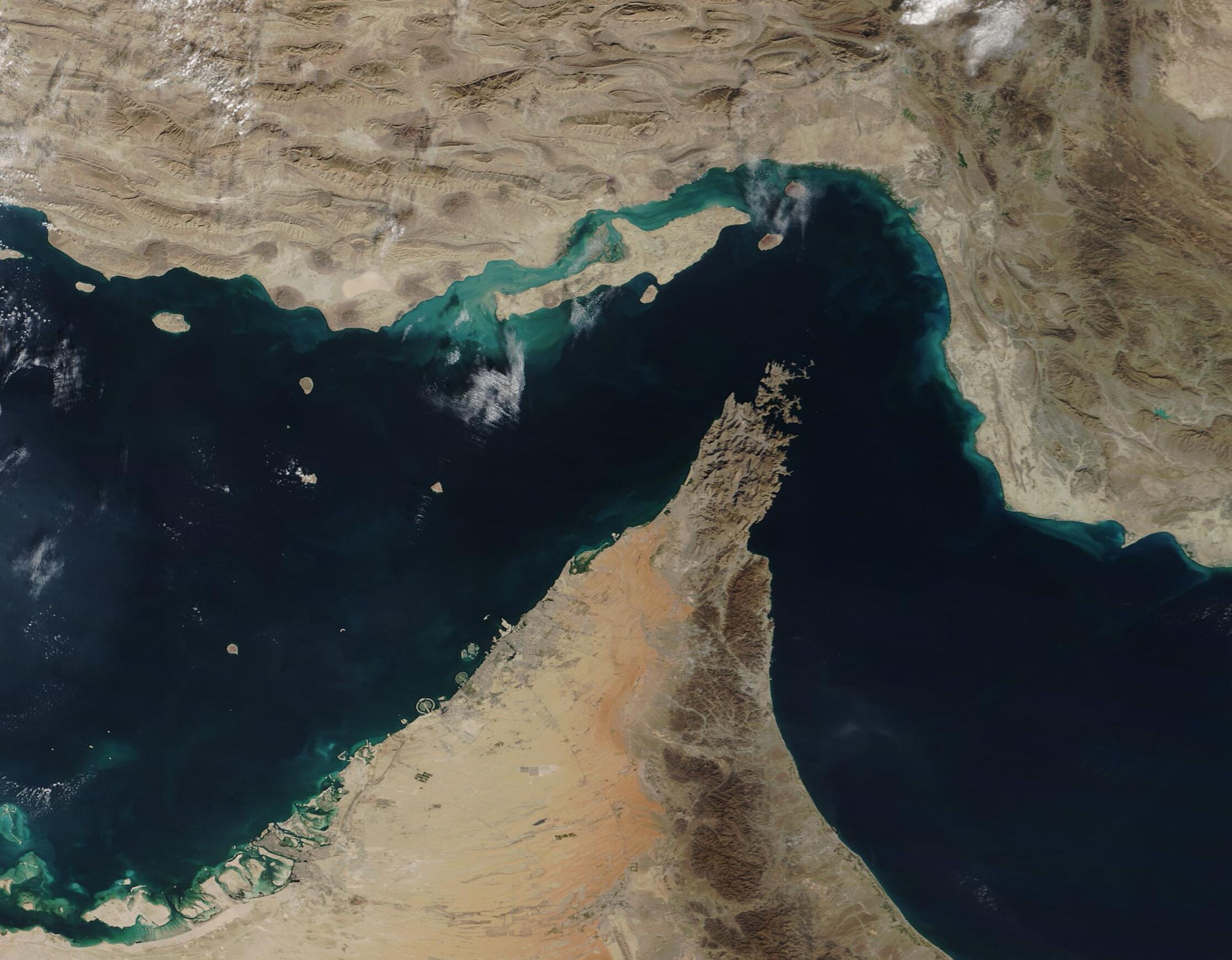
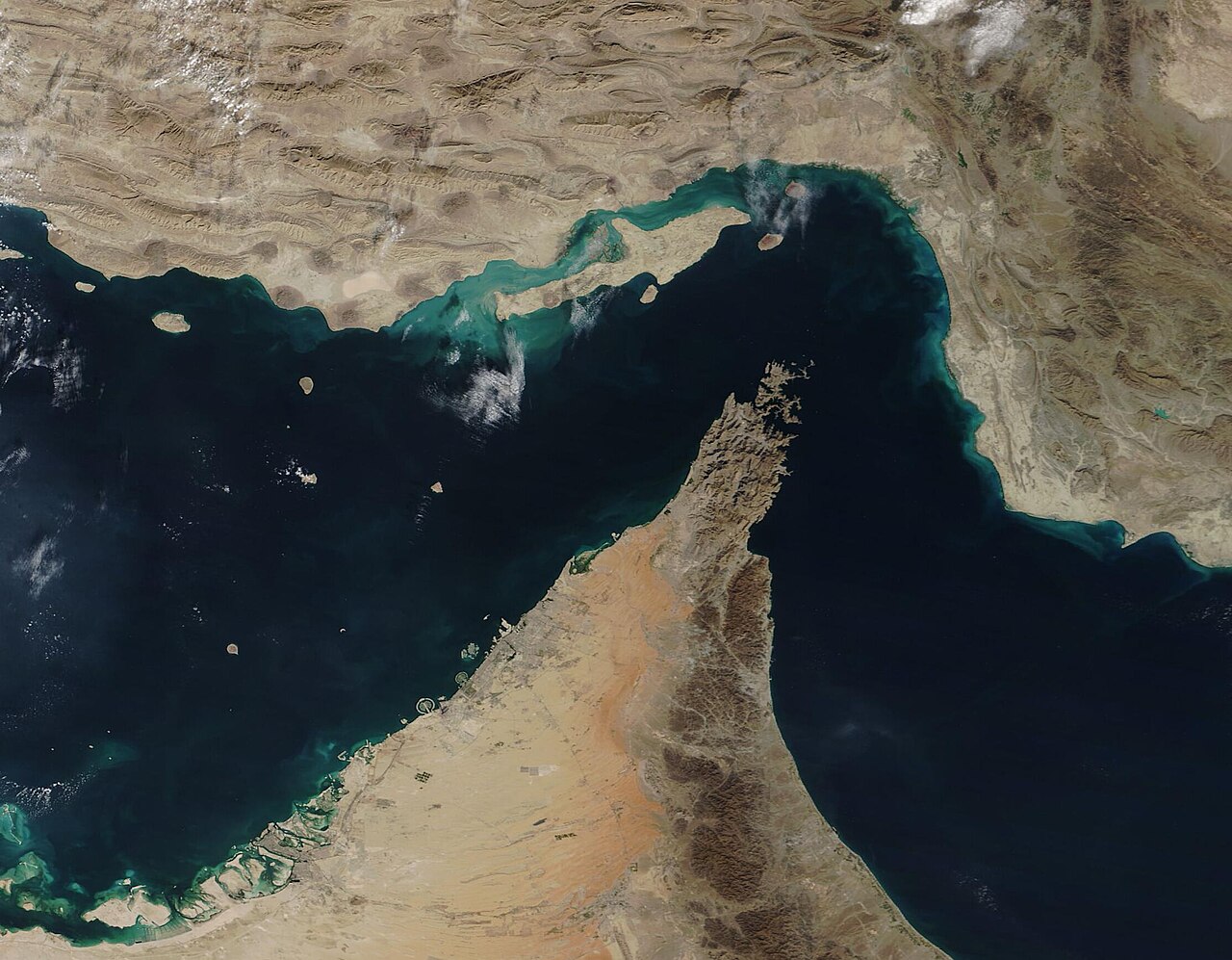
Iran said on Monday, 2 November, that it could restore security to the Strait of Hormuz within two days if the United States meets its conditions, shortening a reopening timetable Tehran had previously put at one week. The statement was made by the foreign ministry spokesman, Esmaeil Baqaei, and carried by Reuters, which reported that Iran had reduced the period from seven days.
“The possibility of implementing this plan in two days is another indication of Iran’s good-faith approach,” Baqaei said, according to the Reuters account published by Geo News. He added: “We have stated that, if Iran’s demands are met, it would be possible to restore security to the Strait of Hormuz and resume the negotiating process within a short period.”
Al Jazeera put the same position in slightly different words, reporting that Iran said both the restoration of security in the strait and the start of a negotiating process would follow if Washington accepted its demands, in its live coverage of the war.
The offer is a more concrete public formulation of a sequence Tehran has been discussing with mediators for weeks. It is not a unilateral reopening. Shipping through the strait has been disrupted by attacks and restrictions, and Iran’s statement sets the start of any two-day countdown after American action rather than at the moment of the announcement.
What changed in Doha
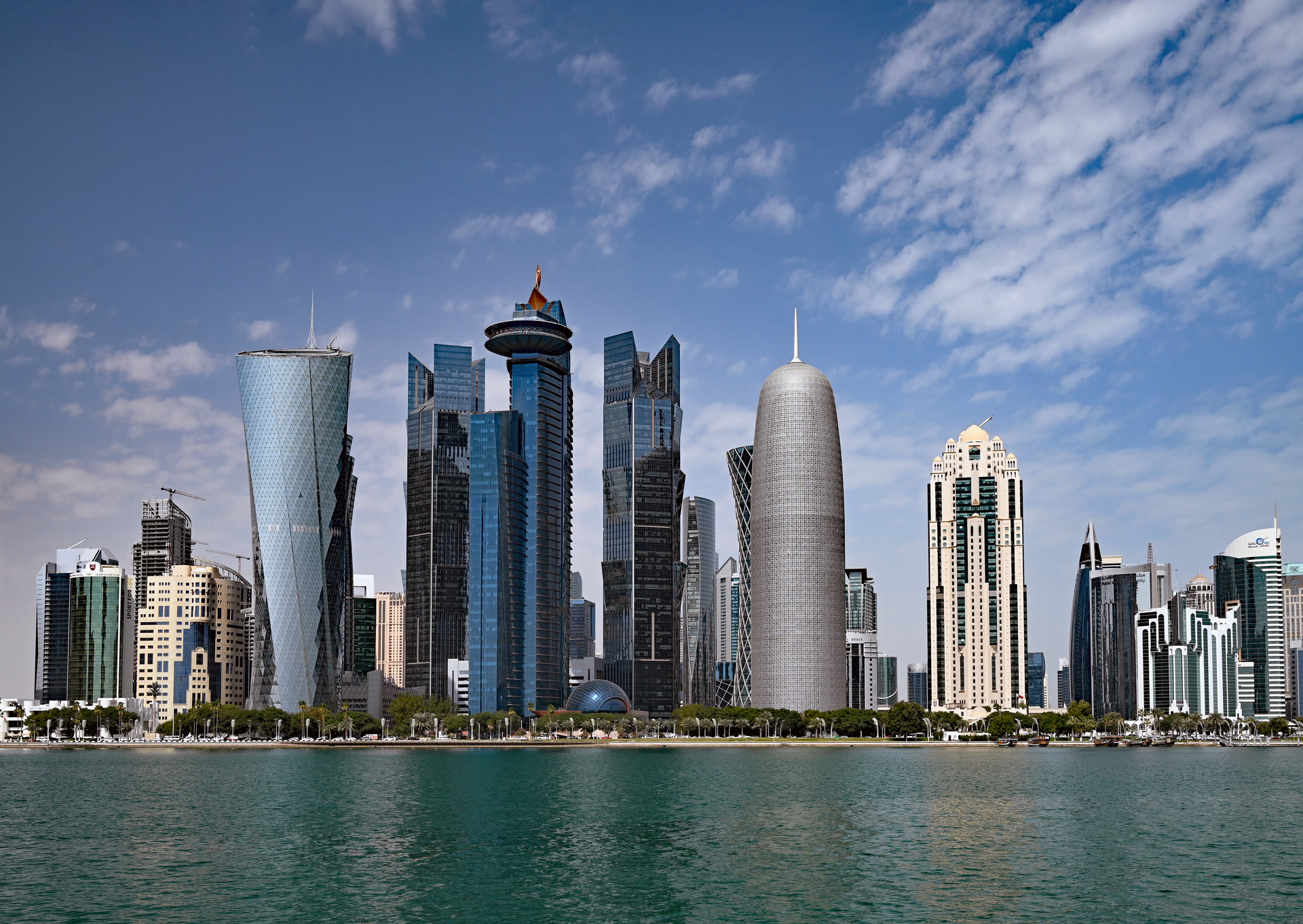
The statement came after the indirect talks in Doha, mediated principally by Qatar, ran into a third day on Sunday. Qatar has been trying to negotiate the release of more than $6bn in Iranian assets, a step that could lead to the reopening of the strait and the restart of negotiations on Iran’s nuclear programme, The Guardian reported.
Iranian negotiators left Doha on Sunday, but an official briefed on the talks told Reuters that the departure was not caused by difficulties in the negotiations. A draft proposal was being circulated for feedback and a follow-up meeting was possible, the official said.
Baqaei said the basis for diplomacy with Washington is Iran’s seven-step proposal, that the exchange of messages is continuing and that Deputy Foreign Minister Kazem Gharibabadi had travelled to Doha to facilitate the process, Reuters reported. Foreign Minister Abbas Araghchi has ruled out direct meetings with American officials for now and was due to travel to Turkmenistan on Monday, The Guardian reported.
The shift matters because it moves the public record from a general negotiating channel to a specific timetable. Iran’s earlier public position was a seven-day reopening window. Araghchi told Al Jazeera on Saturday that Qatari mediators had proposed shortening the implementation period to five days, and that the two sides had reached a proposal that reduced it to two, the network reported.
That compressed timetable is the change since KhabarWire’s 1 November account of the Doha channel, which recorded the opening of the mediator track but not the two-day figure. The wider file is tracked in the Pakistan, Iran and US mediation hub.
The conditions behind the two-day figure
The two-day period is not a measure of how long it would take to reopen the waterway. It is a measure of how quickly Iran says it would act once Washington has met a list of demands that touches sanctions, military posture, frozen assets and shipping routes.
Araghchi set out the conditions in his Al Jazeera interview. They include lifting the sanctions imposed in the wake of the Islamabad memorandum, including those added after it collapsed, reducing the American military presence in the region, restoring oil waivers and releasing all frozen Iranian funds, including the $6bn held in Qatar. Iran also wants recognition of the shipping routes it discussed with Oman, and the closure of other routes through the strait.
The Guardian described the sequencing in more specific terms: Iran would reopen the strait within two days of the United States acting to lift its blockade on oil ships, stop blocking the release of Iranian assets and end sanctions on Iranian oil exports. Those formulations overlap but are not identical. Tehran has not published a single consolidated text, and the draft being circulated in Doha has not been made public.
The economic stakes are visible in the inventory figures. Sultan Al Jaber, chief executive of Abu Dhabi’s state oil company ADNOC, said on Monday that nearly 1 billion barrels had been drained from global inventories since the disruption to Hormuz began, Reuters reported. “The world has eroded its supply buffers,” he said. A reopening would not restore those stocks overnight, but it would remove one source of pressure on prices.
Why the timetable matters for Pakistan
Pakistan is not a party to the negotiations, but it is one of the mediators Tehran has named. Araghchi said on Saturday that “Qatari and Pakistani mediators are continuing consultations regarding our conditions,” Al Jazeera reported. That places Islamabad inside the channel rather than beside it, although Pakistan has not publicly set out the proposals it is carrying.
The economic exposure is direct. Petroleum Minister Ali Pervaiz Malik said on Monday that about 70 per cent of Pakistan’s petrol requirement comes from the international market, and that the government had worked with local refineries to absorb part of the increase caused by war-related premiums, Geo News reported. A sustained reopening of Hormuz would ease the import-cost pressure that has fed into the revised pricing mechanism.
The gas side is tighter. QatarEnergy has extended force majeure on LNG supplies to Pakistan until 29 December, Geo News reported, leaving Islamabad to plan around a smaller number of cargoes for the winter peak. A Pakistan-bound Qatari LNG tanker was struck near the strait on Friday despite receiving safe-passage clearance from Tehran hours earlier, The Guardian reported; KhabarWire covered the attack and its fallout. Even a diplomatic breakthrough would leave shipping companies to decide when the route is safe enough to use at scale.
What is still uncertain
The largest unknown is Washington’s response. President Donald Trump told a rally in Iowa on Sunday that “at some point we’re going to have to give them the hammer,” while also saying the war would end “very soon one way or the other,” Al Jazeera reported. Secretary of State Marco Rubio has said the United States is open to a diplomatic solution, but he had not announced a decision on resuming military action or a timetable for the Qatar-led talks, Al Jazeera reported.
It is also unclear whether the two-day figure is a negotiating position or an operational plan. No mechanism has been published for verifying that the United States has met each condition, no date has been set for a follow-up meeting, and no text of the draft has been released. Iran’s deputy parliamentary speaker, Ali Nikzad, said Tehran would not negotiate on its nuclear programme “under any circumstances or under any pressure,” The Guardian reported, a position that contrasts with the talk of resuming nuclear negotiations.
For Pakistan, the practical question is whether a reopening would arrive before the winter gas crunch and whether the mediation channel survives the American midterm elections on Tuesday. Neither is settled. The two-day timetable is a measure of Iran’s stated willingness to move quickly once it sees American action, not evidence that the action has been agreed.