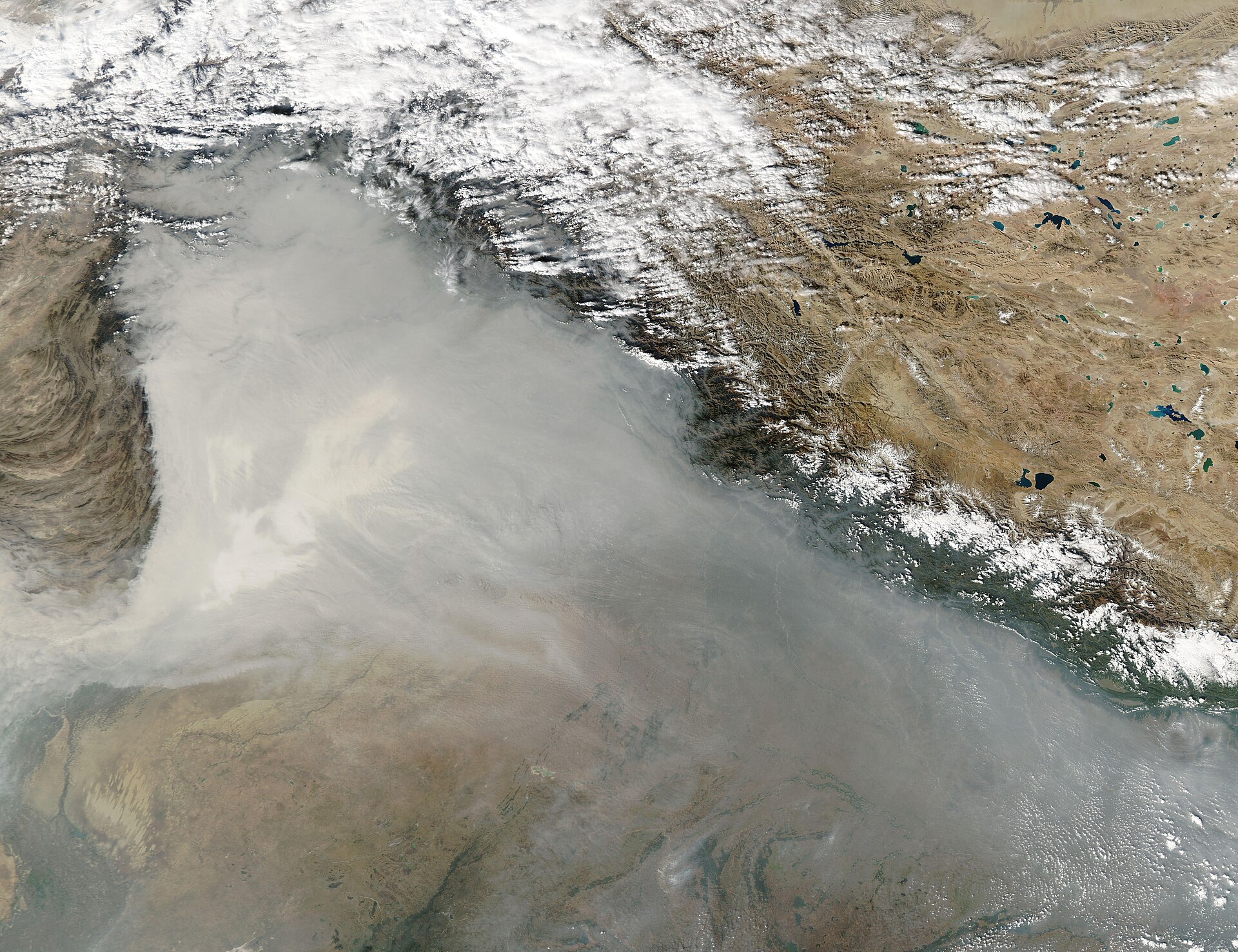
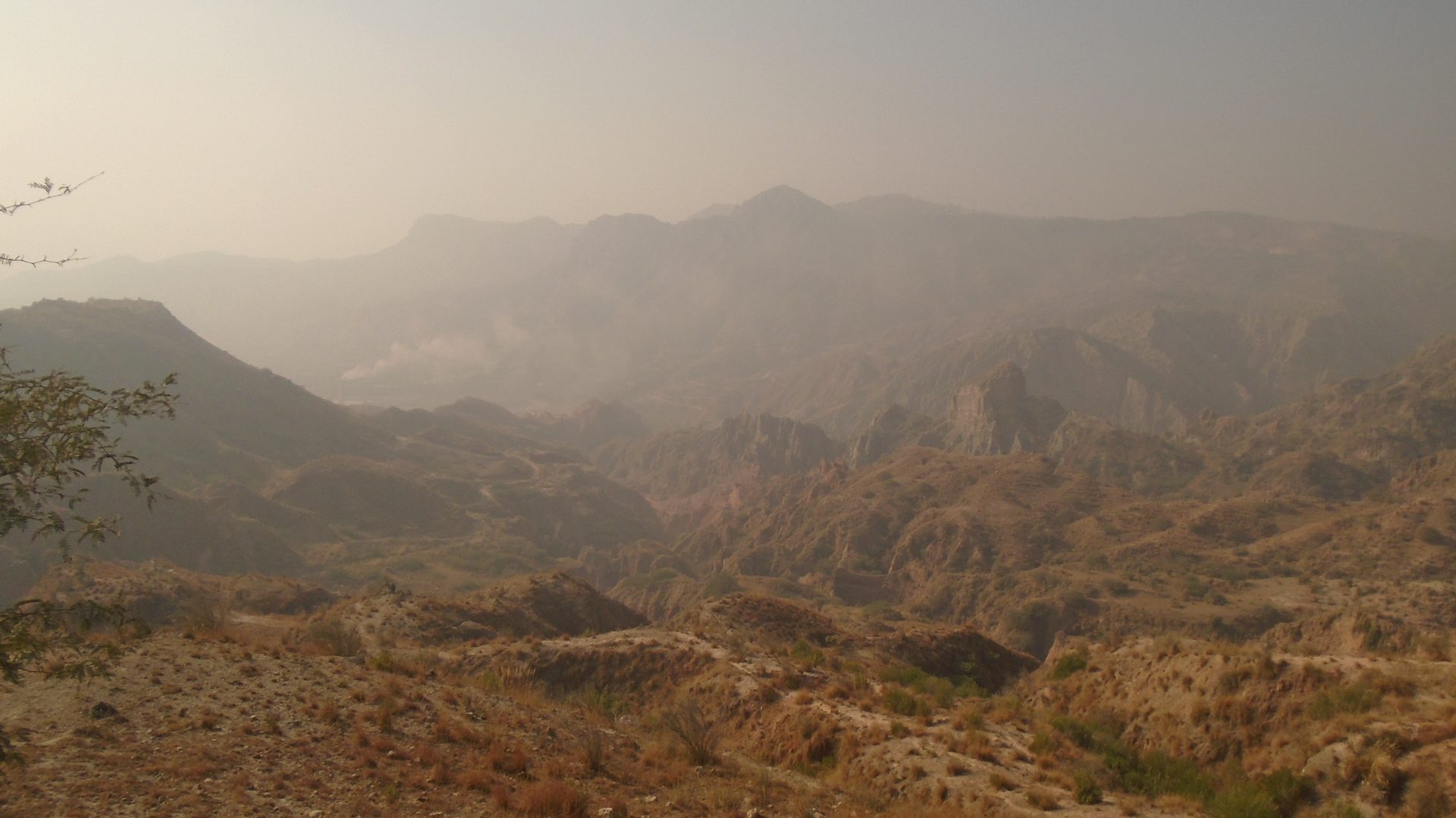
Reporting snapshot · 15 November 2026 (Asia/Karachi). The size of the force and its response figures come from the department that runs it, and no independent audit of the reported fire count has been published. Punjab's own air-quality dashboard stops displaying readings above 500, so the city's live index cannot be compared with the higher values measured by other networks.
On Thursday, 12 November, officers of a new quick-response unit drove to a paddy field on the edge of Lahore and had a small fire under control within minutes. Reuters reported on Saturday, 14 November that Punjab’s Environment Protection and Climate Change Department has formed a 750-member force in 67 rapid-response units across the province’s main rice-growing districts, with teams aiming to reach a reported field fire within 10 to 15 minutes. In a single 24-hour period this week, the department received 679 field-fire reports from across Punjab and said it extinguished 650 of them.
Sixty-seven units and a ten-minute target
Geo News reported that the unit which went out on Thursday is the first of its kind in Pakistan dedicated to fighting pollution. Silwat Saeed, who heads the provincial Environment Protection and Climate Change Department, said the government formed the force this year. Ashfaq Hussain, a deputy director of the force, said teams also patrol paddy areas for signs of burning and that residents can lodge complaints locally: “We receive complaints through multiple channels and respond to them in the shortest possible time,” he said.
The same report said satellites have detected less burned area in India and Pakistan than the historical average at this point in the year, even as many residents in Pakistan say they struggle to notice improvements. Punjab has raised the shared problem with Indian officials at international forums, Saeed said, and India’s foreign ministry did not respond to a request for comment.
What a farmer faces when the fire is found
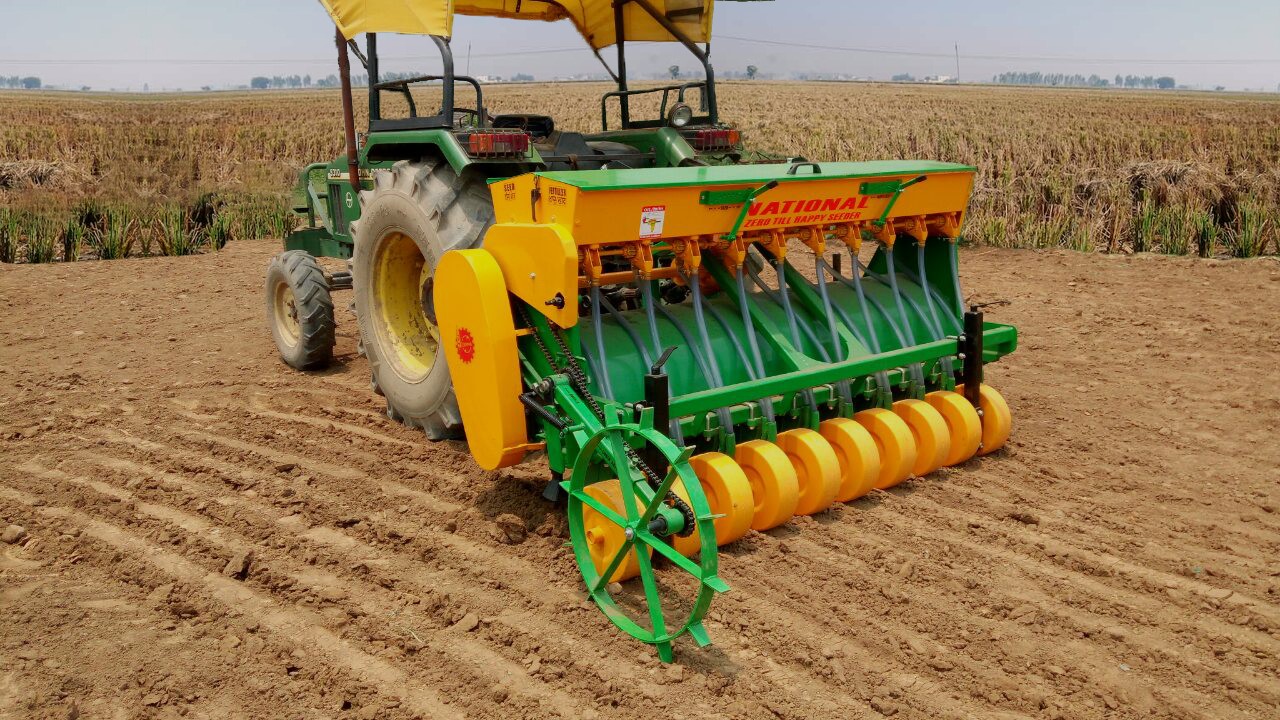
Violators face fines, arrest or both. Muhammad Farooq, an assistant director of the Punjab Agriculture Department, said farmers caught burning stubble face fines of Rs15,000 per acre, and that those who fail to pay can face prosecution and a jail term of up to six months, Reuters reported via The Express Tribune. The government has also distributed more than 10,000 subsidised super seeders, paying 60 per cent of their cost while farmers pay the remaining 40 per cent. A zero-till seeder drills wheat directly into the stubble left after the paddy harvest, which removes the need to burn it.
The economics still run against the machinery. Muhammad Ismail, who farms 50 acres, said switching to a subsidised super seeder and other machinery had significantly raised his wheat yield per acre. Saleem Abbas, another farmer who has stopped burning, said many still burn because it is widely regarded as the cheapest and fastest way to clear fields for the next crop.
The ranking has moved, and the numbers still disagree
The enforcement push comes as the global rankings shift. On Friday, 13 November, Delhi overtook Lahore as the most polluted major city on the global rankings, with IQAir rating the Indian capital’s index “hazardous” at 334 while India’s Central Pollution Control Board put it higher at 403, The Express Tribune reported. The paper noted that the two figures come from different scales and methodologies, and that a day earlier Lahore had still led the same rankings.
Punjab’s own monitoring put the city’s index at 346 at 8am on Thursday, against 444 at the same time a day earlier, and IQAir recorded Raiwind at 519, Bahawalpur at 515 and Multan 507, The Express Tribune reported.
The weekly analysis from the Pakistan Air Quality Initiative for 4 to 10 November put Lahore’s average fine particulate matter at 207.1 micrograms per cubic metre, 32 per cent higher than the 156.4 recorded a year earlier, and the city’s average index at 257, above the national environmental quality standard of 35 on all seven days and about 13.8 times the World Health Organization’s 24-hour guideline of 15, The Express Tribune reported. The same analysis counted 4,933 fire incidents across Pakistan and India in that week, 2,824 of them on the Pakistani side of the border, and attributed part of the deterioration to wind speeds 32 per cent lower than last year. KhabarWire reported on 9 November that Punjab’s own weekly figures ran the other way on the cross-border question, with Lahore’s average index lower on days when the wind carried more from India.
The dashboard that stops at 500
There is a limit to what the province’s own numbers can show. The Punjab Environmental Protection Agency’s dashboard measures air quality on a scale of zero to 500 and keeps displaying 500 once pollution exceeds it, so a reading of 600 or 700 looks the same as one of 500, The Express Tribune reported. Environmental lawyer Altamash Saeed said compressing every reading above 500 into a single figure obscures differences between heavily polluted areas and makes it hard to judge whether pollution is worsening. Mariam Shah, an expert with the Pakistan Air Quality Initiative, said a reading of 500 already represents extremely hazardous conditions in which people should avoid outdoor activity.
What the hospitals are recording
The health data are the argument the enforcement figures are meant to change. Abdullah Nayyar, director general of the Punjab Environment Protection Department, said health department data show smog-related throat hospitalisations last month at 69 per cent of the level recorded in October 2025, Reuters reported via Geo News. In Lahore’s Sir Ganga Ram Hospital, Ahmed Abubakar, a heart patient who has had a bypass and is diabetic, said smog had brought on breathing problems and eye infections, while Mohammad Niaz Butt, who said his nose and throat were blocked up, put it bluntly: “They are burning it, and nothing is done about it.”
The provincial campaign sits inside a federal commitment. The Pakistan Environmental Protection Agency said the Pakistan National Clean Air Conference closed with the adoption of the Islamabad Clean Air Compact, committing federal and provincial stakeholders to time-bound implementation, stricter enforcement, regular emissions inventories and annual review meetings, according to the agency.
For the rest of the wheat-sowing season, three things will show whether the force changes the air: whether the number of reported fires falls as the wheat goes in, whether the ten-minute response holds once the novelty wears off, and whether the smoke over Lahore thins enough to move the city back up the global rankings. The Lahore Smog and Air Quality file follows the readings, the sources and the responses, and KhabarWire’s account of the 2 November reading sets out the earlier baseline.