Reporting snapshot · 5 October 2026 (Asia/Karachi). Yemen's recognised president, Rashad al-Alimi, used a televised address on Sunday, 5 October, to announce military operations to retake all territory still held by the Iran-backed Houthis. The statement came hours after the Houthi spokesman claimed fresh strikes on Saudi Aramco sites in Riyadh and Khurais, and on the same day the Makkah defence pact committee convened in Riyadh. AFP reported the Houthis had cut the Taiz–Aden road.
What happened
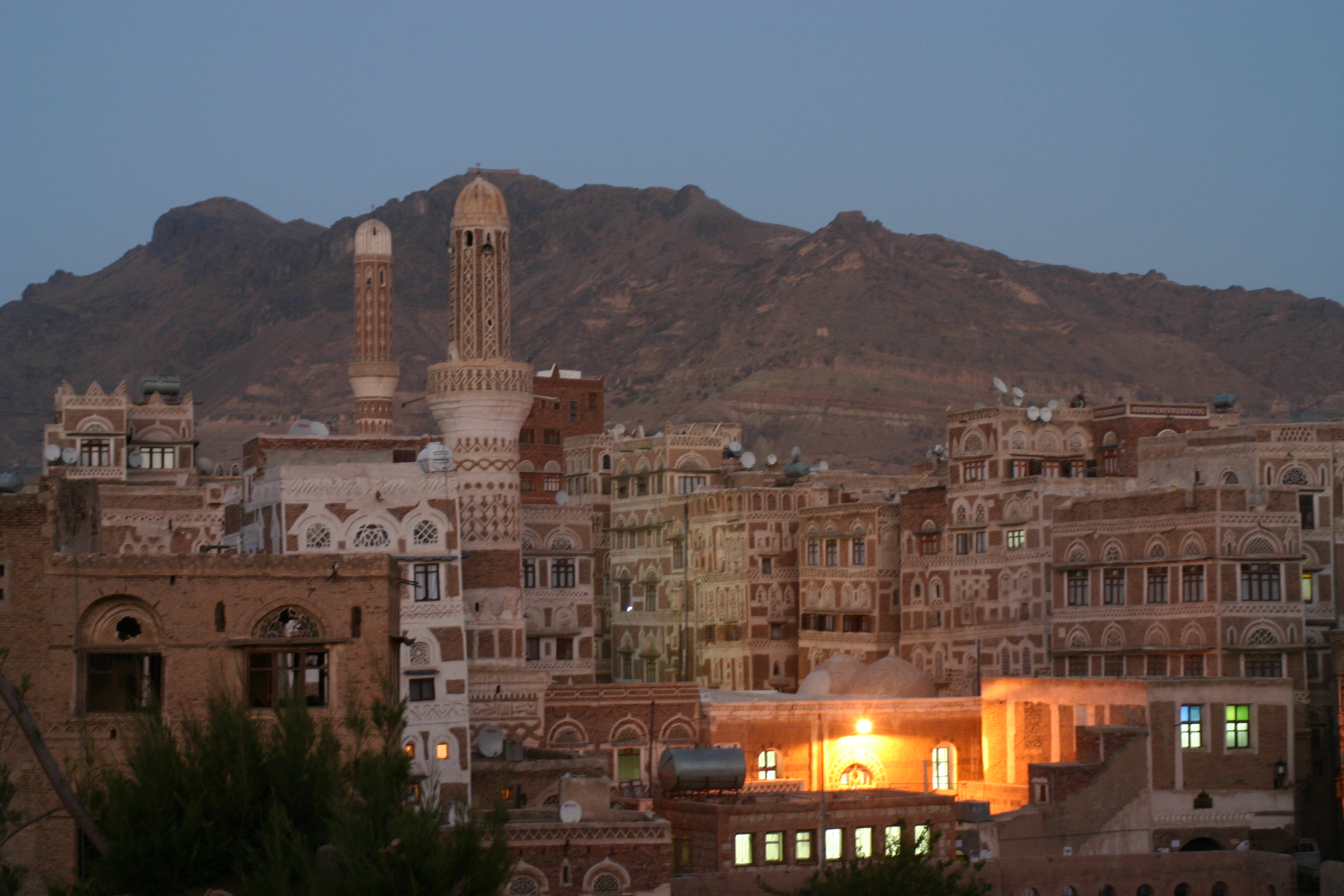
Yemen’s recognised president and head of the Presidential Leadership Council, Rashad al-Alimi, used a televised address on Sunday, 5 October, to declare the start of military operations to extend state authority over all national territory. “Today, I announce the beginning of military operations to retake the remaining territory of the republic and to extend the authority of the state and its institutions across the entire national territory,” al-Alimi said, according to BBC News. Al-Alimi was “unlikely to have made the announcement without the green light from Saudi Arabia, which remains the key backer of his government,” the BBC added.
Within hours, Yemen’s government-run Saba news agency reported that the Yemeni army, backed by Popular Resistance fighters, had recaptured the Dhubab district near the Bab al-Mandeb strait, Al Jazeera English’s live blog recorded. The advance was paired with a Houthi counter-push. AFP, as carried by BBC News, reported that the Houthis had cut a vital supply route linking Taiz with Aden, “effectively encircling Taiz”. Farea Al-Muslimi of Chatham House told AFP the group had “achieved the military objective of isolating Taiz from Aden, even if they haven’t fully taken control of it”.
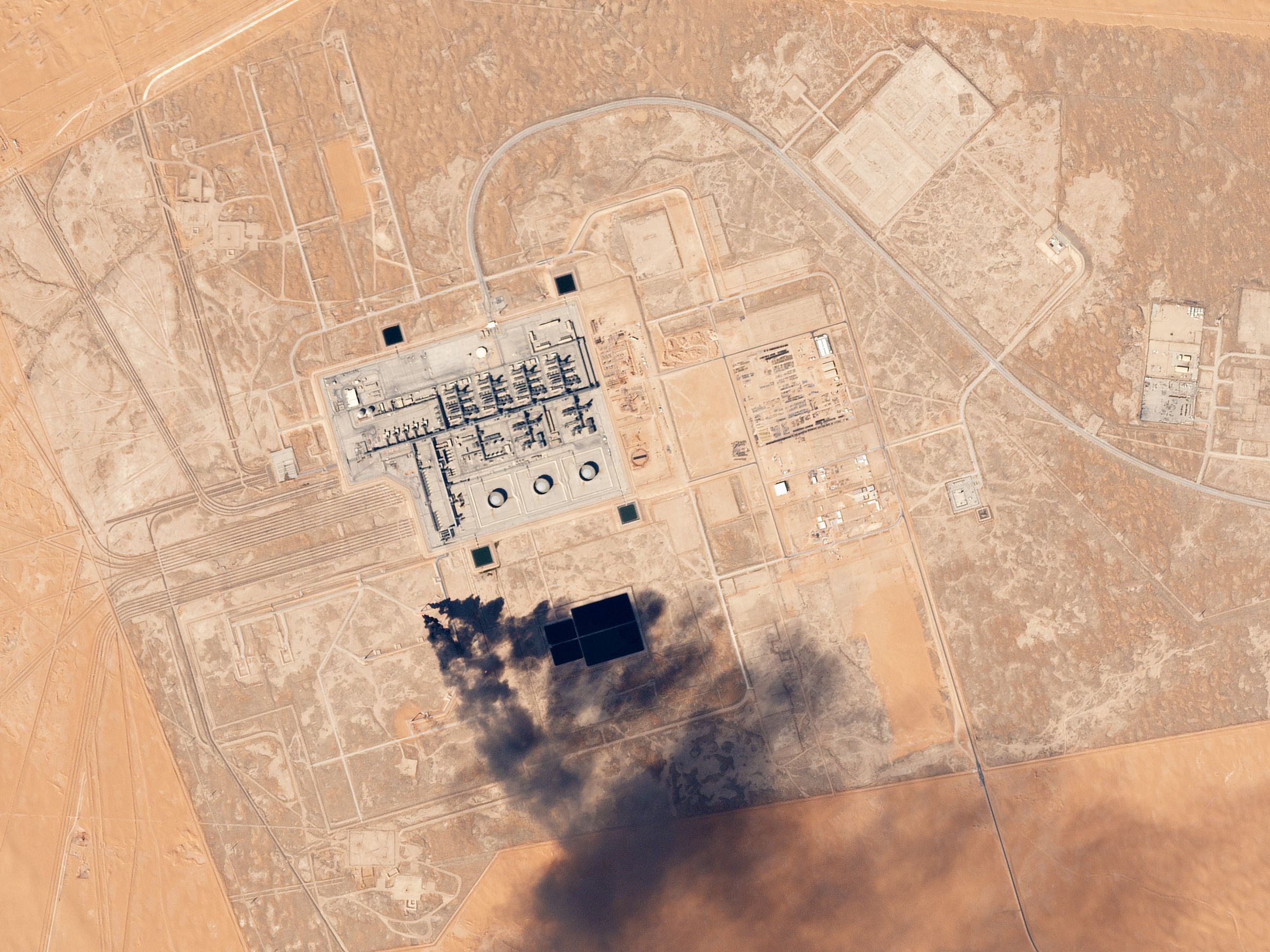
Houthi military spokesman Yahya Saree claimed the group had fired ballistic missiles and drones at Saudi Aramco sites in Riyadh and at the oil-rich Khurais area, asserting the strikes “were precise, causing large fires at the targeted sites”. Saudi authorities had not publicly confirmed the new Aramco damage when the BBC filed its report, and had not commented on the cause of the earlier fire south of Riyadh that KhabarWire reported on 4 October.
Why the announcement now
The declaration is the political response to the Houthi offensive of the past month. The Houthis last month “seized control of the country’s Red Sea coastline, including the vital shipping lane of the Bab al-Mandeb strait”, BBC News reported, forcing Saudi Arabia back into direct confrontation and removing a coastal alternative to the Strait of Hormuz.
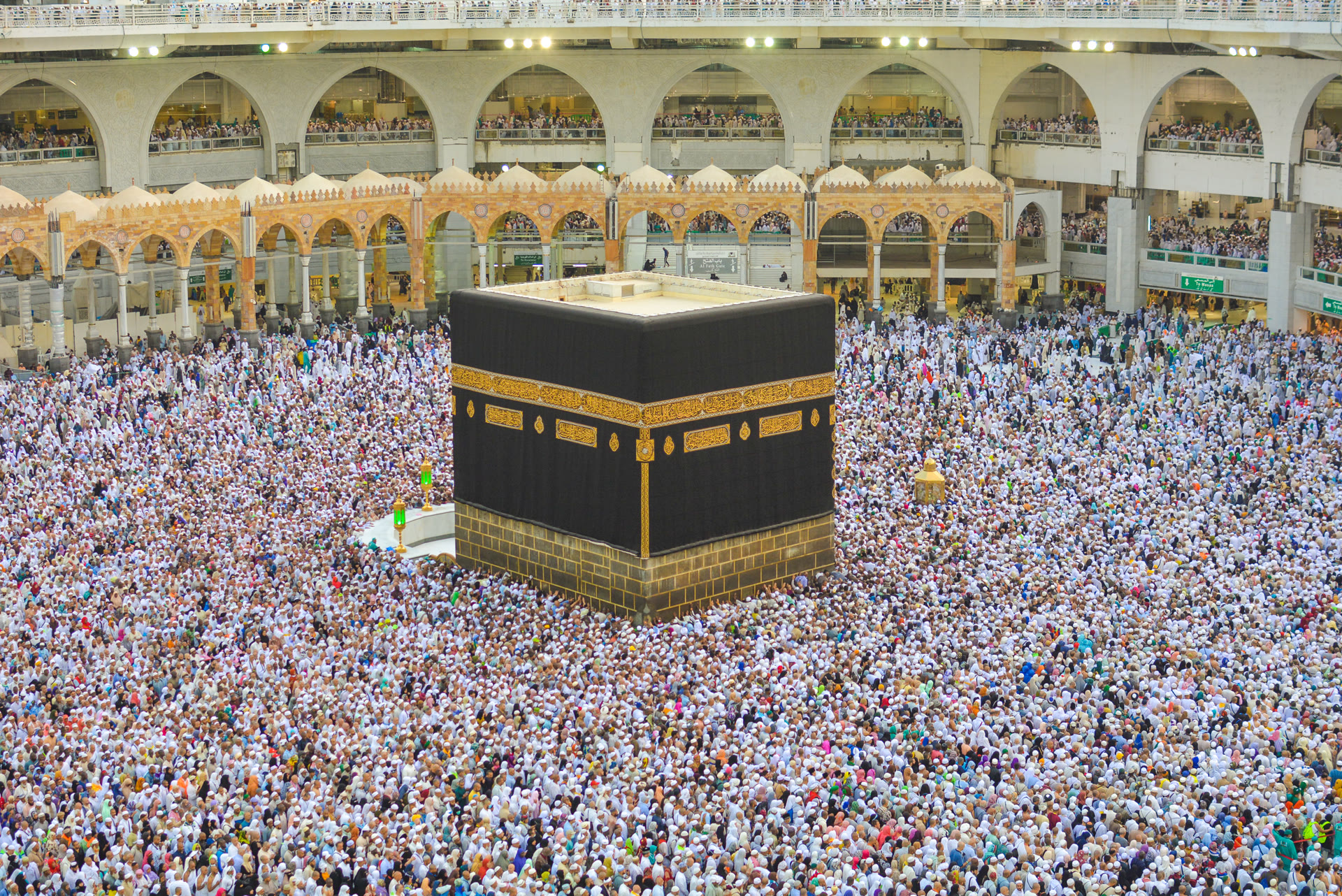
Three pressures have converged on 5 October. First, the Houthi isolation of Taiz has put the government’s last major foothold in the south-west under immediate threat. Second, Saudi Arabia’s oil infrastructure has come under repeated fire, including the Aramco fire on 3 October, and the kingdom’s air defence burden has grown. Third, the diplomatic calendar has opened up. The same day, the Makkah Joint Defence Agreement committee convened in Riyadh, as KhabarWire reported, and Foreign Minister Ishaq Dar had announced a Makkah pact expansion to a six-nation grouping, according to the Dawn story of 3 October. A public declaration of intent anchors potential fresh assistance from those signatories.
What it means for Saudi Arabia and the Makkah pact
Saudi Arabia is the most directly exposed party, as the diplomatic, financial and military backbone of the internationally recognised government and the principal target of Houthi strikes on its oil infrastructure. Riyadh’s request to the United States for help against the Houthis was rebuffed by President Donald Trump last month, according to Geo News, and Saudi Arabia has so far carried out most air strikes on Houthi targets itself.
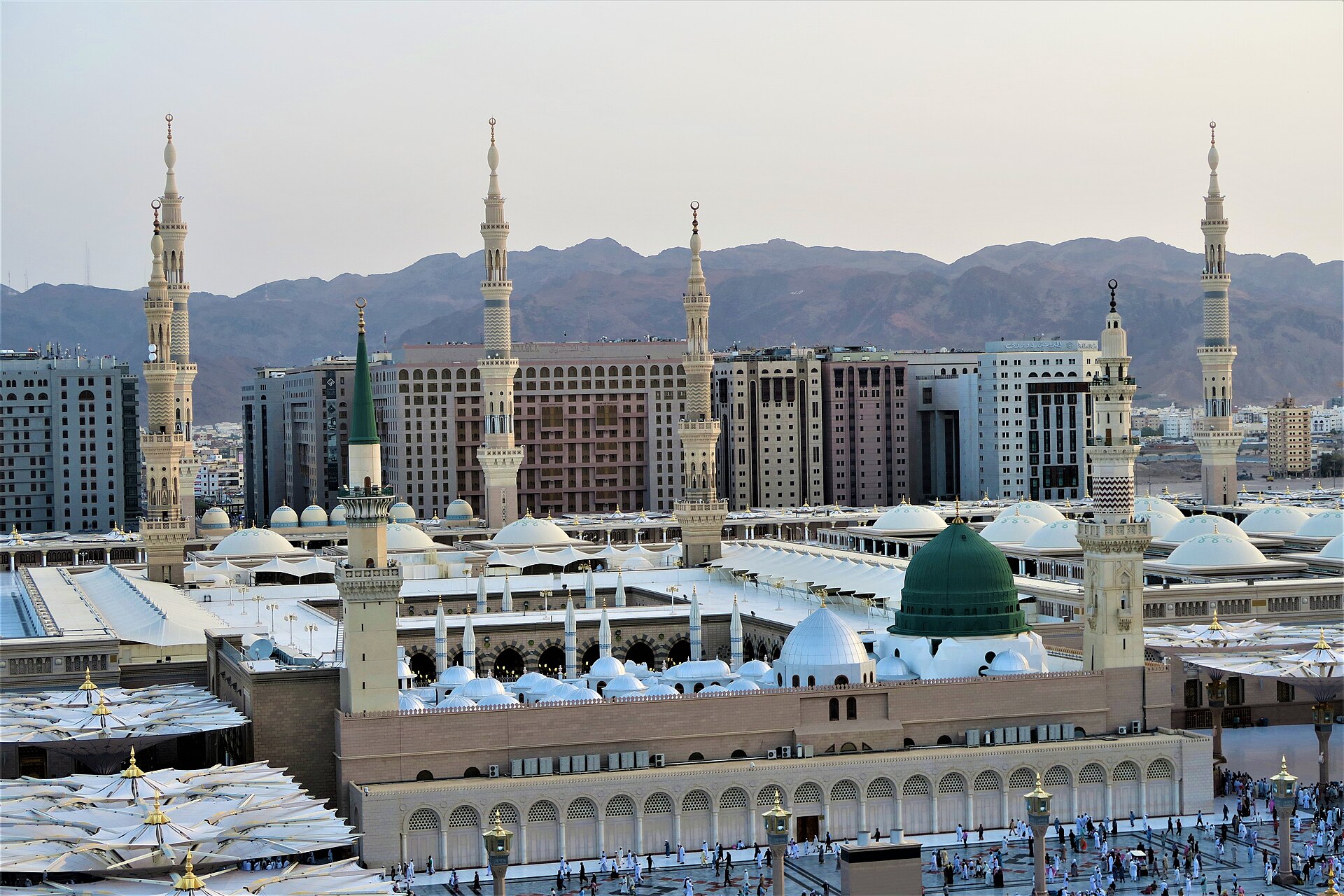
The Makkah pact committee meeting on 5 October is the first held after a wave of Houthi attacks on Saudi Arabia prompted Pakistan to declare that “any enemy of Saudi Arabia is an enemy of Pakistan”, as Defence Minister Khawaja Asif said after the Houthi attack on a Madinah power station on 29 September. A public Yemeni declaration of all-out war sharpens the question of what material support Pakistan, Saudi Arabia and Türkiye are willing to extend to a Yemeni ground campaign, and whether the expanded six-nation grouping Dar announced will contribute more than diplomatic weight.
What it means for Pakistan
For Pakistan the announcement sits inside a chain of moves that has put the country at the centre of the regional response. Prime Minister Shehbaz Sharif has chaired the Makkah pact, Foreign Minister Dar has travelled between Riyadh and Tehran, and the country is hosting the Iran-mediated Hormuz talks. A Yemeni all-out war declared on the day the committee convened puts Pakistan’s leadership in the same room as a fresh declaration of military intent against the Houthis.
Pakistan’s exposure is unusually wide. Around two million Pakistanis work in the Gulf, and their remittances are a pillar of the current account. Pakistan imports the bulk of its crude oil and a significant share of its LNG through the Strait of Hormuz and the Bab al-Mandeb strait, the two chokepoints the Yemen conflict is squeezing. The committee will need to balance a Yemeni request for support against the Pakistan-Iran mediation track and the country’s Gulf economic exposure.
What is still uncertain
Three things remain open. First, the operational reality: al-Alimi’s declaration is a political statement, and the BBC noted that “security sources say the Iran-backed Houthis have continued to make gains” even as the government announced operations. The Yemeni army’s recapture of Dhubab has not been independently verified, and the Houthi claim to have cut the Taiz–Aden road remains contested in scope. The Houthi claim to have hit Riyadh and Khurais is unverified by Saudi authorities.
Second, the diplomatic shape of any Saudi–Pakistani–Turkish response. The Makkah pact committee issued no public joint communiqué, and there is no indication of whether Saudi Arabia will ask the pact’s other signatories for additional air defence, intelligence or ground support, or whether the Dar-announced expansion will be activated. With the United States reported to have rebuffed Saudi Arabia, Washington is not expected to lead the air campaign.
Iran’s parliament has not commented on the Yemeni declaration, and the Al Jazeera live blog said Tehran had signalled readiness for any US attack — a wider Middle East war that will shape the room for any Makkah pact response.
Sources & reporting notes
This is a synthesis of published reporting, not eyewitness coverage. Sources were reviewed on 5 October 2026 (Asia/Karachi). Yemeni President Rashad al-Alimi's televised address is the primary anchor for the story, and is described in identical terms by the BBC, Al Jazeera and AFP wires. The Houthi claim of strikes on Aramco sites in Riyadh and Khurais is attributed to the group's military spokesman Yahya Saree and is unverified; Saudi Arabia had not confirmed it when this article was prepared. The Houthi counter-claim to have cut the Taiz–Aden road is attributed by AFP to three Yemeni military sources and was not independently corroborated.
- BBC News — Yemen's government announces all-out war to reclaim land from Houthis5 October 2026 · Al-Alimi's televised address, the Houthi-claimed strikes on Aramco sites in Riyadh and Khurais, the Saudi-led coalition's reported 50 strikes in 12 hours, the Farea Al-Muslimi quote, and the assessment that al-Alimi was unlikely to have acted without Saudi Arabia's backing.
- Al Jazeera English — Iran war live: Yemeni army makes gains; Tehran says ready for US attacks5 October 2026 · The Yemeni army's recapture of the Dhubab district near the Bab al-Mandeb strait as reported by the Saba news agency, al-Alimi's announcement of major military operations, the Iran readiness claim and the wider live coverage of the Middle East war on the same day.
- Geo News / AFP — Houthis take Yemen war to Riyadh as Saudi strikes pound Sanaa in sharp escalation4 October 2026 · The Saudi-led coalition strikes on Sanaa, the earlier Houthi strike claims, and the pattern of Saudi Arabia dismissing Houthi claims while leaving others unaddressed.