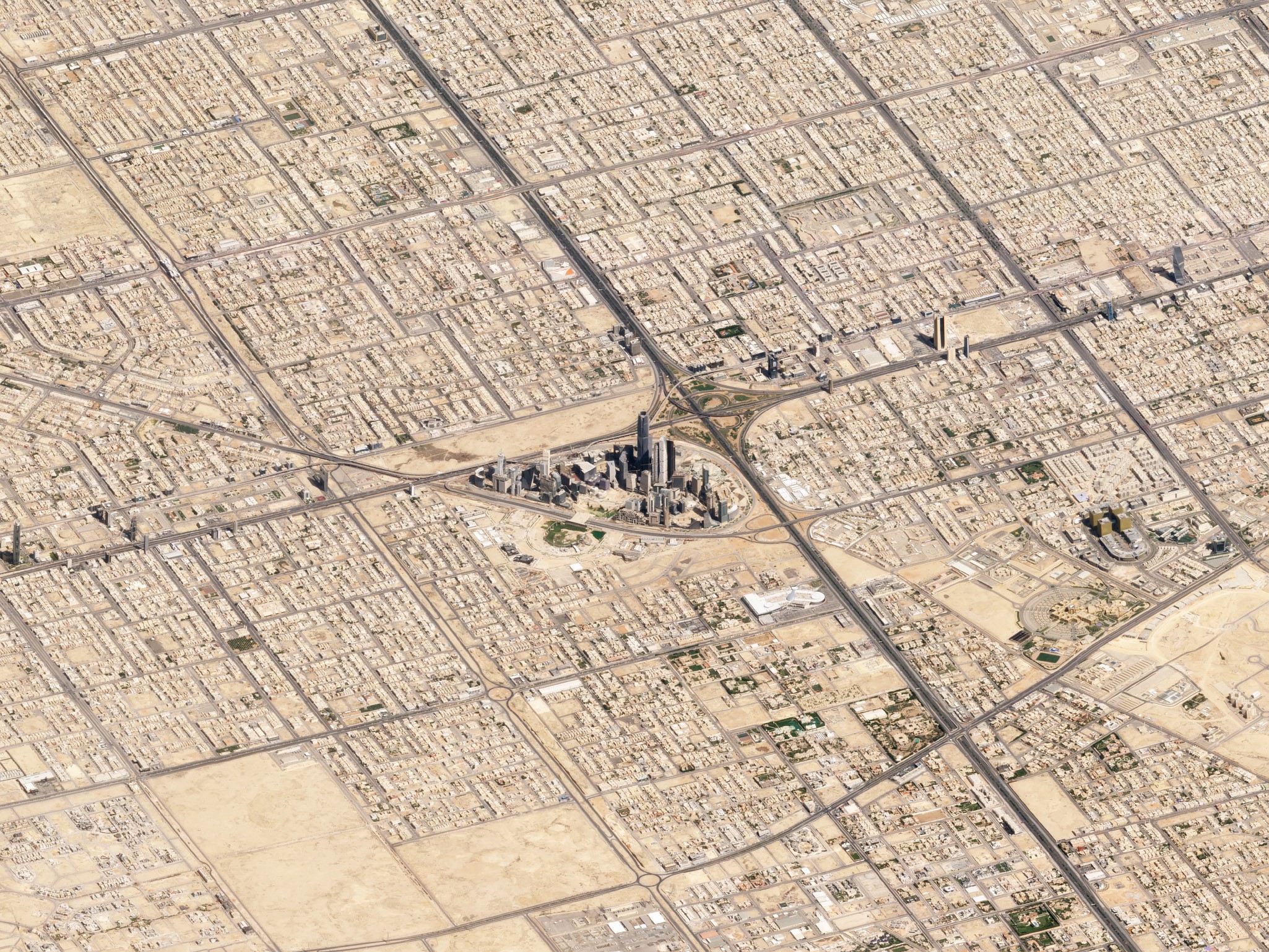
Reporting snapshot · 4 October 2026 (Asia/Karachi). Yemen's Houthis claimed on Saturday night that they fired missiles and drones at an oil facility in Riyadh, after witnesses saw flames and smoke near an Aramco refinery south of the Saudi capital. Saudi authorities had not commented and Aramco had not responded when this article was prepared. The cause of the fire and the damage are unconfirmed. This is a dated snapshot.
What happened
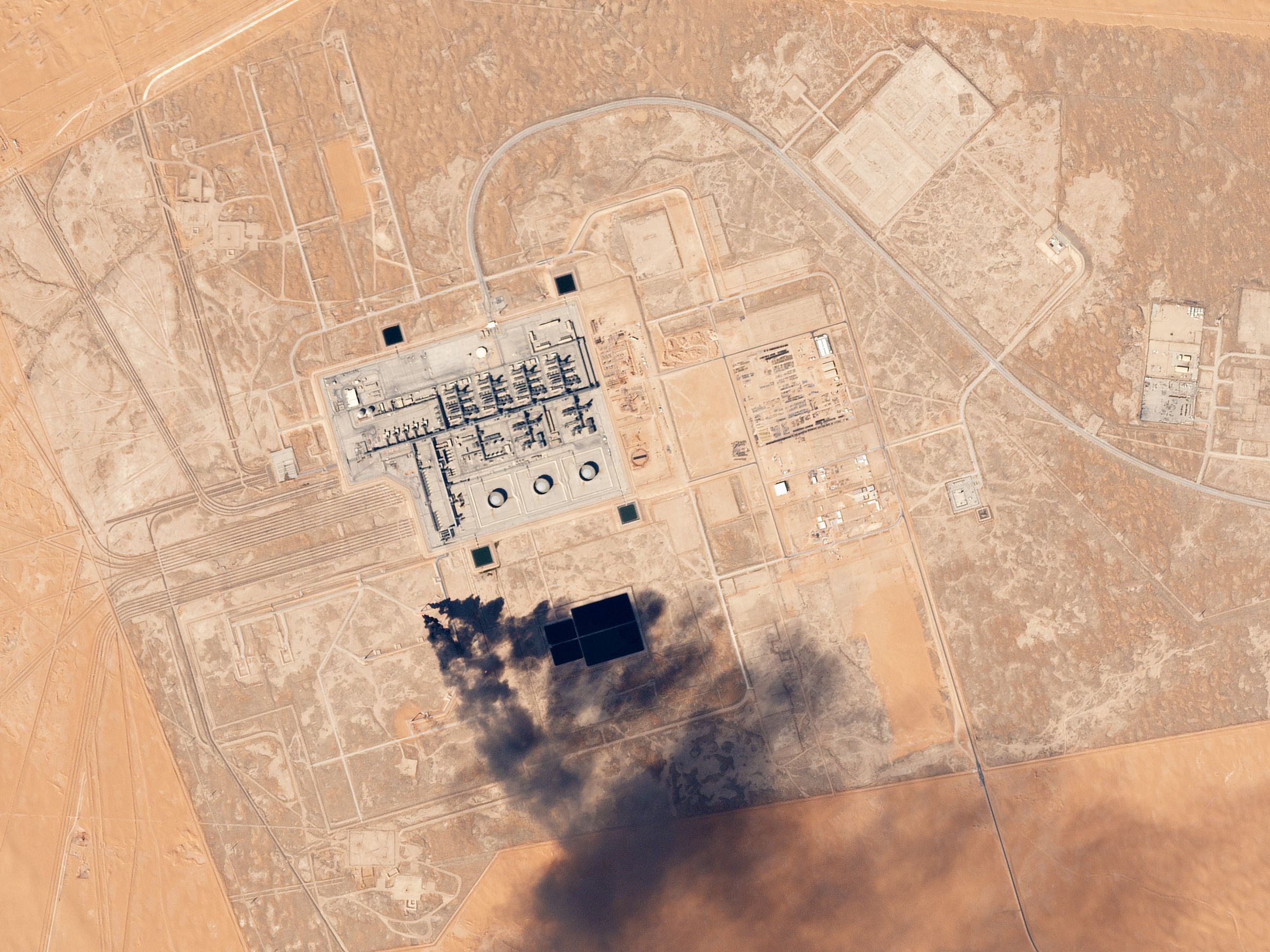
On Saturday afternoon, 3 October, an AFP journalist saw flames and smoke rising from a facility belonging to the Saudi oil giant Aramco south of Riyadh. The journalist reported firefighters trying to put out a blaze at Aramco’s Riyadh refinery, with ambulances and police vehicles stationed nearby, Geo News, carrying the AFP report, said. A separate Reuters account published by The Express Tribune said a witness saw a large plume of smoke and fire near an Aramco facility in the city.
Late on Saturday, the Houthi military spokesman, Yahya Saree, said the group had targeted an oil facility in Riyadh with ballistic missiles and drones and that the strikes had started fires, according to the AFP report. There was no immediate claim of responsibility when Reuters first reported the smoke; the Houthi announcement came after the fire was already visible. Saudi authorities did not confirm the cause of the fire, and Aramco did not immediately respond to a request for comment.
The Houthi-affiliated Al-Masirah television channel also reported that “Saudi enemy aircraft” had carried out at least 26 strikes on Sanaa. Two correspondents in the Yemeni capital told AFP they heard loud explosions and saw warplanes firing missiles. The Saudi-led coalition, which backs Yemen’s internationally recognised government, had not issued a detailed account of the Sanaa strikes when this article was prepared.
The escalation against Saudi oil
If the Houthi claim is confirmed, the fire would be the most direct hit on Saudi energy infrastructure around the capital since the renewed Yemen war began in July. The Houthis have claimed earlier attacks on Aramco sites, including at the Red Sea port of Yanbu, but Saudi Arabia said it intercepted those missiles and reported no damage. In this case, neither the extent of the damage nor any effect on production or exports has been disclosed.
The reported strike lands amid a broader effort to shield Gulf energy. The United States has deployed additional Patriot missile batteries to protect oil and gas facilities in Saudi Arabia and Qatar, The Express Tribune reported, and it has moved carrier strike groups and Marines towards the region as Washington weighs renewed operations against Iran, as Al Jazeera’s live coverage recorded. That coverage also reported two oil tankers struck by “unidentified projectiles” in the Strait of Hormuz, which Iran has effectively closed, and the release of several detained Iranians by the United Arab Emirates.
The pattern matters because the Houthis’ Red Sea campaign and Iran’s closure of Hormuz squeeze the two routes by which Gulf crude normally reaches world markets. Each new hit on Saudi infrastructure feeds the same chain: higher crude prices, costlier shipping and insurance, and a larger import bill for oil-dependent economies far from the front line.
The renewed Yemen war behind the strike
The strike is the latest turn in a war that reignited in July after four years of a fragile truce. Fighting resumed when Iran sent a plane to Sanaa carrying a Houthi delegation without Saudi authorisation, prompting Saudi strikes on Sanaa airport; the Houthis then attacked Saudi territory for the first time since 2022. Since then the group has launched an offensive along Yemen’s Red Sea coast, seizing much of the shoreline and control of the Bab al-Mandab strait, and has announced a naval blockade on Saudi shipping.
The costs are mounting. Fighting in recent days has centred on the southwestern city of Taiz, where sources on both sides told AFP that dozens were killed on Friday: the Houthis reported 55 of their fighters killed, while government sources said 26 troops died. Saudi authorities said a Houthi projectile damaged a school in the border city of Najran. The World Food Programme warned on Friday that three-quarters of Yemen’s population could not meet its basic food needs.
Diplomacy has not kept pace. Riyadh has reportedly asked the United States for help against the Houthis, a request so far rebuffed by President Donald Trump, while US media reported that senior cabinet members met to discuss Yemen and the Iran conflict.
What it means for Pakistan
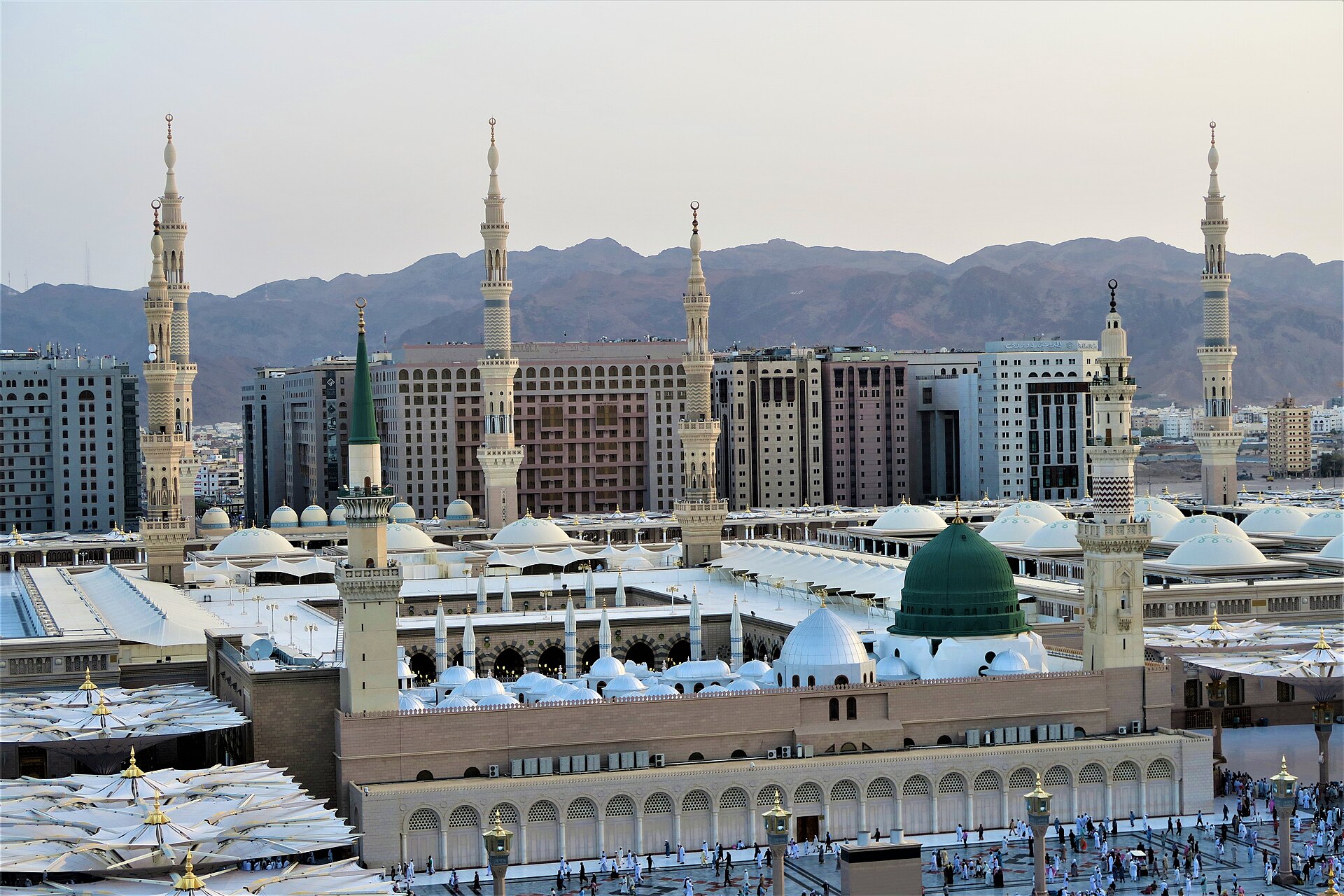
The escalation reaches Pakistan through several channels at once. Pakistan is a signatory, with Saudi Arabia and Türkiye, of the Makkah Joint Defence Alliance, and its officials have described the defence of the kingdom — including the holy cities — as a commitment that does not depend on any single treaty. After the 29 September attack on a power station in Madinah, Defence Minister Khawaja Asif said that “any enemy of Saudi Arabia is an enemy of Pakistan”, as KhabarWire reported. A strike that reaches the Saudi capital’s oil infrastructure sharpens the question of how far that pledge runs.
Economically, the stakes are immediate. Around two million Pakistanis work in the Gulf and their remittances are a pillar of the current account. Pakistan’s fuel import bill moves with crude prices, which have already crossed $100 a barrel during this conflict, and the closure of Hormuz has forced importers onto longer, costlier routes. Earlier phases have jolted Pakistan’s markets: the KSE-100 plunged more than 6,000 points in July when the United States reinstated a naval blockade of Iran.
Islamabad has tried to hold two positions at once — a security partner to Riyadh and a mediator between Washington and Tehran. A strike in the Saudi capital tests that balancing act, and any request for deeper Pakistani military support would be politically and economically costly.
What is still uncertain
The central uncertainty is factual. The Houthis claim the strike; Saudi authorities have not confirmed that the fire at the Aramco facility was caused by an attack, and Aramco has not commented on the damage. No independent party has verified the weapons used, the target, or any loss of production or export capacity. The strike should be treated as an attributed claim rather than a settled fact.
It is also unclear what changes in practice. Saudi Arabia has not said whether it will escalate further in Yemen or ask allies for more help, and the operational terms of the Makkah alliance remain undisclosed. Whether the reported strike prompts a new request for Pakistani forces or air-defence support has not been indicated.
The wider trajectory is open. Washington is weighing renewed operations against Iran even as it says talks continue; Iran’s closure of Hormuz shows no sign of easing; and the Yemen front is expanding. Whether a fire near Riyadh becomes a turning point in the energy war, or another data point in a grinding regional conflict, will be decided by choices not yet made public.
Sources & reporting notes
This is a synthesis of published reporting, not eyewitness coverage. Sources were reviewed on 4 October 2026 (Asia/Karachi). The fire and the emergency response were reported by AFP and Reuters; the Houthi claim is attributed to the group's military spokesman and is unconfirmed. Saudi authorities had not commented on the cause of the fire, and Aramco had not responded, when this article was prepared.
- Geo News / AFP — Houthis take Yemen war to Riyadh as Saudi strikes pound Sanaa in sharp escalation4 October 2026 · The fire at the Aramco facility south of Riyadh, Yahya Saree's missile-and-drone claim, Al-Masirah's report of 26 Saudi strikes on Sanaa, the Taiz casualties, the WFP warning and the reported US rebuff of Saudi requests.
- The Express Tribune / Reuters — Fire, smoke seen near Aramco facility in Riyadh, witness says3–4 October 2026 · The witness account of smoke and fire near an Aramco facility, the absence of an immediate Saudi or Aramco comment, and the earlier intercepted Houthi claim against Aramco sites at Yanbu.
- Al Jazeera English — Iran war live: UAE releases Iranians, Yemeni forces strike Houthis in Sanaa3 October 2026 · Yemeni government strikes on Sanaa, the two tankers hit in the Strait of Hormuz, the US carrier and Marine deployments, and the status of US–Iran talks.
- The Express Tribune — US sends additional Patriot batteries to protect Saudi, Qatari energy sites2 October 2026 · The reported deployment of US Patriot batteries to defend Saudi and Qatari energy facilities and the wider US military build-up.