Reporting snapshot · 6 November 2026 (Asia/Karachi). The $51 billion figure rests on unnamed people briefed on the discussions and has been denied outright by Saudi Arabia, and the interceptions are the Saudi coalition's own account. The Houthis have not addressed the reported approach to Riyadh. What is firm is the sequence: a reported offer, a public denial, fresh missiles over Najran and the Makkah region, and Islamabad's reaffirmation of the alliance.
What changed on 5 and 6 November
Saudi Arabia has rejected a Wall Street Journal report that Riyadh approached Yemen’s Houthis to explore a negotiated end to the renewed conflict and was told the price was $51 billion in compensation, plus formal Saudi recognition of the group’s authority over Yemen. Deputy Minister for Public Diplomacy Rayed Krimly called the account “pure fabrication by the writers or their alleged sources” and said the Houthis had instead “turned against the Yemeni government, caused famine among the Yemeni people” and “rejected peace initiatives”, The Express Tribune reported. Pakistan Today carried the same denial and the report it rejected, and noted that the dispute has come amid intensified fighting since the United States and Israel struck Iran in February.
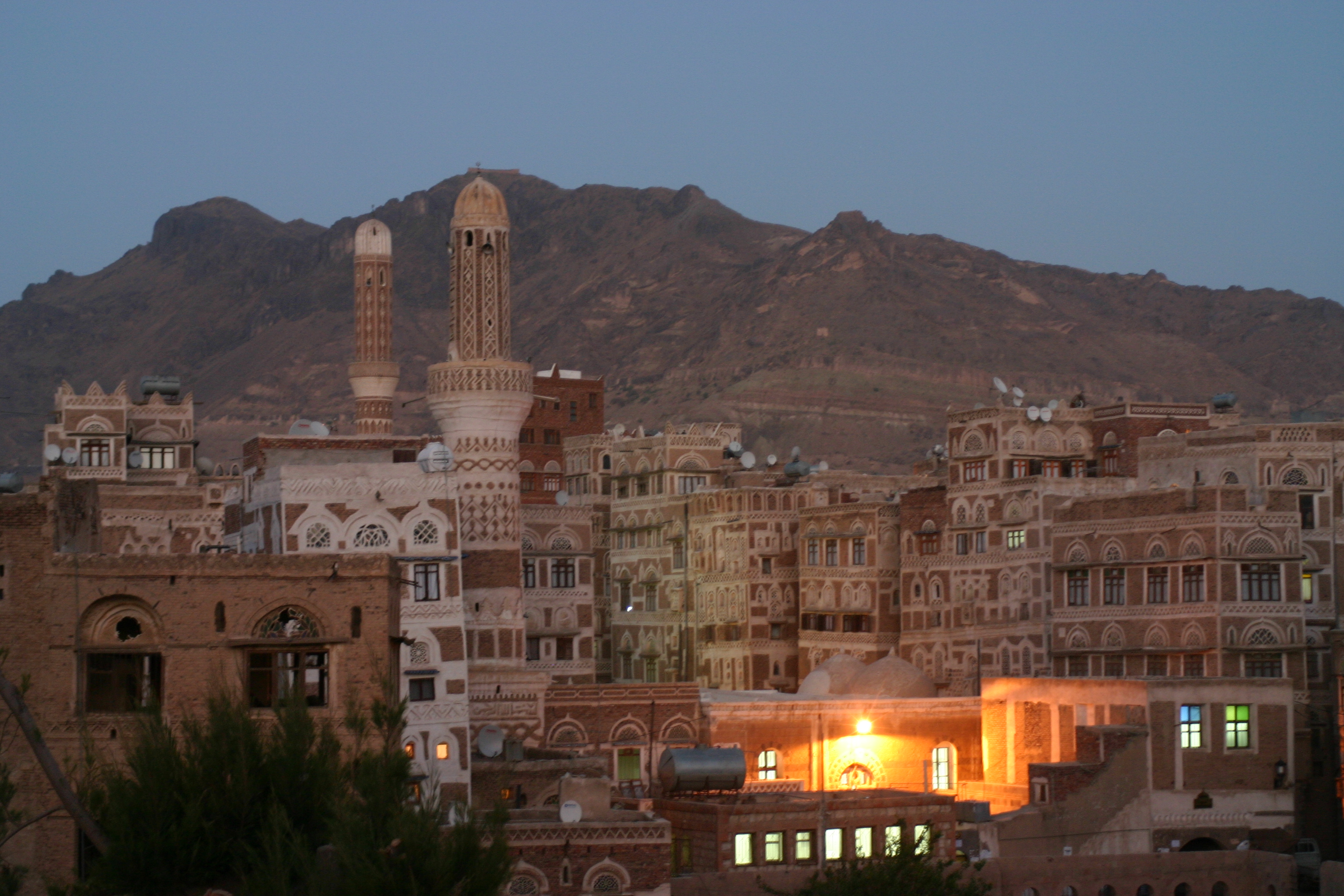
The reported channel matters because the terms described would amount to recognising the Houthis as the governing power in a neighbouring state. The Houthis have seized Sanaa and much of northern Yemen since 2014, and the Saudi-led coalition has backed the internationally recognised government in Aden since 2015.
What was fired at the kingdom
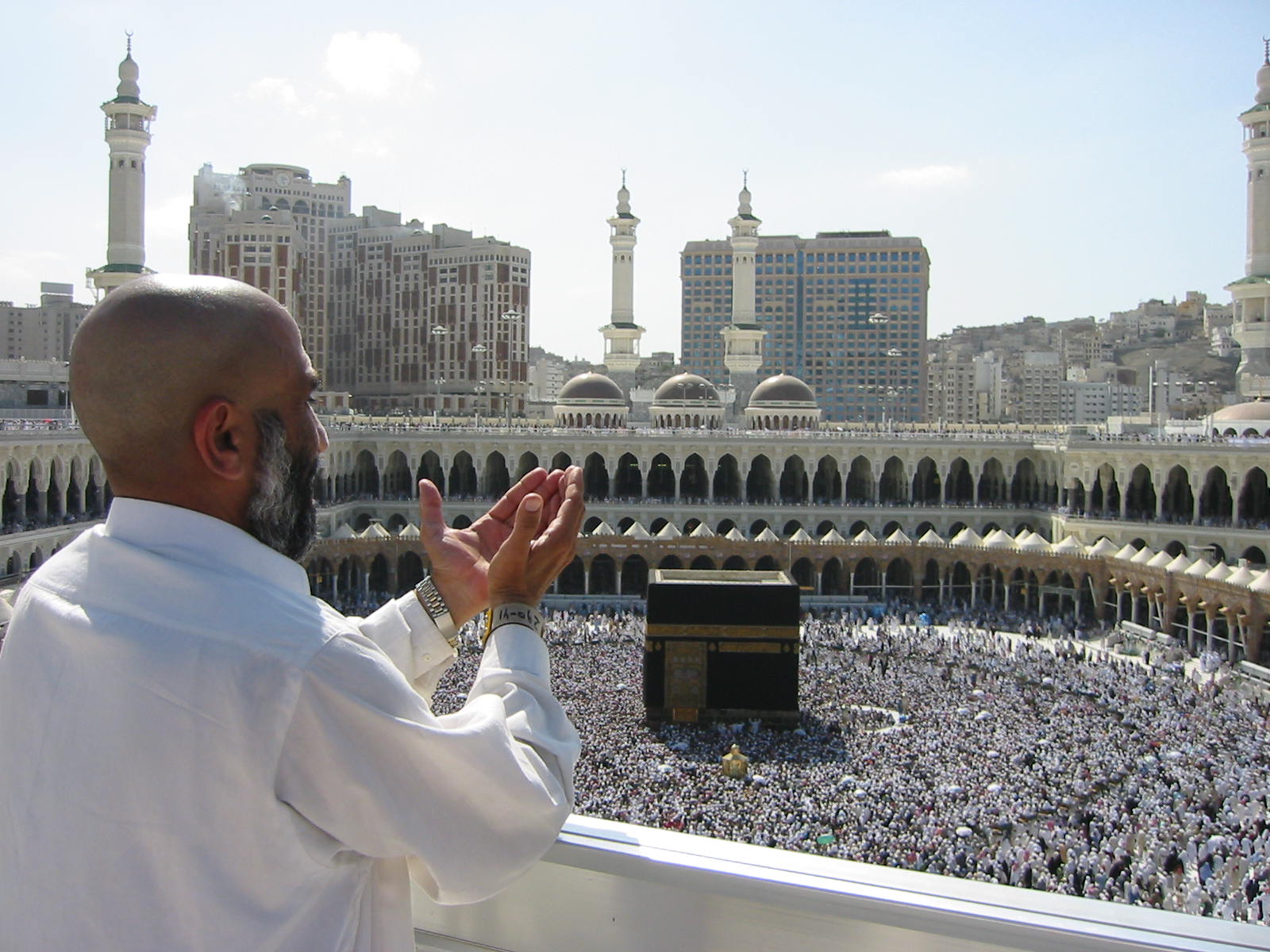
The fighting continued while the report was being disputed. On Friday, 6 November, the Saudi-led coalition said air defences intercepted and destroyed two ballistic missiles fired by the Houthis towards the southern city of Najran, with debris falling and damage being assessed, and that a drone was intercepted and destroyed in the Makkah region, Reuters and Anadolu reported via The Express Tribune.
A day earlier the coalition said it had intercepted a ballistic missile launched towards the Madinah region, minutes after Saudi Arabia’s civil defence agency warned of potential danger near the port of Yanbu, Al Jazeera reported. The Houthis rejected the claim that they had targeted Madinah; their military spokesman Yahya Saree said the group’s “operations target only oil facilities and military bases” and called the allegation a “blatant and grave falsehood”. Qatar, Kuwait, Bahrain and Jordan condemned the attempt, with Bahrain asking the UN Security Council to act, The Express Tribune reported.
The ground war is what the Saudi account of a channel would have to end. Yemeni government forces said they had seized the Sanamat area in Taiz governorate after 1,298 “targeting operations” in 24 hours, a figure Al Jazeera said it could not independently verify. Yazeed al-Jeddawy of the Sana’a Center for Strategic Studies told Al Jazeera that the conflict increasingly “appears to be moving towards a prolonged war of attrition” and is now “intertwined with the wider regional confrontation and the war involving Iran”. In an Al Jazeera opinion column on Friday, Alkhadher Sulaiman, who founded the Yafa American Community Center, argued that “the cost of failing to confront the Houthis is being felt far beyond Yemen”, pointing to attacks on Saudi airports and to the recruitment of children in Houthi-held territory, and noting that Yemen’s National Defence Council designated the group a terrorist organisation in October 2022 and the United States designated it a Foreign Terrorist Organization effective 5 March 2025.
What Pakistan has committed to
Pakistan’s Foreign Office spoke on Friday, at its weekly briefing in Islamabad, where spokesperson Tahir Andrabi said Pakistan strongly condemned the Houthi ballistic missile attacks targeting Saudi Arabia, particularly the Makkah and Madinah regions, describing them as a “blatant disregard for the sanctity of Islam’s holiest sites and civilian safety” and reaffirming Pakistan’s “unwavering solidarity” with Riyadh and its commitment to the Makkah Alliance for Defence, The Express Tribune reported. The ministry also said the R4 foreign ministers of Pakistan, Saudi Arabia, Egypt and Turkiye, meeting in Istanbul on 23 October, condemned the Houthi attacks on Saudi Arabia and on commercial shipping in the Red Sea and Bab al-Mandab, and called for the safe and unimpeded resumption of navigation through the Strait of Hormuz. Dar received British Minister of State for Security Dan Jarvis on 5 November, and the Makkah Alliance’s secretary general, Lieutenant General Noman Mahmood, called on him on 28 October.
The alliance Pakistan signed with Saudi Arabia and Turkiye on 7 August treats an armed attack on one signatory as an attack on all three, and Islamabad has framed it as defensive. KhabarWire reported that the Foreign Office said in October that Pakistani forces under the pact would defend Saudi soil but would not cross into Yemen, and in September that the army chief would go “to any extent” to defend the kingdom. The wider strain the Houthi campaign has put on that framework is already visible: KhabarWire reported that Asian Cup 2027 was moved to December 2027 after attacks disrupted the Gulf, and earlier in October that a drone struck a power station in Madinah supplying the Prophet’s Mosque.
What a reported Saudi-Houthi channel would mean for Islamabad is not something any official has said, and the reading is inference rather than record. If a negotiation track existed, it would sit alongside the R4 and E4 consultations Dar has been building, and it would complicate a position that treats the Houthis as a shared enemy under the Makkah Alliance while simultaneously pressing Tehran on the Strait of Hormuz. The wider file is tracked in KhabarWire’s Makkah Defence Pact hub.
What is still uncertain
The $51 billion figure itself is unverified beyond the reporting of unnamed people, and Saudi Arabia has rejected it as fabricated. The Houthis have not confirmed that any approach was made, nor denied it.
The interceptions are the coalition’s own statements. No independent party has verified the two missiles destroyed over Najran on Friday, the drone downed over the Makkah region, or the damage assessment under way in Najran. The Houthis’ denial of the Madinah attempt is equally unverified, and the earlier Madinah-region strike remains contested.
Whether a Saudi-Houthi channel exists at all is therefore unknown, as is what Islamabad would do about it. Pakistan’s public line on 6 November was a condemnation and a reaffirmation of the alliance, and it did not address the reported approach.