Reporting snapshot · 3 November 2026 (Asia/Karachi). These are notified ex-depot prices for one day under a mechanism that can reprice fuel every morning, so the figures may change with the next publication. The OGRA notice states the rates but does not itemise the arithmetic behind each product, and the refinery contribution figures are the government's and the industry's own; no audited reconciliation has been published.
What changed on 3 November
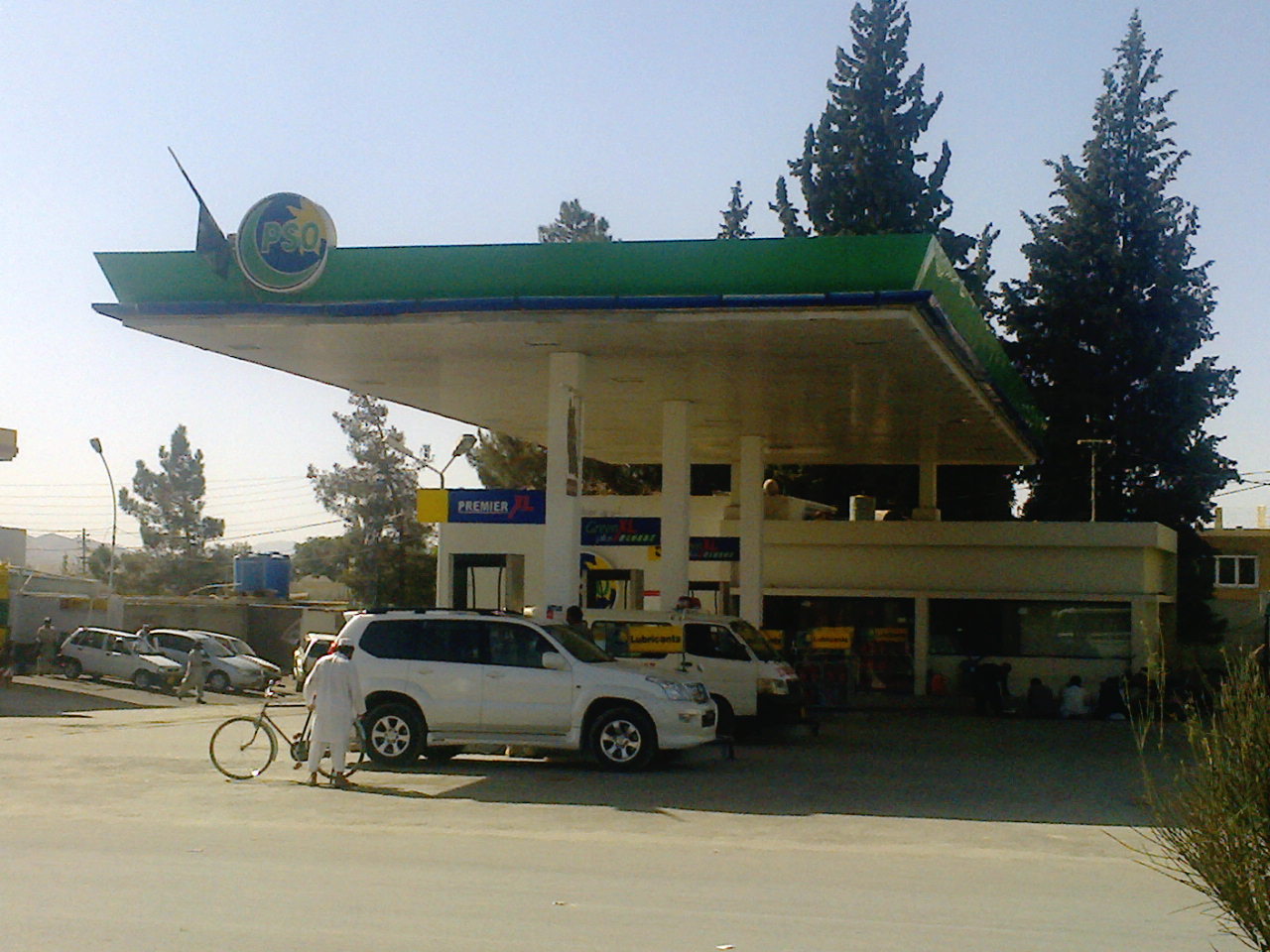
Petrol is being sold for Rs374.51 a litre and high-speed diesel for Rs395.20 from Tuesday, 3 November, after the Oil and Gas Regulatory Authority cut petrol by Rs3.40 a litre and diesel by Rs7.76. The regulator’s price-publication page lists publications effective 3 November, The Express Tribune reported the new rates on Monday night, and Geo News published the same notification alongside the previous prices of Rs377.91 for petrol and Rs402.96 for diesel.
The two cuts are unequal in proportion as well as in rupees. Petrol falls about 0.9 per cent and diesel about 1.9 per cent. For a 50-litre tank, petrol costs Rs170 less than under the previous notification and diesel Rs388 less. The published rates are ex-depot, before the freight margin that varies by district, so what a driver pays at the pump can differ from the notified figure.
Why prices fell
The notification lands the morning after crude slid more than 6 per cent. Brent fell to $106.60 a barrel and West Texas Intermediate to $97.49 on Monday as signals that Washington and Tehran were preparing to resume talks lifted hopes of ending the Middle East war, AFP reported through Geo News. Iran said it was ready to reopen the Strait of Hormuz within two days if the United States agreed to end the war on all fronts, and President Masoud Pezeshkian said Supreme Leader Mojtaba Khamenei had granted the government powers for the talks.
Pakistan has reviewed fuel prices daily since mid-July, when the government replaced weekly reviews with a system intended to pass import-cost changes through faster, The Express Tribune reported. Before the war that began on 28 February, prices had been revised fortnightly. Under the daily system, a single session in the international market can now show up at Pakistani pumps the next morning, in either direction.
The war remains the main risk to that arithmetic. Attacks on shipping in the Strait of Hormuz have continued even as Tehran signals willingness to talk, and analysts quoted by AFP said they expected energy prices to stay higher for longer. Arne Lohmann Rasmussen of Global Risk Management described the US signals as possibly tactical ahead of the American midterm elections and said attacks on shipping were continuing.
KhabarWire’s Pakistan Fuel & Energy file follows the price notifications and the supply disruptions behind them.
Who absorbs the difference
The cut is the visible end of an arrangement the federal cabinet approved on 30 October. Refineries must surrender the gap between the import price of petrol and a lower ex-refinery price into the petroleum levy account, under head C03901, and the benefit is to be passed to consumers through the retail price. For 30 days, the premium, incidentals and customs duty used in the ex-refinery calculation are fixed at their 7 March 2026 levels. The Petroleum Division has also required refineries to file daily sales reports with payment receipts for verification, The Express Tribune reported.
The government describes the arrangement as refiners absorbing about Rs15 billion a month, which allows petrol to be sold roughly Rs15 a litre below the international market price. Petroleum Minister Ali Pervaiz Malik said on Monday that the effect had already been passed through in Friday’s price determination and that the arrangement had averted a fresh increase. He also said the refineries’ profits over three months were larger than their annual profits last year, and that import premiums had risen by $10 to $20 a barrel, with insurance and logistics costs climbing.
Refinery executives put their contribution at about Rs49 a litre, more than three times the Rs14.71 cut in the levy, and warned that the formula would force below-cost sales and undermine the investment case for upgrading plants, as KhabarWire reported on 1 November. Those figures are the industry’s own; the government has not published a refinery-by-refinery calculation, and the two sides describe the same arrangement with different totals.
What it means for households
Diesel does more work in the economy than its share of passenger cars suggests. It moves freight, farm machinery and backup generators, so a Rs7.76 cut feeds into transport and production costs before it reaches a forecourt receipt. Petrol’s smaller cut limits the relief for private motorists, though the direction of travel matters after months in which fuel prices tracked the war.
The government’s targeted relief scheme runs alongside the notified prices. It offers Rs100 a litre off for motorcycles, rickshaws and cars up to 800cc, with a cap of 20 litres a month for two- and three-wheelers and 30 litres for small cars. Information Minister Attaullah Tarar said Rs27 billion had been disbursed under the scheme and 15 million beneficiaries had registered, The Express Tribune reported.
The fiscal room for relief is limited. The petroleum levy raised Rs4.4 trillion over four years and forms part of the fiscal targets agreed under the International Monetary Fund’s Extended Fund Facility, as KhabarWire reported. The 30 October price publication still carried the full Rs80 petroleum levy and Rs5 climate support levy on petrol, as KhabarWire set out that day, so the refinery contribution is doing the work that a levy cut would otherwise have done.
What is still uncertain
The first open question is whether the cut survives the next notification. Because prices are now set daily, Wednesday’s rates could reverse the move if crude rebounds, and the Hormuz risk has not disappeared. The refinery arrangement is written to run for 30 days; neither the Petroleum Division nor OGRA has published what happens when that period ends, or whether the contribution will be extended, reduced or folded into a wider levy review.
The second is the arithmetic itself. OGRA’s publication lists the notified retail prices and the levy, but not a product-by-product breakdown of crude cost, freight, duty, dealer margin and the refinery surrender. Without that, the split between the market-driven part of Tuesday’s cut and the policy-driven part cannot be measured from the public record.
The third is the incidence of the arrangement. The government says the public is getting the benefit; refiners say they are funding it from margins that were meant for upgrades. Both claims can be tested only against accounts that have not yet been published, which leaves the durability of the mechanism, and the size of the next price change, genuinely open.