Reporting snapshot · 25 September 2026. US and Iranian negotiators are exploring a phased arrangement that would see Tehran reopen the Strait of Hormuz in exchange for Washington lifting its economic blockade of Iran, Reuters reported on 24 September, citing officials and diplomats close to the talks. Iran has publicly offered to reopen the waterway within seven days of Washington accepting its conditions, while its top security official has given the United States four to five days to respond. No deal has been reached, neither government has confirmed the structure under discussion, and the account rests on anonymous sources; this is a dated snapshot, not a live tracker.

What happened
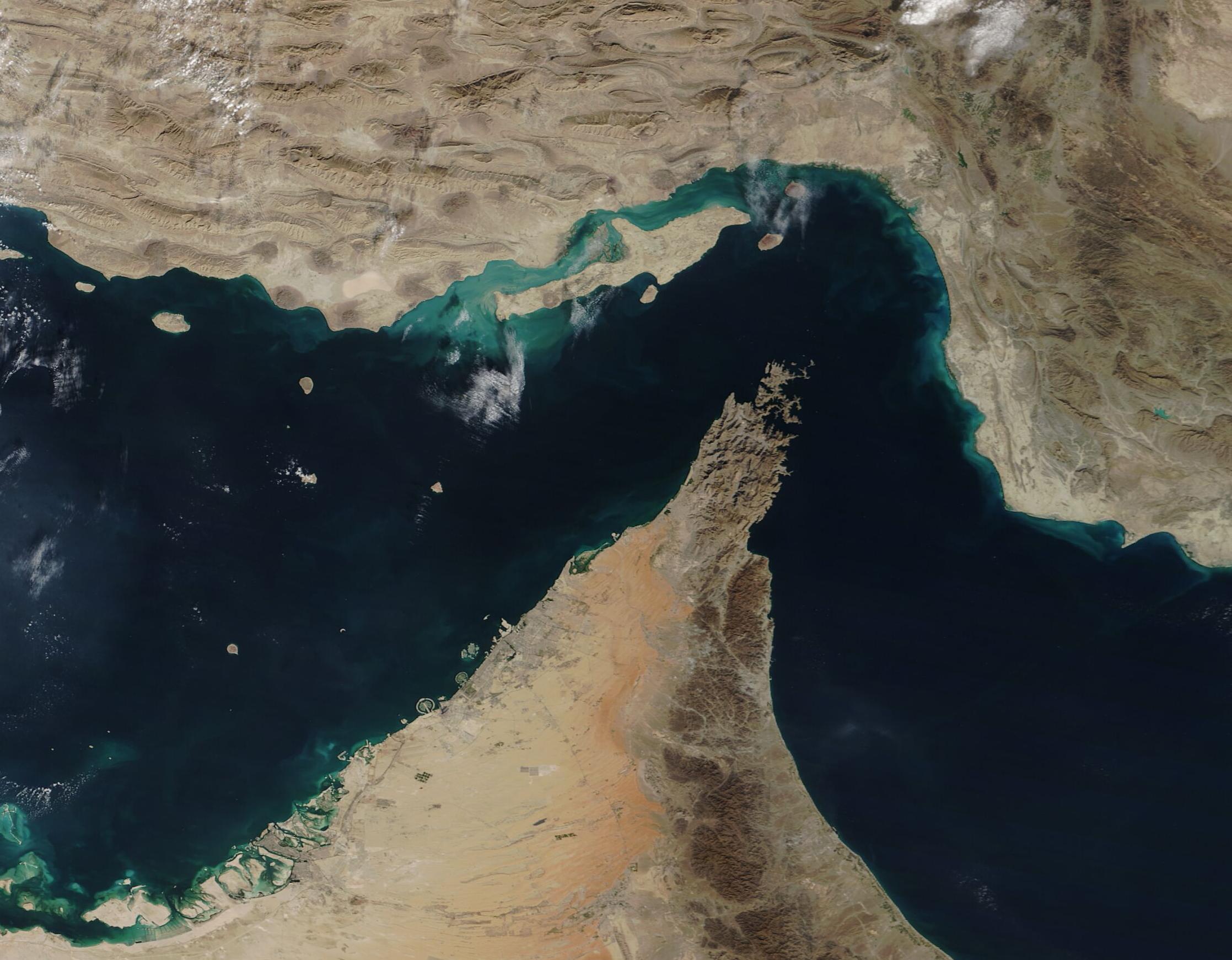
US and Iranian negotiators in New York are exploring a phased path out of war that would involve Tehran reopening the Strait of Hormuz and Washington lifting its economic blockade of Iran, sources close to the talks told Reuters on 24 September. The strait — which carried roughly a fifth of the world’s oil before the conflict — has become the central bargaining chip in the nearly seven-month US-Iran war, with Iran seeking relief from a blockade that is choking its economy and Washington seeking free passage on the oil route Tehran has kept closed.
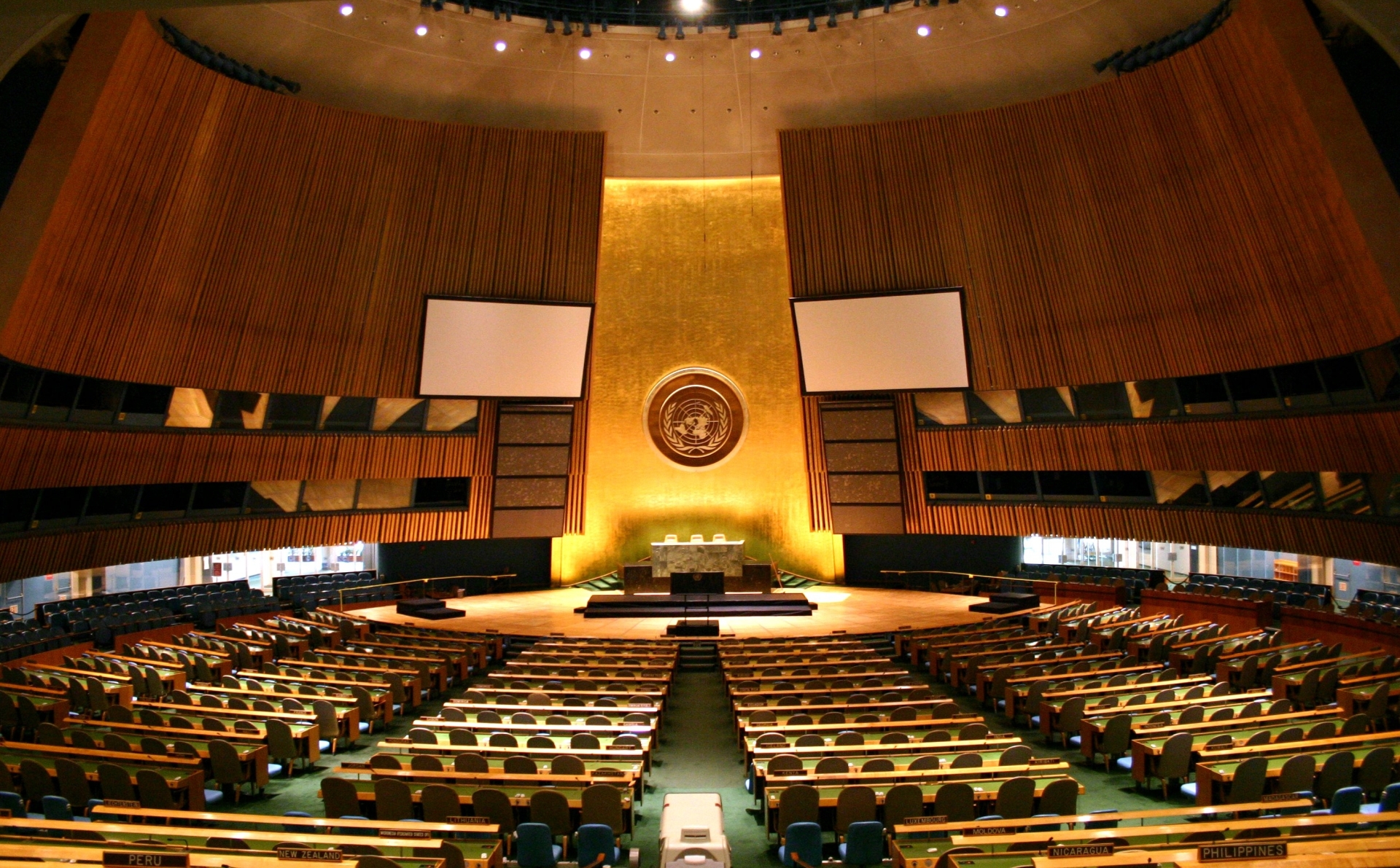
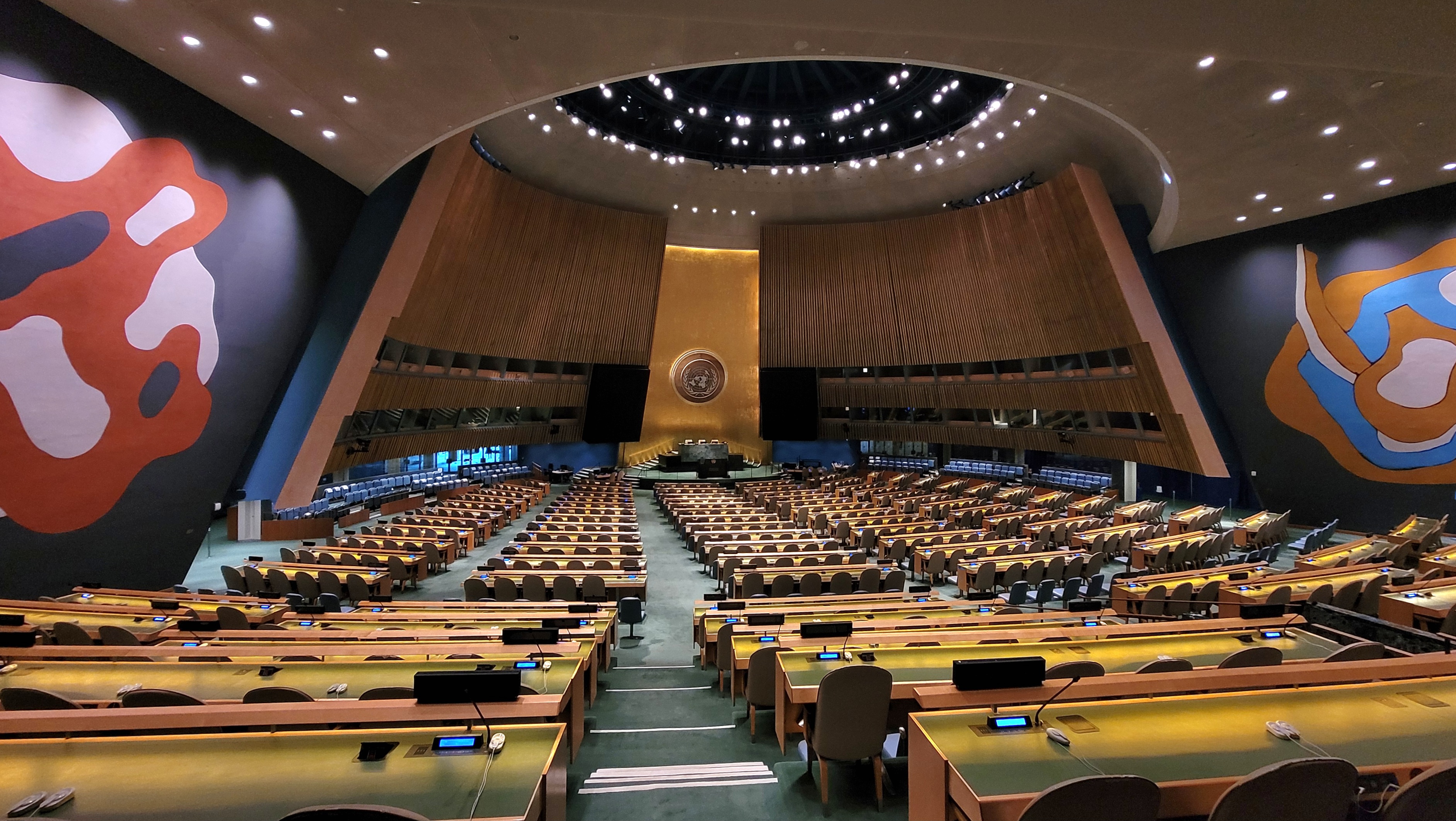
A senior Iranian official said the most plausible way to end the impasse would be a phased arrangement, with Iran allowing navigation through Hormuz in return for the United States lifting its economic blockade and Tehran potentially gaining access to frozen assets. “One way forward would be to solve the crisis in stages. The first would be to end the blockade and reopen Hormuz,” he said on the sidelines of the UN General Assembly.
The talks face a big obstacle: neither side wants to surrender its leverage first. Sources described a standoff in which Washington controls the economic pressure hurting Tehran most, while Tehran controls the energy chokepoint that Washington most wants reopened.
The shape of a possible deal
What is being discussed is more specific than earlier Iranian statements. Regional sources told Reuters that Tehran was willing to drop a demand for payment of transit fees from the main agreement and place it in a side attachment instead, because ending the blockade had become the more urgent priority. Gulf states have rejected the proposal, and any arrangement would be temporary. Iran’s focus, one source argued, is not primarily on imposing tolls but on preserving administrative control of the waterway: “Iran may be willing to defer the toll issue, but they are not going to give up administrative control of the strait.”
Iranian Foreign Minister Abbas Araghchi has put a number on the plan. Speaking to reporters in New York, Araghchi said Tehran had introduced a proposal through mediators under which the strait would open within seven days and talks would restart, if certain conditions were met — conditions he said were not new and were contained in the Islamabad memorandum of understanding signed by US President Donald Trump. The Guardian reported that Iran told Trump it was willing to open the strait in six days and start talks on its nuclear programme the day after, so long as the United States lifted sanctions on Iran’s oil exports, ended the war on all fronts including Lebanon, and released some frozen Iranian assets. Iran says a deal on a temporary route through the strait has been agreed with Oman and is ready to be registered with the International Maritime Organisation.
A deal before the US midterm elections on 3 November could benefit Trump, as reopening Hormuz could ease tensions in the Gulf, contain oil prices and help bring down politically sensitive US gasoline prices. Araghchi said Iran wanted the deal done before the midterms, and Pezeshkian told reporters in New York that Iran wanted Washington to return to the memorandum before that date. “We wish Americans to return to the MoU before the midterms,” Pezeshkian said, as Al Jazeera reported.
Iran’s deadline and Washington’s leverage
Alongside the diplomatic overture, Tehran has hardened the timeline. The Guardian reported that Mohsen Rezaei, secretary of Iran’s Supreme National Security Council, said in a television interview on Wednesday evening that Washington had four to five days to respond to Iran’s conditions, without specifying what Tehran would do if the deadline passed. Araghchi said he was staying in New York over the weekend to await an American response.
Washington is signalling little urgency. A White House official told Reuters that Iran was “desperate for a deal,” that Trump “holds all the cards,” and that the United States was in a “very strong position” with control of the strait and an Iranian economy that was “collapsing.” The official said “crushing sanctions” and “one of the most successful blockades in history” had crippled Iran’s economy. Former US negotiator Dennis Ross put the chance of an agreement before the vote at only 30 percent, while acknowledging that “the blockade is what’s really squeezing the Iranians.”
Why neither side will move first
The leverage that brought Washington and Tehran back to negotiations also makes compromise harder. Washington wants pressure to produce concessions; Tehran wants pressure removed before making them; and the Gulf states want the conflict resolved without allowing the region’s strategic waterways to become enduring bargaining chips. One Western official familiar with the talks put it bluntly: “It is all about opening the Strait of Hormuz. We’re all under pressure domestically and the Iranians know that.”
During a separate meeting with Trump in New York, Gulf leaders sought clarity on Washington’s endgame beyond the midterms, including whether the United States would resume military action if Iran refused to return to negotiations. They rejected any Iranian control of Hormuz, insisting that freedom of navigation be restored, while pressing for de-escalation.
A coalition of 80 countries separately called at the UN on Thursday for the full restoration of maritime navigation in the Gulf, with Bahrain’s foreign minister reading a joint statement urging the “full restoration of navigational rights and principles without delay,” as Dawn reported.
What it means for Pakistan
For Pakistan, the stakes are concrete. The strait’s closure has kept oil prices elevated — Brent crude traded around $107 a barrel on Thursday — feeding directly into fuel prices and the import bill. Islamabad has acted throughout the conflict as one of the principal mediators between Washington and Tehran, brokering the June memorandum that Iran now says it is willing to revive. A reopening that eases oil prices would relieve pressure on the rupee, the current account and domestic fuel costs, as KhabarWire reported when the blockade earlier hit the KSE-100.
What is still uncertain
The most important unknowns are whether the phased structure survives contact with both governments’ public positions, and whether the reported deadline is real. Washington has not confirmed the four-to-five-day timeline or the six-day opening offer; Trump has said he believes a deal could come after the midterms, and a senior European official said the Iranians “have a very long list of demands.” Analysts caution that the New York talks have not altered either side’s basic position, and that the blockade may push Iran toward escalation rather than compromise. This is a dated snapshot of a fast-moving negotiation.
Sources & reporting notes
This is a synthesis of published reporting, not eyewitness reporting. Sources were reviewed on 25 September 2026. The account of the phased deal, Iran's transit-fee concession and the White House position rests on Reuters, which attributed its report to two Iranian sources, two regional officials and two Western diplomatic sources; those sources are anonymous and their accounts have not been independently confirmed. The six-day offer and the four-to-five-day deadline rest on The Guardian's reporting from New York. Pezeshkian's comments and the 80-country statement were reported by Al Jazeera and Dawn respectively.
- Reuters — US and Iran discuss phased deal to reopen Hormuz and end US blockade, sources say24 September 2026 · Primary wire account of the phased-deal structure under discussion, the transit-fee concession, the leverage standoff, the White House position and Dennis Ross's assessment.
- The Guardian — Iran awaiting response from Trump on proposal to open strait of Hormuz in six days24 September 2026 · Independent reporting of Iran's six-day opening proposal, Araghchi's conditions, the Oman route deal, the four-to-five-day deadline and Ed Miliband's meeting with Araghchi.
- Al Jazeera — Iran war live: Tehran wants Washington to re-enter MoU before US midterms25 September 2026 · Independent report of Pezeshkian's statement that Iran wants the US to return to the memorandum before the midterms.
- Dawn — Washington, Tehran exploring phased way out of war25 September 2026 · Independent report of the phased-deal discussions and the 80-country coalition's call for full restoration of maritime navigation in the Gulf.
.jpg)