Reporting snapshot · 25 September 2026. A senior Iranian official told Reuters on Friday that Iran would show no flexibility over its nuclear programme even if the United States accepted its proposal to reopen the Strait of Hormuz, and that the waterway would remain closed until all of Iran's conditions were met. The account rests on a single anonymous official briefed to Reuters and has not been confirmed by any public Iranian statement; it hardens the nuclear red line within the phased-deal negotiation rather than announcing a new proposal. This is a dated snapshot of a fast-moving negotiation, not a live tracker.
What happened
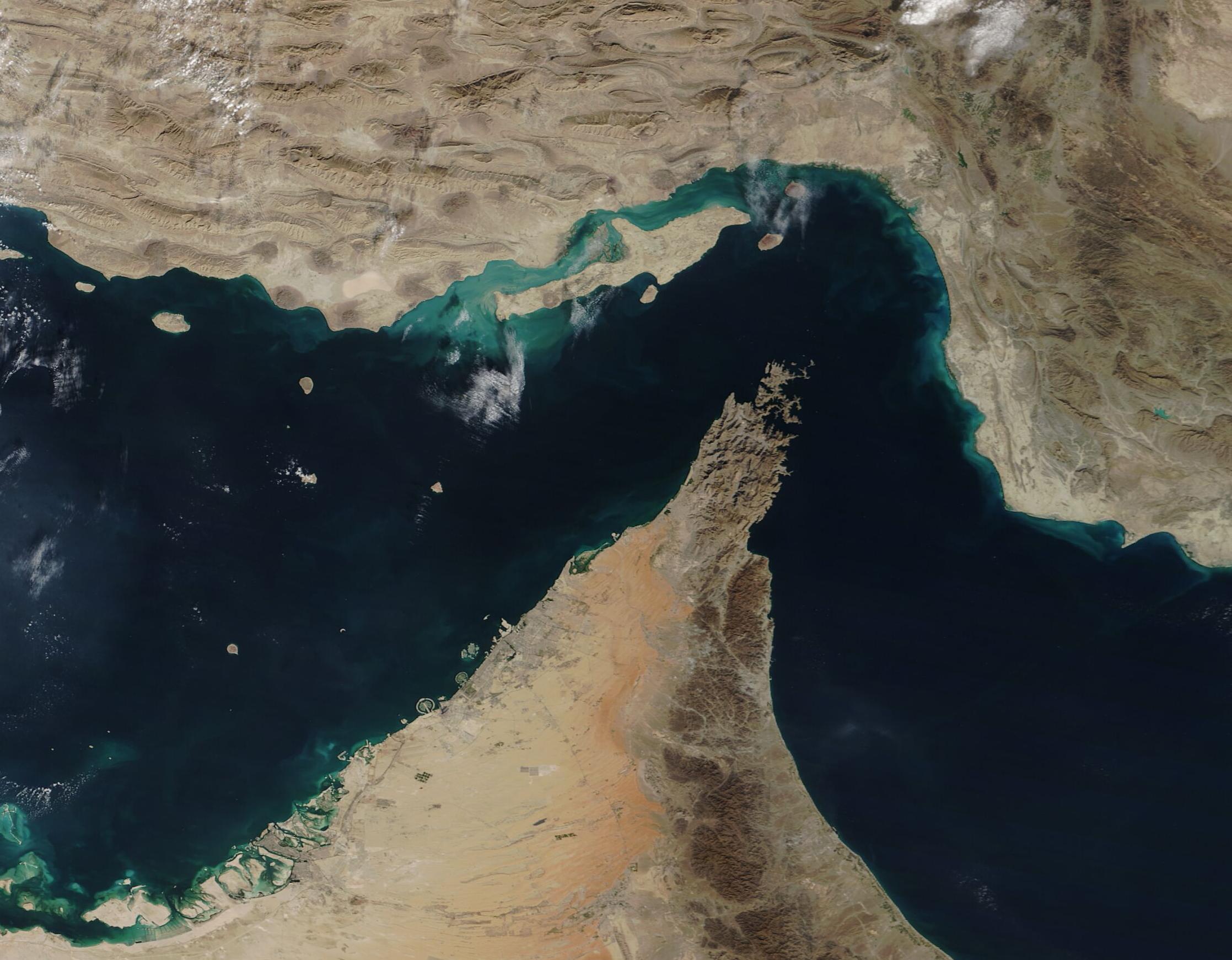
Iran will not compromise on its nuclear programme even if the United States accepts its proposal to reopen the Strait of Hormuz, a senior Iranian official told Reuters on Friday. Speaking on condition of anonymity, the official said the strait would remain closed until “all of Iran’s conditions are met” by Washington, and that Tehran would give no concessions over its rights, including enriching uranium or shipping its highly enriched uranium out of the country — one of the main American demands.
The statement adds a hard edge to the offer that Iran’s Foreign Minister, Abbas Araghchi, laid out in New York this week. Under that proposal, Tehran would reopen the strategically vital strait within seven days if the United States lifted its naval blockade on Iranian ports, released Iran’s frozen funds and waived sanctions on its oil exports, with hostilities ending on all fronts, including Lebanon. Only after those steps would negotiations on the nuclear file begin.
In the timing Tehran has described, the strait would reopen on the seventh day and talks on the future of Iran’s civil nuclear programme — including a protocol to let UN inspectors back in to examine damaged sites and the stockpile of highly enriched uranium — would start the following day, as The Guardian reported. The account from the senior official, however, says the nuclear programme itself is not negotiable as part of the arrangement, even if the United States accepts the reopening timetable.
A red line at the centre of the bargaining
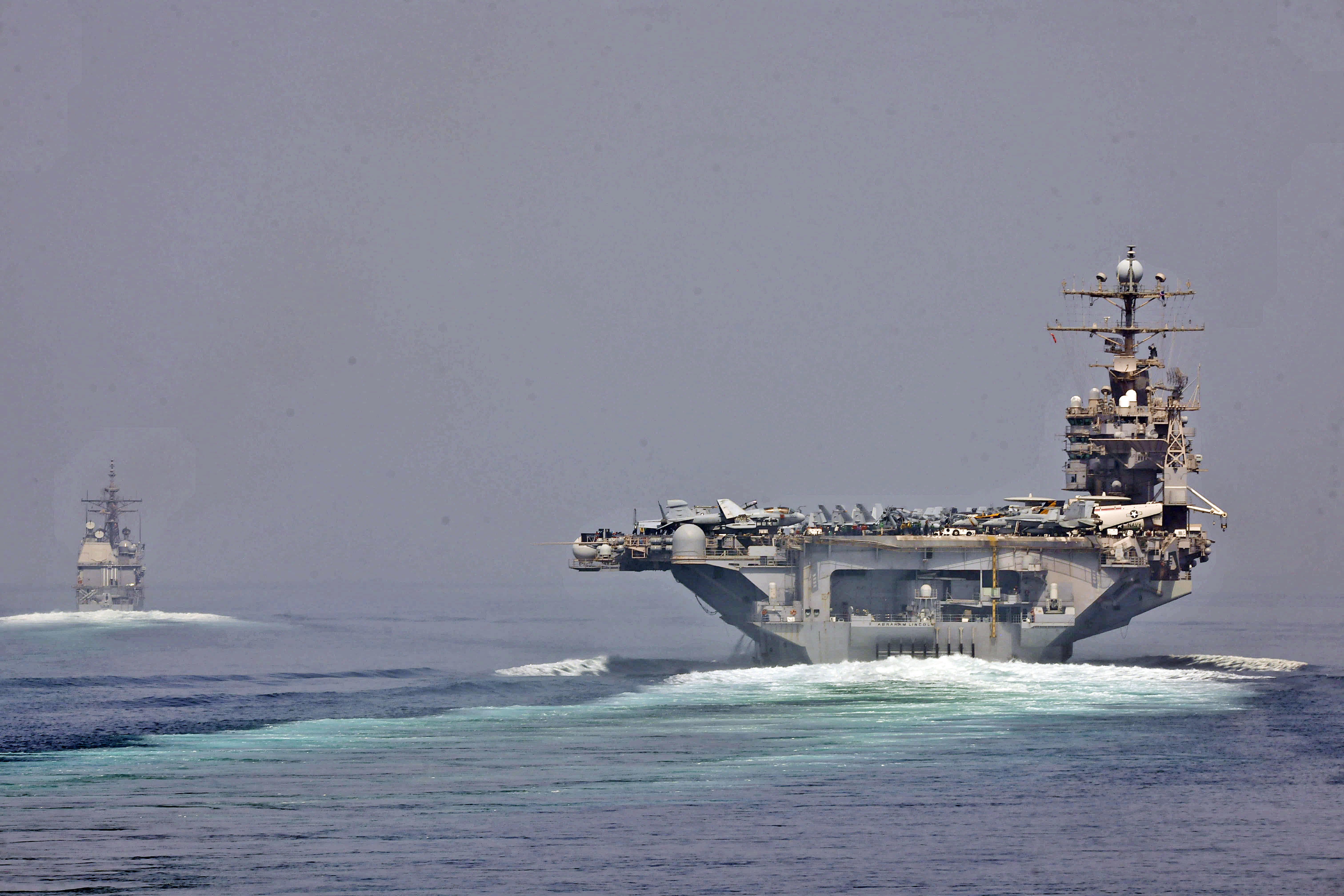
The nuclear file is the point on which the two governments most directly clash. The United States has said it wants Iran’s nuclear programme discussed as part of any package, not deferred until after the strait reopens. Washington has claimed to be “in total control” of the waterway and has argued it can wait for Tehran to make meaningful concessions, while its naval blockade and tightened sanctions are squeezing the Iranian economy.
Iran, by contrast, has repeatedly said it will not engage on the nuclear programme until the blockade is lifted and its other conditions are met. Al Jazeera’s explainer on the seven-day plan notes that Iran’s proposal resembles the June memorandum of understanding signed by US President Donald Trump — the Islamabad agreement — but condenses the timeline and changes the sequence: open the strait first, then talk about the nuclear file. The United States does not want the issues compartmentalised, analysts said, and wants them discussed as one package.
The new statement goes further than that public position by ruling out concessions even if Washington accepted the proposal outright. It underscores how central the nuclear question is to any settlement, and how far apart the two sides remain after nearly seven months of war that began with United States and Israeli strikes on Iran in late February.
Why this matters for Pakistan
The standoff has direct consequences for Pakistan, which has acted throughout the conflict as one of the principal mediators between Washington and Tehran, brokering the June memorandum that Iran now says it is willing to revive in accelerated form. The reported hardening of Iran’s nuclear position comes as the phased-deal structure is under discussion in New York, and it complicates the diplomatic path Islamabad has championed.
The strait’s closure has kept oil prices elevated — Brent crude traded around $107 a barrel on Thursday — feeding directly into Pakistan’s fuel costs, import bill and inflation. A reopening that eased oil prices would relieve pressure on the rupee, the current account and domestic fuel prices, as KhabarWire reported when the blockade earlier hit the KSE-100. Iran’s President, Masoud Pezeshkian, said in New York this week that he hoped a deal could be reached before the US midterm elections on 3 November, a timeline that would carry obvious economic benefits for energy importers like Pakistan if it held.
The Gulf dimension matters too. Saudi Arabia and the Gulf states have rejected any Iranian control of the strait and pressed for the full restoration of navigation. The Iran-Oman route that Tehran has proposed has drawn concern in Riyadh that it would be bilateral rather than a joint arrangement, and Gulf leaders have been seeking clarity on Washington’s endgame. For Pakistan, which also holds trilateral defence commitments with Saudi Arabia and Türkiye under the Mecca pact, the interaction between the mediation track and Gulf security politics remains a live tension.
What is still uncertain
The single most important unknown is whether the official’s statement represents a firm Iranian position or a negotiating posture. The account comes from an anonymous official speaking to Reuters and has not been confirmed by any public statement from Tehran, whose public remarks this week emphasised the reopening timetable rather than the nuclear red line. Iranian officials have previously suggested Iran could agree to dilute its most highly enriched uranium, and the head of the International Atomic Energy Agency has warned about the stockpile Iran held before the 2025 strikes on its nuclear sites — how much of it survived is unclear.
Analysts are sceptical that a firm deal is close. The June memorandum broke down within weeks over shipping rules in the strait, and both governments have since blamed each other for its collapse. Washington has not confirmed the seven-day timeline or the reported conditions, and Trump has said he believes a deal could come after the midterms rather than before. Iranian officials themselves have voiced doubt that the US side can deliver, given past promises followed by renewed strikes.
The trajectory of the talks will only become clearer as the General Assembly session continues and if either government confirms the terms under discussion. This is a dated snapshot: the reported red line, if confirmed by Tehran’s own spokesmen, would materially narrow the room for a phased arrangement; if it proves to be a bargaining stance, the negotiations could still produce a deal before the US elections.
Sources & reporting notes
This is a synthesis of published reporting, not eyewitness reporting. Sources were reviewed on 25 September 2026. The account of the senior Iranian official's statement rests on Reuters, which reported it from New York on 25 September; the official was anonymous and the statement has not been independently confirmed. The seven-day proposal and the nuclear-file deadlock are corroborated by Al Jazeera's explainer and by The Guardian's reporting of the same proposals and their political stakes.
- Reuters — Iran will make no nuclear concessions, Iranian official says25 September 2026 · Primary wire account of the anonymous senior official's statement that Iran will show no flexibility over its nuclear programme even if the US accepts its Hormuz proposal, and that the strait will remain closed until all conditions are met.
- Al Jazeera — What's in Iran's seven-day plan to reopen the Strait of Hormuz?25 September 2026 · Independent explainer of the seven-day proposal, Araghchi's stated conditions, the June memorandum background, and the US insistence that the nuclear programme be discussed as part of a single package.
- The Guardian — Trump faces tough choices as Iran dangles deal to reopen Hormuz before US midterms25 September 2026 · Independent reporting on the terms Trump would need to deliver, the accelerated timetable under which nuclear talks would follow reopening, and the scepticism of Iranian diplomats about whether the US can deliver.