Reporting snapshot · 15 November 2026 (Asia/Karachi). The legal steps in Ankara are on the record, in the gazette text and the parliamentary count. What the two agreements will do in practice is not, and neither the Qatar communiqué nor the Makkah pact's operational rules have been published in full.
Türkiye’s Official Gazette published the law approving the Makkah Joint Defence Agreement with Pakistan and Saudi Arabia on 14 November, taking the trilateral pact into force in Ankara on the day of publication. Law No. 7597, adopted on 5 November and signed by the President on 13 November, approves the agreement signed in Makkah on 7 August and states in Article 2 that it enters into force on the date of publication, the gazette text records.
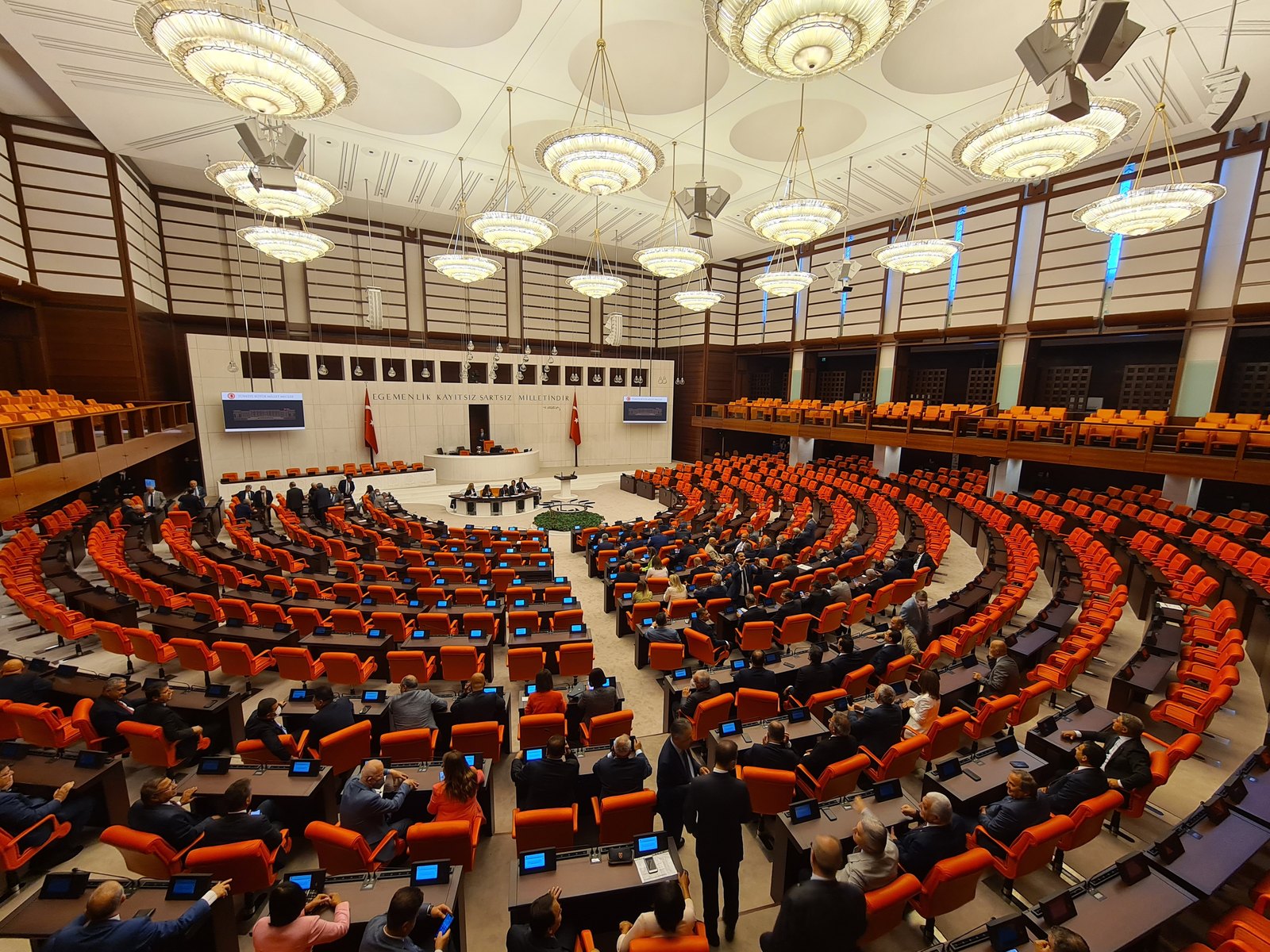
That closed the last step Ankara had left. Türkiye’s Grand National Assembly approved the bill by 279 votes to 119, with 398 of the chamber’s 592 members taking part, as Al Jazeera reported and KhabarWire reported on 6 November. The change came three days after Ankara signed a separate mutual defence agreement with Qatar in Istanbul, following a meeting between President Recep Tayyip Erdoğan and Emir Sheikh Tamim bin Hamad Al Thani, Al Jazeera reported.
So the pact Pakistan signed in Makkah in August is now legally in force in the country that supplies it with aircraft, warships and industrial capacity, and a second alliance has formed beside it in the Gulf. For Islamabad the first is a commitment that binds three governments; the second is a document Pakistan does not sign, but whose communiqué explicitly welcomed a memorandum that does include it.
What the gazette settled
The law is short and procedural. Article 1 approves the Makkah agreement signed on 7 August 2026; Article 2 brings it into force on the date of publication; Article 3 records the President’s execution, dated 13 November 2026. Anadolu reported the same sequence — a law published in the Official Gazette on Saturday, taking effect upon publication, after a parliamentary vote of 279 to 119 on 5 November with 398 of 592 lawmakers participating, The Express Tribune reported.
The substance is unchanged from the text Al Jazeera described. The agreement has 16 articles. Article 1 commits the parties to use “all necessary means” to eliminate threats to one another’s territorial integrity, and Article 2 treats an armed attack on one party by another country or group of countries as an attack on all, requiring immediate assistance — wording that mirrors the North Atlantic Treaty’s Article 5. The pact binds the three states for 10 years, after which a member may withdraw, and leaves the door open to new members with the approval of the existing ones.
Pakistan and Saudi Arabia have already completed their own ratification procedures, Foreign Office spokesperson Sajjad Haider Khan told a news conference on 24 October, adding that “matters related to the agreement, its ratification, and operationalization remain under discussion by the three parties”, including in the Strategic Political and Defence Committee whose recent session was held on 5 October, Anadolu reported. Islamabad described the agreement as defensive in nature and consistent with the UN Charter.
What Ankara and Doha signed separately
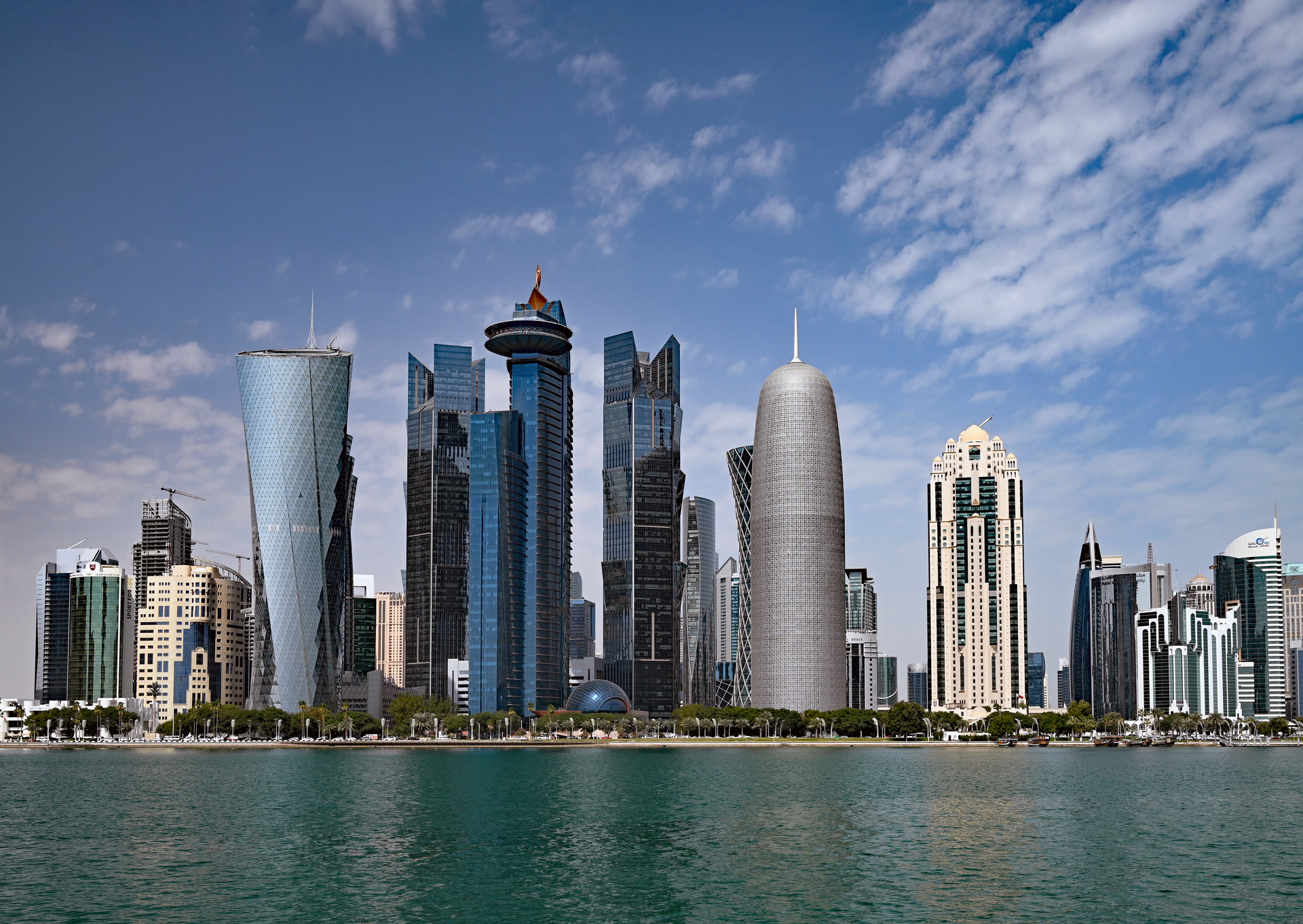
The Qatar accord, signed on 13 November after the twelfth meeting of the two countries’ Supreme Strategic Committee, commits Ankara and Doha to strengthen collective defence, promote regional security and establish a common position against external armed attacks on either or both of them. The communiqué also provides for consultation on security threats and defence policy, and for wider joint military exercises, defence-industry collaboration and personnel training exchanges, Al Jazeera reported.
What the communiqué did not set out is as important as what it did. It does not specify what could trigger the agreement or what form a joint response would take. Erdoğan said the two governments would work together to prevent a resurgence of war in the Gulf and establish a basis for dialogue and peace, The Express Tribune reported, while Al Thani called the treaty a strategic partnership and the talks covered Gaza, Syria and Libya. Al Thani had come to Istanbul from the COP31 climate summit in southern Türkiye.
Analysts quoted by Al Jazeera read the agreement as deterrence rather than an offensive alliance. Abdulla Banndar Al-Etaibi of Qatar University said the goal is not to form an alliance against any particular country but to raise the cost of any potential aggression. Mahjoob Zweiri called the move to joint manufacturing an advanced strategic stage, and said disruption to navigation in the Strait of Hormuz has made foreign military supply chains harder to rely on. Ozcan Tikit of Anadolu expects cooperation to expand to missile defence systems, drones and armoured vehicles, possibly extending to Saudi Arabia and Pakistan, while stressing that these remain possibilities rather than announced projects.
The economic and energy strand is substantial: 206 Turkish contracting projects in Qatar worth $20.8bn, a target of $5bn in bilateral trade, closer liquefied natural gas cooperation, a pledge to counter terrorism in all its forms, and a call for “the swift and full resumption of safe, secure and unimpeded passage through the Strait of Hormuz”. The communiqué also welcomed the Badr memorandum signed by Türkiye, Qatar, Pakistan and Indonesia, which KhabarWire reported at the time, as a step towards collective defence through indigenous capabilities and shared supply chains.
Where Pakistan stands
The Makkah pact’s collective-defence clause binds Pakistan; the Qatar communiqué’s does not, and Ankara’s separate treaty with Doha neither widens nor narrows Islamabad’s own obligations. What it does is put a second, overlapping security structure next door. The two governments that share Pakistan’s largest defence relationship with the Gulf now have their own, and its communiqué points at the defence-industrial cooperation Pakistan has been building with Ankara and Doha.
Pakistan’s military commitments under the first pact are unchanged and have been stated publicly. On 11 November, the director general of Inter-Services Public Relations said Islamabad was ready to take “all necessary defensive measures” to defend Saudi Arabia, describing the alliance as a trilateral arrangement with mechanisms for collective defence, joint readiness and coordination, KhabarWire reported. The third session of the alliance’s Strategic-Political and Defence Committee is expected in Islamabad in the last week of November, with no agenda published, and it falls inside the Makkah defence pact hub.
The questions the two agreements leave open
The legal change is real and narrow. It converts a signed framework into a treaty in force in all three signatories, giving Ankara and Riyadh legal cover to deepen intelligence sharing, training and defence-industrial cooperation with Pakistan, and it does so alongside a Gulf alliance Pakistan was not asked to join.
The operational questions that matter most are unanswered. The Qatar communiqué sets no trigger and no joint response. Under the Makkah pact, Turkish troops are not a foregone conclusion in Saudi Arabia: Al Jazeera reported that any deployment would require other legislative processes, and Defence Minister Yaşar Güler said the scope of support would be determined after ratification, with Turkish support aimed at strengthening deterrence rather than entering any conflict with the Houthis. The three governments say operationalisation remains under discussion.
For Pakistani readers, the distinction is the point. A pact in force is not the same as a pact with a command structure, and a neighbouring alliance is not the same as a wider one. Islamabad is now bound by a treaty that has entered into force, inside an alliance that has not yet been given its machinery, and it is not a party to the second agreement forming beside it.