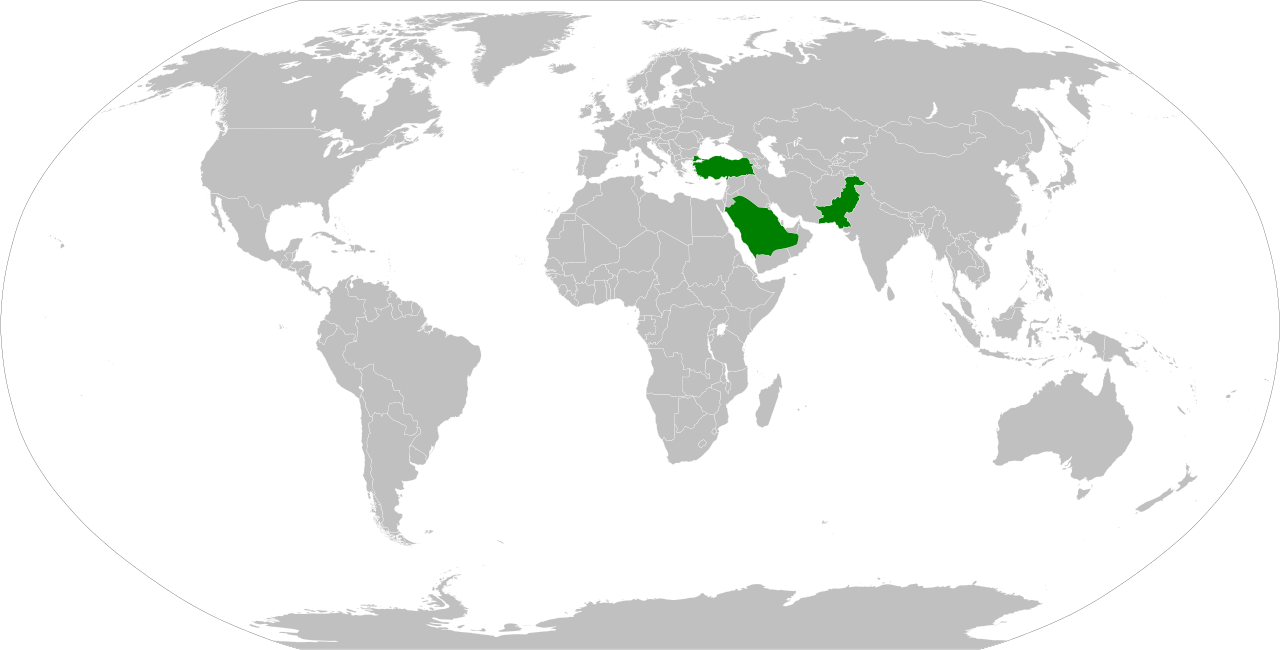
Reporting snapshot · 6 November 2026 (Asia/Karachi). The parliamentary tally is clear, but the timing of presidential ratification, the deposit of the instruments and the scope of any Turkish military support remain open. The vote does not by itself order troops into Saudi Arabia or Pakistan.
What happened
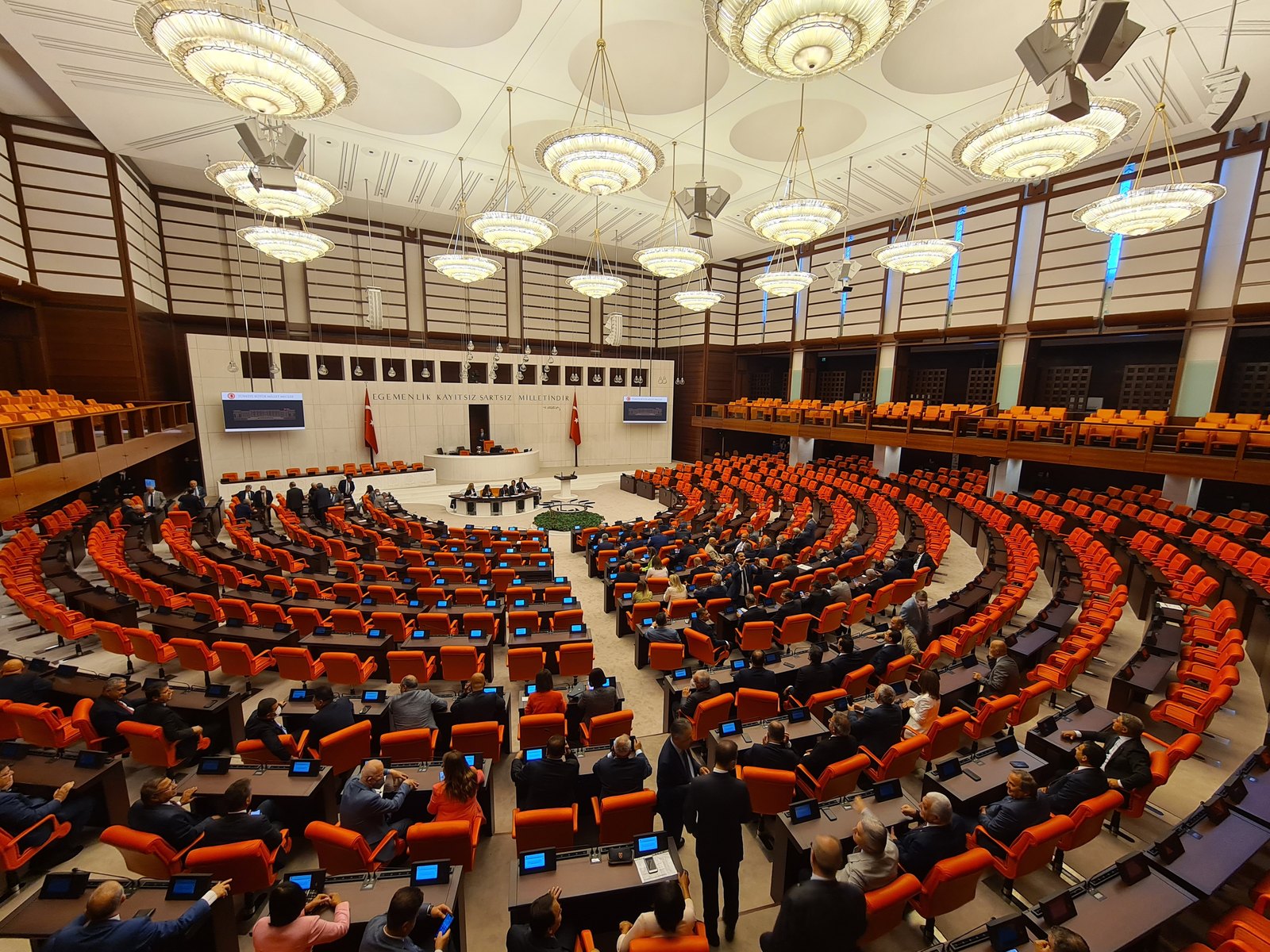
Türkiye’s Grand National Assembly approved the Makkah Joint Defence Agreement with Pakistan and Saudi Arabia by 279 votes to 119, Al Jazeera reported, after a session that began on Wednesday and resumed on Thursday afternoon. The vote completes the process that began when the government sent the bill to parliament on 20 October, which KhabarWire reported at the time. The bill’s formal title is the “Bill on the Approval of the Mecca Agreement on Joint Defense between the Republic of Türkiye, the Islamic Republic of Pakistan and the Kingdom of Saudi Arabia,” Anadolu Ajansı reported.
The chamber first adopted Article 1 of the approval bill in the early hours of Thursday, then adjourned until the afternoon before completing the remaining articles, according to Al Jazeera. TRT World said the final approval came early on Friday, a timing that reflects how the vote ran past midnight in Ankara. Al Jazeera put participation at 398 of the chamber’s 592 members; TRT World described the vote as 279-119 in the 600-seat parliament.
The vote follows Pakistan’s Foreign Office statement on 24 October that Pakistan and Saudi Arabia had completed their ratification procedures, while cautioning that operational matters were still under discussion among the three governments, Anadolu reported. The Turkish parliamentary approval still leaves presidential ratification and publication in the Official Gazette as the remaining formal steps in Ankara.
What the pact commits
The agreement has 16 articles. Article 1 says the parties will use “all necessary means” to eliminate threats to one another’s territorial integrity, sovereignty or internationally recognised borders. Article 2 says an armed attack on one party by another country or group of countries is an attack on all, requiring the parties to “immediately provide assistance” using the full range of mutual assistance measures available to them. The wording mirrors NATO’s Article 5, but Turkish officials describe the pact as a defensive framework, and any troop deployment would require separate approval, Al Jazeera reported.
The pact also covers defence-industry cooperation, intelligence sharing, joint training, logistics and counterterrorism. It binds the parties for 10 years, after which a member can withdraw with three months’ written notice, and new members need the approval of the existing members. The secretariat is based in Saudi Arabia, and retired Pakistani Lt Gen Nauman Mahmood has been appointed its first secretary-general for a three-year term, TRT World reported.
What it does not do
The vote does not order Turkish troops into Saudi Arabia or Pakistan. Al Jazeera reported that any Turkish deployment would require other legislative processes. Defence Minister Yaşar Güler said in October that the scope of support would be determined after ratification and that Türkiye did “absolutely not foresee entering into any conflict with the Houthis”; the aim was to “strengthen deterrence.” Fuat Oktay, who chairs parliament’s foreign affairs committee, said deployment would require future parliamentary approval, TRT World reported.
That distinction is central because the pact was approved while Saudi Arabia was again under attack. Al Jazeera reported that Riyadh said it intercepted a drone in the Medina region on Thursday, the latest in a series of Houthi attacks on Saudi cities and infrastructure. The agreement gives Ankara political and legal cover to expand intelligence, logistics and defence-industrial support; it does not by itself commit Turkish combat forces.
Why it matters for Pakistan
For Pakistan, the vote moves the alliance closer to full legal effect, after the August signing in Makkah. Pakistan’s Foreign Office has described the agreement as defensive and consistent with the UN Charter, and Anadolu reported that the agreement aims to strengthen the three countries’ security through collective deterrence and defence.
The practical effects for Islamabad are likely to be gradual. Turkish ratification could make it easier to formalise defence-industrial cooperation, intelligence exchange and logistics that the three countries have already discussed. It could also give Ankara more political room to supply defensive equipment or technical support to Saudi Arabia. It does not automatically expand Pakistan’s own obligations or answer the question of what Pakistan would contribute if the collective-defence clause were invoked.
The vote also lands in a crowded diplomatic moment. Pakistan is trying to keep its economy stable amid high energy-import costs, protect the remittances sent home by millions of workers in the Gulf, and preserve its channel between Washington and Tehran. The alliance’s earlier decision in Riyadh to move towards rapid deployment of agreed forces is background to the vote, not a consequence of it. The alliance’s activities are tracked on the Makkah Defence Pact hub.
What is still uncertain
The first unknown is the remaining legal sequence in Türkiye. The parliamentary approval must still go through presidential ratification and publication, and the pact’s entry into force depends on the parties depositing their instruments with the secretariat. Turkish officials have not published a timetable for those steps.
The second is the scope of Turkish support. Ankara has not said how many personnel, if any, it would send, where they would be based, who would command them, or what rules of engagement would apply. The pact leaves the nature and scale of support to the three governments, so the vote does not resolve the operational questions that have surrounded the alliance since August.
The third is Saudi Arabia’s status. Pakistan’s Foreign Office said in October that Saudi Arabia had completed its ratification procedures, but the Turkish reports of this week’s vote did not spell out whether Riyadh has deposited its instrument or published the necessary domestic approval. Until those steps are confirmed, the alliance’s entry into force remains a matter of official procedure rather than a single dated event.
What is clear is that, if the Pakistani account is correct, the three governments now have domestic approval in place for a 10-year defence arrangement with a collective-defence clause. Whether that arrangement becomes an operational alliance or remains a framework for intelligence, training and defence trade will depend on decisions that the vote did not make.