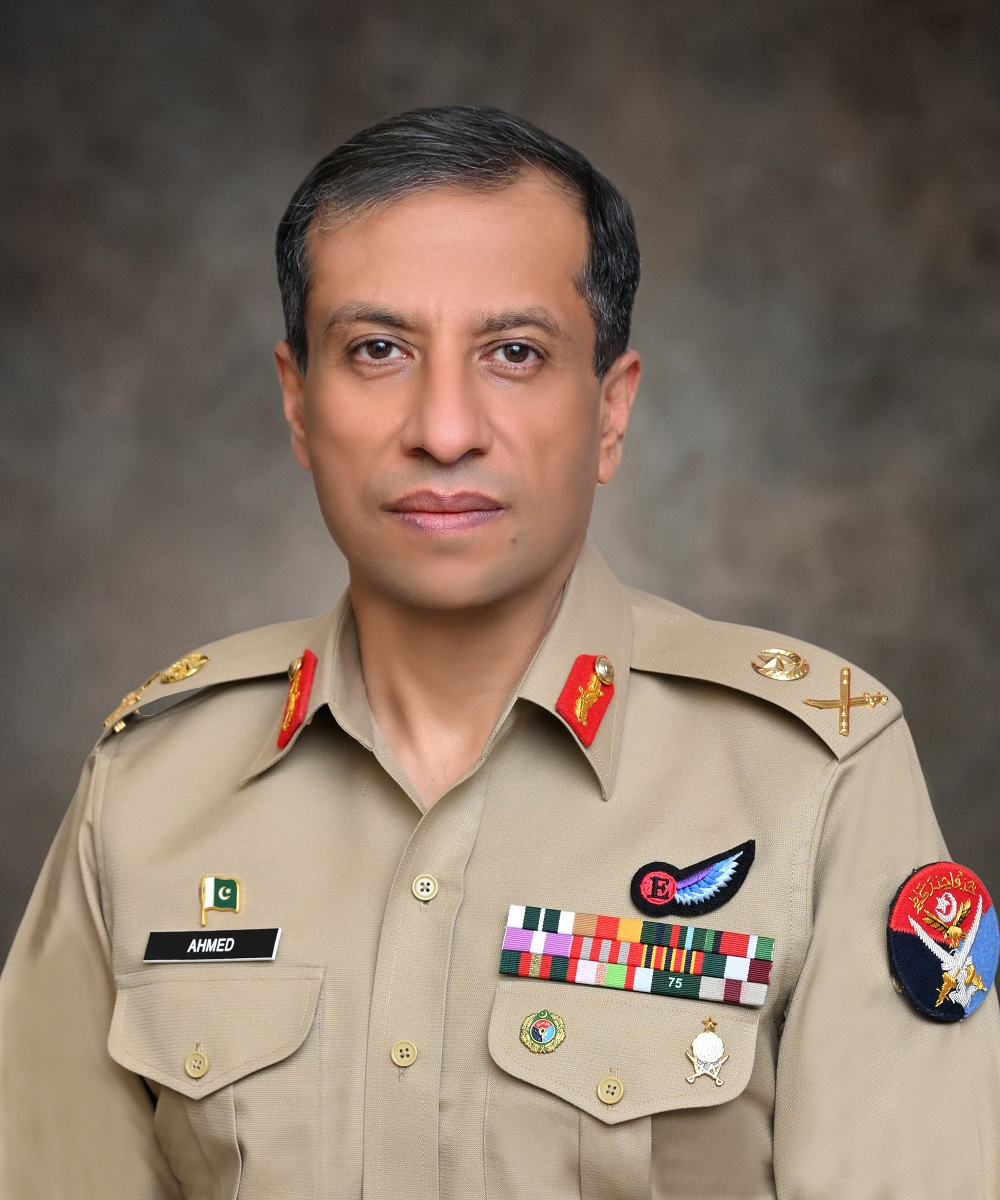
Reporting snapshot · 12 November 2026 (Asia/Karachi). Lieutenant General Ahmed Sharif Chaudhry spoke to a Saudi newspaper on Wednesday, 11 November, and the interview has not been released in full by Inter-Services Public Relations. No troop numbers, deployment locations or timelines were given, and the alliance committee's next session has not been confirmed.
Pakistan’s military chief said on Wednesday, 11 November, that Islamabad is ready to take “all necessary defensive measures” to defend Saudi Arabia, and in doing so set out what the military’s obligations under the Makkah defence alliance actually involve as the agreement moves into what the military describes as its practical implementation phase. Lieutenant General Ahmed Sharif Chaudhry, director general of Inter-Services Public Relations, said in an interview with a Saudi newspaper that Pakistan’s commitment to the kingdom’s “security, sovereignty and territorial integrity” is “absolute and non-negotiable”, The Express Tribune reported.
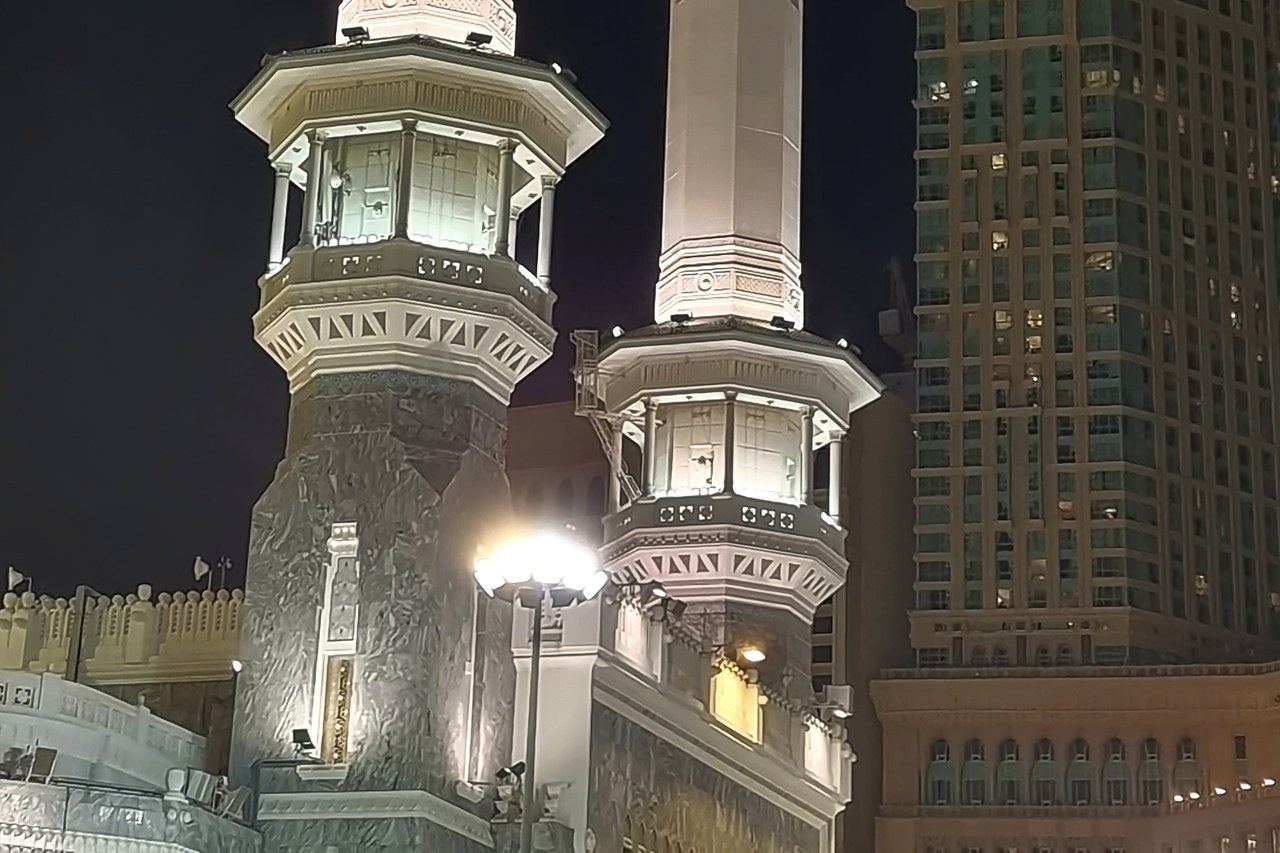
The remarks landed hours after Saudi air defences intercepted nine missiles and drones fired by Yemen’s Houthi movement towards several parts of the kingdom. Major General Turki Al-Malki, spokesperson for the Saudi-led coalition, said the destroyed threats included two ballistic missiles, three cruise missiles and four drones aimed at the Riyadh, Makkah, southern and eastern regions, with debris from two ballistic missiles falling on the village of Sabuhah in the Makkah Region, Saudi Gazette reported.
In the early hours of Thursday the coalition had put the count for Wednesday at seven — three cruise missiles towards Riyadh, two drones at Makkah and the south, and two missiles towards the western regions — while the Houthis’ military spokesperson Yahya Saree denied any aim on Makkah, saying the group’s operations were directed at oil facilities and military bases, Geo News reported. Saree claimed a drone attack on a pumping station at Yanbu, on the Red Sea coast, which Saudi authorities have not confirmed. Saudi civil defence said the falling debris in the Makkah Region was “a flagrant violation of international humanitarian law”, Geo News also reported.
What the military actually committed to
Chaudhry said the transition to the implementation phase would require measures to ensure “the rapid deployment of agreed forces and military capabilities inside Saudi Arabia”. Those measures, he said, are raising readiness levels, strengthening military integration, sharing intelligence and coordinating exclusively defensive operations, The Express Tribune reported.
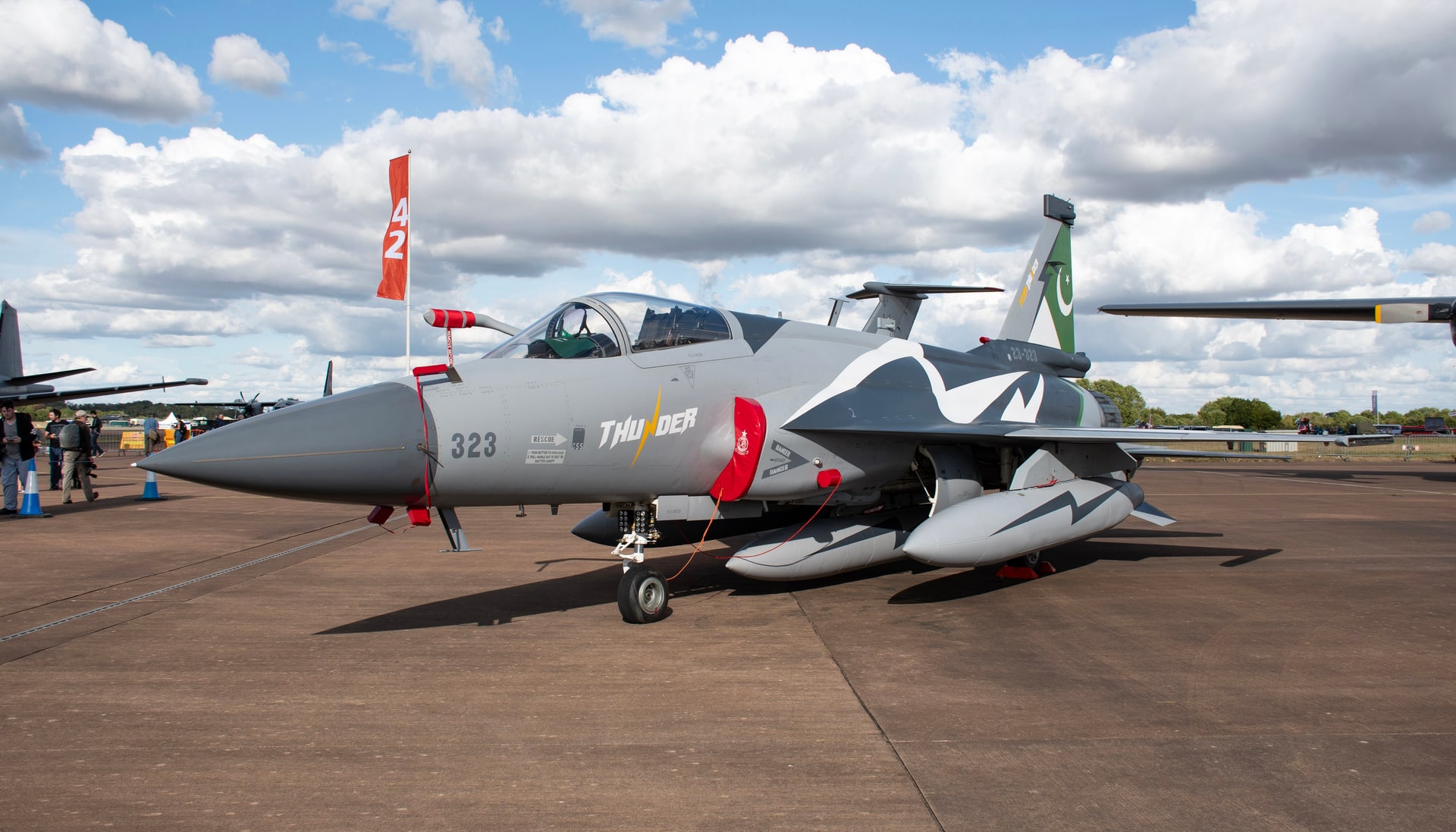
Asked directly whether Pakistan would reinforce its presence or provide additional capabilities, including air and missile defence systems and intelligence-sharing support, Chaudhry said the necessary assistance would continue to be provided. He did not disclose troop numbers, deployment locations or operational arrangements, saying military alliances did not make those public. Pakistani troops are already stationed in the kingdom, he said, performing duties that are primarily defensive support and taking part in exercises and military manoeuvres, and Islamabad would continue to supply military personnel, capabilities, training and logistical assistance for defensive purposes.
Two agreements, one line of defence
Chaudhry separated the bilateral Joint Strategic Defence Agreement, signed with Riyadh in September 2025, from the trilateral Makkah Joint Defence Agreement signed with Saudi Arabia and Türkiye in the Saudi holy city on 7 August. The bilateral pact, he said, provides a framework for defence cooperation, a structure for mutual support in the event of aggression and a way to protect sovereignty and vital interests. The Makkah agreement, he added, is a trilateral arrangement with mechanisms for collective defence, joint readiness and coordination. Both are “purely defensive in nature” and carry no offensive intention towards any country, and the three states intend to strengthen collective deterrence and deepen military integration.
The distinction matters because the two agreements cover different ground and Pakistan carries commitments under each. Pakistan had deployed about 8,000 troops, fighter jets, drones and an air-defence system to Saudi Arabia, Reuters reported, as The Express Tribune noted. The alliance’s own 5 October decision in Riyadh committed the three governments to move immediately to practical implementation while leaving every number, location and timeline unpublished.
The line to Tehran
On the diplomatic track, Chaudhry said a meeting between representatives of the Makkah alliance and Iran in Tehran on 26 October was aimed at establishing a framework for de-escalation and strengthening regional cooperation. The participation of the Chief of Defence Forces and Chief of Army Staff, Field Marshal Asim Munir, after his own visit to Tehran days earlier, reflected Pakistan’s commitment to dialogue, he said, and participants agreed to “continue dialogue to enhance cooperation among the four countries” without disclosing further details of any agreement.
He called for restraint, de-escalation and diplomatic engagement, warning that further escalation would serve no party’s interests, and said the security of Saudi Arabia and the two holy mosques was “a top, non-negotiable priority”. Pakistan’s own Foreign Office had already drawn a line on 9 October, saying allied forces would defend Saudi territory but would not cross into Yemen, as KhabarWire reported.
Three questions the Islamabad meeting has to settle
Three things go unanswered in the interview. Pakistan has not said whether any additional Pakistani forces are being committed: the pledge covers continued assistance, including air and missile defence and intelligence support, but no new deployment, base or unit was announced. The alliance committee has not said whether the collective-defence clause has been formally invoked rather than implemented in phases. And the rules that would decide an actual engagement — who commands what, on what terms, and with what rules of engagement — remain unpublished.
The third session of the alliance’s Strategic-Political and Defence Committee is expected in Islamabad in the last week of November, KhabarWire reported, although no date, venue or agenda has been published, and officials expect the foreign and defence ministers and military chiefs of the three members to attend. That session is where those questions would have to be settled, if they are settled at all.
For Pakistan the arithmetic is unforgiving. A stronger commitment to Riyadh deepens an alliance that pulls Islamabad towards a conflict it is simultaneously trying to mediate between Washington and Tehran, and the military spokesperson’s own framing — defensive operations only, readiness and integration, intelligence sharing — is doing as much work to keep that door open as to close it.