Reporting snapshot · 21 October 2026 (Asia/Karachi). The Turkish Defence Ministry announced the signing, but the full text, project list, financing and ratification requirements have not been published. Details may change as the four governments issue further statements.
What happened
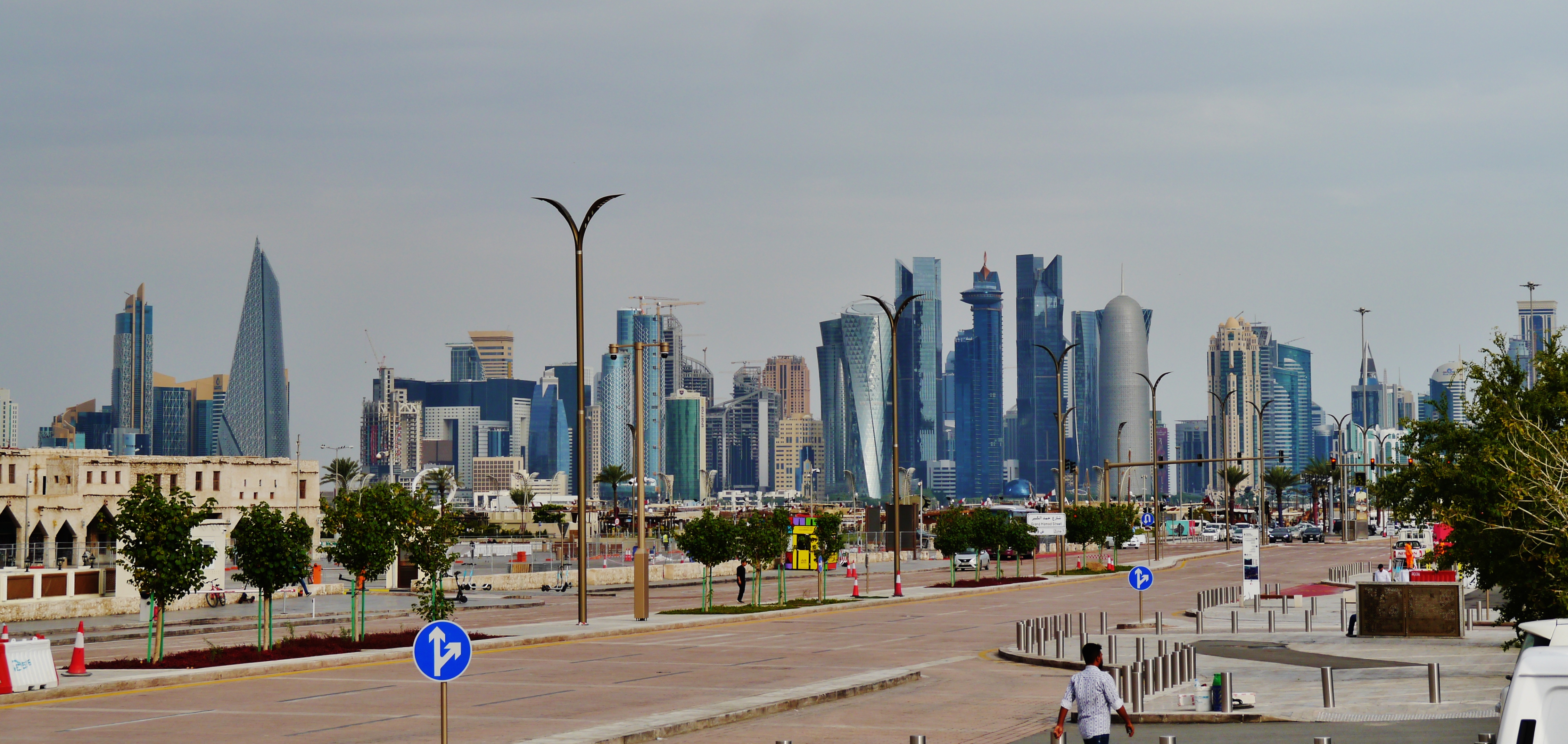
Pakistan, Qatar, Türkiye and Indonesia signed a defence-cooperation memorandum in Doha on Wednesday, 21 October, establishing a framework for joint military production, training and research without announcing a mutual-defence commitment.
Pakistan’s defence minister, Khawaja Muhammad Asif, signed for Islamabad, alongside Turkish defence minister Yaşar Güler, Qatar’s deputy prime minister and minister of state for defence affairs, Sheikh Saud bin Abdulrahman bin Hasan Al Sani, and Indonesia’s deputy defence minister, Yusuf Jauhari. The Turkish Defence Ministry announced the signing and published photographs of the ceremony. Reuters reported from Ankara that the document was titled the “Badr Memorandum of Understanding”.
The ministry said the agreement covers military production, technical military training, research and development, and the integration of the four countries’ defence industries. It described the accord as holding “substantial economic importance” and said it would help the participants meet the needs of “allied and friendly nations”, language that points towards export cooperation rather than a joint military command.
Dawn reported that Pakistan’s Foreign Office had not commented on the signing. No joint statement from the four governments had been published by Wednesday evening.
A defence-industry framework, not a mutual-defence pact
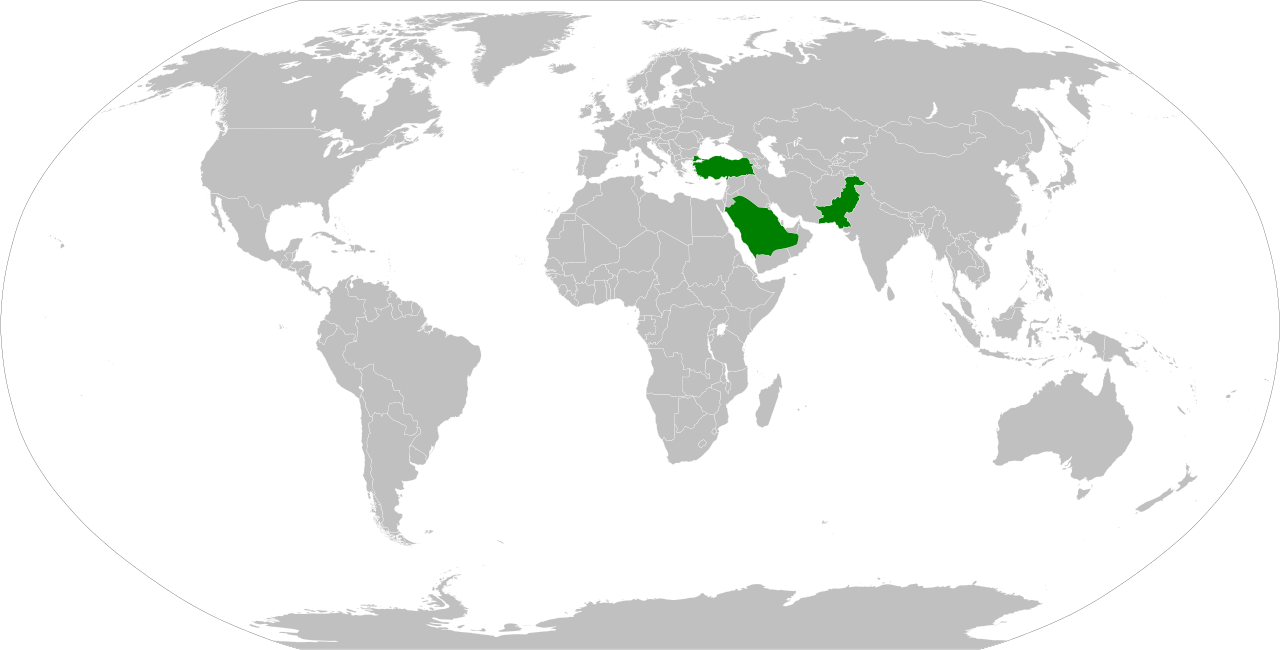
The Badr document is separate from the Makkah Joint Defence Agreement, the mutual-defence pact that Pakistan, Saudi Arabia and Türkiye signed on 7 August. Under the Makkah agreement, an armed attack on one signatory is treated as an attack on all three, and Türkiye moved the text into its parliamentary ratification process on 20 October, as KhabarWire reported that day. The Makkah alliance has also decided to move towards rapid deployment of agreed forces in Saudi Arabia, a decision covered in KhabarWire’s 6 October report.
The published descriptions of the Badr memorandum contain no equivalent collective-defence clause. It was signed by defence ministers and a deputy minister, not heads of state, and no government described it as a treaty requiring parliamentary approval. Its stated subject is industrial and technical cooperation: building capacity, sharing production methods and training personnel. That makes it closer to a defence-industry partnership than to an alliance commitment.
The distinction matters for Pakistan. The Makkah pact carries a political promise of mutual assistance in a war; the Badr memorandum carries a promise to explore projects. The first can draw a country into a conflict. The second can create contracts, technology transfer and jobs, but only if the vague framework is followed by specific agreements.
Why the four countries are looking at joint production
Türkiye has spent two decades building a defence industry that now sells drones, armoured vehicles, missiles and training aircraft abroad. It has NATO’s second-largest army and has been helping Gulf states, including Qatar, strengthen their defences during the Iran war. Qatar hosts a Turkish military base and has also acted as a mediator in the US-Iran talks, giving Doha both a security and a diplomatic stake in closer defence ties.
Indonesia brings a different asset: a large domestic market and an armed forces that is modernising its equipment. Jakarta agreed in 2025 to buy 48 Turkish KAAN fighter jets, Reuters reported, and its defence ministry has been looking for co-production and technology transfer rather than simple purchases. Indonesia’s deputy defence minister signed the Badr document, a signal that Jakarta’s interest is industrial as much as operational.
Pakistan’s ties with all three countries are long-standing. It has a defence relationship with Türkiye that predates the Makkah pact, and its military has discussed training and defence-industrial cooperation with Indonesia. KhabarWire reported in January that Indonesia’s defence minister visited Pakistan’s military headquarters and air headquarters to discuss training, aviation and defence-industrial cooperation. The Badr framework could give those bilateral conversations a four-country structure.
For Qatar, the accord fits a strategy of diversifying security partnerships while keeping the United States and Türkiye engaged. For Türkiye, it extends an export model that has already made its defence industry a foreign-policy instrument. For Indonesia, it offers access to Turkish production know-how without formally joining a Middle Eastern alliance. For Pakistan, it offers the prospect of industrial work and technology at a time when its economy leaves little room for large new weapons purchases.
Existing bilateral projects show what the four governments could try to scale. Türkiye and Pakistan built Babur-class corvettes under the PN MILGEM programme, with two vessels assembled at Karachi Shipyard, and Türkiye and Indonesia developed the KAPLAN MT tank, whose production continues at Indonesia’s PT Pindad under a technology-transfer arrangement, The Express Tribune reported. Qatar has bought Turkish Bayraktar TB2 drones and hosts a joint venture that assembles Turkish remote-controlled weapon systems. The Badr memorandum did not announce a new project of that kind, but it gives the four countries a political umbrella for pursuing more.
What Pakistan has signed up for
The memorandum’s practical value for Pakistan will depend on projects that have not yet been named. The Turkish ministry’s statement does not mention a value, a timeline, a list of weapons or a division of work among the four countries. It also does not say whether the agreement creates a secretariat, a joint fund or a procurement mechanism.
That silence is normal for a memorandum of understanding. Such documents usually record an intention to cooperate and set out areas for talks; they rarely bind governments to buy or sell anything. But the absence of detail means the agreement cannot yet be treated as a defence-industrial programme. It is a political signal that the four governments want closer ties, not evidence that a factory, a production line or a technology-transfer deal has been approved.
Pakistan’s defence industry has the capacity to benefit from such a framework if it is followed by concrete arrangements. The country produces small arms, ammunition, armoured vehicles and aircraft parts, and has sought foreign partners for upgrades and exports. Türkiye and Pakistan have already made defence-industrial cooperation, including joint production and research, part of the Makkah alliance’s agenda. A four-country format could widen those opportunities, but it could also expose Pakistan’s smaller industrial base to competition from better-capitalised Turkish and Indonesian firms.
The fiscal constraint is real. Pakistan is in the middle of an IMF programme that has forced it to limit subsidies and tighten spending, and the government has not said whether it would fund new defence-production lines. The agreement may therefore be more useful as a route to foreign investment and export orders than as a commitment of Pakistani public money.
There is also a diplomatic dimension. Pakistan is simultaneously bound to Saudi Arabia and Türkiye through the Makkah pact, mediating between Washington and Tehran, and trying to keep its border with Iran open. A defence-industrial club with Qatar and Indonesia gives Islamabad another set of relationships that does not carry the same automatic military obligations as the Makkah alliance. That flexibility is valuable while the regional war remains unresolved.
What is still uncertain
The most important unknown is the text. Without it, the four governments’ legal commitments, the conditions attached to technology transfer and the rules on exporting jointly produced equipment cannot be assessed. It is also unclear whether the memorandum is intended to be binding, whether it will be submitted to any parliament, and whether it can be expanded to other countries.
The project pipeline is equally opaque. No country has identified a weapon system, a factory or a research programme that will be pursued under the Badr label. The Turkish ministry’s reference to “allied and friendly nations” suggests an export orientation, but it does not say which markets are envisaged or whether Pakistan would be a producer, a customer or both.
The relationship with the Makkah pact also needs clarification. The two documents were signed by overlapping governments within 11 weeks of each other, and Türkiye’s defence ministry has presented both as part of a broader effort to deepen partnerships. Whether the Badr framework is meant to support the Makkah alliance’s industrial base, or to stand apart from it, has not been stated.
Finally, Pakistan’s own position remains unclear. The Foreign Office did not issue a readout, and the defence minister’s signing has not been explained in a cabinet statement or a parliamentary briefing. Until those details emerge, the Badr memorandum is best read as a framework agreement with economic potential and unresolved obligations, not as a new mutual-defence front.