Reporting snapshot · 26 September 2026. The chiefs of defence forces and chiefs of general staff of Pakistan, Saudi Arabia and Türkiye held the first military-level meeting under the Makkah Joint Defence Agreement in Riyadh on Friday, 25 September, amid a sharp escalation in Houthi missile and drone attacks on the kingdom. The three commanders condemned attacks targeting the holy city of Makkah and reaffirmed their collective-defence commitment, but no specific deployments or operational decisions were announced. This account is a synthesis of statements issued by Pakistan's military and the Saudi and Turkish defence ministries as reported on 26 September.

What happened
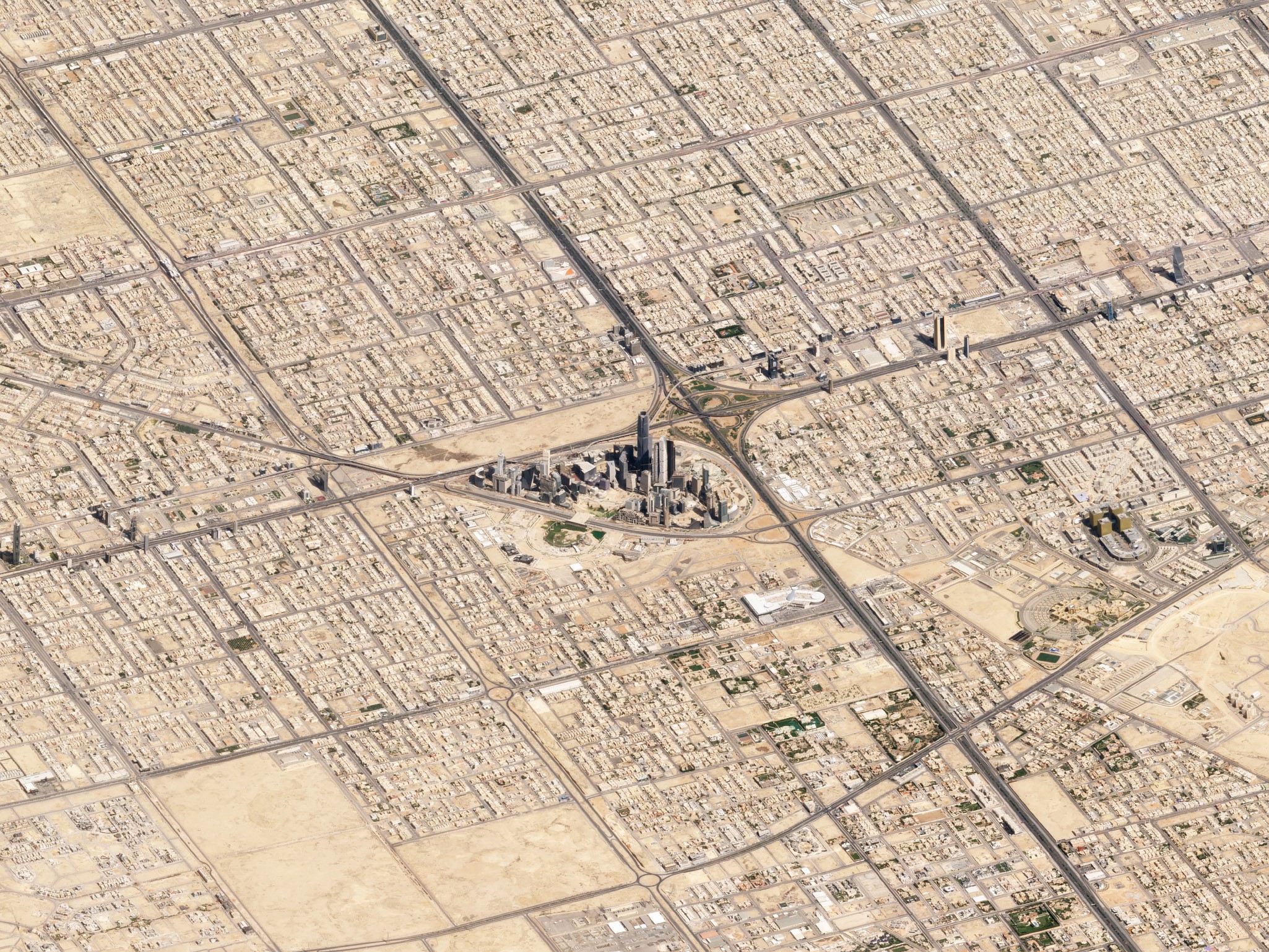
Pakistan, Saudi Arabia and Türkiye held an urgent meeting of their top military commanders in Riyadh on Friday under the Makkah Joint Defence Agreement, the first exclusive high-level military coordination between the three countries since the trilateral pact was signed last month. Chief of Defence Forces and Chief of Army Staff Field Marshal Syed Asim Munir, Turkish Chief of General Staff Gen Selcuk Bayraktaroglu and Saudi Chief of General Staff Gen Fayyadh bin Hamed Al-Ruwaili attended the meeting, according to a statement by Pakistan’s military media wing, the Inter-Services Public Relations (ISPR).
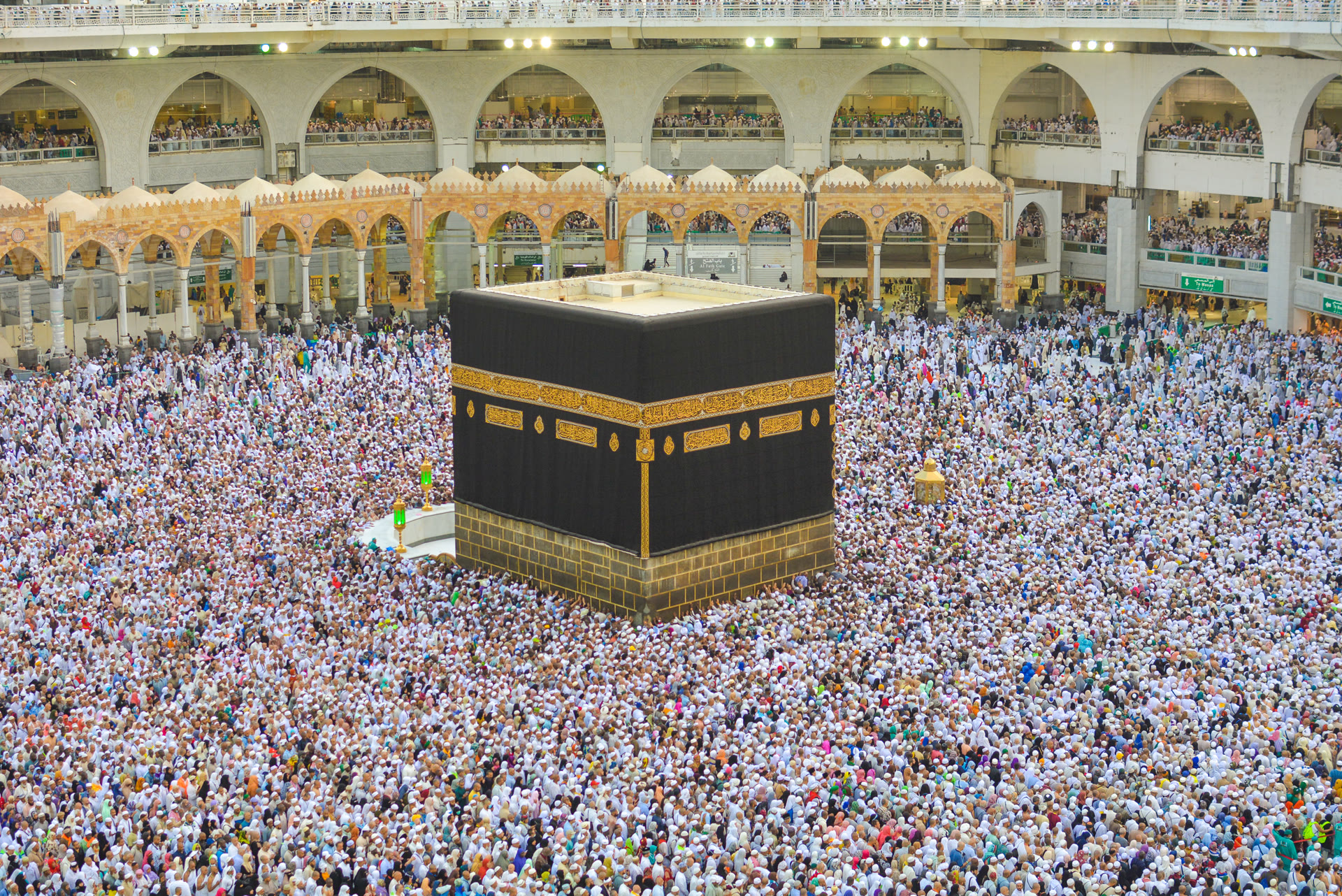
The chiefs of defence forces and chiefs of general staff reviewed the security situation and the threats facing the kingdom. They strongly resented attacks targeting the holy city of Makkah and civilian and economic infrastructure, the ISPR said, and appreciated the vigilance and professionalism of the Saudi armed forces in ensuring the safety of the people and the security of the kingdom.
The commanders discussed ways to further advance cooperation among their armed forces, with a particular focus on enhancing intelligence sharing, military coordination and capability integration to strengthen deterrence and collective defence. They noted that their meeting in Riyadh reflected the strength of their defence partnership and their shared determination to immediately translate the commitments of the Makkah Joint Defence Agreement into effective military cooperation, the statements said.
Why the meeting matters
The Riyadh talks came hours after the foreign ministers of the three countries agreed in New York to convene their military chiefs amid intensified attacks on Saudi Arabia, taking the agreement from its political and institutionalisation phase into military-level consultations, as KhabarWire reported on 25 September. Deputy Prime Minister and Foreign Minister Ishaq Dar, Saudi Foreign Minister Prince Faisal bin Farhan and Turkish Foreign Minister Hakan Fidan had condemned the attacks on Makkah and Saudi civilian facilities and reviewed progress towards the pact’s General Secretariat.
The meeting carries particular weight because the Makkah agreement contains a collective-defence provision under which an armed attack against any one of the three parties is considered an attack against all three. It is therefore the first concrete military-level test of how the pact operates when one of its members faces sustained attacks. The commanders’ statement, carried by Radio Pakistan, affirmed their commitment to collective defence and their resolve to safeguard the security, sovereignty and territorial integrity of Saudi Arabia.
The Houthi escalation behind the meeting
The immediate backdrop is a wave of attacks from Yemen’s Iran-backed Houthi movement, which has escalated missile and drone strikes on Saudi territory and critical infrastructure since July, ending a years-long truce and declaring a maritime blockade. Recent salvos have targeted Makkah, Taif and the Red Sea port of Yanbu, with Saudi air defences intercepting ballistic missiles and issuing emergency alerts, while the Houthis have claimed strikes on Riyadh that could not be independently verified. The group has also seized swathes of Yemen’s Red Sea coast, strengthening its position around the Bab al-Mandeb strait.
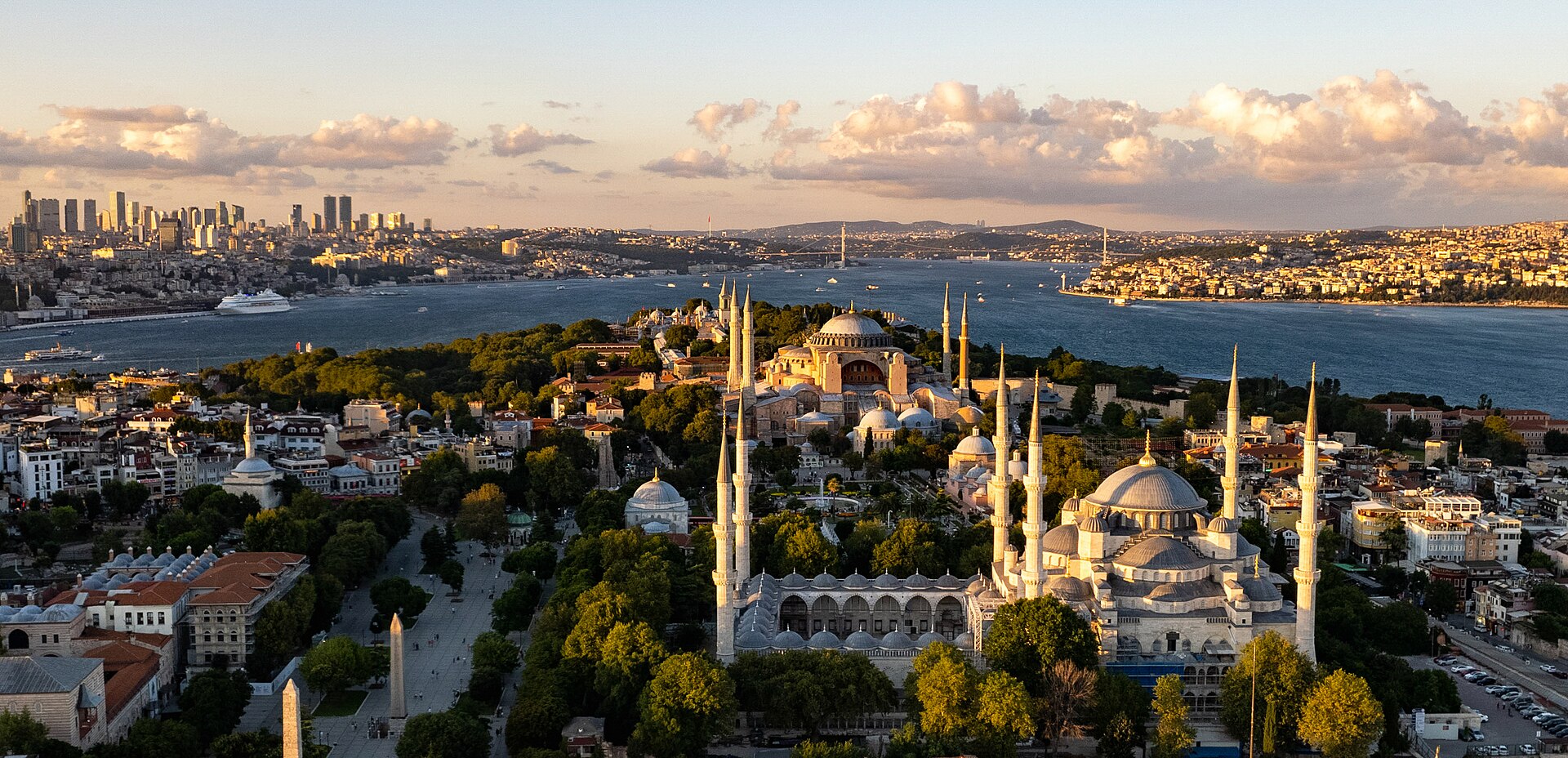
The attacks coincide with Iran’s effective closure of the Strait of Hormuz in the wider Middle East war that began with United States and Israeli strikes on Iran in February. The twin disruptions have pushed oil prices sharply higher — Brent traded above $105 a barrel this week — and kept Gulf security at the centre of regional diplomacy. Saudi Arabia, Pakistan and Türkiye signed the pact in Makkah on 7 August, and at the first meeting of its Strategic Political and Defence Committee in Istanbul on 31 August they agreed to establish a permanent secretariat in Riyadh, with Pakistan providing the first secretary general for a three-year term. Retired Lieutenant General Nauman Mahmood has since been appointed to the post.
What was and was not decided
The statements released after the Riyadh meeting were clear about intent and silent on specifics. The chiefs agreed to deepen military cooperation, intelligence sharing and capability integration, and reaffirmed the collective-defence commitment — but neither the ISPR statement nor the Saudi and Turkish defence ministries disclosed whether any specific military assistance, deployments or operational arrangements were agreed, the Reuters account of the meeting noted.
The absence of detail reflects a pact still being institutionalised rather than a settled operational plan. Türkiye has publicly expressed readiness to help meet Saudi Arabia’s military requirements, with Foreign Minister Hakan Fidan saying Ankara was ready to assist on “some technical issues”. Pakistan, for its part, has repeatedly affirmed its commitment to the kingdom’s defence, with the Director General of ISPR saying in September that the commitment was unconditional, as KhabarWire reported. Under a bilateral arrangement in 2025, Pakistan deployed roughly 8,000 troops, a squadron of JF-17 fighter jets, drones and an air-defence system to Saudi Arabia, according to earlier reporting.
What it means for Pakistan
For Islamabad, the Riyadh meeting is the most concrete step yet under a pact to which it is a co-signatory and whose secretariat it heads. It signals that Pakistan’s military leadership is engaged in translating a political commitment into practical planning alongside Saudi Arabia and Türkiye, at a moment when the kingdom faces sustained attacks. The stakes are economic as well as strategic: the Houthi attacks and the Hormuz closure have kept oil prices elevated, feeding directly into Pakistan’s fuel prices, import bill and inflation, while the roughly two million Pakistanis working in the Gulf are exposed to any wider escalation.
The three countries have stressed that the alliance is defensive in nature and not directed against any particular state. For now, the collective-defence clause has been activated at the level of consultation rather than action. Whether that changes depends on decisions that have not yet been made public — and on the trajectory of the Houthi attacks themselves.
What is still uncertain
The most important open questions are what the chiefs agreed beyond the published statements, whether any form of additional military support to Saudi Arabia is being prepared, and how quickly the pact’s institutional structures can be made operational. No country has publicly committed new deployments or equipment in response to the latest attacks, and the ISPR statement gave no indication of further meetings or timelines.
The Houthis’ claims of striking Riyadh and other targets could not be independently verified, and Saudi authorities have reported interceptions of missiles and drones with no confirmed casualties or damage. Whether the escalation forces the collective-defence clause from consultation into activation, and how far Pakistan and Türkiye are willing to go, are decisions that rest with the three governments and have not yet been announced. As with all such reporting, this is a dated snapshot of a fast-moving situation rather than a forecast.
Sources & reporting notes
This is a synthesis of published statements and reporting, not eyewitness coverage. Sources were reviewed on 26 September 2026. The account of the meeting rests on the ISPR and Saudi and Turkish defence ministry statements as carried by the sources below; the meeting itself took place in Riyadh on Friday, 25 September 2026.
- Radio Pakistan — Pakistan, Saudi Arabia, Türkiye discuss ways to enhance military cooperation26 September 2026 · Official account of the chiefs-of-staff meeting in Riyadh, the review of threats to Saudi Arabia, the condemnation of attacks on Makkah, and the collective-defence affirmation.
- The Express Tribune — Pakistan, KSA, Turkiye military chiefs slam attack on Makkah26 September 2026 · Independent report of the ISPR statement, the attendees, the first military-level meeting under the pact, and the absence of disclosed military decisions.
- Pakistan Today — Pakistan, Saudi Arabia, Türkiye vow collective defence under Makkah pact26 September 2026 · Independent report of the commanders' meeting, the review of the security situation and the reaffirmation of collective defence.
- Reuters (via The Straits Times) — Pakistani, Saudi, Turkish chiefs discuss closer military ties26 September 2026 · Independent wire account of the meeting, the statements from the Saudi Defence Ministry and Pakistan's military, and the pact's collective-defence clause.