What happened
Pakistan, Saudi Arabia and Turkiye signed the Makkah Joint Defence Agreement on Friday, 7 August 2026, at Al-Safa Palace in the Saudi holy city of Makkah, in a pact the three states said would treat an armed attack on any one of them as an attack on all, Radio Pakistan reported.
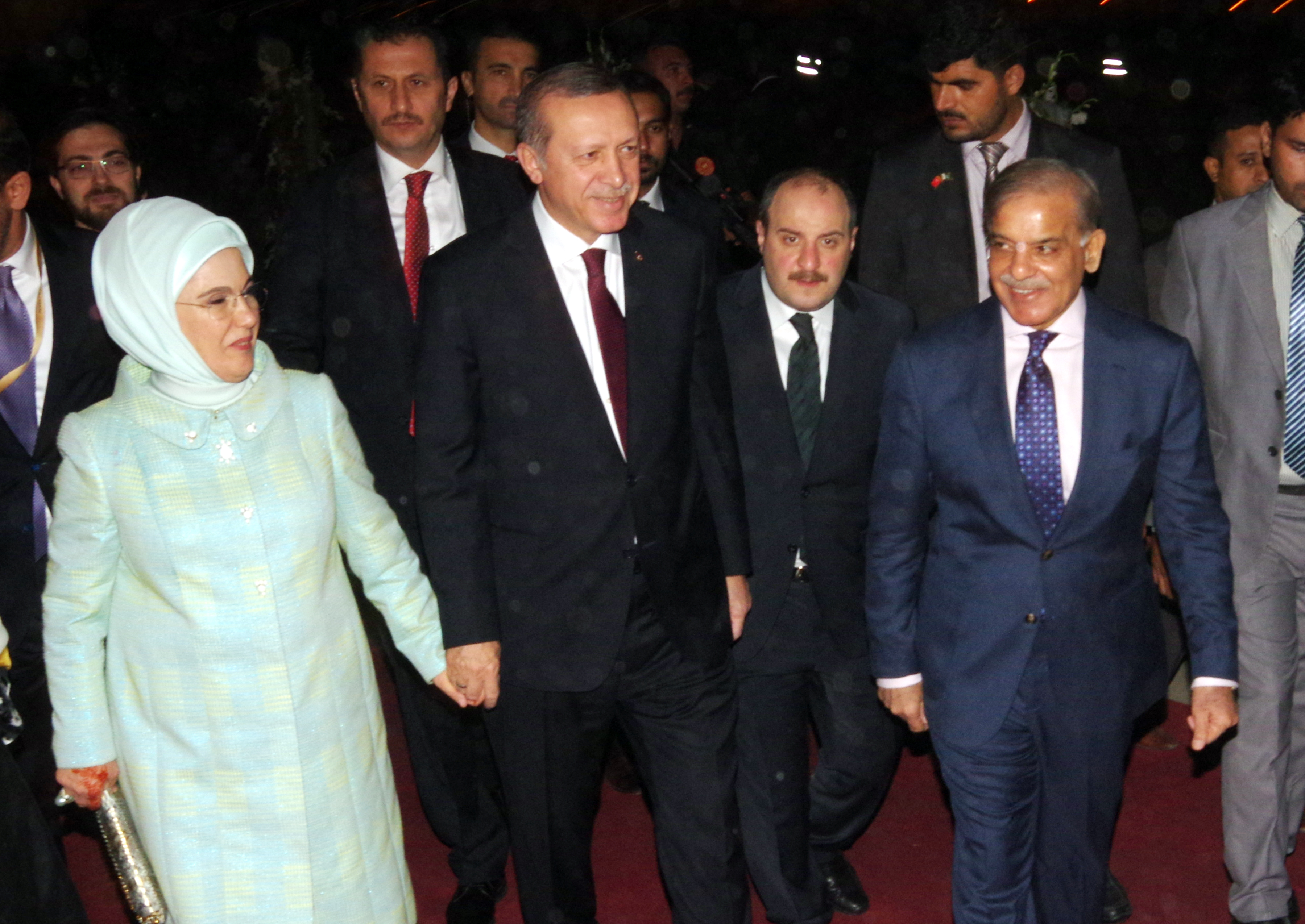
The agreement was signed by Saudi Crown Prince and Prime Minister Mohammed bin Salman bin Abdulaziz Al Saud, Turkish President Recep Tayyip Erdogan and Pakistani Prime Minister Shehbaz Sharif. The signing was announced in a joint statement published by Pakistan’s Foreign Office and Saudi Arabia’s official SPA news agency.
“The agreement is intended to strengthen collective deterrence against any act of aggression, and stipulates that any armed attack against any one of the three states shall be regarded as an attack against them all,” the statement said, according to Pakistan’s Foreign Office.
Sharif was accompanied on the visit by Chief of Defence Forces and Chief of Army Staff Field Marshal Syed Asim Munir, Deputy Prime Minister and Foreign Minister Ishaq Dar and Defence Minister Khawaja Asif, a day after Sharif arrived in Jeddah for talks with Crown Prince Mohammed bin Salman.
Why it matters
The pact builds on years of defence cooperation between the three countries and on a bilateral mutual defence agreement that Pakistan and Saudi Arabia signed in 2025, under which Pakistan Air Force aircraft arrived at King Abdulaziz Air Base in April in the first deployment. Pakistan’s Foreign Office described the three states as bound by “longstanding historical ties” and “enduring bonds of brotherhood and Islamic solidarity”, and as acting on shared strategic interests.
The agreement comes amid heightened regional tensions, including the war involving the United States, Israel and Iran, disruption to shipping through the Strait of Hormuz, and Houthi attacks that have struck Saudi territory and Saudi shipping. Analysts described the pact as an effort to supplement, rather than replace, existing security arrangements in the Gulf.
Prime Minister Sharif called the signing a “historic endeavour” that served the interests of the three homelands and would act as a “shield of peace” for future generations. President Erdogan said the agreement was based on the principle of collective deterrence, did not target any country and was open to other friendly nations seeking peace and stability. Turkish officials said the agreement was defensive in nature and not directed at any specific actor.
Saudi Arabia sought to head off suggestions that the deal created a new military or sectarian bloc. Deputy Minister for Public Diplomacy Rayed Krimly said the agreement “does not represent an intention to build a military axis or a sectarian/religious bloc” and was “not linked to nuclear ambitions or an arms race”. He added that it does not supersede or replace existing bilateral or multilateral agreements involving the three countries, according to Al Jazeera.
Pakistan is the only Muslim-majority country with nuclear weapons, and its inclusion in the trilateral framework prompted questions about the pact’s wider strategic implications. Both Riyadh and Ankara said the arrangement was aimed at building self-reliant, sustainable security capabilities.