Reporting snapshot · 3 November 2026 (Asia/Karachi). The rescheduling is confirmed by the confederation, but the new dates still require FIFA approval and the AFC did not name the specific developments it weighed. The security picture behind the decision can therefore only be read from separate reporting, and the state of the fighting inside Saudi Arabia may change again.
What the AFC decided
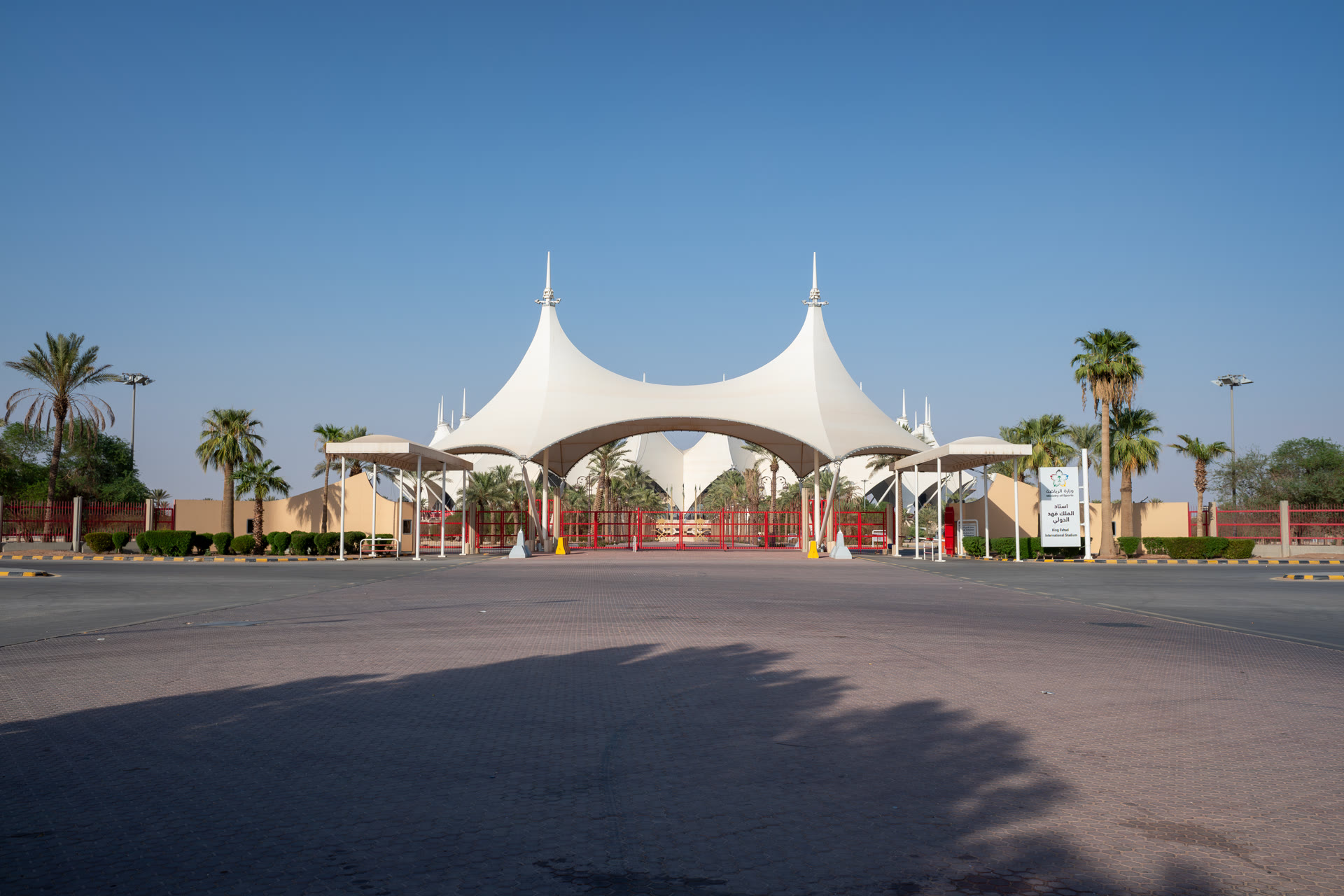
The Asian Football Confederation confirmed on 3 November that the AFC Asian Cup Saudi Arabia 2027 will now be played from 23 December 2027 to 21 January 2028, moving the tournament back almost a year from the 7 January to 5 February 2027 dates it was originally scheduled to run.
The confederation said the decision followed “extensive discussions and close consultation with the Local Organising Committee (LOC) of the AFC Asian Cup Saudi Arabia 2027 and the Saudi Arabian Football Federation (SAFF)”, and that the organising committee “approved to reschedule the flagship national team tournament in light of the current exceptional circumstances arising from developments in the region, including substantial logistical complexities and travel disruptions”, the AFC said in a statement. The new dates will be presented to FIFA for approval, the confederation added.
Reuters reported from Kuala Lumpur that the shift followed consultations between Saudi officials and the AFC, with Jeddah, Riyadh and Al Khobar still named as the host cities, as Geo News reported. The 24-team competition had been due to get under way in Riyadh, Al Jazeera noted, and several participating nations had expressed concerns about the security situation in the preceding weeks.
Local organisers had insisted only last month that the Asian Cup was “on schedule”, despite growing fears for the tournament’s fate, Reuters reported. The 2027 edition is now the second successive Asian Cup to be moved: the previous tournament was shifted to 2024 and to Qatar from China, BBC Sport reported.
Why a flagship tournament could not be staged
The confederation did not name what it weighed, but the surrounding reporting points at the Houthi campaign against Saudi Arabia, which has escalated since September. Riyadh has been hit repeatedly by missiles, and on 3 November the Saudi-led coalition said it had “intercepted and destroyed” a drone over the Makkah region, while the Houthi military spokesman Yahya Saree said the group had not carried out any operation against Saudi territory that day, Reuters reported via The Express Tribune.
Attacks closer to the tournament cities came on 24 October, when Saudi Arabia’s Civil Defence briefly issued alerts for potential danger in Taif, Yanbu, Makkah and Jeddah, The Express Tribune reported. Earlier in October, missile and drone strikes hit King Khalid International Airport in Riyadh and facilities at Abha airport, Geo News reported, and the group has also attacked Saudi oil facilities and airports, disrupting flights and oil exports, Reuters reported.
Saudi Arabia’s wider sports calendar has already absorbed the same escalation. The Six Kings Slam tennis exhibition scheduled for Riyadh was cancelled, the Asian Tour’s season-ending golf tournament was postponed, and the Saudi Pro League postponed this week’s round of fixtures following the rescheduling of the Asian Cup, BBC Sport reported. A month-long tournament bringing 24 national teams and tens of thousands of travelling supporters is a different proposition from a single evening’s tennis, and the dates for which ticketing, hospitality and broadcast commitments had already been fixed.
What it means for Pakistan
The cancellation is not only a sporting matter for Islamabad. Pakistan is one of three signatories to the Makkah Joint Defence Agreement signed on 7 August 2026 with Saudi Arabia and Türkiye, under which an armed attack against any one of the three is treated as an attack against all three, The Express Tribune reported.
That commitment is already operational. Defence Minister Khawaja Asif said that Pakistan and Türkiye have a presence in Saudi Arabia and are “providing any assistance they need” while “the army fighting is that of Saudi Arabia”, with the two forces involved in “reconnaissance and other things”, Geo News reported on 9 October. Islamabad, Riyadh and Ankara agreed at an emergency meeting of the pact’s committee in Riyadh on 6 October to ensure the “rapid deployment” of agreed military forces and capabilities in Saudi Arabia, Geo News reported. Pakistan’s army spokesman has also said the pact’s wording does not bar new members and that Iran would be welcome to join, as KhabarWire reported on 31 October.
The consequences of that campaign already reach Pakistani travellers. Pakistan International Airlines suspended its Riyadh flights after the early-October strikes on the kingdom’s airports, as KhabarWire reported, and the Foreign Office has repeatedly condemned Houthi attacks near the two holy mosques, calling the 24 October strikes “a grave violation of Saudi Arabia’s sovereignty and territorial integrity”.
The diplomatic counter-track is running in parallel. Iranian Foreign Minister Abbas Araghchi said on 3 November that talks with Saudi Arabia are ongoing as Tehran seeks new regional security arrangements “for countries in the region without foreign military involvement”, and that officials from Saudi Arabia, Türkiye and Pakistan met Iranian counterparts in Tehran last week, Reuters reported. That was the first high-level contact between the three pact members and Iran since August, as KhabarWire reported, and it is the channel Islamabad has spent three months building. The AFC’s decision is a measure of how far the situation has moved against that track, which is why it matters here beyond the tournament itself. KhabarWire is tracking that track in its Makkah defence pact hub.
What is still uncertain
FIFA has not yet approved the new dates, and the AFC gave no indication of when that approval might come or on what basis. The confederation also did not say whether the January slot might be revisited, whether the commercial arrangements behind the original dates have been unwound, or whether other Saudi-hosted events will follow.
No public account exists yet of the specific security developments that persuaded the organising committee. The AFC referred to “developments in the region” and to “logistical complexities and travel disruptions”, which leaves open the possibility that the trigger was the cumulative pattern of strikes over recent weeks rather than any single incident, including the drone intercepted over the Makkah region on the day the decision was announced.
For Pakistan, the open question is whether a security situation serious enough to cancel a flagship tournament can be held stable for long enough to stage one at all, and whether the diplomatic channel opened in Tehran can deliver the regional arrangements its participants say they want.