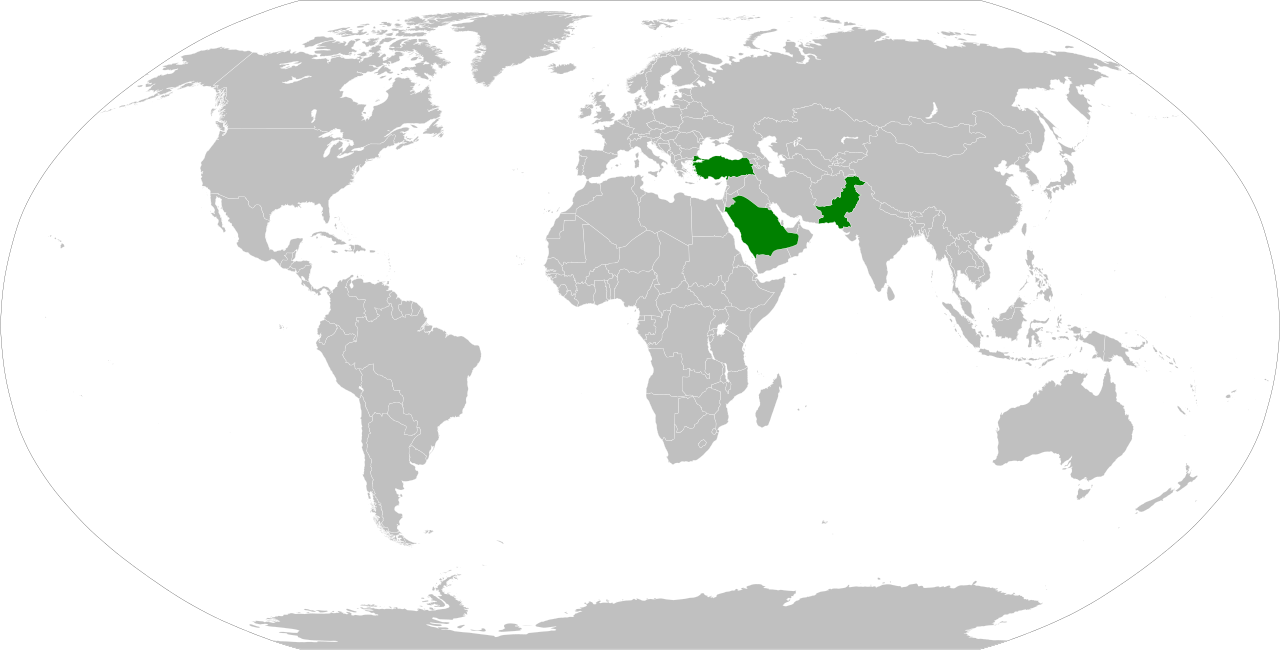
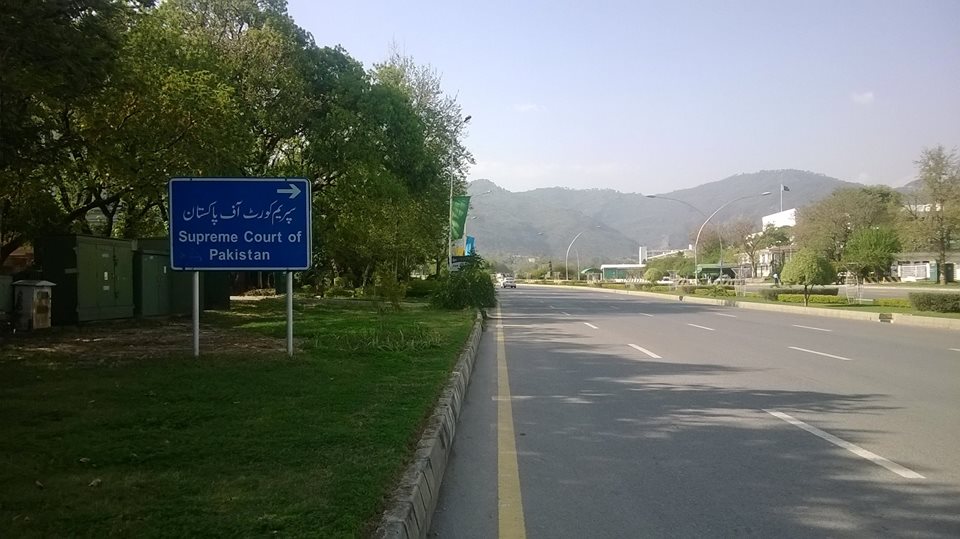
Reporting snapshot · 10 October 2026 (Asia/Karachi). Pakistan's Foreign Office has said on the record that Pakistani forces operating under the Makkah Joint Defence Agreement will not cross into Yemen. Spokesperson Ambassador Sajjad Haider Khan set the line at the weekly briefing in Islamabad on 9 October, also rejected reports of PAF jets striking the Houthis and fielded questions on the US-Iran mediation track and the Moscow Format. No new force numbers, basing details or rules of engagement were published.
What the Foreign Office said
Foreign Office spokesperson Ambassador Sajjad Haider Khan, speaking at the weekly briefing in Islamabad on 9 October, said the Makkah alliance is “a defensive arrangement” intended to protect the sovereignty and territorial integrity of its three member countries — Pakistan, Saudi Arabia and Türkiye — and to strengthen their collective deterrence, the Geo News wire (APP) reported.
Asked directly whether allied forces could engage Houthi forces inside Yemen, Khan said: “These forces would not cross the border into Yemen to launch attacks against the Houthis,” The Express Tribune reported. The allied presence would be used to defend Saudi territory and safeguard its sovereignty, not to project power into Yemen.
Khan also set the line against a New York Times report — already denied by Pakistan’s information ministry on 8 October — that PAF fighter jets had been used against Yemen’s Houthis. “This is speculative news, which has also been refuted by the minister for information,” he said, the Express Tribune also reported. The information minister had earlier told Geo News that any details of Pakistani forces’ employment under the pact, “if necessary”, would be given by the authorities concerned.
How the briefing fits the Riyadh meeting
The 9 October clarification followed the 5 October emergency meeting of the Makkah alliance’s Strategic-Political and Defence Committee in Riyadh, which agreed to “move immediately to the practical implementation of the collective defence commitments” and to ensure the “rapid deployment” of agreed forces in Saudi Arabia. That joint statement, published by the Saudi Press Agency and Türkiye’s Foreign Ministry, did not name any country, units or operations, and stopped short of formally invoking the collective-defence clause.
What the FO added this week was the on-record answer to a question the 5 October statement left open: how far “rapid deployment” extends geographically. The spokesperson’s formulation — defence only, no crossing into Yemen — was the same line Deputy Prime Minister Ishaq Dar used in earlier briefings and that Türkiye’s Foreign Minister Hakan Fidan had also drawn in Ankara, Al Jazeera reported on 6 October.
What the FO said about Pakistani forces in Saudi Arabia
The spokesperson also clarified the scale of Pakistan’s existing presence. “Since 1982, the Pakistan Armed Forces have been present in Saudi Arabia in one capacity or another, sometimes under logistical arrangements and sometimes as part of training missions,” he said, adding that further deployments had followed the bilateral Strategic Mutual Defence Agreement in 2025, the Express Tribune reported.
He did not give a number for current forces or new deployments under the Makkah alliance. Reuters reported in 2026 that around 8,000 Pakistani troops, a squadron of JF-17 jets, drones and an HQ-9 air-defence system were deployed in May, as The Express Tribune noted. Khan said Pakistan had “a substantial number of forces” in Riyadh and that the alliance’s headquarters would assess any additional deployment; he declined to discuss operational details.
What the FO said about US-Iran mediation and the Moscow Format
On Pakistan’s wider diplomatic portfolio, Khan said the United States and Iran were now communicating directly and were discussing proposals that included seven points, with some elements aligned with the Islamabad memorandum of understanding. Direct engagement was, he said, “an outcome of Pakistan’s mediation efforts” — and Islamabad would remain willing to facilitate further talks if requested.
On Afghanistan, Khan said Pakistan had taken part constructively in the eighth Moscow Format consultation on 5 October in Moscow, but the meeting ended without a joint statement for the first time since 2017, the Express Tribune reported. The disagreement was over language on terrorism emanating from Afghan territory. Khan rejected Afghan Foreign Minister Amir Khan Muttaqi’s allegation that Pakistan supported the Islamic State Khorasan Province and accused the Taliban authorities of allowing the banned TTP and the Balochistan Liberation Army to operate from Afghan soil.
Why this clarification matters now
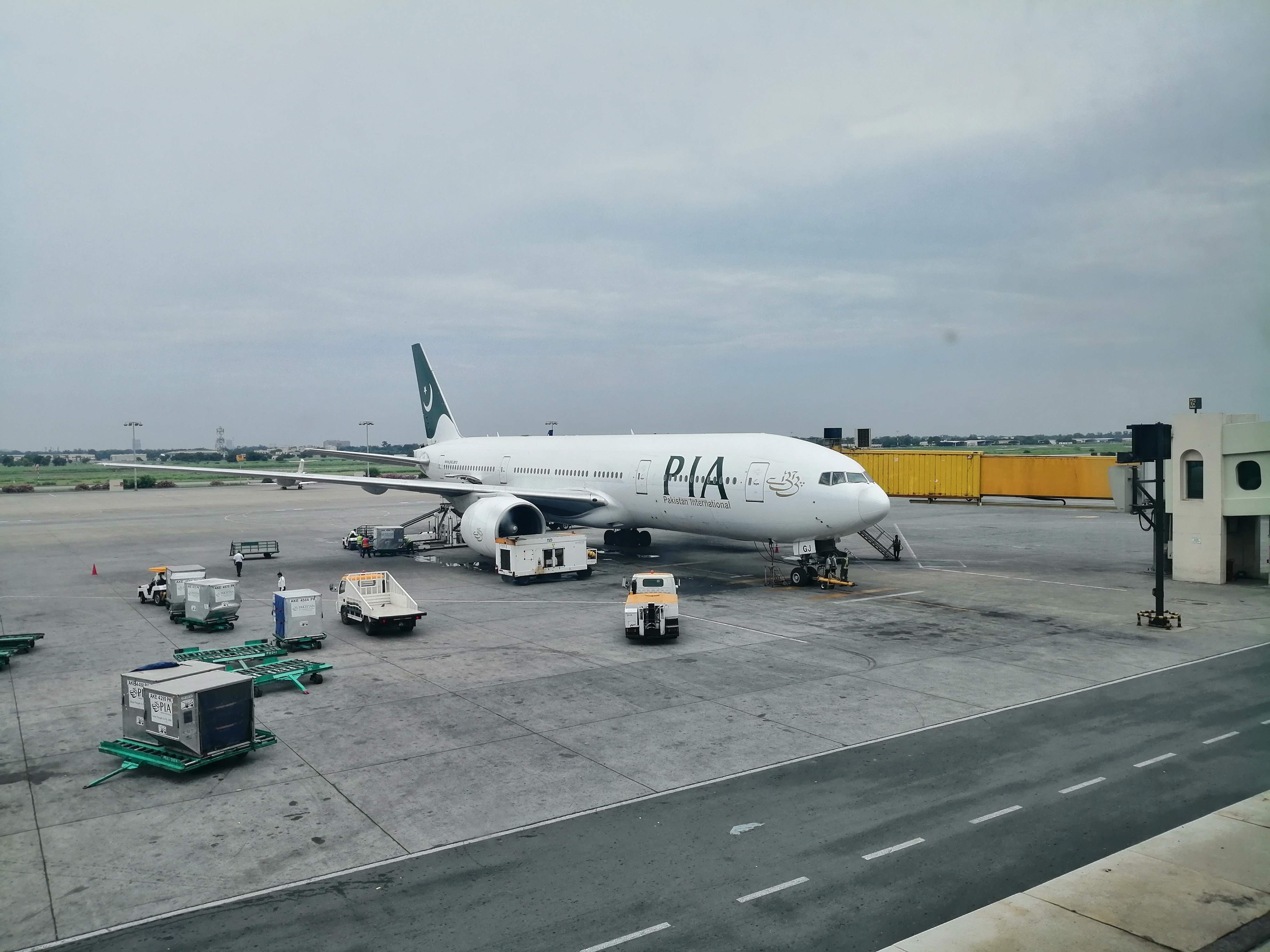
The 9 October briefing arrived in the same week the Houthi campaign reached a new peak. On 7 October, Houthi strikes on King Khalid International Airport in Riyadh and Abha airport killed three people and wounded dozens, Reuters reported via Geo News. PIA temporarily suspended its Islamabad-Riyadh service on 9 October, and Prime Minister Shehbaz Sharif condemned the attacks, calling Pakistan’s commitment under the Makkah agreement “resolute”.
The FO’s defensive-only line is a balancing act. About two million Pakistanis work in Saudi Arabia and their remittances are a pillar of the current account, which gives Islamabad a stake in Saudi security. But Pakistan has also positioned itself as a US-Iran mediator and has an interest in not being seen as a belligerent in Yemen. Javad Heiran-Nia of the Persian Gulf Studies Group in Tehran told Al Jazeera that Iran can tolerate a deployment limited to protecting Saudi installations but would regard Pakistani participation in offensive operations as “a red line”. Defence Minister Khawaja Asif told Geo News from Riyadh on 5 October that Pakistani and Turkish forces were playing “a supporting role” focused on reconnaissance.
What is still uncertain
Pakistan and the alliance have not published force numbers, basing locations, a deployment schedule or rules of engagement under the Makkah agreement, so the practical scope of the mission cannot be verified from public records. The defence-only line is a statement of intent rather than a published operational annex.
The New York Times claim and Pakistan’s denial cannot be independently resolved: the report relied on an unnamed official, the ministry’s rejection is the only published response, and the FO briefing did not address the underlying evidence. The Makkah agreement treats an armed attack against one member as an attack against all three, but that does not by itself require Pakistani forces to take part in offensive operations beyond Saudi territory.
The Moscow Format collapse leaves Pakistan’s dialogue with the Afghan Taliban in a holding pattern, with no date for the next meeting. Whether the FO’s line holds as Houthi strikes on Saudi airports continue is the question the next briefing will face.
Sources & reporting notes
This is a synthesis of published reporting, not eyewitness coverage. Sources were reviewed on 10 October 2026 (Asia/Karachi). The Foreign Office's defensive-only line, the rejection of PAF strike reports, the description of forces already in Saudi Arabia, and the parallel statements on the US-Iran track, the Moscow Format and the Indian border firing are drawn from the Geo News (APP) wire report and The Express Tribune's coverage of the 9 October briefing. KhabarWire did not attend the briefing; quotations are attributed to the wire and newspaper transcripts that ran the FO's on-record remarks.
- Geo News (APP) — Makkah alliance: Pakistan reaffirms support for Saudi Arabia, denies reports of jets in YemenPublished 9 October 2026 · The full APP wire transcript of the FO briefing: the defensive arrangement, the troops already in Saudi Arabia, the rejection of PAF strike reports, the US-Iran mediation update and the Moscow Format statement.
- The Express Tribune — Makkah alliance ground forces will not cross Yemen to attack Houthis, will defend Saudi Arabia: FOPublished 9 October 2026 · Independent Express Tribune account of the same briefing: Sajjad Haider Khan's direct quote on Yemen, the rejection of PAF strike reports, the troops in Saudi Arabia since 1982, and the UN chief Guterres visit readout.
- The Express Tribune (Kamran Yousaf) — FO quashes speculation over Yemen combat rolePublished 10 October 2026 · Same-source analysis of the briefing with the Moscow Format failure to issue a communiqué for the first time since 2017, and the Afghan-Taliban exchange over TTP and ISKP.
- Daily Pakistan English — Pakistan stands with Saudi Arabia under mutual defence pact, says Foreign OfficePublished 9 October 2026 · Independent third-wire account of the same FO briefing, confirming the rejection of PAF strike reports, the sanctity-of-the-Haramain emphasis and the US-Iran mediation readout.
- Saudi Press Agency — Emergency Meeting of the Strategic Political and Defense Committee of the Makkah Alliance for DefensePublished 5 October 2026 · The 5 October Riyadh committee decision on the practical implementation of collective-defence commitments and the rapid deployment of agreed forces and capabilities, which the 9 October briefing sought to clarify.