Reporting snapshot · 6 November 2026 (Asia/Karachi). The Security Council's document series did not yet carry the text of the statement when this was written, so the wording below comes from the Foreign Office's account and from the remarks of Deputy Prime Minister Ishaq Dar. Whether anyone cites the statement to defend a ceasefire, or to justify continued fighting, is not yet visible.
What the Council adopted on 5 November
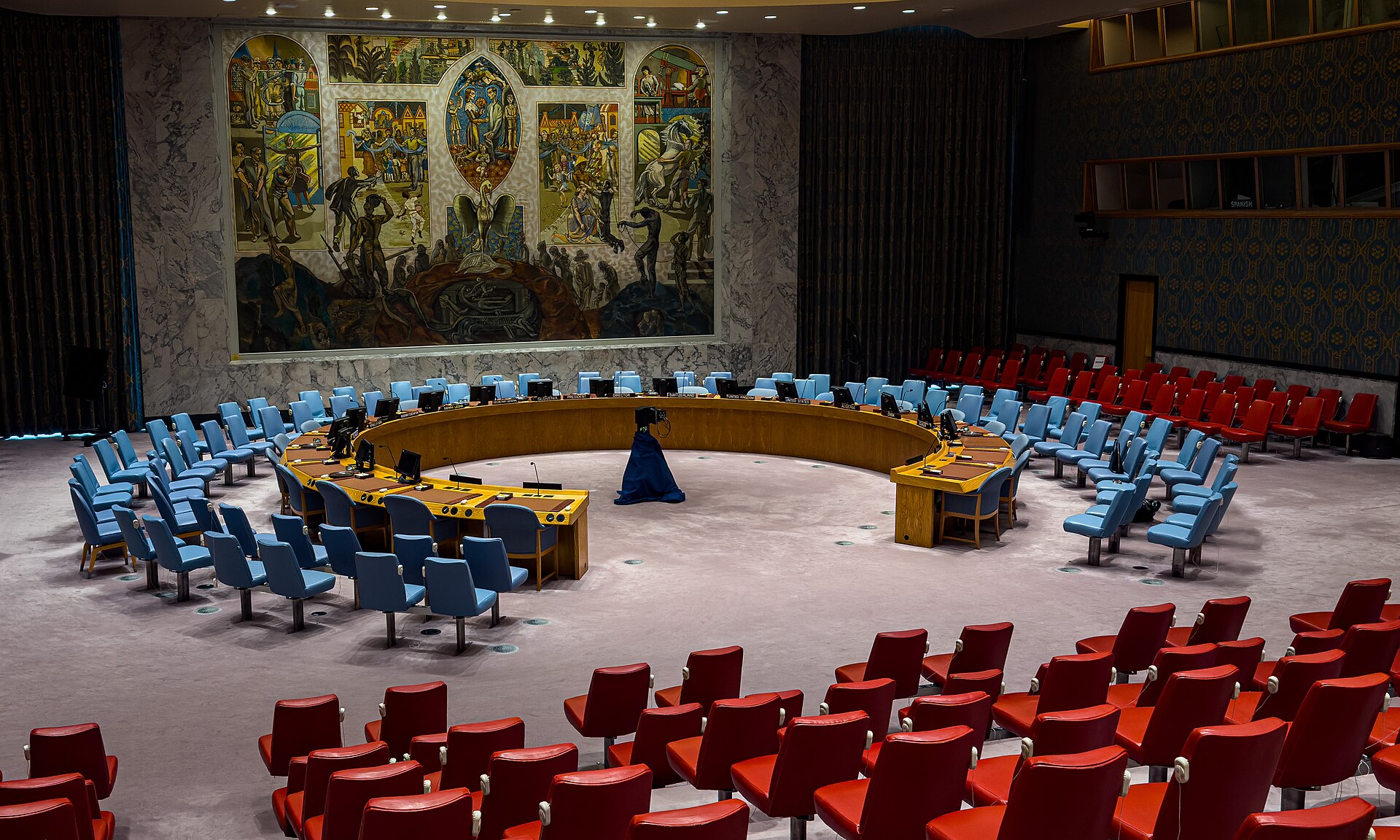
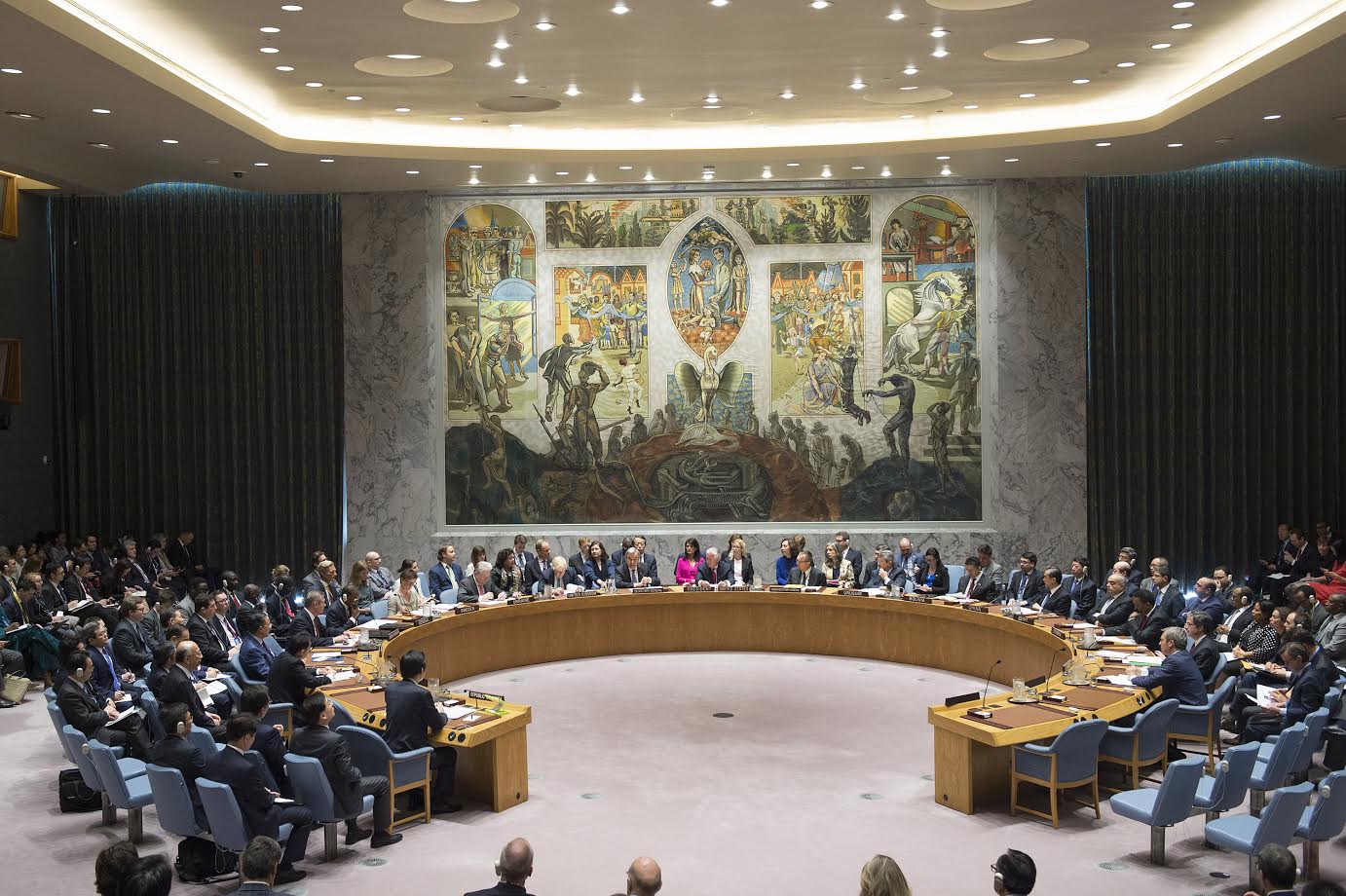
The United Nations Security Council adopted by consensus on Thursday, 5 November, a presidential statement on “The Role of Diplomacy during Active Hostilities”, an initiative initiated by Pakistan, the Associated Press of Pakistan reported, citing Deputy Prime Minister and Foreign Minister Mohammad Ishaq Dar. Pakistan’s Permanent Mission to the United Nations published a press stakeout by Ambassador Syed Haider Shah after the adoption.
Dar said the statement builds on the Council’s resolution 2788 (2025), which was adopted unanimously during Pakistan’s presidency of the Council in July 2025, the Associated Press of Pakistan reported. “When hostilities intensify, diplomacy must not retreat,” he said, adding that diplomacy must become an even more powerful instrument for de-escalation, dialogue and peace.
The Foreign Office gave the substance of the text. According to The Express Tribune, the statement reaffirms the Security Council’s commitment to the peaceful settlement of disputes under Chapter VI of the UN Charter and underscores the importance of maintaining diplomatic engagement even after the outbreak of armed conflict. It “underscores the imperative of sustained diplomatic engagement even after hostilities have commenced, including through mediation, good offices and the maintenance of channels of communication, with a view to facilitating ceasefires and promoting durable political settlements”, the ministry said. The Foreign Office called the adoption an important contribution by Pakistan to the Council’s thematic work on international peace and security, and described the text as a collective political reference point for the Council’s future engagement.
Where the text stands
The Council issues each presidential statement as a numbered document. As of writing, the Security Council’s own list of presidential statements for 2026 runs from S/PRST/2026/1, adopted on 2 April on cooperation between the United Nations and regional and subregional organisations, through S/PRST/2026/4, adopted on 15 October on the situation in the Middle East. The 5 November text on the role of diplomacy was not yet on that list.
A delay is normal. Presidential statements are issued by the Council’s president on the Council’s behalf, they are not binding, and the agreed text is published after the meeting rather than during it. Until the document appears, the account of the wording above rests on the Foreign Office’s summary of its own initiative rather than on a published transcript, and the Council’s deliberations are not in the public record.
Why the statement matters in a war
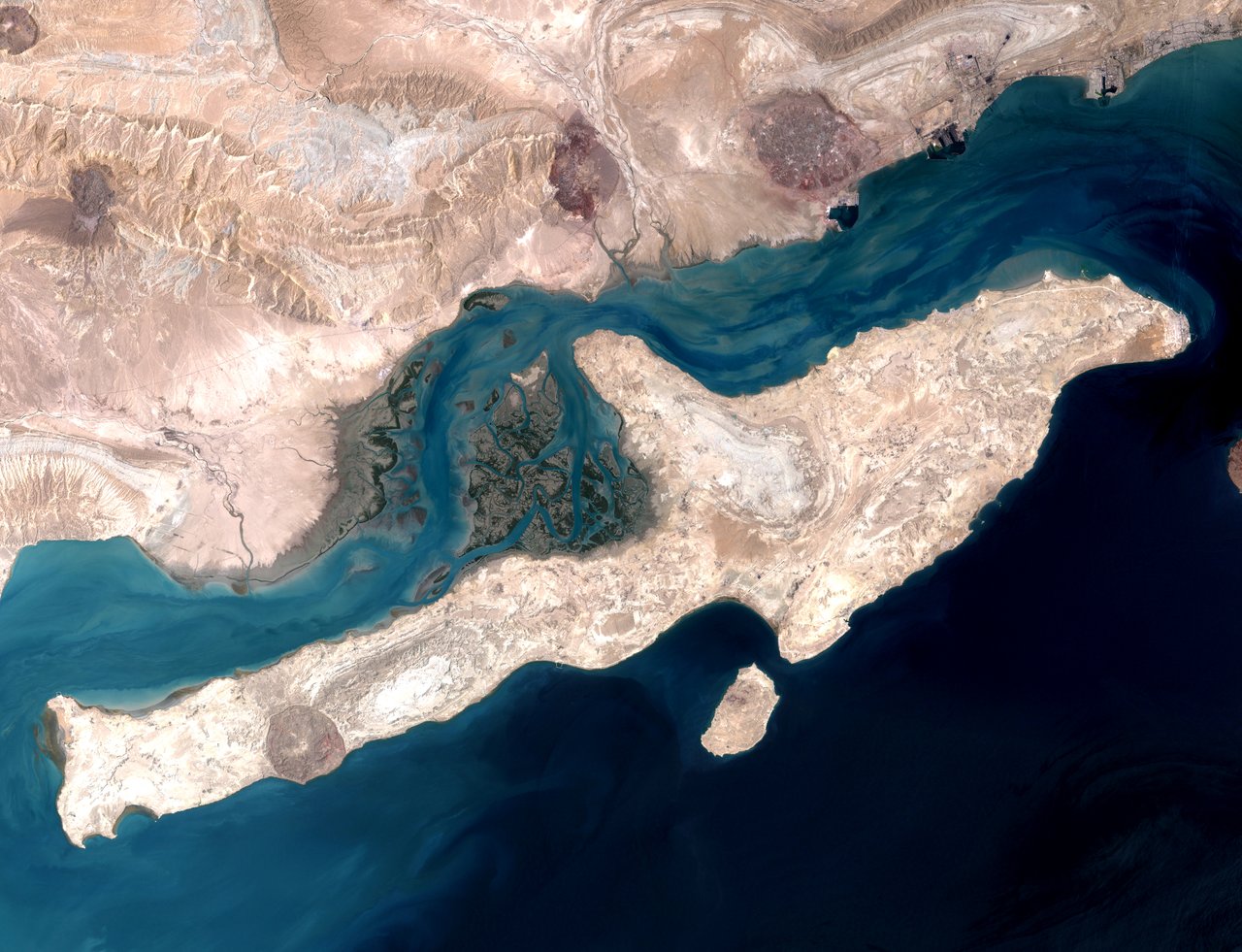
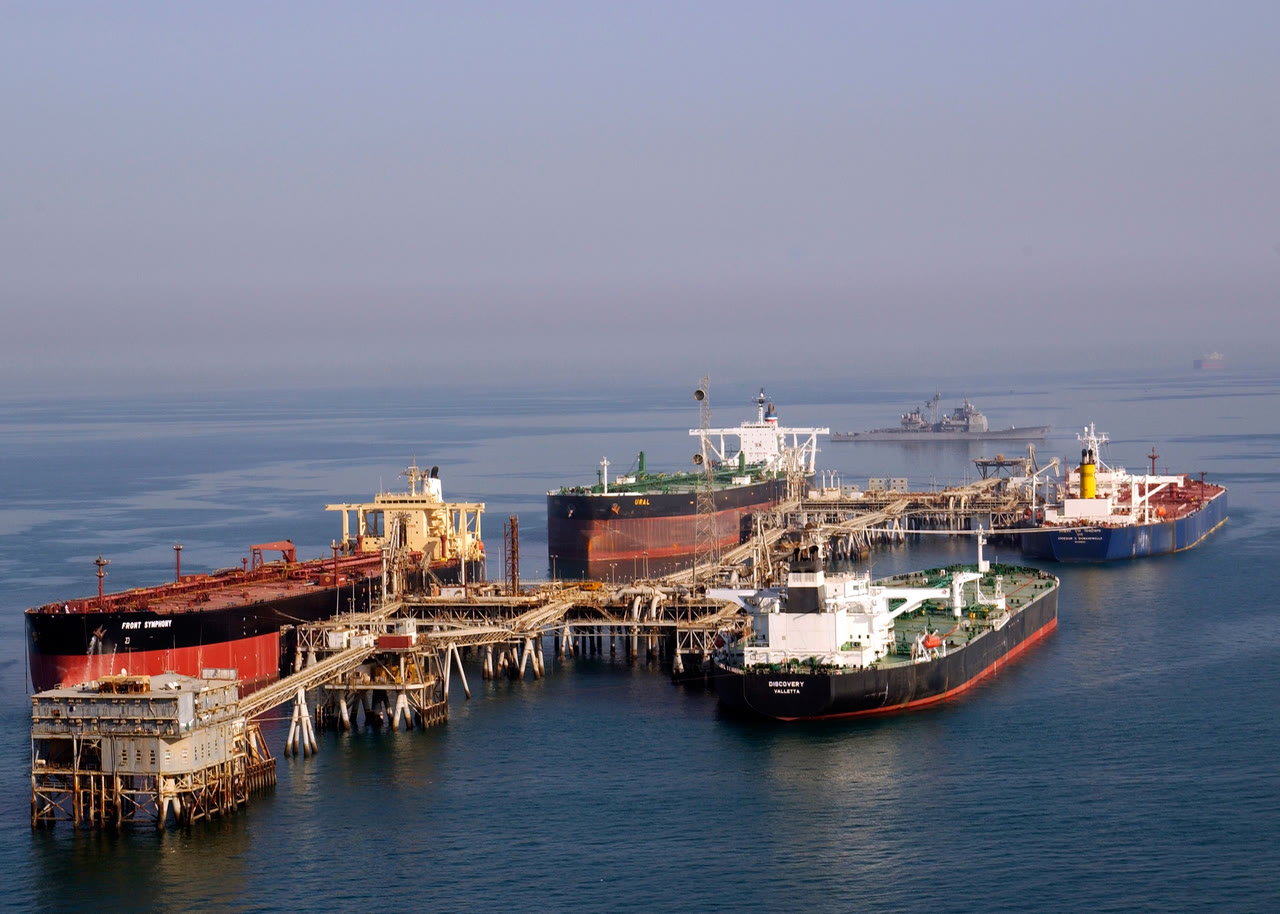
The vote lands in the middle of a war that has made diplomacy harder to defend. Iran’s Islamic Revolutionary Guard Corps said on Thursday that a tanker struck a mine and caught fire in the Strait of Hormuz, and the Iranian army said two more tankers struck naval mines in the same waters that day, while the British military said a tanker was hit by two projectiles off Qatar’s coast, Al Jazeera reported. Tehran has restricted traffic through a waterway that normally carries about a fifth of global oil consumption since the United States and Israel began their campaign against Iran in late February.
Pakistan is one of the few channels still open. On the same day as the Council’s vote, Dar spoke by telephone to Iranian Foreign Minister Seyed Abbas Araghchi, and both men stressed sustained dialogue and the need for all parties to remain constructively engaged, the Associated Press of Pakistan reported. That call followed Qatar’s push for a draft agreement that Donald Trump said on 3 November was not accompanied by new strikes, as KhabarWire reported, and Tehran’s delegation arriving in Doha, where Qatari and Pakistani mediators were trying to restart the US-Iran talks, as KhabarWire reported.
The Council’s own record on the Iranian nuclear file shows how much harder that file has become. At the end of October, Pakistan’s acting permanent representative told the Council that the Iran nuclear file “has sharply deteriorated”, and the International Atomic Energy Agency reported that it still could not confirm that none of Iran’s safeguarded nuclear material had been diverted, as KhabarWire reported. Pakistan’s initiative does not settle that file. It puts a principle into the Council’s record: that diplomacy continues after hostilities begin.
What is still uncertain
Three things are open. First, the text itself. The Council has not published the statement, so the only account of its detailed wording is Pakistan’s own, and readers should treat the summary as a description of the agreed text rather than the text.
Second, the reaction. Adoption by consensus means that no member objected to the text in the room, but the Council’s recent Middle East debates have exposed deep divisions between the parties to the war, and the statement says nothing about the Iranian nuclear file that has deadlocked the Council since September.
Third, effect. A presidential statement creates no legal obligation. It stops no missile, reopens no waterway and changes no military calculation. What it can do is give a mediating government language it can point to, at a time when every mediator is asked to explain why talks should continue while the shooting does.
For Pakistan, the immediate gain is institutional: a country that has spent years building a reputation at the United Nations has put its name to a rule of conduct the Council has now recorded. The test is whether anyone quotes the statement while the fighting continues. KhabarWire follows that track in its Pakistan, Iran and the US mediation hub.