Reporting snapshot · 2 October 2026. The Saudi-led coalition announced its finding on Thursday, 1 October; the attack itself is dated to Tuesday, 29 September. The Houthis deny responsibility, and no independent party has verified either side's account of what happened or what was damaged. The coalition says one transformer was put out of service and the wider electricity network was unaffected. This is a dated snapshot of a contested claim, not a live tracker.
What happened
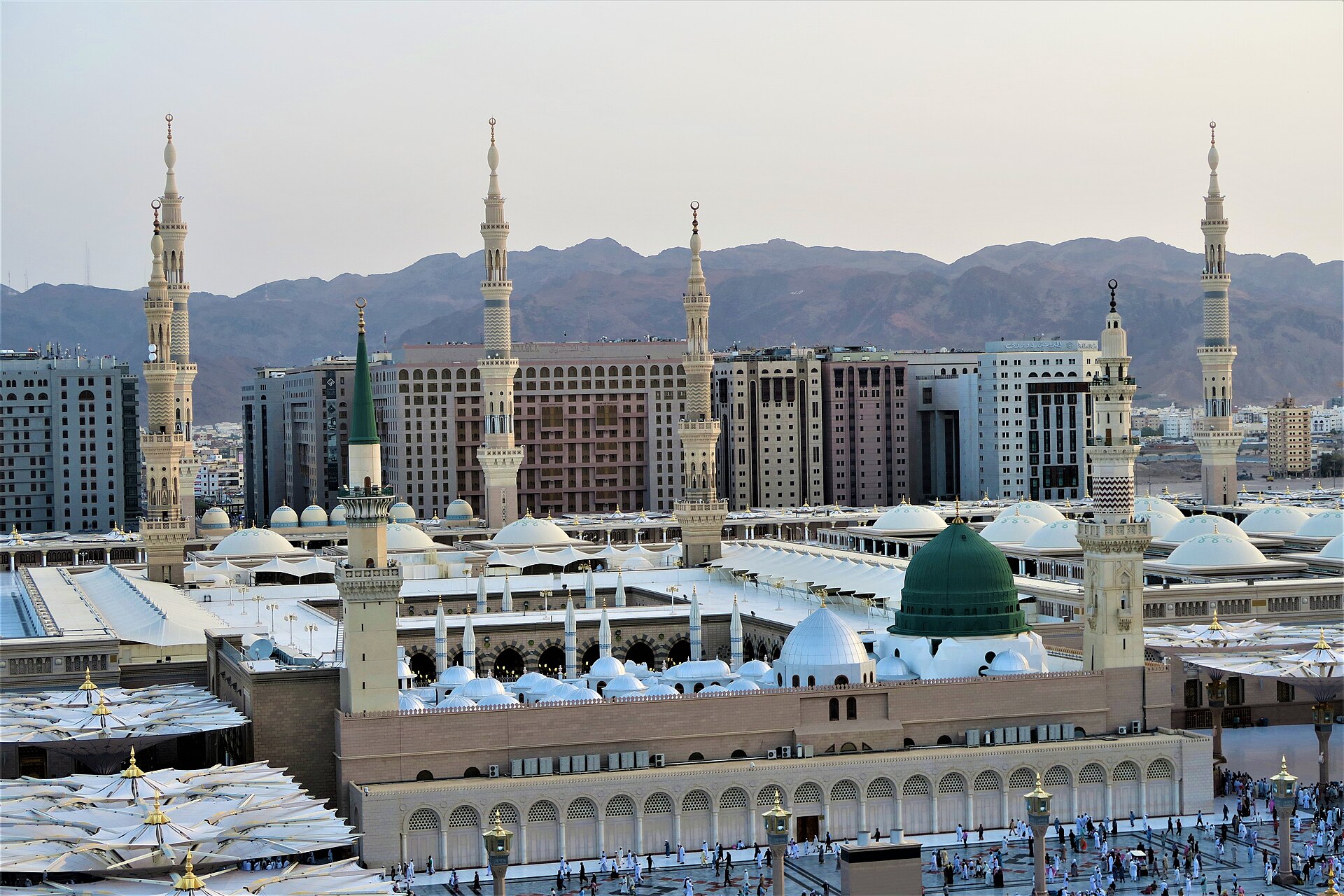
The Saudi-led coalition fighting Yemen’s Houthi movement said on Thursday, 1 October, that a Houthi drone attacked a power distribution station in the holy city of Madinah earlier in the week, putting one transformer out of service but leaving the wider electricity network intact. Coalition spokesman Major-General Turki al-Maliki said the strike hit the Taibah electricity distribution station at 5:11am local time on Tuesday, 29 September, and that an investigation and examination of drone wreckage confirmed Houthi involvement in planning and carrying out the attack, Al Jazeera reported.
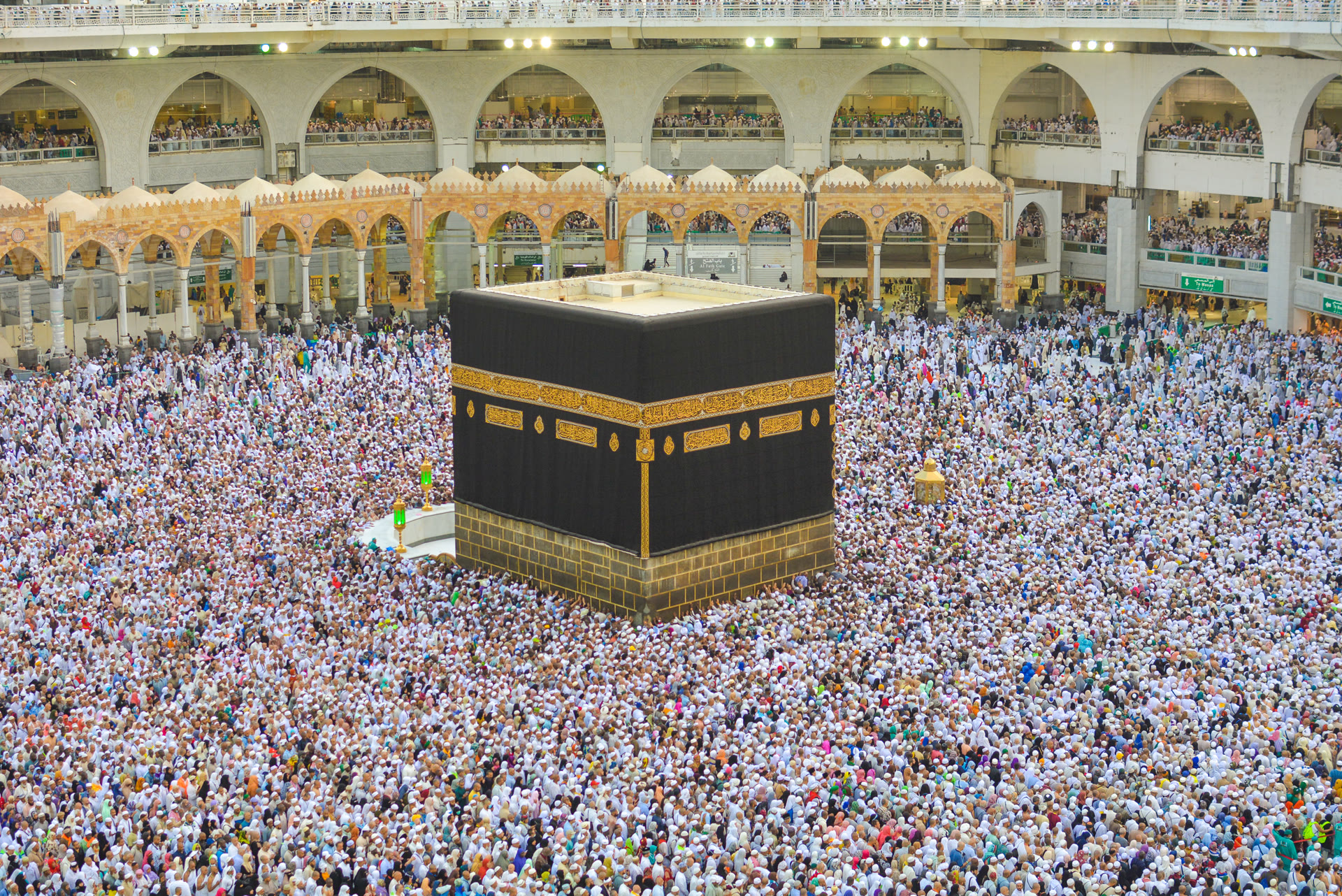
Al-Maliki said the station supplies electricity to Masjid an-Nabawi, the Prophet’s Mosque, one of Islam’s two holiest sites, and described the attack as a “cowardly terrorist act”. The coalition, which backs Yemen’s internationally recognised government against the Iran-aligned Houthis, said the strike was part of what it called repeated attempts to target the two holy mosques — the Grand Mosque in Makkah and the Prophet’s Mosque in Madinah — and to “provoke” Muslims worldwide. It said it would continue taking measures to protect the holy sites and pilgrims, the Reuters report carried by The Express Tribune said.
Separately, the coalition said it intercepted and destroyed four Houthi drones over the southern Saudi city of Khamis Mushait and two ballistic missiles over Khamis Mushait and Jazan, also in the south, the same day. Neither the strike claim nor the intercept figures have been independently confirmed.
The Houthi denial and the Yemen front
The Houthis rejected the accusation. A Houthi military source, quoted by the group’s Saba news agency, called it a “lie” and said it was intended to cover up what he described as Saudi Arabia’s failure to substantiate an earlier accusation that the group had targeted Makkah. Saudi Arabia said two weeks ago that it had intercepted and destroyed a Houthi drone south of Makkah before it entered restricted airspace over the city — an incident the coalition described as the second Houthi attempt to target Makkah since 2017. The Houthis have denied targeting Makkah or any other Islamic holy site.
The dispute over Madinah lands as the war in Yemen intensifies. On the same day as the coalition’s statement, the armed forces of Yemen’s internationally recognised government said they had repelled a large-scale Houthi attack in the southwestern province of Taiz and inflicted heavy losses, reporting at least 30 Houthi fighters killed on one front alone. The government’s account, carried on its own channels, could not be independently verified either. Saudi Arabia said it approved 224 million riyals, about $59.7m, in budget support for the Yemeni government. The Houthis captured the Red Sea city of Mocha in September, expanding their hold around the Bab al-Mandeb strait, a critical artery for oil, fuel and Asian goods moving between the Gulf, the Suez Canal and the Mediterranean.
Why it matters for Pakistan
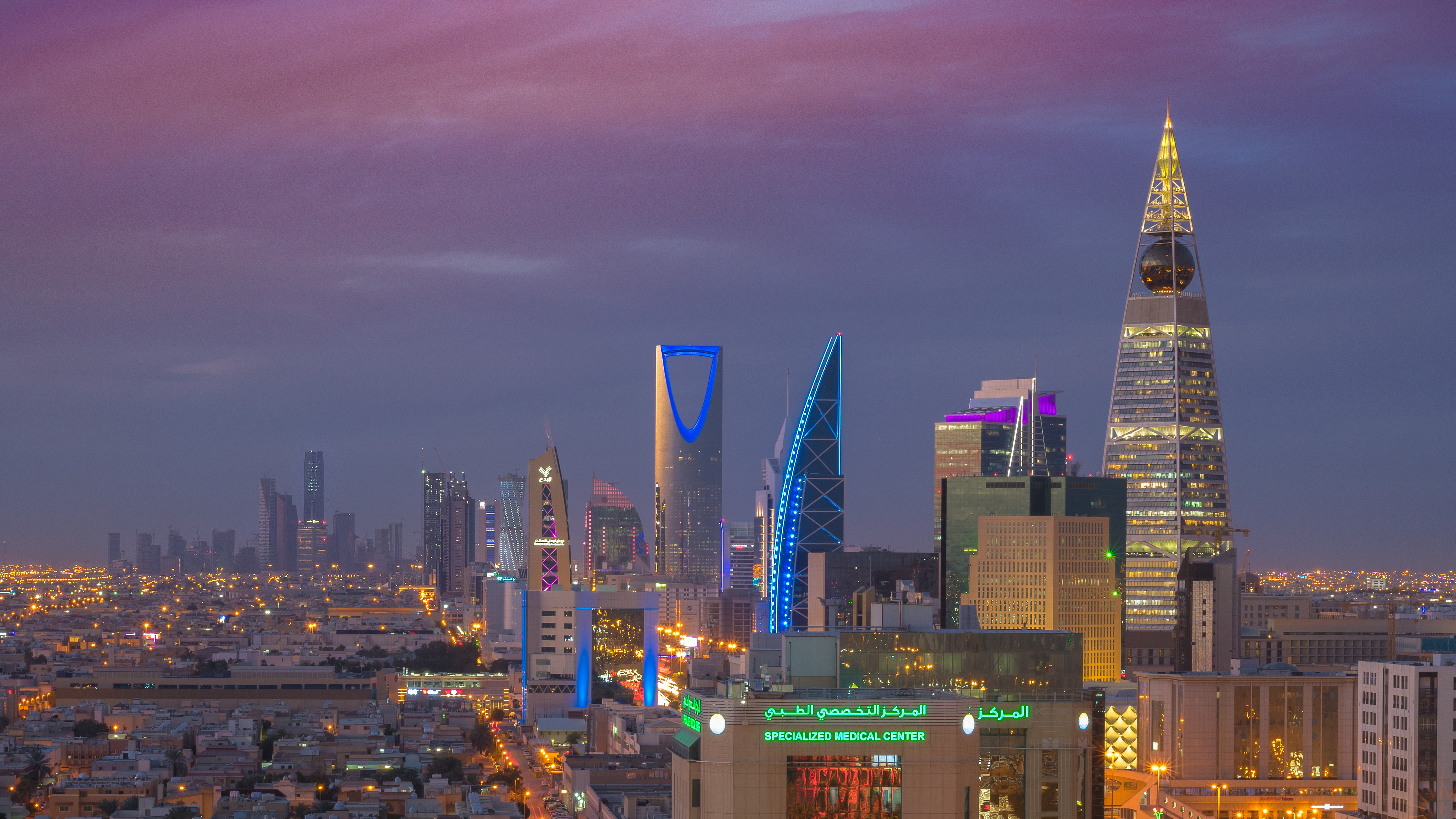
Madinah is not a distant story in Islamabad. Pakistan is a co-signatory, with Saudi Arabia and Türkiye, of the Makkah Joint Defence Alliance signed in Makkah on 7 August, under which an armed attack on any one of the three is treated as an attack on all of them. The trilateral pact builds on a bilateral Saudi-Pakistani defence agreement reached in 2025. Under those arrangements Pakistan deployed roughly 8,000 troops, a squadron of JF-17 fighter jets, drones and an HQ-9 air-defence system to the kingdom in May, according to Reuters reporting at the time.
Pakistan’s officials have described the protection of Makkah and Madinah as a red line that does not depend on any treaty. Defence Minister Khawaja Asif said on Wednesday, 30 September, that “any enemy of Saudi Arabia is an enemy of Pakistan” and that Islamabad would make all available resources accessible to Riyadh if its security came under threat, Geo News reported. He said the Houthis were committing aggression against the kingdom and that Pakistan was bound by the arrangement to help defend it. Earlier, on 16 September, Asif said “the Makkah Agreement applies to us, and we will fulfil our duty”.
The Saudi crown prince, Mohammed bin Salman, addressed the same framework in a speech to the Shura Council on Wednesday, saying the Makkah Joint Defence Alliance with Pakistan and Türkiye would contribute to regional security and stability and help coordinate a response to regional challenges, according to the Saudi Press Agency as reported by Geo News. He said Riyadh would give a decisive response to any threat against the kingdom, that Gulf security was indivisible, and that Saudi Arabia rejected the use of international waterways as a tool of political or economic pressure.
For Pakistan the stakes are not only military. The Houthi campaign, and Iran’s effective closure of parts of the Strait of Hormuz, have kept oil prices volatile and feed directly into Pakistan’s fuel-import bill, inflation and household costs — the same pressure behind the near-daily petrol and diesel revisions in September and October. Around two million Pakistanis work in the Gulf, and any widening of the conflict exposes them and their remittances. Meanwhile Islamabad has tried to preserve a mediator’s role between Washington and Tehran even as it hardens its public commitment to Riyadh.
What is still uncertain
The central uncertainty is factual: the Madinah claim rests on the coalition’s account of a drone-wreckage investigation, and the Houthis deny it outright, so readers should treat the attribution as a contested claim rather than a settled fact. It is also unclear what, if anything, the coalition has published from its investigation, and the reported damage — one transformer out of service — has not been independently assessed.
A second question is what the attack changes in practice. Neither the trilateral alliance nor the bilateral Saudi-Pakistani agreement has made its operational provisions public, and it is not known whether the Madinah strike will prompt any new request for Pakistani forces, air-defence systems or other support. Pakistan has not announced any fresh deployment, and officials have not spelled out what the Makkah pact’s collective-defence clause would require in a scenario that stops short of a direct, sustained attack on the kingdom.
The wider trajectory is equally open. The war that began with United States and Israeli strikes on Iran in February has already drawn in the Houthis, Hezbollah and Gulf shipping, and a strike near the Prophet’s Mosque raises the risk of a sharper Saudi response in Yemen. Whether the Makkah alliance moves from planning towards activation, and how far any response goes, will depend on decisions that have not been made public.
Sources & reporting notes
This is a synthesis of published material, not eyewitness reporting. Sources were reviewed on 2 October 2026. The coalition's attribution and casualty and damage accounts are contested and could not be independently verified; the Houthi denial is attributed to the group and its Saba news agency.
- Al Jazeera English / Reuters — Saudi-led coalition says power station attacked in Medina, blames HouthisPublished 1 October 2026 · The Taibah distribution station, the 5:11am Tuesday timing, the drone-wreckage finding, the Prophet's Mosque supply link, the Houthi denial via Saba, the four intercepted drones and two missiles, and the Taiz fighting and Saudi funding.
- The Express Tribune (Reuters/Anadolu) — Saudi-led coalition says Houthis attacked power station in MadinahPublished 1 October 2026 · Coalition spokesman Maj Gen Turki al-Maliki's statement, the transformer outage, the earlier Makkah-drone accusation, and the escalation since the 2022 truce and the July naval blockade.
- Geo News — MBS puts faith in Makkah pact for regional security, pledges decisive response to threatsPublished 1 October 2026 · Crown Prince Mohammed bin Salman's Shura Council speech as carried by the Saudi Press Agency, including the Makkah Joint Defence Alliance, Gulf security and the rejection of pressure over waterways.
- Geo News — Enemy of Saudi Arabia is enemy of Pakistan, says defence czar amid Houthi attacksPublished 30 September 2026 · Defence Minister Khawaja Asif's pledge, the 7 August Makkah trilateral pact, Pakistan's resources commitment and his remarks on Iran and the Houthis.
- BBC News — Who are the Houthis and what do they want?Background published 2026 · Context on the Houthi movement, its Red Sea campaign, its seizure of territory around Bab al-Mandeb and the energy-market implications.
.jpg)