What happened
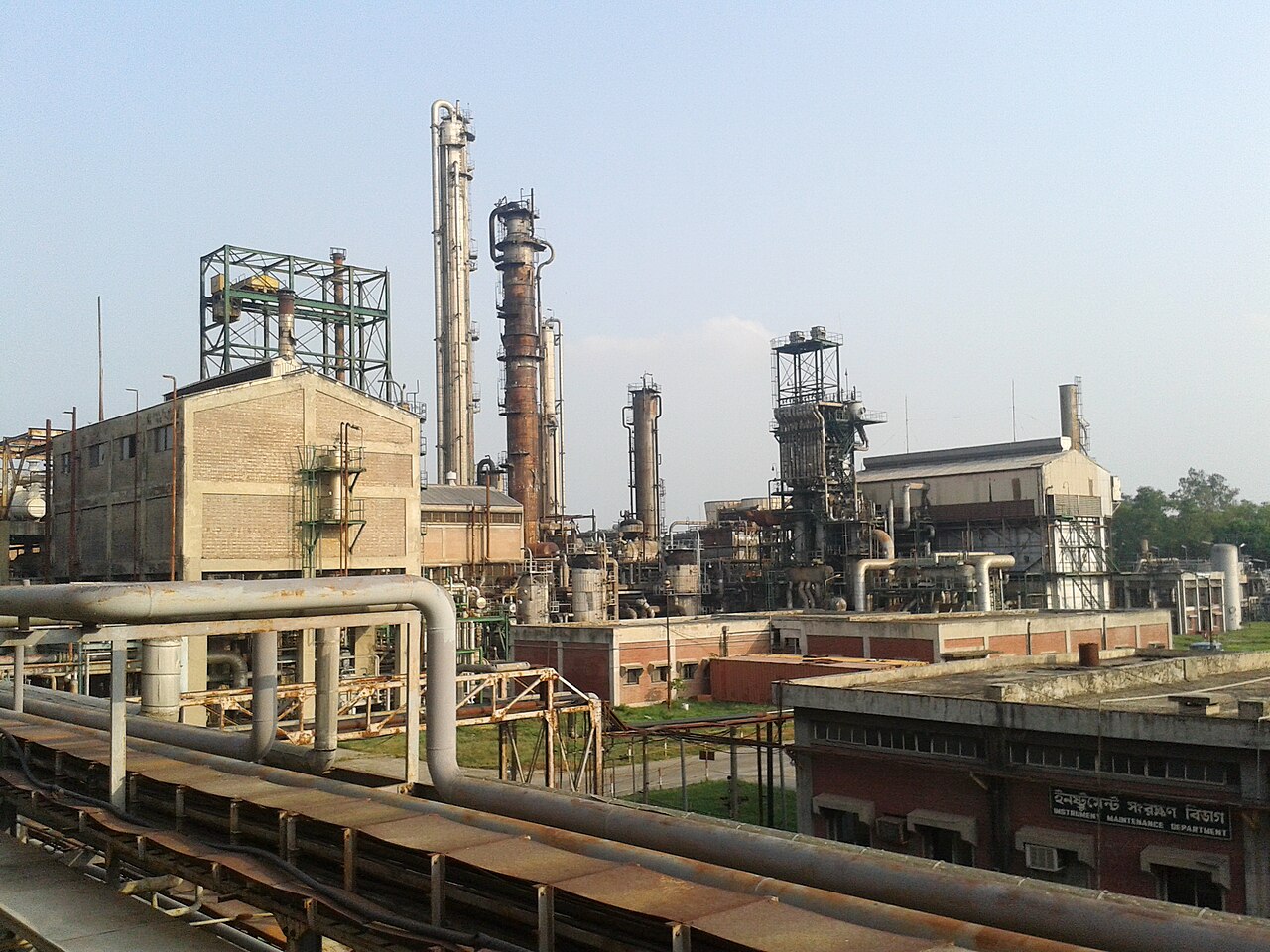
Two fertilizer plants in Pakistan have been shut down, an energy ministry official said on Tuesday, 21 July 2026, as renewed fighting between the United States and Iran raised fresh uncertainty over the country’s fuel and gas imports, Arab News reported.
“Two fertilizer plants have been shut down,” the official told the outlet on condition of anonymity, without specifying which facilities were involved. The official said the closures would help the government save a large amount of gas.
The head of a leading farmers’ association told Arab News that the plants that closed belonged to Agritech Limited and Fatima Fertilizer Company Limited. Agritech had notified the Pakistan Stock Exchange that Sui Northern Gas Pipelines Limited (SNGPL) suspended re-gasified liquefied natural gas (RLNG) supply to its urea plant from 18 July.
Industry reports published a day earlier said three urea plants had halted output after the government curtailed RLNG supplies: Agritech, Fatima Fertilizer and FFC Port Qasim. The shutdown was expected to last until around mid-August, depending on government directives and the restoration of gas supplies.
Why the gas is short
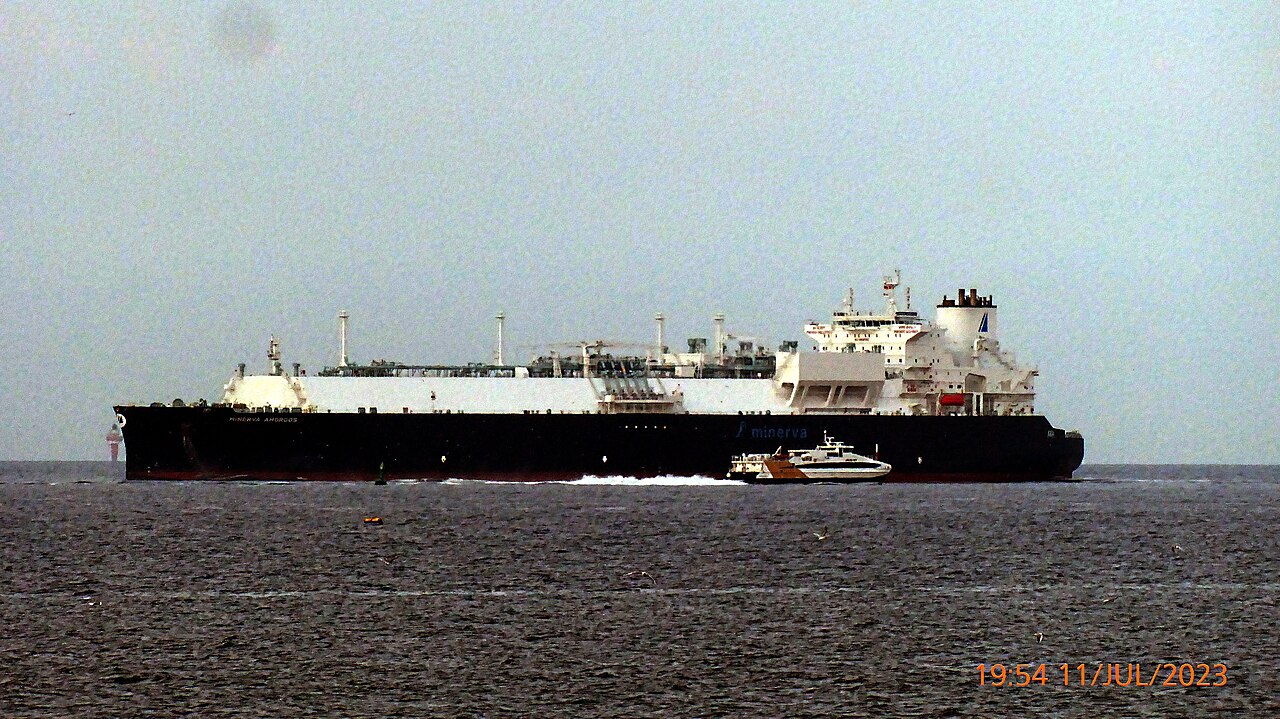
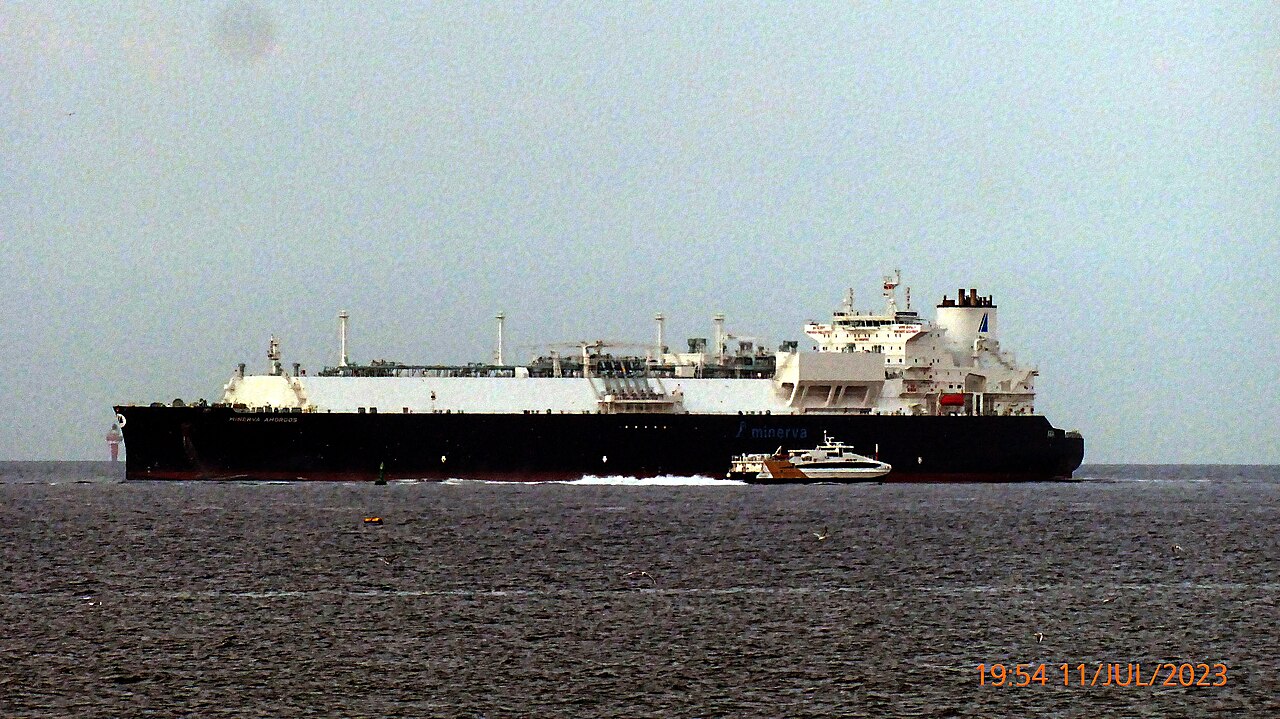
Pakistan imports a large share of its LNG from Qatar. Since the United States and Iran began exchanging missile and air strikes earlier in July, uncertainty has surrounded the Strait of Hormuz, a waterway that carried nearly 20 percent of the world’s oil and gas trade before the conflict. Pakistan has turned to costlier spot LNG cargoes from the international market to avoid shortages.
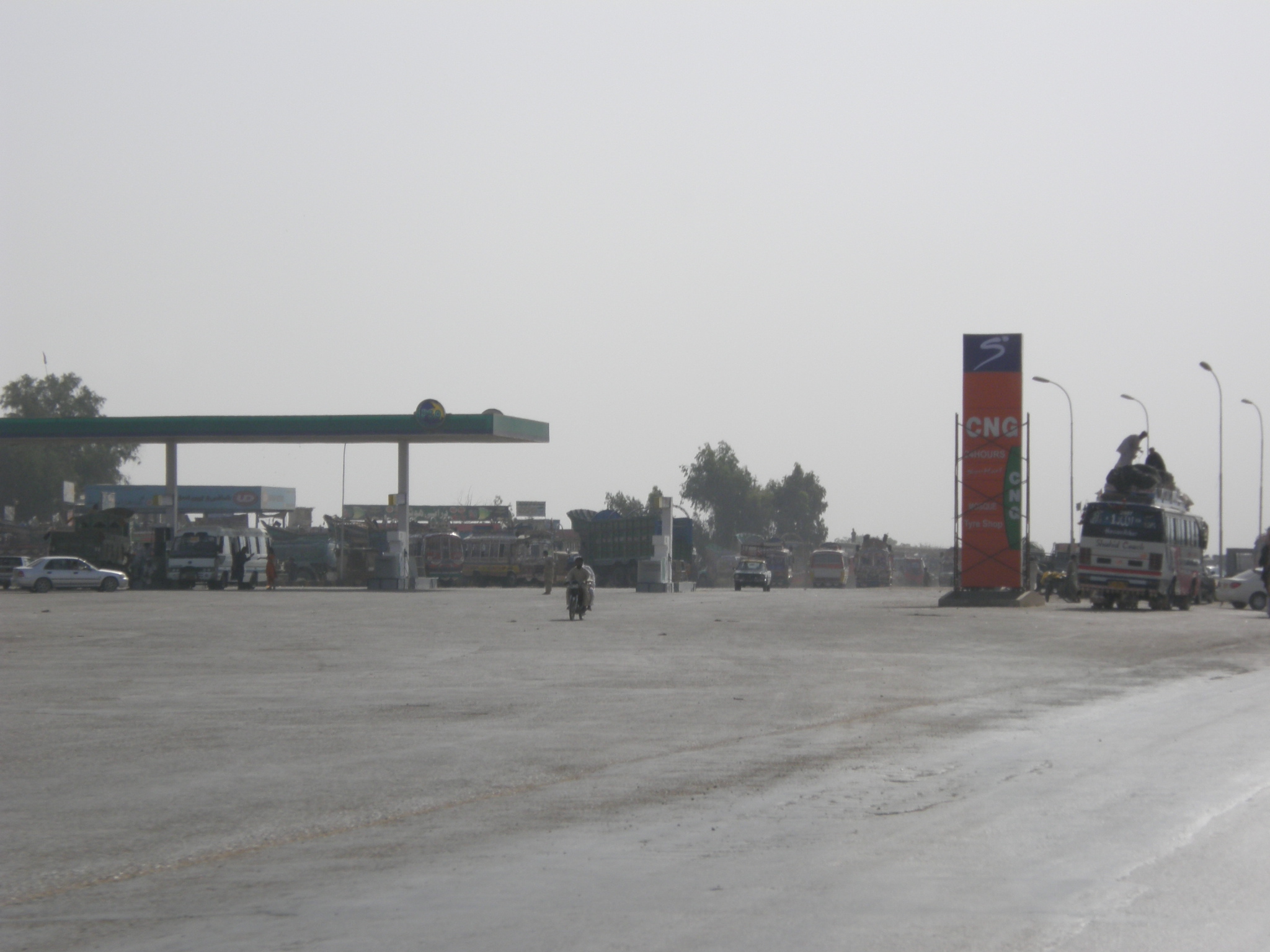
LNG is a major input in fertilizer manufacturing. According to the Economic Survey of Pakistan 2025-26, Pakistan has 10 urea plants with a combined capacity of 9.73 million product tons a year. The energy ministry official said these plants consume about 70 million standard cubic feet per day of gas, and that shutting two of the gas-based units would save about 68 percent of cargo equivalent.
Why it matters
Fertilizer is a critical farm input, accounting for about 15 percent of the cost of major crops and contributing 30 to 50 percent to crop yields, according to official figures. The president of the Pakistan Kissan Ittehad, Khalid Mehmood Khokhar, said the closures would have a “very negative” impact on agriculture, which contributes more than 23 percent of Pakistan’s gross domestic product and employs about 37 percent of its workforce.
Khokhar warned that the rice crop would be affected first, with the wheat crop hit in the October-to-December season, and that a 50-kilogram bag of urea then selling for about Rs4,500 could become more expensive. Analysts cited by the reporting warned that a prolonged gas crisis could tighten fertilizer supply and push up the prices of agricultural inputs.
What is still uncertain
The energy ministry official did not identify the two closed plants, and the exact shutdown timeline remained unclear. The figures on capacity, gas consumption and fertilizer use are as given by the sources cited, and the impact on the coming crop seasons will depend on how quickly RLNG supplies resume.
Sources & reporting notes
This is a summary of published reporting, not independent reporting. Details are as carried by the cited sources, which were reviewed on 21 July 2026.
- Arab News Pakistan — "Two Pakistani fertilizer plants close as US-Iran conflict threatens gas supply constraints"21 July 2026 · The ministry official's confirmation, the affected companies, the LNG context and the agriculture impact.
- Business Recorder — "Regional supply disruptions force Agritech to halt urea plant"20 July 2026 · Agritech's PSX notice and the suspension of SNGPL gas supply from 18 July.
- ProPakistani — "3 Fertilizer Plants Shut Down Due to LNG Shortage"20 July 2026 · The three affected urea plants and the expected shutdown period.