Reporting snapshot · 27 October 2026 (Asia/Karachi). The meeting produced no agreement on volumes, prices, contract terms or financing, and the government readout may be overtaken once either side puts the discussions on paper. The main limitation is that only the Pakistani side has published a record of the conversation; no US confirmation of any commitment has been reported.
What happened
On Monday, 26 October, Pakistan’s Minister for Petroleum Ali Pervaiz Malik met the United States Chargé d’Affaires in Islamabad, Natalie A. Baker, and pressed for American financing of a $5bn refinery upgradation programme and for interest in long-term LNG supply contracts, Dawn reported. Radio Pakistan, which carries the government readout of the meeting, said the two sides “exchanged views on Pakistan’s energy security and measures to ensure uninterrupted fuel supply in the backdrop of the situation in the Middle East”, and that teams from the two countries are “exploring new avenues for cooperation in energy sector”.
Baker is the United States’ head of mission in Islamabad. The embassy’s own leadership page records that Natalie A. Baker, a Minister Counselor in the Senior Foreign Service, “assumed the duties of Chargé d’Affaires at the U.S. Embassy Islamabad in January 2025” after arriving as Deputy Chief of Mission in August 2024, according to the embassy. No comment from the American side was recorded in the reporting.
Malik told Baker that the conflict in the Middle East had “created challenges for fuel availability” and that Pakistan needed “proactive measures to maintain uninterrupted supplies”, the official statement said. He said Pakistan’s refinery upgradation programme “could offer investment opportunities for US financial institutions”, and he invited American companies to the upcoming Pakistan Minerals Investment Forum.
For her part, Baker congratulated Pakistan on managing its fuel supply without a shortage despite the regional circumstances, and said Washington wanted “close cooperation to help meet Pakistan’s energy needs”. She emphasised the importance of creating opportunities for US companies in Pakistan and expressed optimism that long-term energy supply agreements would be mutually beneficial, the readout said. The Express Tribune carried the same account, and reported that the managing directors of Pakistan State Oil and Pakistan LNG Limited briefed the meeting on the interest American companies have shown in supplying LNG to Pakistan.
Why the refinery half is the larger prize
The programme Pakistan wants financed is the largest industrial investment it has attempted. Four of the country’s five local refineries signed upgradation agreements last month under the Brownfield Petroleum Refining Policy 2026, committing about $5bn over five years, with the fifth — Parco, the Pakistan–Abu Dhabi joint venture — expected to lift the total to $6bn, Dawn reported on 24 September. KhabarWire covered the agreements when they were signed.
The policy’s targets are concrete: total petrol production is to rise 72 per cent to 18,400 tonnes a day and high-speed diesel output 39 per cent to 29,520 tonnes a day, while furnace oil production falls 63 per cent to 5,714 tonnes a day. Industry estimates put the annual foreign-exchange saving from upgrading at around $1.5bn. Attock Refinery chief executive Adil Khattak called the programme “arguably the largest coordinated industrial investment programme ever undertaken in Pakistan”, and said the work would let Pakistan replace significant quantities of imported petroleum products.
Financing is the unresolved part. The refineries have committed to translate those pledges into money, engineering, procurement, construction and commissioning inside five years, and Dawn’s reporting on the signing noted that translation is the harder stage. Any American money arriving now would arrive at that stage rather than at a finished plant, which is a different proposition from lending to a state. Nothing said on 26 October indicated that any US financier has committed capital.
Why the gas half is the more urgent half
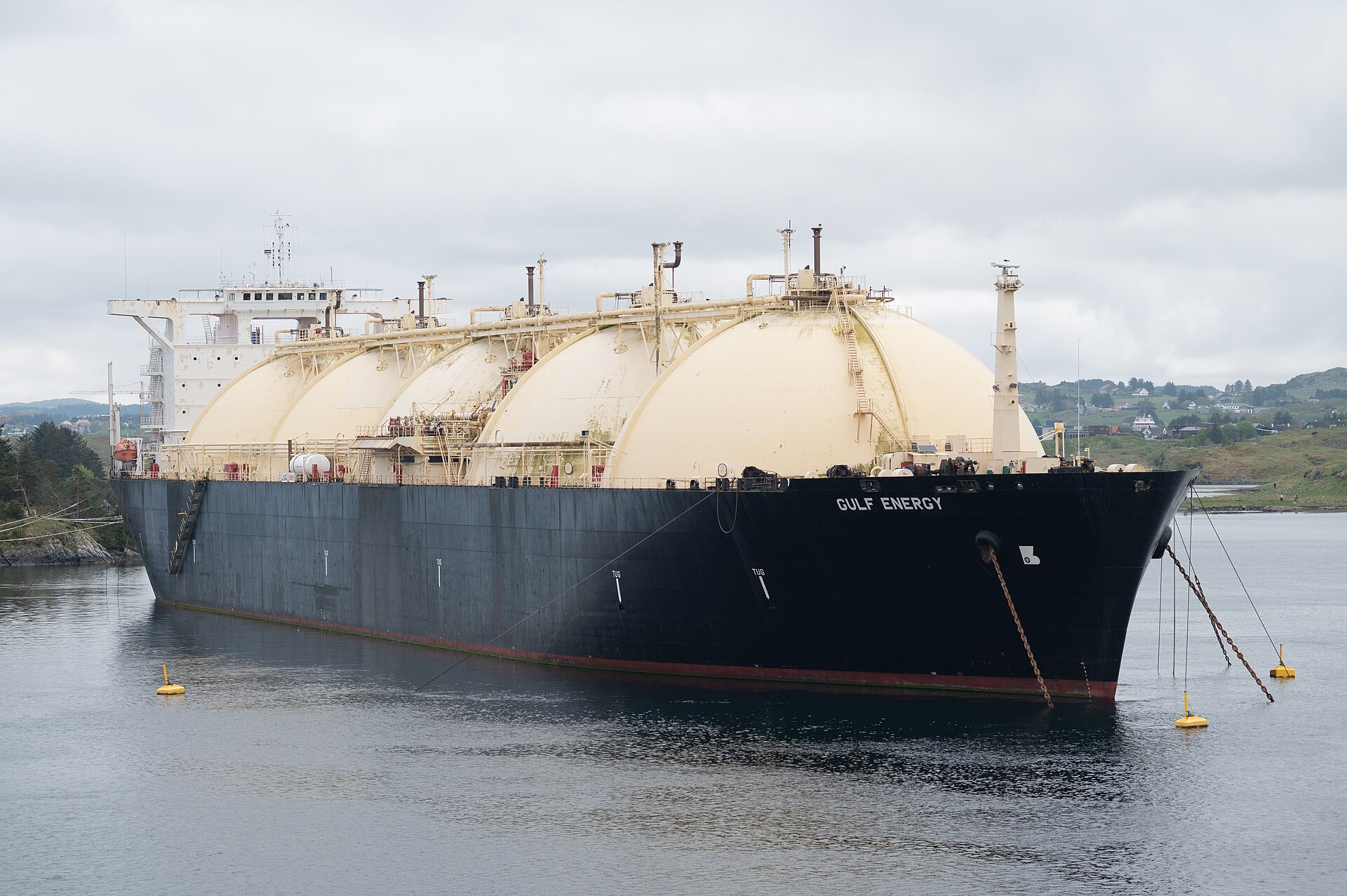
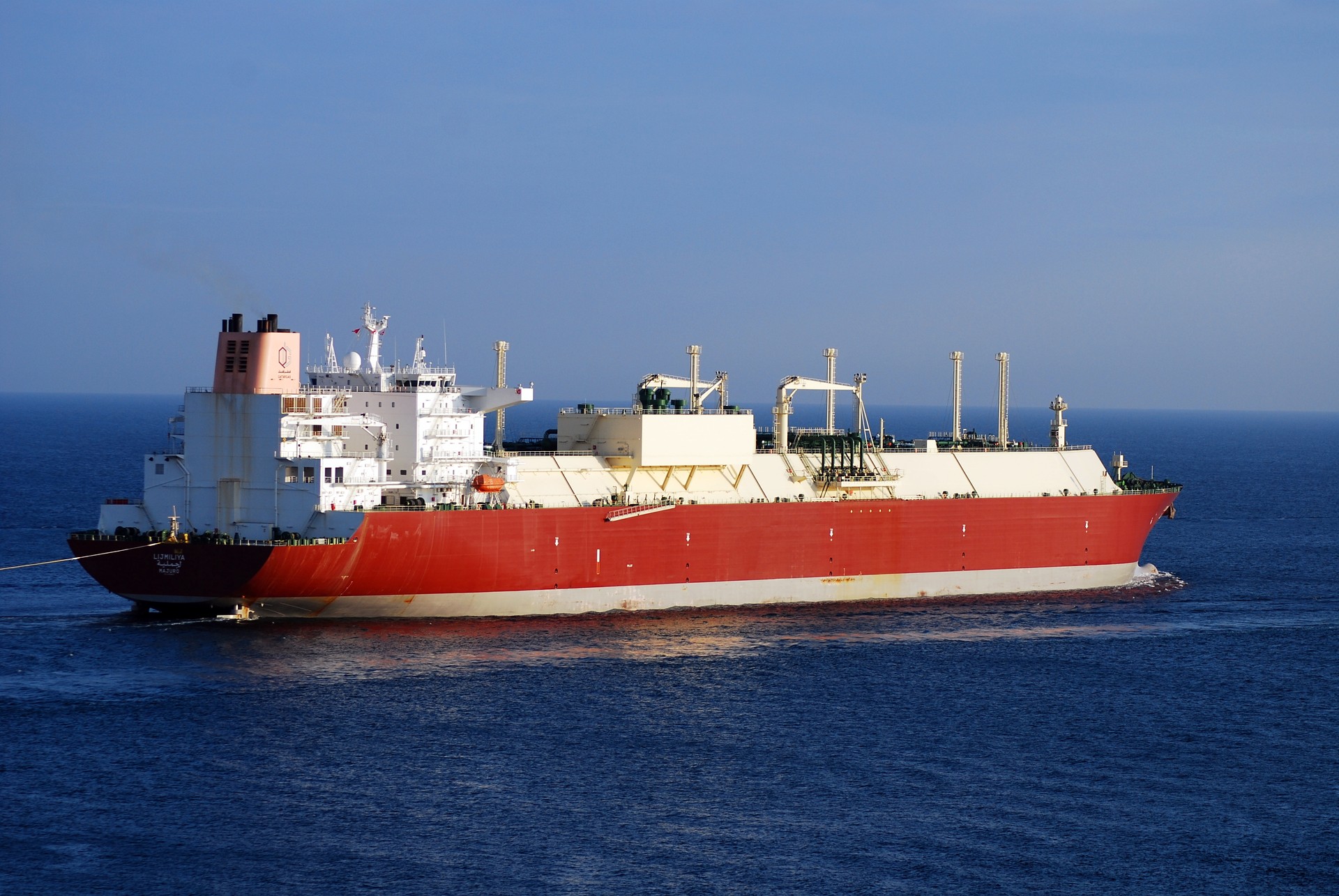
Gas is where the current disruption bites hardest. QatarEnergy declared force majeure in March after damage to its Ras Laffan facility, a step that affected contracted supplies to several customers including Pakistan, Geo News reported. Ministry of Energy sources told Geo News that LNG imported under Pakistan’s existing agreement with Qatar costs around $14 to $15 per million British thermal units, roughly half the $30 the international spot market can reach. Pakistan took its second cargo of the month after the first, the Al-Areesh, berthed at Engro’s terminal on 14 October and restored about 150 million cubic feet a day to the national grid.
That arithmetic is why a US contract matters even without a signed deal. Almost all of the contracted gas Pakistan has been relying on is Qatari, and a single damaged facility upstream can interrupt the flow regardless of how well the cargo schedule is managed. A second long-term supplier would spread that risk. KhabarWire has tracked the winter cargo position separately.
Pakistan is pursuing longer supply arrangements on the oil side too. It has been seeking a 15-year Saudi oil facility as an earlier deferred-payment arrangement ran down, which KhabarWire reported in October. The direction of travel is the same: longer contracts, more suppliers, less dependence on a single route.
What is still uncertain
Three things are open, and none of them can be settled from what was said in the room.
First, whether any American institution has actually looked at the refinery projects. The readout says only that Pakistan’s programme “could offer investment opportunities” for US financial institutions, and that the two state companies briefed the meeting on US LNG interest. Interest is not a term sheet, and no financier was named.
Second, whether a long-term LNG contract is genuinely on the table. Baker’s language was about agreements that would be mutually beneficial. No volume, price or duration was given, and no American energy company or trader was identified. A supply contract of the kind Pakistan LNG Limited operates would need a delivery schedule, a pricing formula and a nominated volume; none of that has been published.
Third, what happens next on either side. Pakistan’s minerals investment forum, to which Malik invited American companies, is the next scheduled occasion. Any real US financing of Pakistani refineries would most likely surface first as a commercial arrangement between a named bank and a named refinery company, and any long-term LNG supply would surface as a tender, a spot tender or a contract.
The honest position on 26 October is that Pakistan put a $5bn infrastructure programme and its gas import book in front of a country that has both the capital and the LNG to sell, and the United States responded with encouragement and no numbers. Until a volume, a price or a term appears, the meeting is an opening rather than a deal.