What happened
Brent crude surpassed US$100 a barrel on 8 March 2026 for the first time in four years, after Israeli and US warplanes struck four oil storage facilities and an oil-production transfer centre in Tehran and Alborz province on day nine of the joint US-Israeli war against Iran. The Fars news agency reported at least four tanker drivers killed and large fires at the Aghdasieh, Tehran refinery, Shahran and Karaj oil depots. Israel said its warplanes had hit facilities used “to operate military infrastructure”; Iran called the strikes an “attack from the US and the Zionist regime”.
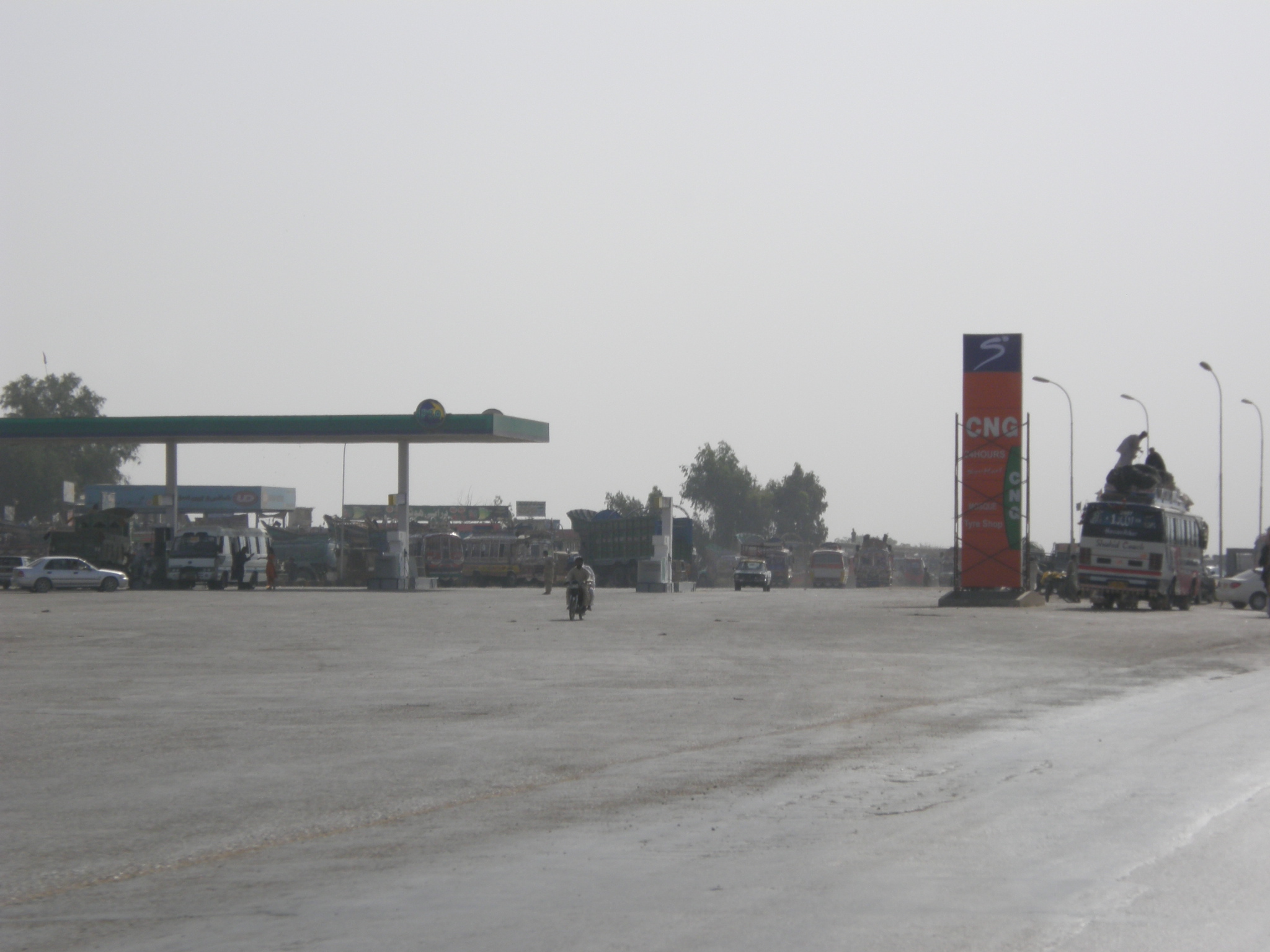
Pakistan felt the shock immediately. Dawn reported LNG cargo arrivals from Qatar had already fallen by around 75% since the war began, forcing Sui Southern Gas to extend Ramazan shutdowns to households and cut commercial and industrial supply. Deputy PM Ishaq Dar, Finance Minister Muhammad Aurangzeb and Petroleum Minister Ali Pervaiz Malik announced an unprecedented Rs55 per litre increase in petrol and high-speed diesel, taking ex-depot petrol to Rs321.17 and diesel to Rs335.86 a litre from 12am Saturday, with domestic fuel prices to be reviewed weekly.
Why it matters
The price move crystallises two shocks for Pakistan’s economy. Supply: with Strait of Hormuz traffic disrupted by Iranian retaliatory strikes on Gulf states, Qatar has excused itself from previously agreed LNG volumes, and two PNSC vessels have been dispatched to Yanbu and Fujairah to secure alternative crude from Saudi Aramco. Macro: February trade figures show exports down 8.7% year-on-year to $2.57bn, with the July-February FY26 trade deficit widening to $25.04bn from $20.04bn. With IMF MD Georgieva warning of “obvious potential to affect global energy prices, market sentiment, growth and inflation”, the price ceiling above $100 is likely to keep import-cover ratios under pressure.
Aurangzeb framed the Rs55 hike as a deliberate effort to pass “the minimum effect” of the war to consumers. Dar said PM Shehbaz Sharif had been “careful” for two to three weeks and that a permanent inter-ministerial committee, led by Petroleum Minister Malik, would meet the four chief ministers within two days to coordinate demand-management, including reintroduced Covid-era car-pooling, work-from-home and online-classes protocols.
What is still uncertain
Three questions remain open. First, price shock duration: Qatar’s energy minister has warned the war could “bring down the economies of the world” and stop all Gulf energy exports within days, but Iran’s President Pezeshkian has said strikes on its Gulf neighbours would be suspended unless attacks originate from their territory — leaving supply dependent on a ceasefire not yet agreed. Second, fiscal exposure: Malik said the hike is provisional and would be “revised down swiftly” once global prices settle, but no anchor has been published, and the weekly review cycle means consumers will absorb the next move within seven days. Third, inflation pass-through: the State Bank has not signalled whether the next review will tilt towards tightening or holding through Q2 2026, and the IMF’s latest $1.4bn tranche remains tied to structural benchmarks Pakistan agreed in late 2025.
Sources & reporting notes
This is a synthesis of published material, not eyewitness reporting. Sources were reviewed on 8 March 2026.
- Dawn (Business and Finance Weekly) — "In the eye of a perfect storm"Published 9 Mar 2026 · Pakistan-focused analysis of the LNG supply disruption from Qatar, the 75% drop in cargo arrivals, the Rs55/litre petrol and diesel hike, Covid-era fuel-saving protocols, the IMF warning, the February trade figures, and GCC-driven remittance exposure.
- Al Jazeera English — "Iran oil facilities hit for first time as war with US-Israel enters day 9"Published 8 Mar 2026 · Joint Israeli and US strikes on four Tehran-area oil depots; Fars-reported death toll of at least four tanker drivers; Iran's "attack from the US and the Zionist regime" framing; Israel saying the facilities were used "to operate military infrastructure"; broader casualty tally of more than 1,300 in Iran.