Reporting snapshot · 22 October 2026. The cargo's arrival and berth are confirmed, but the government has not published the shipment's volume, a full winter supply plan or a named statement on the delivery. Figures on winter needs and prices are attributed to the outlets that reported them and may change as more cargoes are scheduled.
What happened
Pakistan received its second liquefied natural gas cargo from Qatar this month, with gas from the shipment already being injected into the national system, Geo News reported on 22 October, citing Ministry of Energy sources.
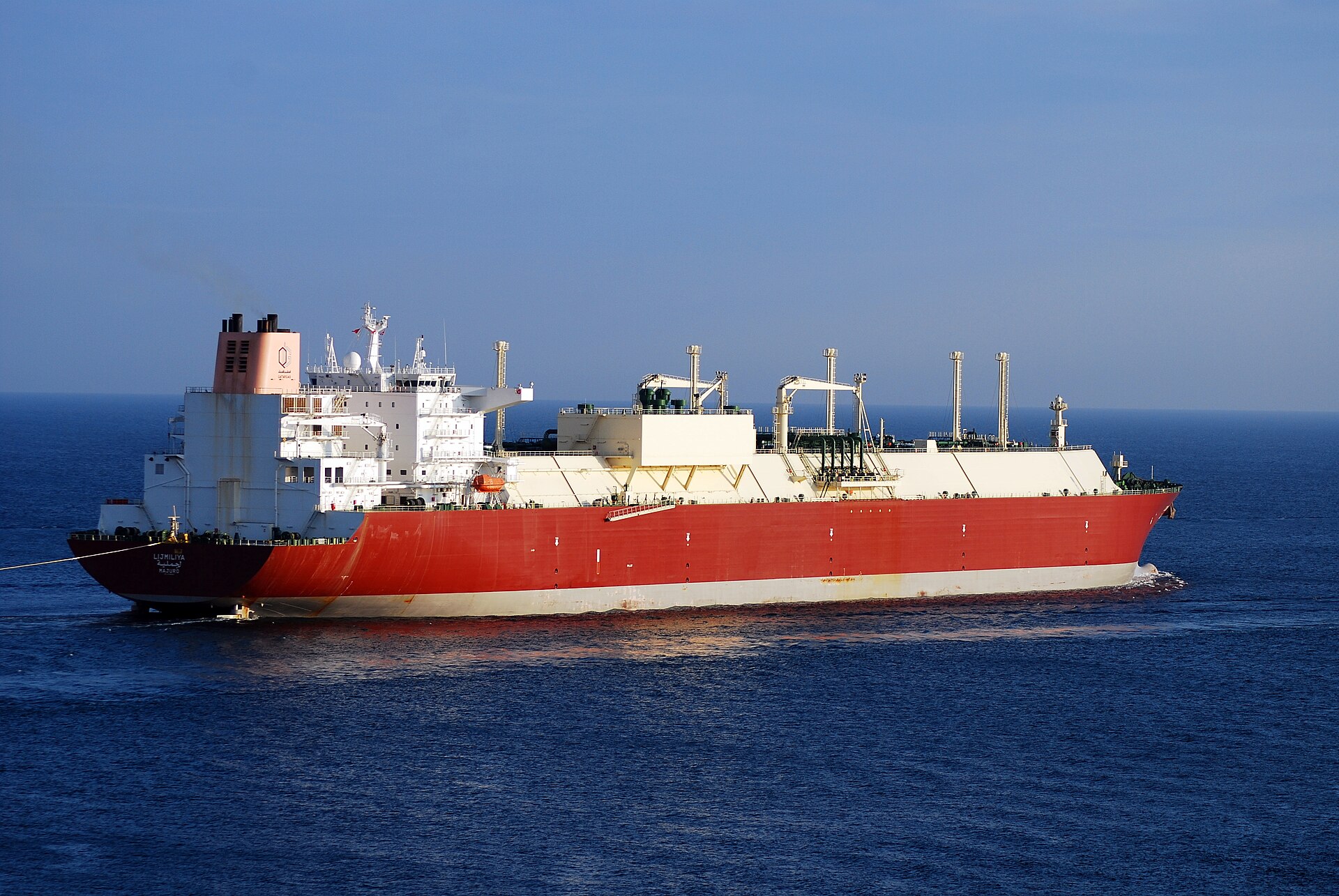
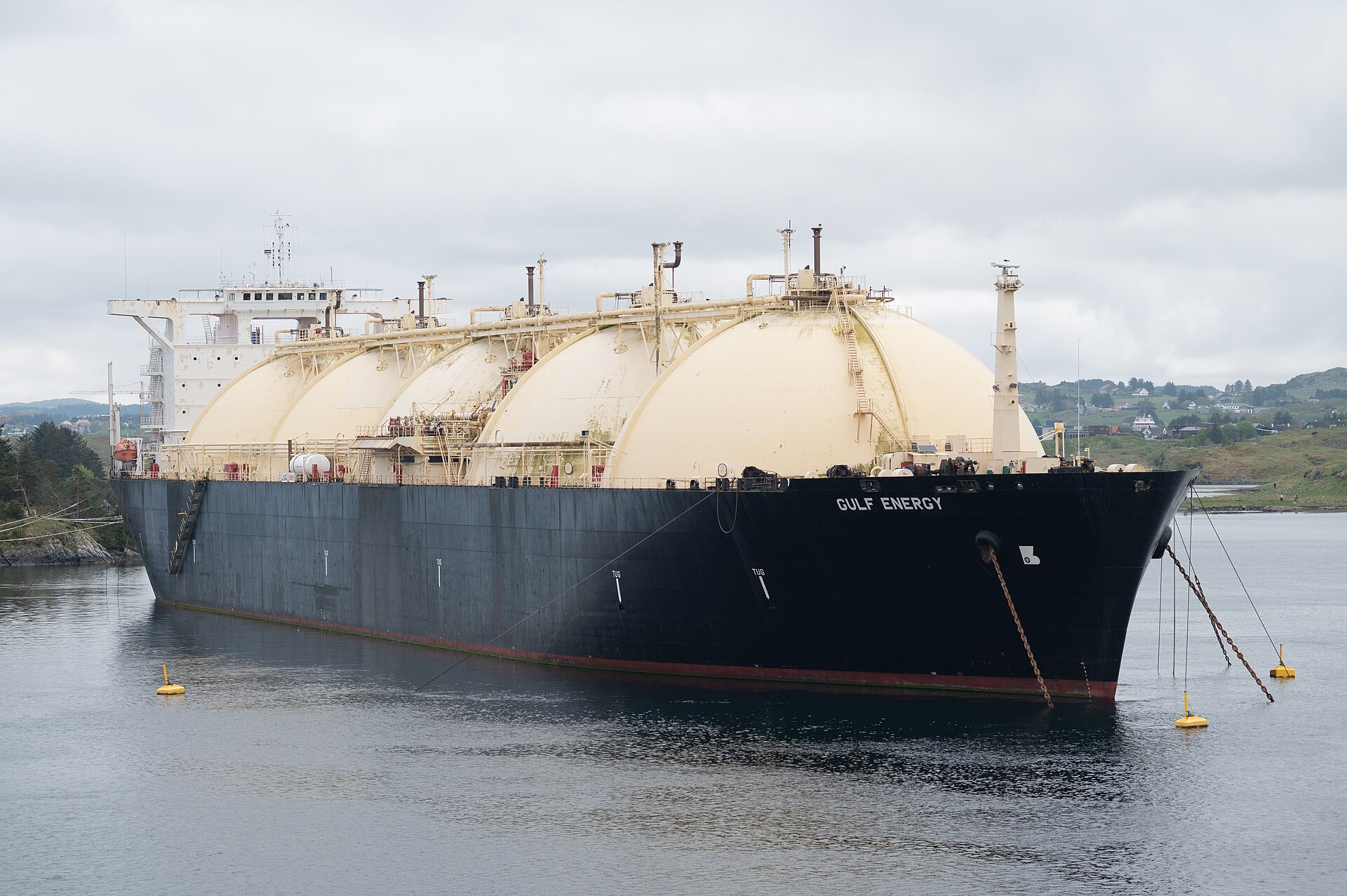
The vessel, Ejnan, berthed at the Pakistan GasPort Limited terminal, according to Profit, which reported that the delivery allowed the terminal to resume operations after it had been inactive since 9 October because of insufficient LNG stocks. The Port Qasim Authority’s daily shipping programme, last updated on 21 October, listed M.T. Ejnan berthing at the PGPCL terminal at 16:00.
The shipment follows the first October cargo, which arrived aboard Al-Areesh earlier in the month. Geo News reported that the first delivery restored about 150 million cubic feet per day of gas to the national network. Reports differed on the exact date and terminal for that first cargo: Geo News said it berthed at Engro’s LNG terminal on 14 October, while Profit said it arrived on 13 October. The second cargo’s berth at PGPCL is recorded in the port’s shipping programme.
Why the second cargo matters
The delivery gives the gas system a short breathing space, but it does not resolve the wider winter supply problem. Profit reported that Pakistan is estimated to need 24 LNG cargoes during the 2026-27 winter. Two cargoes have arrived so far in October.
The pressure is coming from both sides of the market. Profit reported that indigenous gas availability on the Sui Northern Gas Pipelines Limited network is declining while demand from power producers and industrial consumers continues to rise. LNG is regasified and fed into the same network as RLNG, so each cargo affects both electricity generation and industrial supply.
The stakes were visible earlier this year. In September, the federal ministers for power and petroleum apologised for night-time load shedding after the loss of contracted Qatari LNG left about 5,000 megawatts of generation unable to operate, as reported in KhabarWire’s account of that statement. That disruption followed an RLNG shortage that cut about 3,600 megawatts of generation and forced additional night-time load management.
A second cargo in October therefore matters less as a one-off delivery than as a test of whether the import chain can keep terminals and power plants supplied through the winter. PGPCL’s return to service restores an outlet for imported gas, but the system still depends on the pace of the next deliveries.
The cost trade-off
The government is trying to meet that demand without buying large volumes on the spot market, where prices remain far above its contracted Qatari supply.
Geo News reported that LNG under Pakistan’s existing Qatari agreement costs around $14 to $15 per million British thermal units, while spot-market prices can reach $30 per MMBtu. The report said the government was making every effort to avoid higher-priced spot purchases and was relying on contracted Qatari cargoes instead.
That preference is not only about availability. Earlier in the year, the power and petroleum ministers said a single LNG cargo that normally cost around $30 million to $35 million had risen to about $75 million in the spot market, and warned that passing on the cost would raise electricity bills by Rs5 to Rs6 per unit.
The regional backdrop remains unsettled. QatarEnergy declared force majeure in March after damage to its Ras Laffan facility during the regional conflict, affecting contracted supplies to several customers, including Pakistan, Geo News reported. The disruption has coincided with renewed diplomatic pressure over the Strait of Hormuz, the route through which Qatari cargoes reach Pakistan.
What is still uncertain
The government has not published the volume of the latest cargo, the terminal’s throughput or a full winter supply plan. It also has not issued a named statement confirming the price Pakistan paid for the shipment.
It is not yet clear how many further Qatari cargoes will arrive before winter demand peaks, or whether QatarEnergy’s force majeure arrangements will continue to constrain deliveries. Profit’s estimate of 24 cargoes for the winter is a planning figure reported by the outlet, not a published government schedule.
The difference between the two accounts of the first October cargo’s date and terminal also shows how quickly operational details can vary in initial reporting. Those discrepancies do not change the central fact that Pakistan has received two Qatari cargoes this month, but they are a reminder that terminal-level data is still being assembled from port records and official sources rather than a single published shipment log.
The next test will be whether PGPCL stays active and whether additional cargoes are scheduled early enough to avoid another round of load management when winter demand rises.