Environment tracker
Lahore Smog & Air Quality
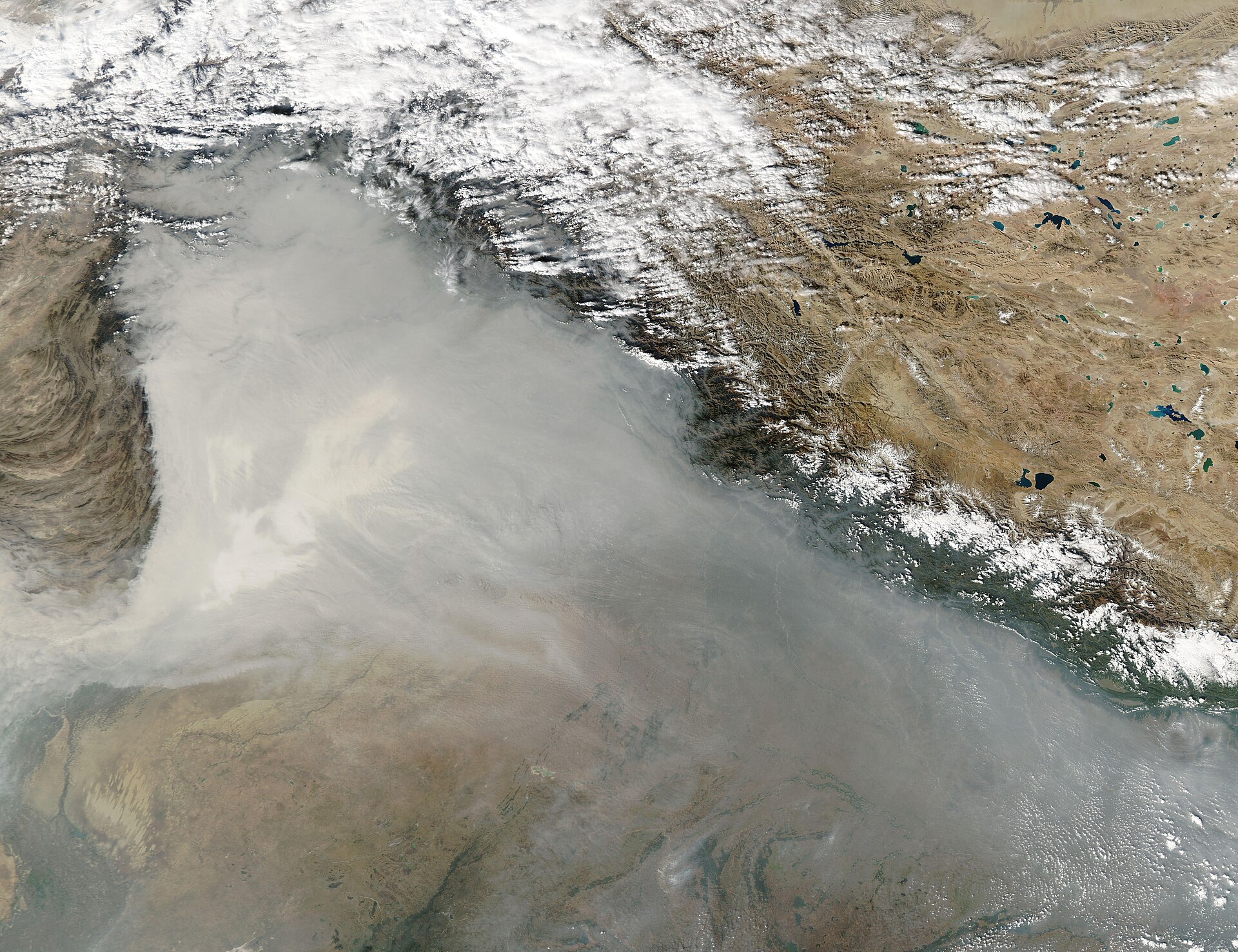
Lahore and the wider Punjab airshed face hazardous smog every autumn and winter, when crop-residue burning, vehicle and industrial emissions, brick kilns and construction dust combine with weak winds and atmospheric inversions. This hub follows the readings, the pollution sources and the provincial and federal responses, from emergency enforcement to clean-air policy and monitoring.
Latest development
2 November 2026Lahore's AQI hits 535 as Punjab smog turns hazardous and crop fires surge
Lahore recorded an AQI of 535 and PM2.5 of 343 micrograms per cubic metre on 2 November, as Gujranwala hit 606 and satellite data showed a surge in Punjab crop fires.
Read the storyThe reporting trail
Newest first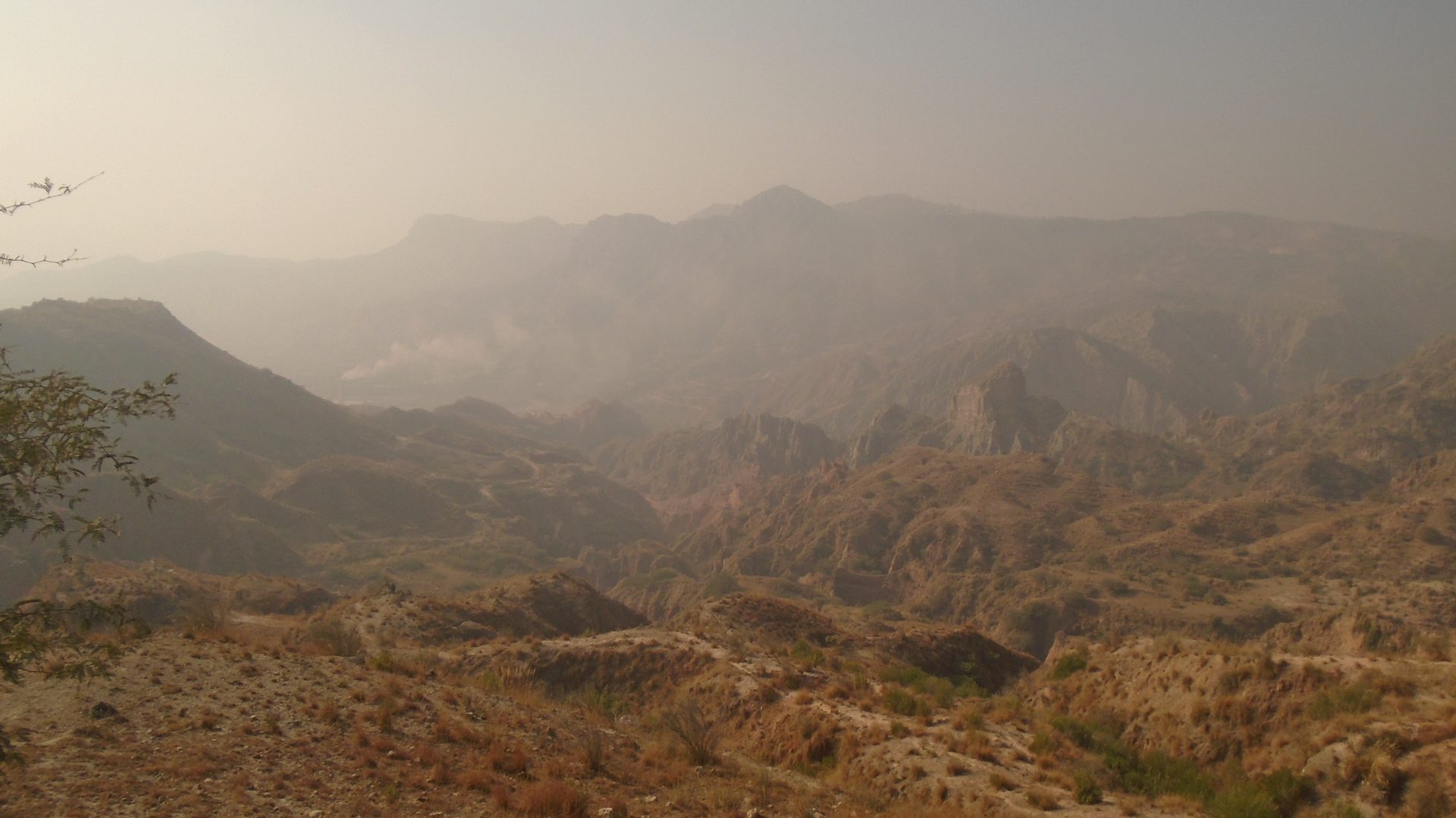 Pakistan / Politics & Governance
Pakistan announces $10m clean-air startup fund as Lahore tops global pollution list
The federal government announced a $10 million fund for clean-air startups on 28 October 2026, hours after Lahore was ranked the world's most polluted major city.
 Pakistan / Politics & Governance
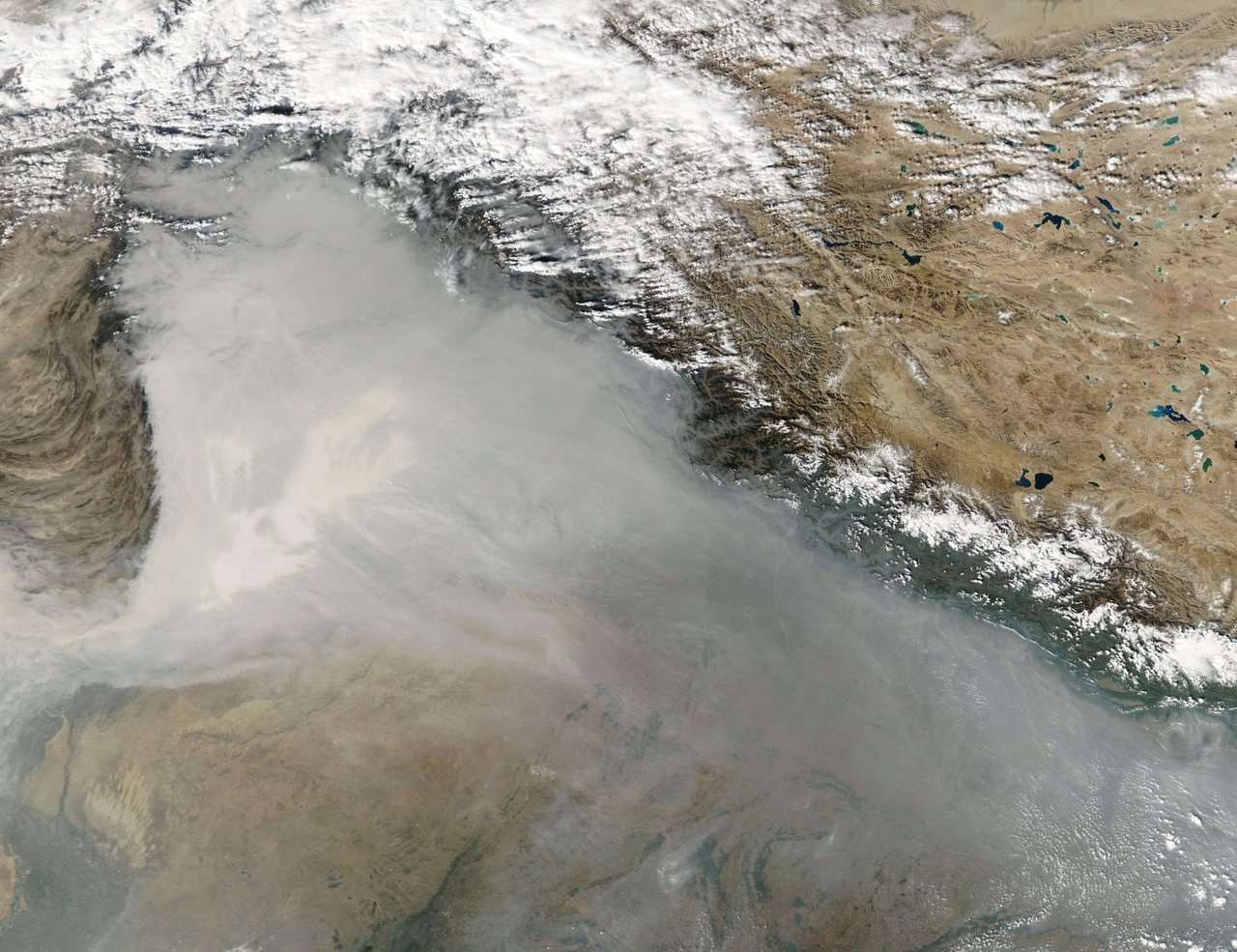
Lahore air quality stays 'unhealthy' as AQI averages 185-215
Lahore and several Punjab districts continued to record unhealthy air on 8 February 2026, with the city's AQI averaging between 185 and 215, monitors said.