Reporting snapshot · 2 November 2026 (Asia/Karachi). The air quality index is a live measure and moved through the morning, with different hourly updates placing Lahore between 509 and 535 and Gujranwala between 606 and 675. The readings are monitor-based estimates, not a source-by-source account of the pollution, and the provincial enforcement figures have not been independently audited.
What happened
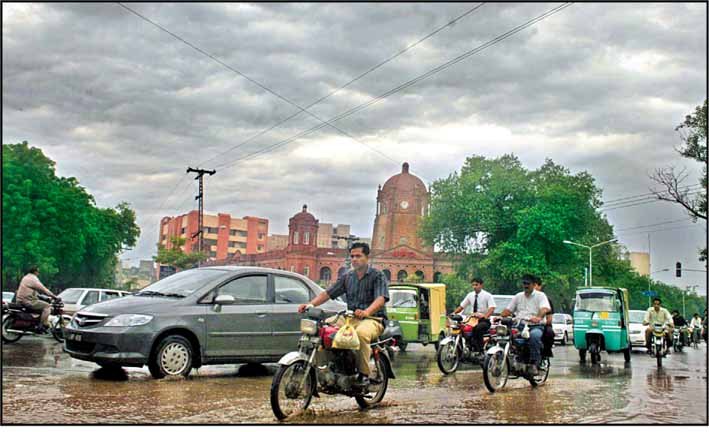
Lahore’s Air Quality Index reached 535 at 8am on Monday, 2 November 2026, with fine particulate matter measured at 343 micrograms per cubic metre, Dawn reported. The reading placed the provincial capital in the “hazardous” band of the US AQI scale and was among the sharpest pollution spikes of the 2026 smog season.
The Express Tribune reported that the Punjab Environmental Protection Department confirmed the figure. The department’s readings and IQAir’s live ranking showed the worst pollution spreading across the wider Punjab airshed rather than staying inside Lahore.
Gujranwala recorded an AQI of 606 in the same morning snapshot, later rising to 675 in a separate hourly update, while Faisalabad and Multan recorded 310 each and Sialkot 260, according to Dawn. Peshawar recorded 216. Lahore topped IQAir’s ranking of major cities in an early-morning snapshot, although the order and the readings changed during the day, The Express Tribune reported.
Why it matters
The health burden falls hardest on people who cannot stay indoors. PM2.5 particles are small enough to penetrate deep into the lungs and enter the bloodstream, raising the risk of respiratory and cardiovascular illness, Dawn reported. Children, older people, outdoor workers and people with existing lung or heart conditions face the greatest exposure, and the Tribune noted that the pollution also disrupts school attendance, public transport, commuting and outdoor work.
The scale of the reading matters because it is not an isolated monitor. Five Punjab cities featured among the country’s six most polluted urban centres in IQAir’s Monday morning ranking, with Gujranwala, Lahore, Faisalabad, Multan and Sialkot ahead of Peshawar, Dawn reported. That pattern points to a regional pollution belt spanning agricultural districts, industrial clusters and dense urban traffic corridors.
For readers trying to place the number, Pakistan’s national clean-air policy sets a 24-hour PM2.5 limit of 75 micrograms per cubic metre, as KhabarWire reported when the federal government announced a clean-air startup fund in October. Monday’s 343 micrograms per cubic metre was more than four times that limit. The comparison is a measure of exposure, not a medical diagnosis, and individual risk varies with age, health and time spent outdoors.
A cleaner October, a dirtier November
The spike complicates the provincial government’s account of recent progress. Punjab Senior Minister Marriyum Aurangzeb shared data with Dawn showing that Lahore’s average US AQI stood at 180.5 in October 2026, compared with 204.6 in 2025 and 213 in 2024. Her figures showed that October 2026 was the only year among the five compared in which the city did not record a reading above 300, with the highest at 262 on 31 October, Dawn reported.
A separate assessment by the Pakistan Air Quality Initiative (PAQI) found that average PM2.5 concentrations across 26 monitoring sites in Lahore fell by 27 per cent in October compared with the same month last year. After accounting for weather, however, PAQI estimated that the improvement attributable to factors other than weather was only about four per cent, according to Dawn. It attributed much of the decline to a deeper nighttime atmospheric mixing layer that allowed pollutants to disperse, and it found that PM2.5 remained above Pakistan’s prescribed daily limit on every day of October.
That distinction matters for how the November episode is read. If much of October’s improvement came from favourable weather, then the first week of November is a test of whether enforcement and emission controls can hold when the atmosphere stops helping. PAQI’s forecast, issued on 1 November, projected PM2.5 concentrations rising to 149 micrograms per cubic metre by Wednesday, 4 November, about 49 per cent above October’s average, Dawn reported.
What is driving the spike
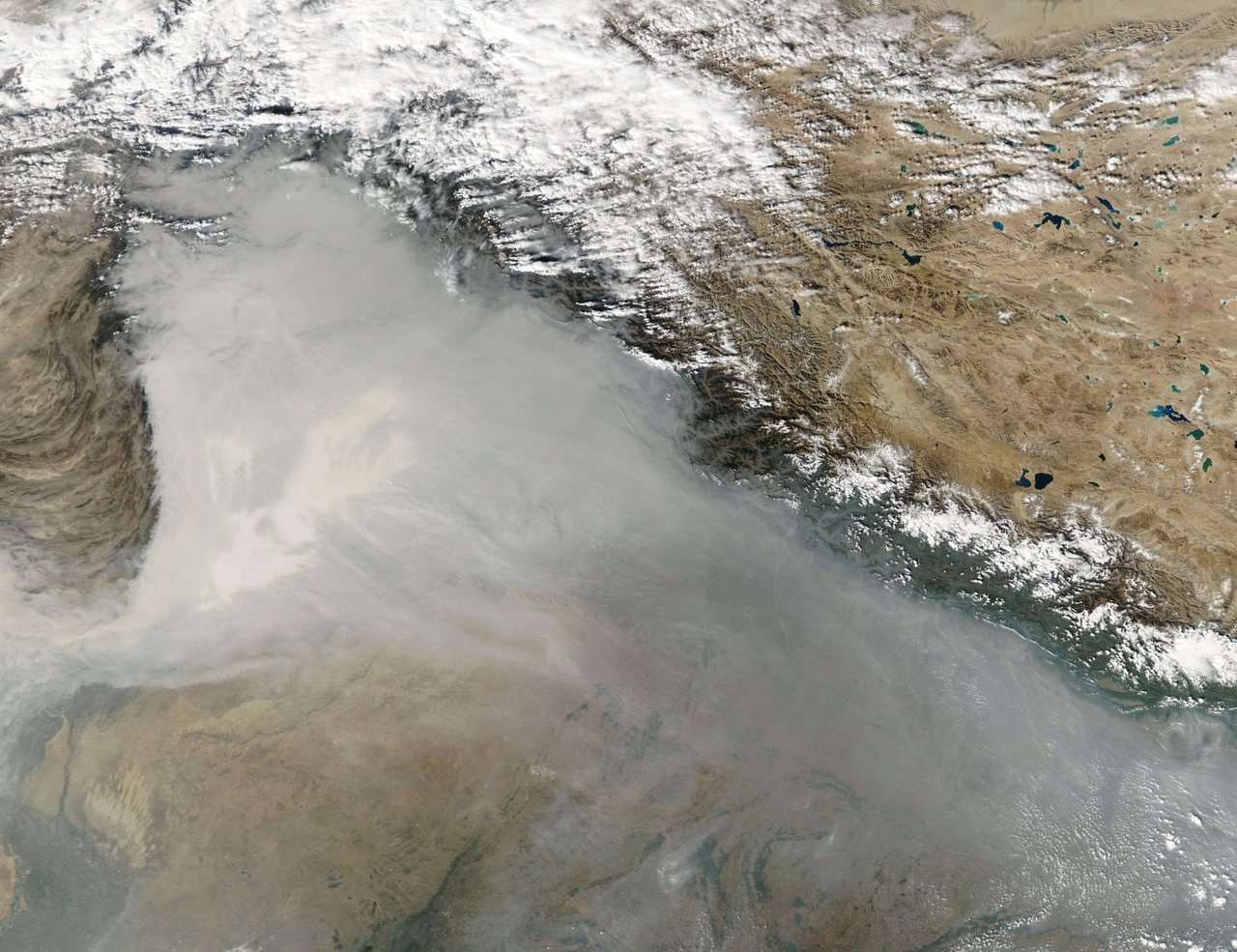
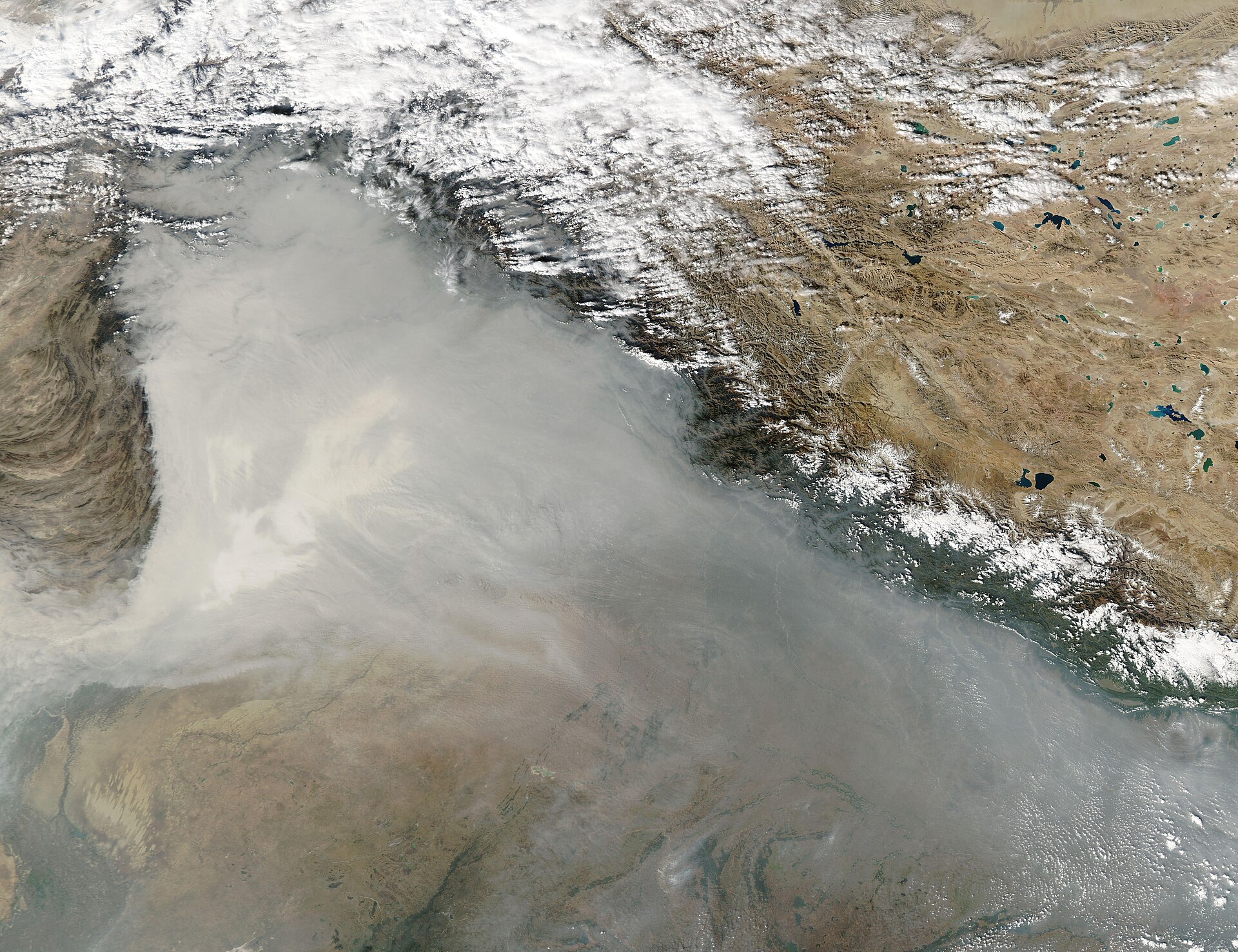
Satellite data point to a large agricultural contribution. An analysis published by the environmental monitoring website HamariHawa found that NASA satellites detected 13,241 fire spots in Pakistani Punjab between 1 and 29 October, compared with 3,158 in Indian Punjab, Dawn reported. About 92 per cent of the detected fires in Pakistani Punjab were on farmland and were likely linked to crop-residue burning.
The geographic spread is wide. Okara recorded the highest number of fire spots at 2,144, followed by Gujranwala with 1,011 and Nankana Sahib with 1,003, according to the analysis cited by Dawn. Of the monthly total, 6,655 fire spots, about half, were detected in the last seven days of October, with 29 October alone recording 1,327. Smoke from those fires adds to emissions from vehicles, industry, brick kilns and construction, and weak winds and atmospheric inversions can trap the mixture close to the ground.
The provincial response has combined enforcement with emergency measures. The Express Tribune reported that a drone-based system for monitoring smoke emissions had proved unsuccessful, and that the government planned to close brick kilns across Punjab from 15 November to 15 December. The same report said authorities had impounded 49 smoke-emitting vehicles, imposed fines of Rs600,000 and sealed 21 brick kilns and five stone-crushing plants, while acknowledging that challans and fines had not controlled the problem.
Environment Protection Department spokesperson Sajid Bashir told the Tribune that the department’s efforts had improved air quality compared with October last year, while saying the authorities were still working to tackle pollution. The gap between that assessment and Monday’s readings is the central question for the province: whether the improvement was structural or largely weather-driven.
What is still uncertain
The AQI is a live index, so the 535 reading was a snapshot at 8am and both the number and the city’s global ranking changed during the day. IQAir’s ranking is also a comparison of monitored cities, not a measure of total exposure across a province where monitoring coverage varies.
The source apportionment remains uncertain. Satellite fire detections establish where fires were seen, not how much smoke from any individual fire reached a particular monitor, and the PAQI analysis could not separate the contributions of government measures, changes in burning and other sources. The provincial enforcement figures describe activity, not measured emission reductions.
What happens next depends heavily on weather and on whether the brick-kiln closure and other measures are enforced beyond Lahore’s municipal boundary. The October data suggest that cleaner air is possible when the atmosphere disperses pollution; they do not yet show that Punjab can keep pollution below hazardous levels when it does not.