Reporting snapshot · 29 October 2026 (Asia/Karachi). The fund was announced on Wednesday, 28 October, and its board was expected to approve it on 29 October, so the final size, governance and disbursement rules are not settled; the air quality ranking is a live index that moves through the day. The main limitation is that the fund's terms and the working behind the economic estimate the minister quoted have not been published, so the announcement is known mainly through what the minister said.
What the government announced
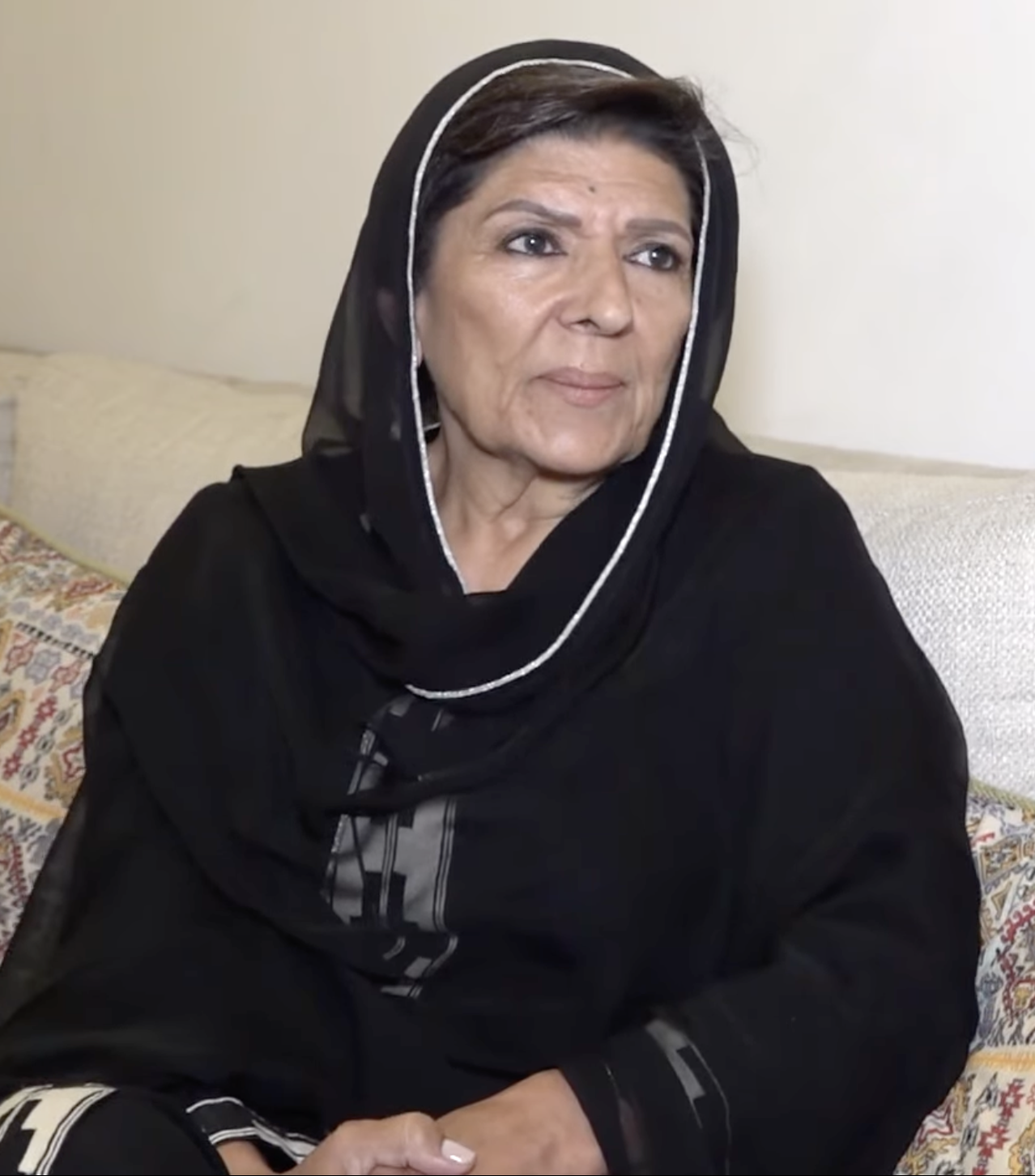
On Wednesday, 28 October 2026, Federal Minister for Climate Change Dr Musadik Malik announced a planned $10 million fund to support startups developing solutions to Pakistan’s air quality crisis, speaking at the Pakistan National Clean Air Conference 2026 in Islamabad. The News International reported that the government would finance the initiative from its own limited resources while seeking support from development partners, and Pakistan Today reported that approval by the fund’s board was expected the following day.
Malik built the announcement around who pays for dirty air. He estimated that poor air quality costs Pakistan 6.5 per cent of gross domestic product, a burden that shows up as illness, hospitalisation and financial pressure on families, The News International reported. Referring to a UNICEF report, he said dirty air was damaging children’s lung health and physical growth, and he described chronic obstructive pulmonary disease patients who depend on oxygen and medication. He said poor communities, schoolchildren, street vendors, farmers and other outdoor workers carry a heavier share of the damage than households able to afford purifiers: “Some will adapt, some will install purifiers.”
The minister called air pollution a policy challenge rather than an unavoidable natural disaster, with industrial activity and other human interventions playing a major role in creating it. He used China’s experience, where Beijing and Shanghai have made progress on air quality while the country became a major exporter of solar technology, as an argument that Pakistan can follow the same path with sound policy, innovation and cooperation with development partners. He acknowledged the work of the World Bank, Asian Development Bank, UNICEF and the German development agency GIZ, and said addressing the crisis required “engineering solutions, sound policymaking and financial commitments rather than slogans”.
What Lahore’s air was doing on 28 October
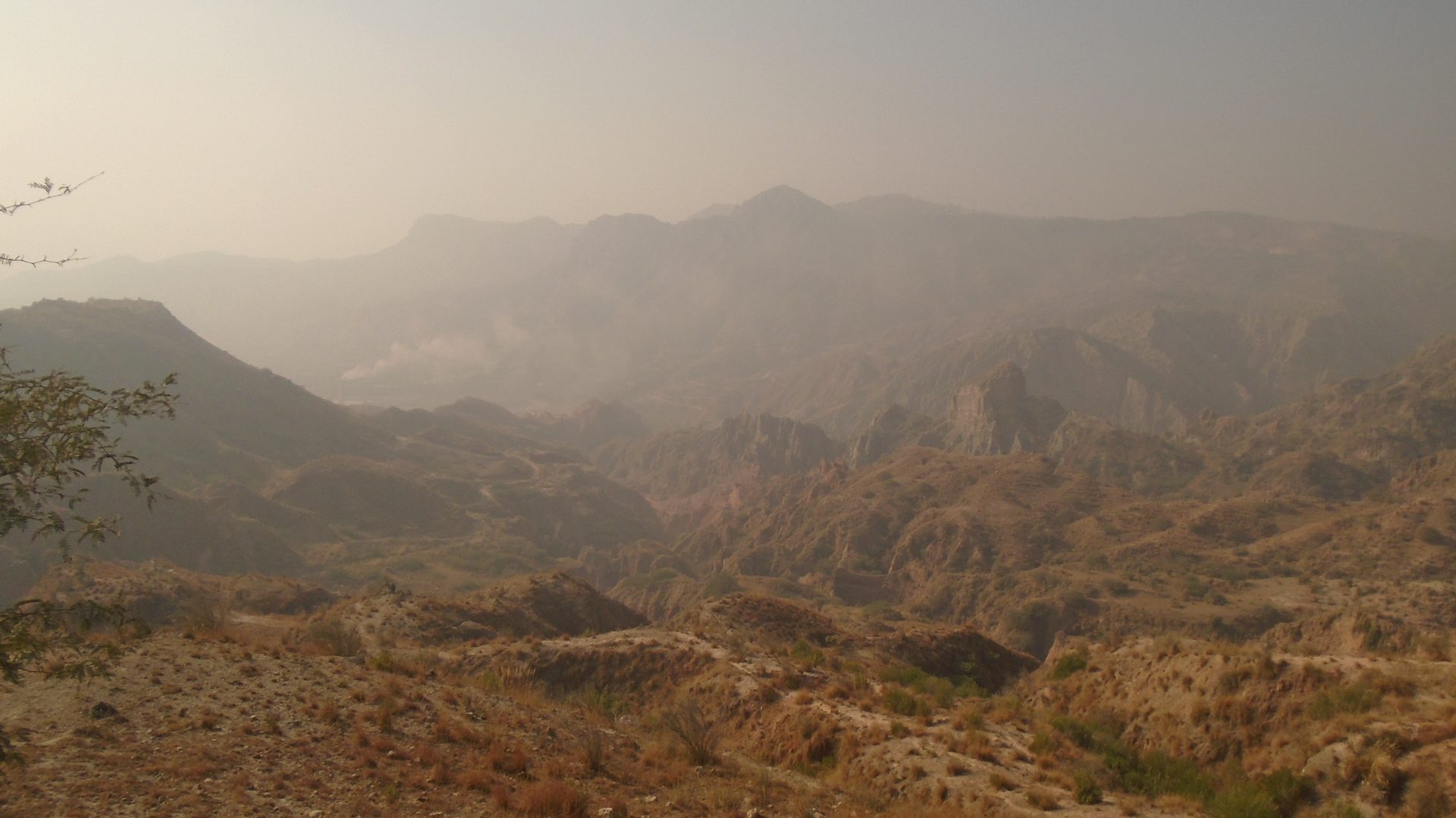
Dawn reported that Lahore was ranked the world’s most polluted major city on Wednesday morning as smog thickened with the onset of colder weather. The live ranking published by the Swiss air quality monitoring platform IQAir put Lahore’s Air Quality Index at 296 at 10am on 28 October, ahead of Cairo at 289, Delhi at 272, Tashkent at 186 and Karachi at 173, with Lahore and Cairo in the “very unhealthy” band of the US AQI scale.
The same report noted that Lahore had also topped the ranking on 2 October with an AQI of 167, had been classified as hazardous the previous week, and, according to a European Union Copernicus analysis published on 1 October, sat among the cities with “extremely poor” ozone levels. That is a sharper position than the one KhabarWire reported in February, when readings of 185 to 215 left the city in the “unhealthy” band; the 28 October figure is both higher and worse ranked.
What Punjab is already doing
Environment Protection Agency spokesperson Sajid Bashir told Dawn that the agency was monitoring industries and had installed devices to record pollution levels. He said changing weather conditions were contributing to smog and that easterly winds were consistently pushing polluted air from India’s border regions into Lahore, worsening conditions across central Punjab. The government was procuring and installing 30 more modern fog cannons mounted on electric trucks, with anti-smog guns deployed where particulate readings were highest and where PM10 levels were elevated. Development work in Lahore and other cities, he said, was also contributing to pollution. Punjab Climate Watch was working in three shifts to inspect industries in Lahore, registering cases and imposing fines, but measures against smog would take time.
What the fund has to live up to
The announcement sits on top of a policy framework the ministry published in March 2023, the National Clean Air Policy. That policy sets ambient air quality targets, including a PM2.5 annual average of 35 micrograms per cubic metre and a 24-hour limit of 75, and estimates that full implementation of five priority interventions — Euro 5 and Euro 6 fuel standards in transport, enforcement of industrial emission standards, an end to the burning of agricultural residues, a halt to open municipal waste burning and low-emission cooking technologies in homes — would cut PM2.5 emissions by 38 per cent in 2030 against the baseline scenario and by 21 per cent against 2020 levels, rising to 81 per cent by 2040 against the baseline. It also required a national implementation plan within a year of approval and provincial clean air action plans, with provincial environment protection agencies on the technical committee.
Those levers are regulation, enforcement and infrastructure. Capital for new companies addresses a narrower problem, and a smaller one than the scale of the financing Pakistan says it needs for its wider climate commitments, put at $565.7 billion by 2035 for the NDC 3.0 goals reported in January. Whether external partners put money behind the fund, as the minister suggested, is the open question.
What is still uncertain
The size of the fund is announced but not yet appropriated: no rules, board composition or disbursement criteria have been published, and the board’s approval was due on 29 October. The 6.5 per cent of GDP figure is the minister’s own estimate, with no method or underlying study released. The IQAir ranking is a live index, so the 296 reading was a single 10am snapshot and both the number and the position change through the day. Punjab’s response, as described by its environment agency, is monitoring and enforcement, with no seasonal reduction target published for industrial or transport emissions. And the fund’s design has been described by the minister rather than set out in a document.