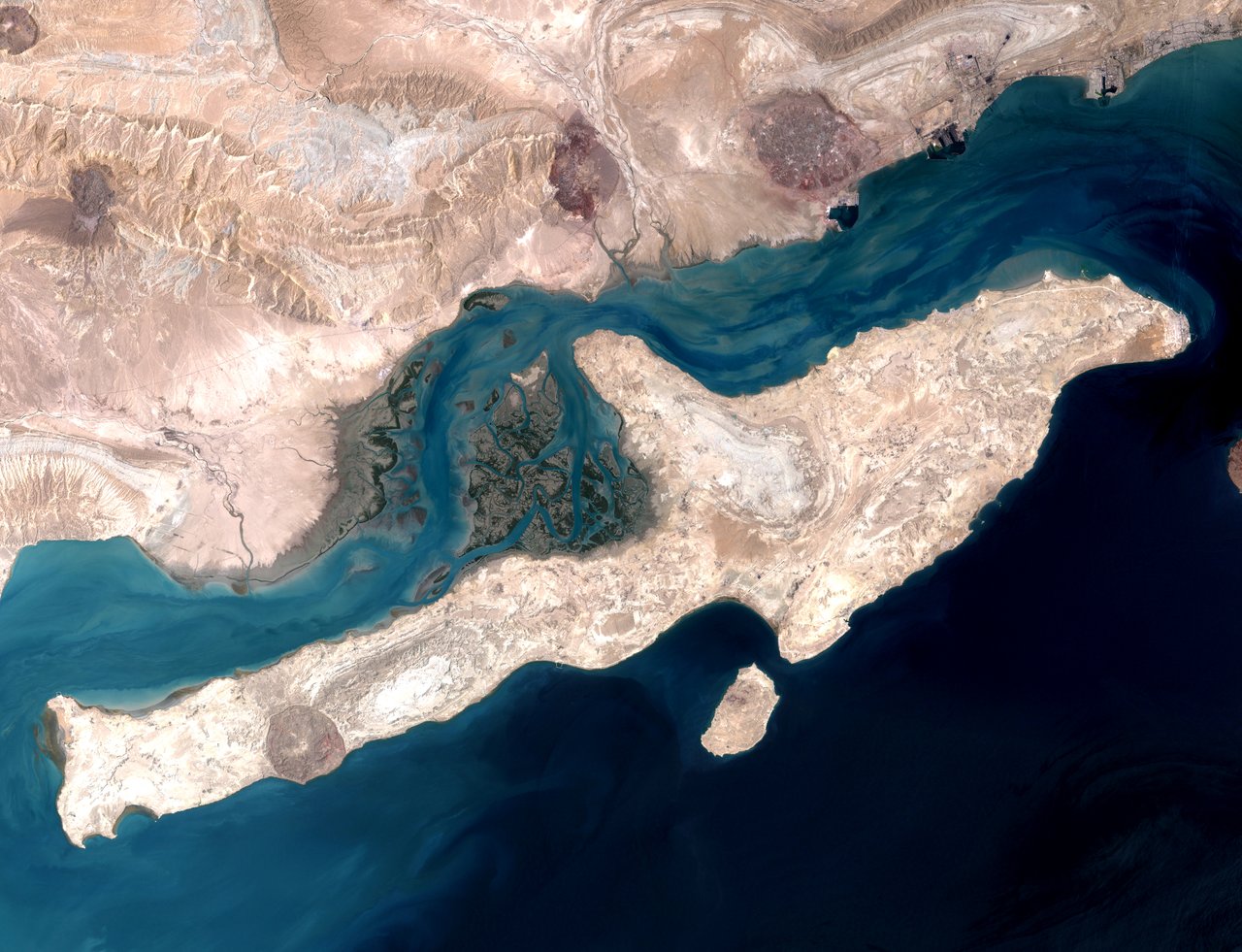
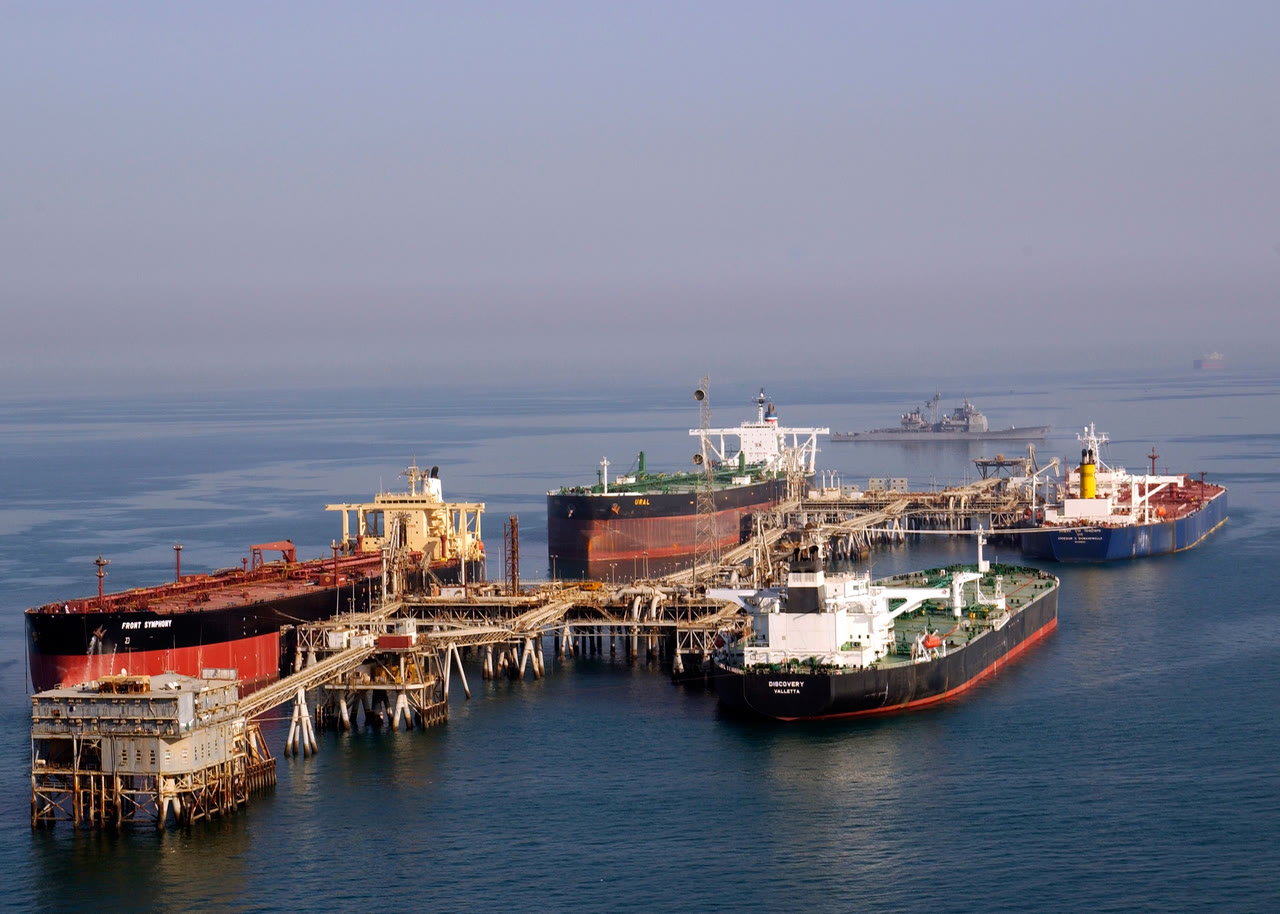
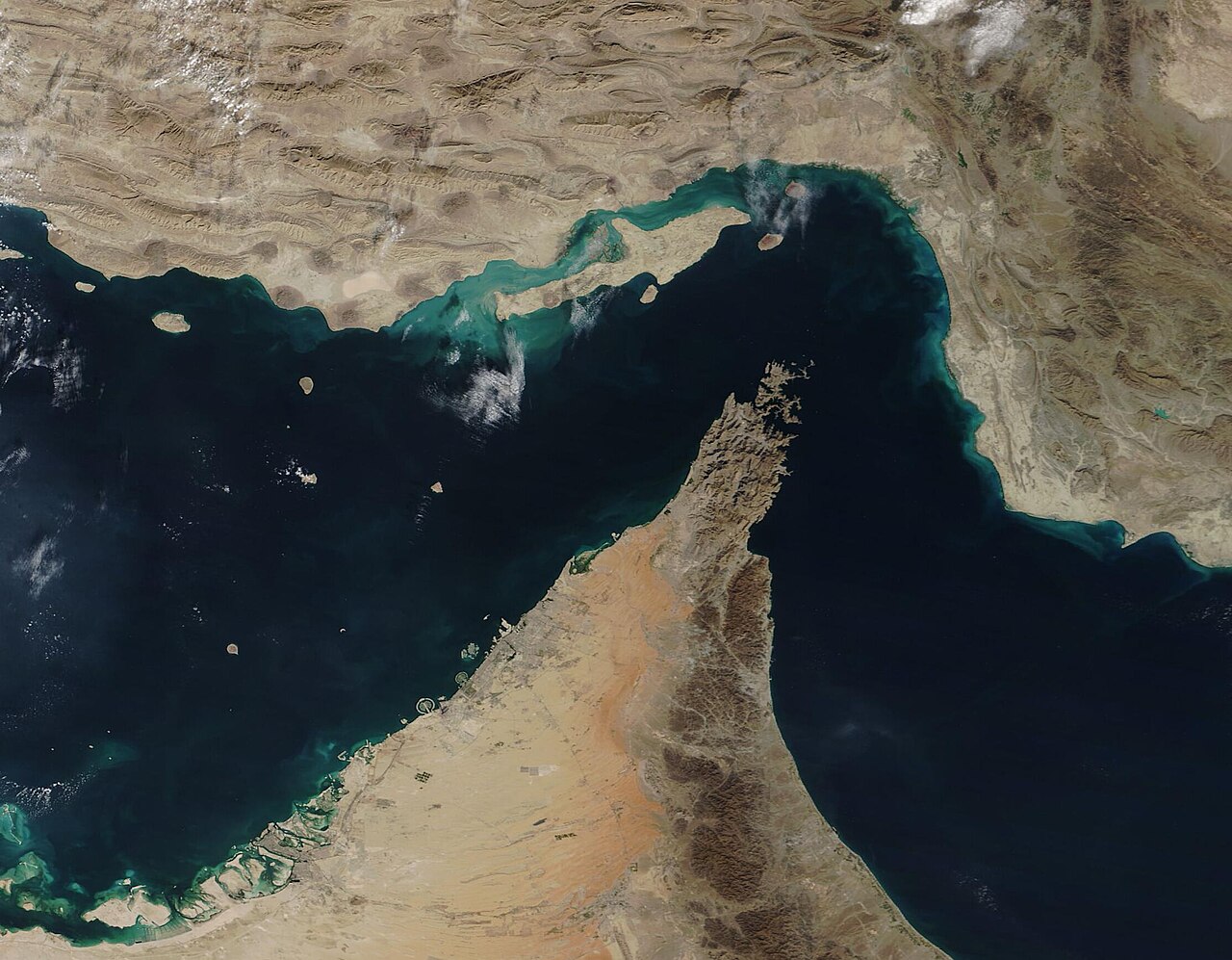
Reporting snapshot · 14 November 2026 (Asia/Karachi). The Security Council met on 13 November, and the United Nations' own account of the session states that it is not an official record and does not carry every intervention, so Pakistan's contribution is described here from the reporting of the meeting rather than from a UN text. The maritime figures run up to 11 November, and Iran's report on Saturday that three tankers had struck mines in the Strait of Hormuz could not be independently verified.
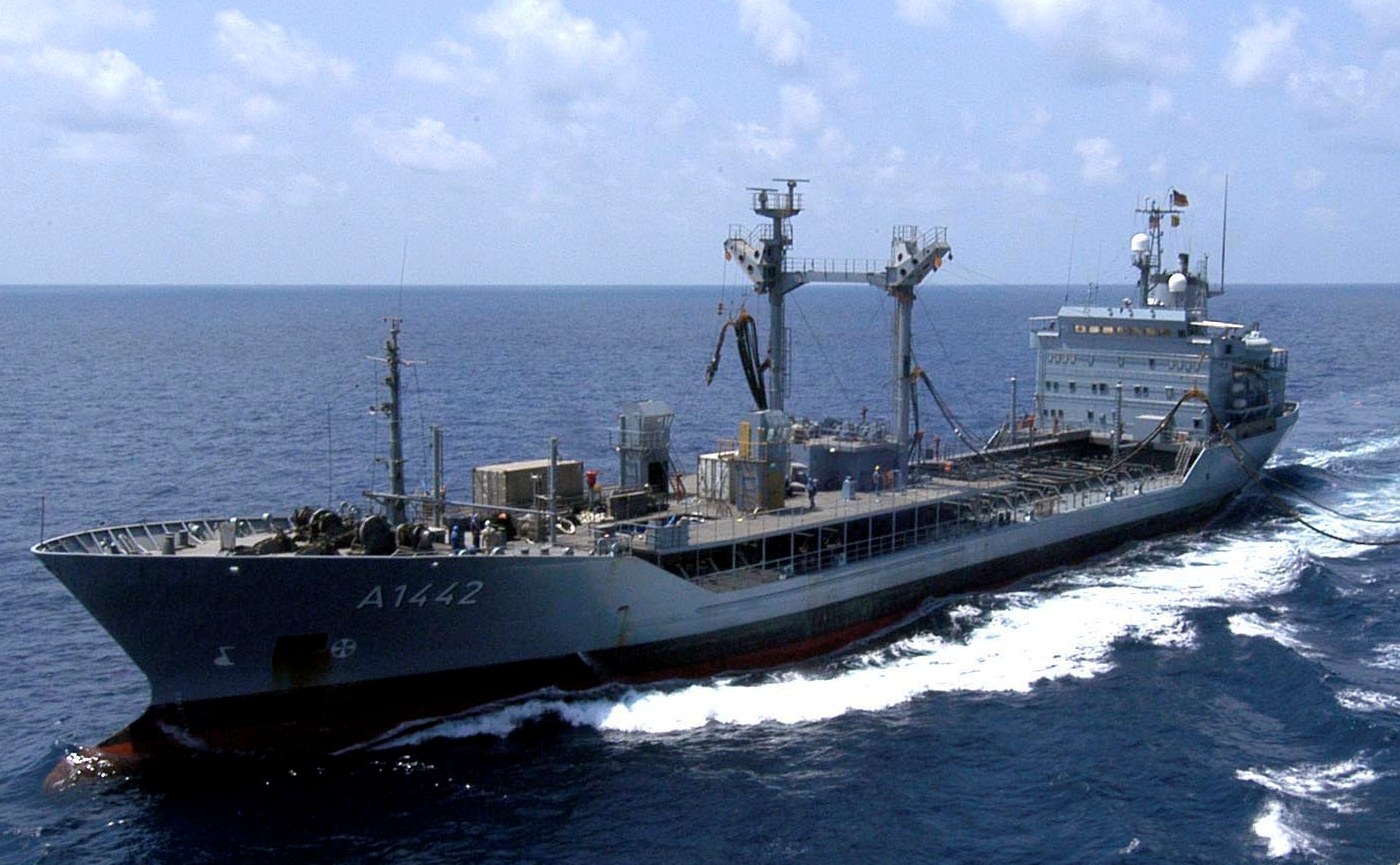
Pakistan’s permanent representative to the United Nations, Ambassador Syed Haider Shah, told the Security Council on Friday that the security of the Gulf states is of immense importance to Pakistan, and pressed the Council to call for an immediate end to attacks in the region, the protection of civilians and of commercial shipping, and the safe passage of vessels through the Strait of Hormuz and Bab al-Mandab. The Express Tribune reported that Shah’s statement, delivered at the Council’s session on the situation in the Gulf, called for respect for the sovereignty and territorial integrity of all regional states, and Geo News recorded the same appeal for an end to military provocations and unlawful attacks.
The session was the Council’s 10271st meeting, convened at Bahrain’s request to discuss threats to maritime security, and the United Nations’ account of it is headed “Security Council Hears Competing Gulf, Iranian Narratives on Maritime Insecurity”. The UN’s record of the meeting shows the Council hearing from the Gulf Cooperation Council secretary general, Jasem Mohamed Albudaiwi, the United States, Panama and Iran, and records no adopted measure. The two days before it were among the most violent of the war: Iran’s claim that it had destroyed a United States radar site in Bahrain, and a day of tankers hit by explosions in the Strait of Hormuz, which KhabarWire reported on Thursday.
The numbers the Council was given
Assistant Secretary-General Khaled Khiari told members that the International Maritime Organization had confirmed 134 incidents and the deaths of 25 seafarers in the Strait of Hormuz and the wider Middle East maritime area as of 11 November, and that October had brought the highest monthly number of incidents against commercial shipping since February. Al Jazeera, reporting the same briefing, put the number of incidents at 136, with 35 recorded in October and 10 in November. Khiari said the volume of maritime shipments remained below pre-conflict levels and warned that this should not be mistaken for a return to normality; the region’s maritime arrangements, he said, remain costly, unpredictable and unsafe, and the disruption has driven up energy, transport and insurance costs.
The organisation’s own count, published on 11 November, is where those figures come from. The IMO said it has verified more than 130 attacks on internationally trading commercial vessels in the Strait of Hormuz since 28 February, and that at least 25 seafarers have lost their lives, with others missing or injured. Its secretary general, Arsenio Dominguez, also raised reports of vessels covering their IMO numbers, of ships fraudulently registered or sailing under false flags, and of transits by substandard ships, and called on flag states, port states and coastal states to enforce the rules that already exist.
What Pakistan asked for
Shah’s intervention carried a specific list behind it. He condemned, in the strongest terms, the Houthi militia’s attacks and threats against the Kingdom of Saudi Arabia, including its civilian infrastructure and vessels engaged in lawful trade with the kingdom, and said attacks on airports, energy installations and other civilian infrastructure were unacceptable. He said the disruption of commercial shipping and attacks on merchant vessels in Bab al-Mandab and the Strait of Hormuz endangered seafarers, undermined navigational freedoms and disrupted international commerce, and called for respect for navigational rights, the protection of shipping and crews, the restoration of normal passage and the unhindered delivery of humanitarian supplies. He noted that the Strait of Hormuz carries the transit of one-third of globally traded crude oil and a significant share of global fertiliser trade, and that its position makes it vital to regional security and stability.
On the way out of the crisis, Shah argued that dialogue and diplomacy must guide the way forward: all attacks must stop, communication channels should remain open, and regional initiatives and the secretary-general’s good offices should receive sustained international support. Pakistan’s pitch runs on a second track this weekend. Deputy Prime Minister and Foreign Minister Ishaq Dar chairs the 30th Council of Foreign Ministers of the Economic Cooperation Organization in Islamabad on 15 and 16 November, where connectivity and regional integration are the stated themes of Islamabad’s chairmanship.
Two accounts of the same nine months
The Gulf states and the United States put the responsibility on Iran. Albudaiwi said that since 28 February, Iranian strikes involving more than 7,000 missiles and drones had hit airports, ports, oil and gas facilities, power stations, water desalination plants, residential areas and civilian facilities in GCC states, and that the Houthis had struck two holy mosques in Saudi Arabia and their surroundings, pilgrims, civilian airports and oil facilities. Bahrain’s representative, speaking for the GCC, said about 1,600 vessels had been disrupted in the Strait of Hormuz and more than 23,000 seafarers were stranded, and warned that the security of civilians cannot constitute a bargaining chip or a tool for extortion. The United States delegate told the Council that Iran’s missiles, drones and what she called unlawful mines in the Strait, and the attacks on shipping in Bab al-Mandab, threatened global energy and food security.
Iran’s delegate rejected that account, telling the Council that the root cause of the insecurity was what it called the unprovoked wars of aggression launched by the United States and Israel on 13 June 2025 and 28 February 2026, which he said had included the killing of Iran’s Supreme Leader, officials and nuclear scientists, and had left 5,000 Iranians dead, 254 of them children. He called for full reparation.
The Council has twice tried to act on the water this year. It condemned Iran’s attacks on its neighbours in resolution 2817 (2026) in March, and a draft to safeguard international navigation through the Strait of Hormuz was blocked by vetoes from China and Russia in April. Friday’s session produced no resolution, which leaves the enforcement question where it was: with flag states, port states, and Iran itself.
What changed at the weekend
Iranian authorities reported on Saturday that three oil tankers had hit mines and caught fire while travelling through what they describe as unauthorised or restricted parts of the Strait, and the Iranian navy warned that any offending tanker travelling in the restricted area east of the waterway would be set on fire by hitting naval mines. Neither claim could be independently verified. The United States military says it has cleared the strait’s main routes of mines and that the waterway is open for commercial shipping, and the United Kingdom Maritime Trade Operations puts shipping through the Strait at about 65 per cent below pre-war levels.
For Pakistan the exposure is concrete rather than abstract. A Qatari LNG carrier that Islamabad had arranged safe passage for was struck on 30 October, KhabarWire reported on 1 November, and the tankers that bring Gulf crude and fertiliser cargoes to Pakistan’s ports use the Strait of Hormuz, the waterway the Council spent Friday debating. Islamabad’s argument in New York, and the one it takes to the ECO meeting in Islamabad this weekend, is that the answer is enforcement of rules that already exist rather than a new resolution nobody will adopt.
The Pakistan, Iran and the United States mediation track that KhabarWire follows has not ended the fighting this year, and Friday’s session produced no decision. What it did produce is a public count of the dead at sea and a list of what Pakistan wants the Council to do about it, put to the Council by Islamabad’s envoy.