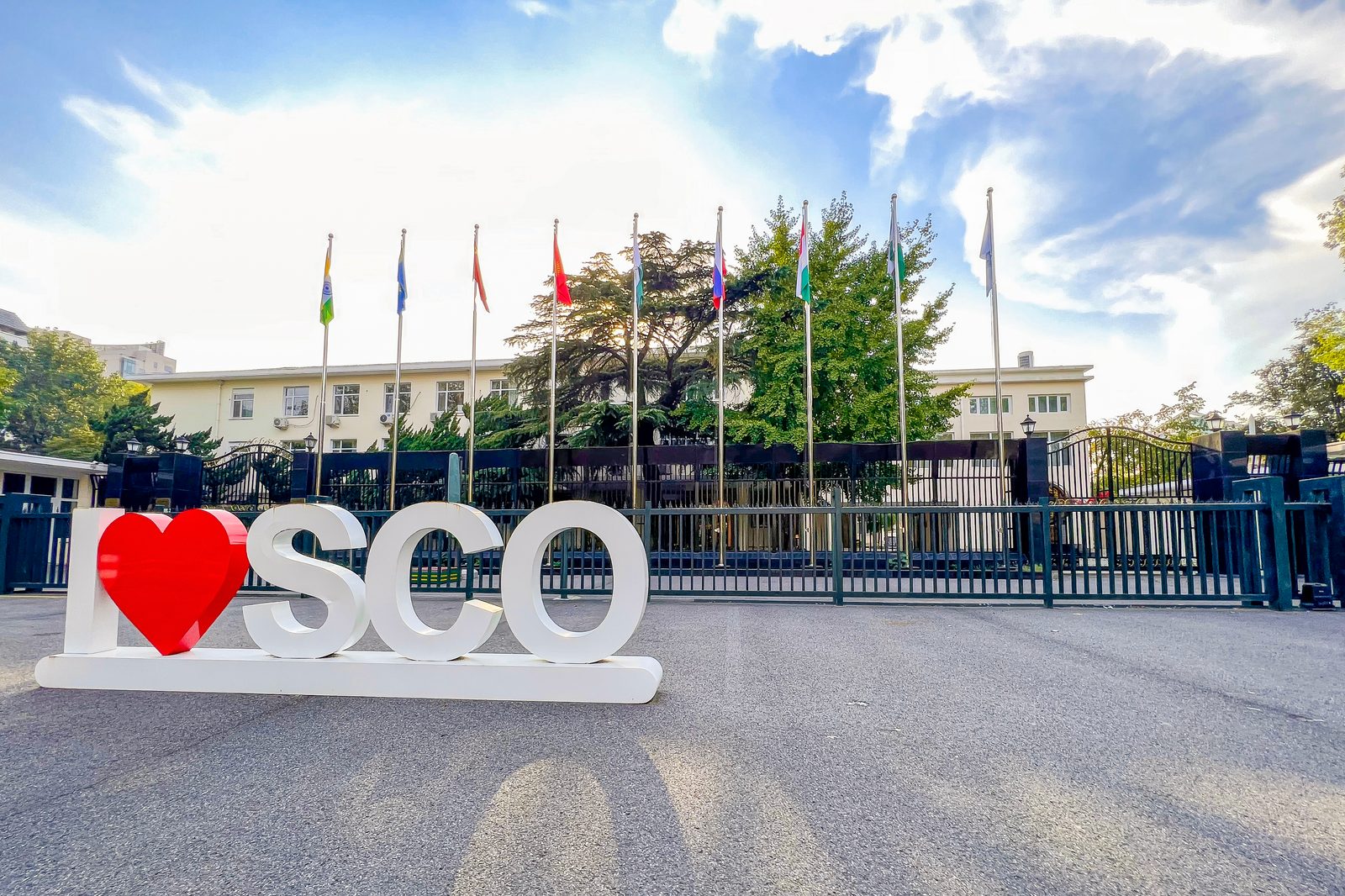
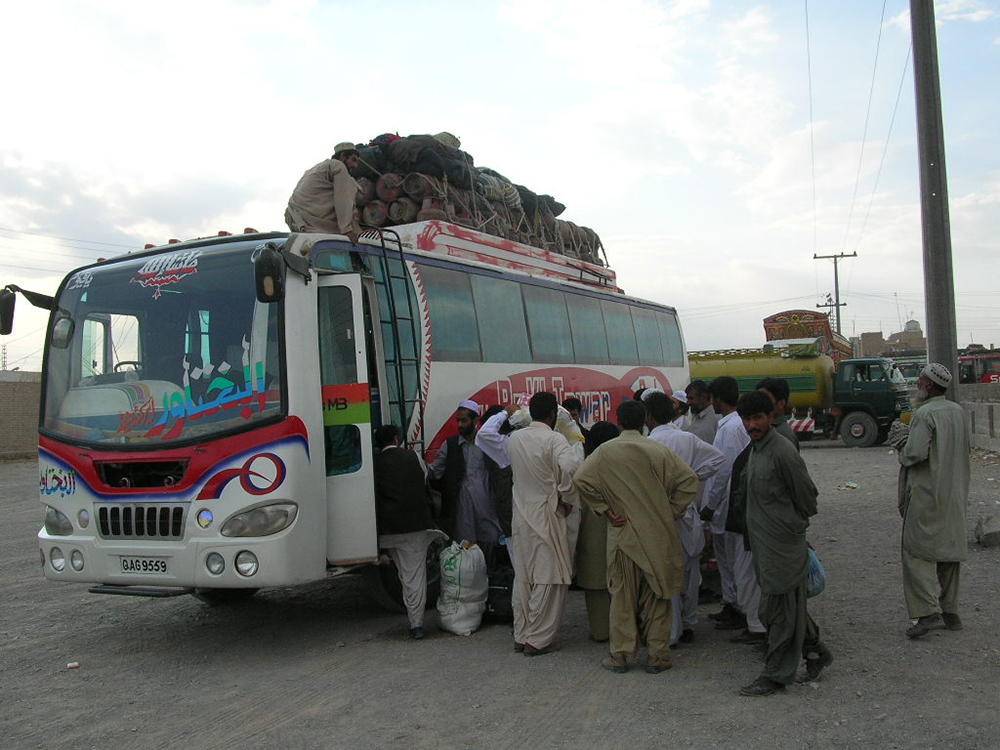
Reporting snapshot · 9 November 2026 (Asia/Karachi). The dates, the chair and the draft agenda come from the organisation's own documents. The reported expectation that Iran's foreign minister will travel to Islamabad rests on unnamed sources and has not been announced by Iran or Pakistan. Attendance by Afghanistan, the wording of the communiqué and the final text of the strategy remain open.
What happens in Islamabad
Pakistan will host the 30th Council of Ministers of the Economic Cooperation Organization (ECO) in Islamabad on 15 and 16 November, according to the draft agenda and annotated draft agenda circulated to member states in the meeting’s document folder in late October and early November. A Senior Officials’ Meeting will run ahead of it.
Deputy Prime Minister and Foreign Minister Ishaq Dar will welcome the delegations as host and current ECO chair, the draft agenda states, and Kazakhstan’s foreign minister, Mukhtar Tileuberdi, is listed to speak as the chair of 2025. Ministers will address the council in alphabetical order, with seven minutes recommended for each statement, and observers, special guests, partner institutions and the organisation’s own bodies have speaking slots too.
The weight of the meeting is in the documents rather than the speeches. The council is expected to adopt the Strategic Goals of Economic Cooperation 2035, which the 29th council agreed should supersede the ECO Vision 2025 once finalised. It will also approve the secretary general’s report on the organisation’s activities since the 29th council met on 28 November 2025, the reports of the Council of Permanent Representatives and the sectoral ministerial meetings, the ECO budget for 2027, and the Islamabad communiqué.
On 6 November, Dar chaired a meeting in Islamabad to finalise arrangements, the Ministry of Foreign Affairs said, describing the gathering as an opportunity for “productive discussions on strengthening regional cooperation” and reaffirming Pakistan’s commitment to the organisation, Pakistan Today reported.
The machinery behind the meeting is still running. On 8 November, the 312th Council of Permanent Representatives met at the secretariat in Tehran under the chairmanship of Pakistan’s ambassador Imran Ahmed Siddiqui, who chairs that council. The council’s own announcement said it had considered the Strategic Goals 2035 for submission to the Islamabad council and had reviewed preparations for both the 30th Council of Ministers and the 18th ECO summit.
Iran is expected, but not confirmed
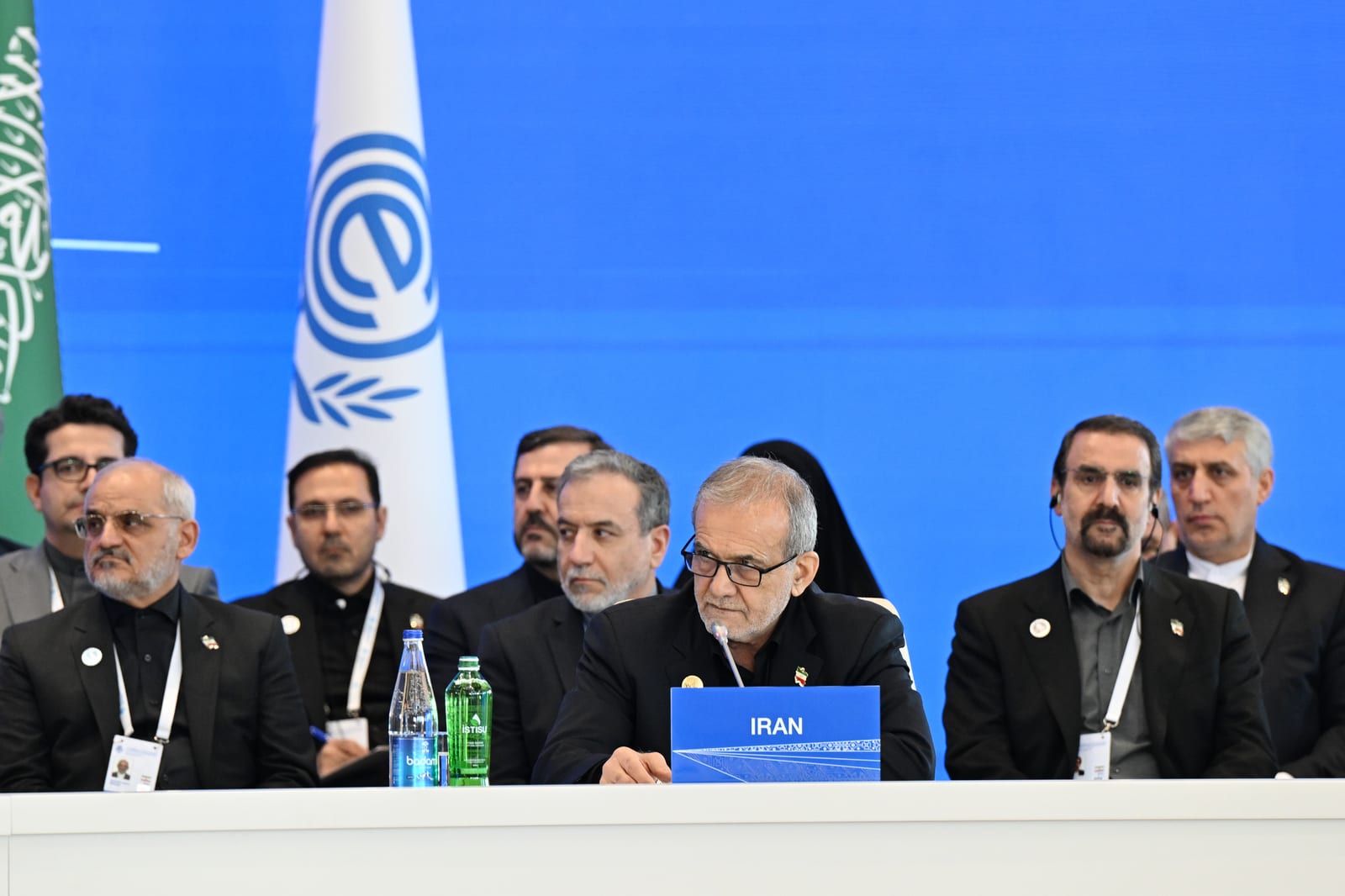
The Express Tribune reported on 9 November that Iranian foreign minister Abbas Araghchi is expected to travel to Pakistan for the meeting, with bilateral meetings with Prime Minister Shehbaz Sharif and Deputy Prime Minister Ishaq Dar. The newspaper attributed the expectation to people familiar with the preparations; neither government has announced the visit and Iran has not confirmed it.
The expectation carries weight because of the conditions around it. Al Jazeera reported on 9 November that a drone attack on the Khor Mor gasfield in northern Iraq knocked between 2,500 and 2,800 megawatts off the grid and left more than 70 per cent of the Kurdish region without power, with the attribution still unclear. Separately, Reuters reporting carried by The Express Tribune said President Trump considered fresh strikes on Iran highly unlikely if talks progressed, while Al Jazeera reported Tehran’s warning that it would “rain down hell” if the United States resumed attacks. Islamabad has hosted parts of that diplomacy before, most visibly in Iran’s regional outreach to Pakistan and Gulf states.
What is at stake for Pakistan
The connectivity argument is the core of Islamabad’s chairmanship. Pakistan’s pitch is to serve as the gateway for landlocked Central Asian states to reach the Arabian Sea, a claim that runs through the regional projects already on the table, from the rail connectivity memorandum with Kazakhstan to the Gwadar-Sohar port link plan with Oman.
Dar set out that pitch in September at the informal ECO meeting held on the sidelines of the United Nations General Assembly in New York, where he called for deeper intra-regional trade, stronger transit corridors linking Central Asia with the Arabian Sea, a digitally enabled ECO free trade area and joint work on climate resilience, Pakistan Today reported. He also described the ECO region as home to nearly half a billion people.
The chairmanship now runs for two years. The draft agenda records that the 31st Council of Ministers will be hosted by Pakistan in 2027, “being the two-year Chair of the Organisation under the new rotational mechanism”, and that the council may thank Dar for his chairmanship of the 30th session.
Afghanistan is the member that complicates the story. Afghanistan sits inside the ten-state organisation, alongside Iran, Türkiye, Azerbaijan and the five Central Asian republics, and Pakistan has repeatedly asked Kabul to stop the banned Tehreek-e-Taliban Pakistan from using Afghan territory to stage attacks. The Express Tribune said there was no clarity on whether Afghanistan would be invited to the November meeting, and that the closure of the Pakistan-Afghan border is already undercutting the connectivity gains the chairmanship is meant to deliver.
What is still uncertain
The communiqué and the strategy are drafts. The Islamabad communiqué circulated to member states still carries tracked changes, and the Strategic Goals 2035 have been through a series of Preparatory Committee rounds, including a meeting held on 26 October. ECO Vision 2025 remains in force until the council formally adopts the new goals.
The meeting itself has already been trimmed back. An ECO interior ministers’ meeting scheduled to take place in Islamabad in late October was postponed amid the prevailing regional situation, The Express Tribune reported, with no new date fixed.
Whether Iran travels, whether Afghanistan is represented, and what the council’s language says about transit corridors and the free trade area are the three things that will turn a scheduled meeting into a result.
What to watch
The first test is the final Islamabad communiqué. Its paragraphs on connectivity, trade liberalisation and energy will show how much of the chairmanship’s agenda survived the regional turbulence of the past two months, and whether the free trade area Dar has promoted moves from a stated ambition to a timetable.
The second is the delegation list. Iran’s presence would give the meeting a direct channel to Tehran at a moment when Washington has set up a task force to cut Iran’s land routes, as KhabarWire reported on 8 November, and Tehran has threatened escalation.
The third is what follows. Preparations for the 18th ECO summit were reviewed alongside the ministerial, and the goals adopted in Islamabad will frame every ECO meeting until they are replaced.